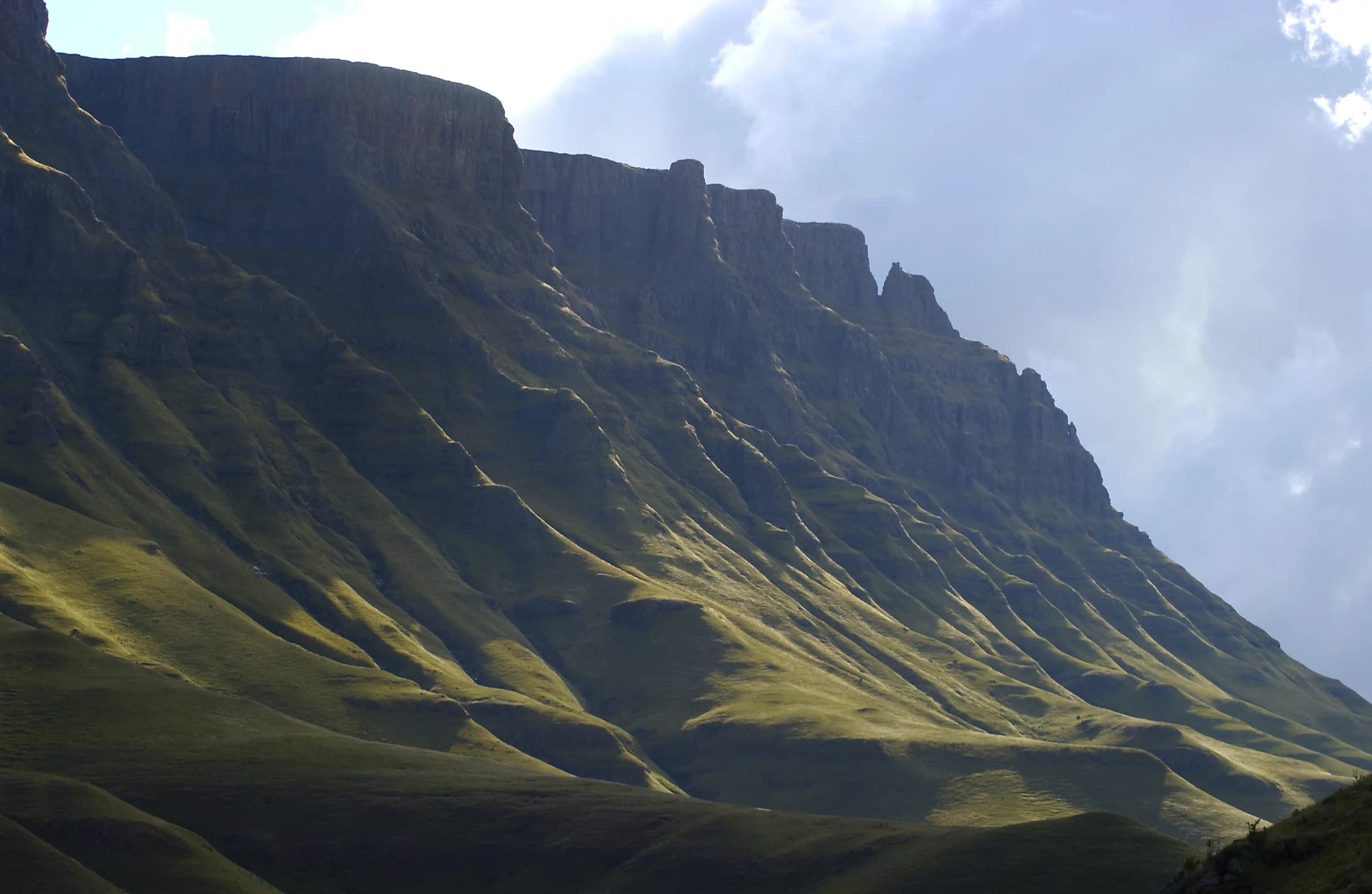
Lesotho · Africa
Lesotho
Lesotho is the only country on Earth that sits entirely above 1,000 meters in elevation, a fact that's earned it the nickname 'Kingdom in the Sky' — and it's also completely surrounded by a single other country, South Africa, making it one of only three nations in the world fully enclosed within another.
Lesotho is the only country in the world that sits entirely above 1,000 meters in elevation, a genuinely unique geographic fact that's earned it the nickname "Kingdom in the Sky." Every part of the country, from its lowest valleys to its highest peaks, exceeds an elevation most nations only reach at their tallest single point, and that consistent altitude shapes everything from the climate to the terrain visitors encounter.
The country is also completely enclosed within a single neighboring nation, South Africa, making it one of only three countries in the world, alongside San Marino and Vatican City, entirely surrounded by one other country. Unlike those two small European examples, though, Lesotho is a genuinely substantial mountain kingdom, and that enclosure hasn't stopped it from maintaining a distinct culture, currency, and monarchy of its own.
Sani Pass, connecting Lesotho to South Africa's KwaZulu-Natal province, ranks among Southern Africa's classic scenic drives: a series of steep hairpin turns climbing to a border post above 2,800 meters, requiring a genuine 4x4 vehicle and rewarding the climb with sweeping views back down into South Africa and forward into Lesotho's highland plateau.
Basotho pony trekking remains a genuine local mode of transport rather than a tourist novelty invented for visitors. The Basotho pony, a hardy breed developed specifically for Lesotho's mountainous terrain, has long served highland communities as practical transport through areas inaccessible by vehicle, and multi-day trekking routes let visitors move through the same remote village-to-village network local people have used for generations, typically staying overnight in traditional homes along the way.
The Basotho blanket, a thick woven wrap worn draped over the shoulders, and the mokorotlo, a distinctive conical straw hat, remain everyday practical clothing across Lesotho's cold highland climate rather than ceremonial dress reserved for special occasions, a genuinely visible marker of how much traditional Basotho culture continues to shape daily life throughout the country.
What a trip here actually costs
$30 / day avg.
- Guesthouse or mountain lodge
- Local shared-taxi fares
- Casual Basotho meals
- Village and market wandering, free
What to do at this tier
- • Maseru's central market and craft stalls, free to wander
- • Basotho Hat (Mokorotlo) craft shops, selling the country's distinctive conical traditional hat
- • Malealea Lodge area, a common base for exploring nearby highland villages on foot
$75 / day avg.
- 3-star lodge near the highlands
- Guided Sani Pass 4x4 excursion
- Basotho pony trekking day trip
- Sit-down dinners at a mountain lodge
What to do at this tier
- • Guided 4x4 excursion up Sani Pass to the South Africa-Lesotho border post at over 2,800 meters
- • Multi-day Basotho pony trekking route through highland villages
- • Maletsunyane Falls near Semonkong, one of the tallest single-drop waterfalls in Southern Africa
These are average estimates for planning purposes, not real-time prices — actual costs vary by season, availability, and how far ahead you book.
How to get there
Click anywhere on the world map — any airport works, not just our main hubs.
Click anywhere on the map above — any airport in the world works — to see estimated travel time and cost from there.
Times and prices are planning estimates, not live fares — always check a booking site before you commit. See the full Transport Comparison guide for the general tradeoffs of each mode.
Best time to visit
October-April brings warmer, more stable weather; Lesotho's high elevation means genuinely cold winters, with snow common in the highlands roughly June-August.
Safety notes
Generally safe for tourists in main towns and organized trekking routes with standard precautions; mountain roads and weather can change quickly, so check conditions before any highland drive.
Visa & currency
Lesotho loti (LSL), pegged 1:1 to the South African rand, which is also widely accepted. Most Western passport holders can enter visa-free for short stays, typically arriving via South Africa.
Questions people ask before visiting
Is Lesotho worth visiting?
Yes, particularly for travelers drawn to dramatic mountain landscapes and genuine cultural distinctiveness — as the only country entirely above 1,000 meters elevation, Lesotho offers a genuinely different terrain from anywhere else in Southern Africa, along with traditional Basotho pony trekking and blanket-wearing culture that remains a real, everyday practice rather than a costume for tourists.
What is Sani Pass?
A dramatic mountain pass connecting Lesotho and South Africa's KwaZulu-Natal province, climbing through steep hairpin turns to over 2,800 meters at the border post. It requires a 4x4 vehicle and is one of Southern Africa's classic scenic drives, often done as a day trip or overnight excursion from either country.
What is Basotho pony trekking?
A genuine local mode of transport, not just a tourist activity — Basotho ponies, a hardy breed adapted to Lesotho's mountainous terrain, have long been used by highland communities to move through areas inaccessible by vehicle. Visitors can join multi-day pony trekking routes staying in traditional villages along the way, a distinctive way to see Lesotho's remote highlands.
How many days do you need in Lesotho?
Three to four days allows time for the Sani Pass drive, a pony trekking excursion, and time in Maseru or a highland village. Lesotho works well as either a standalone mountain trip or an add-on to a wider South Africa itinerary given how it's entirely surrounded by the country.
Nearby destinations
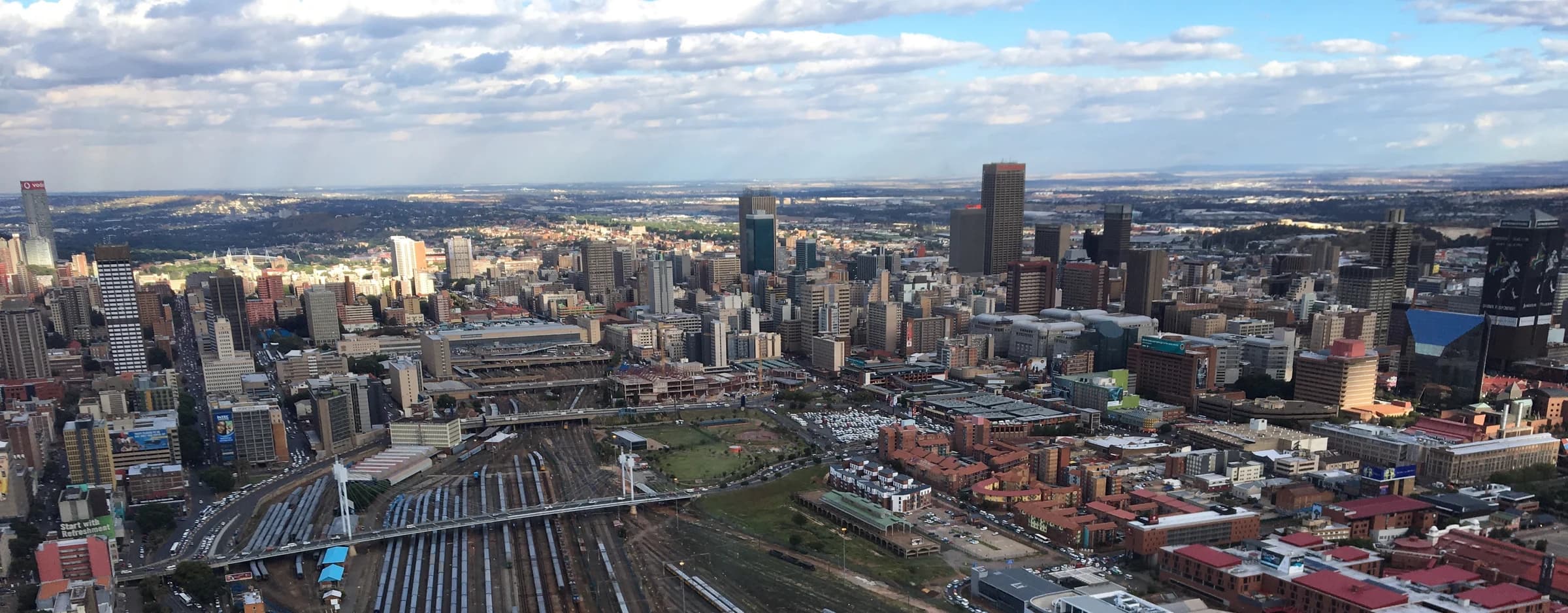 Johannesburg
Johannesburg
South Africa
Johannesburg didn't exist before 1886 — the city was founded almost overnight after gold was discovered on the Witwatersrand ridge, and that gold rush origin still shapes a metropolis with no old colonial core to speak of, built instead around mining wealth and, later, the front lines of the anti-apartheid movement.
See full guide →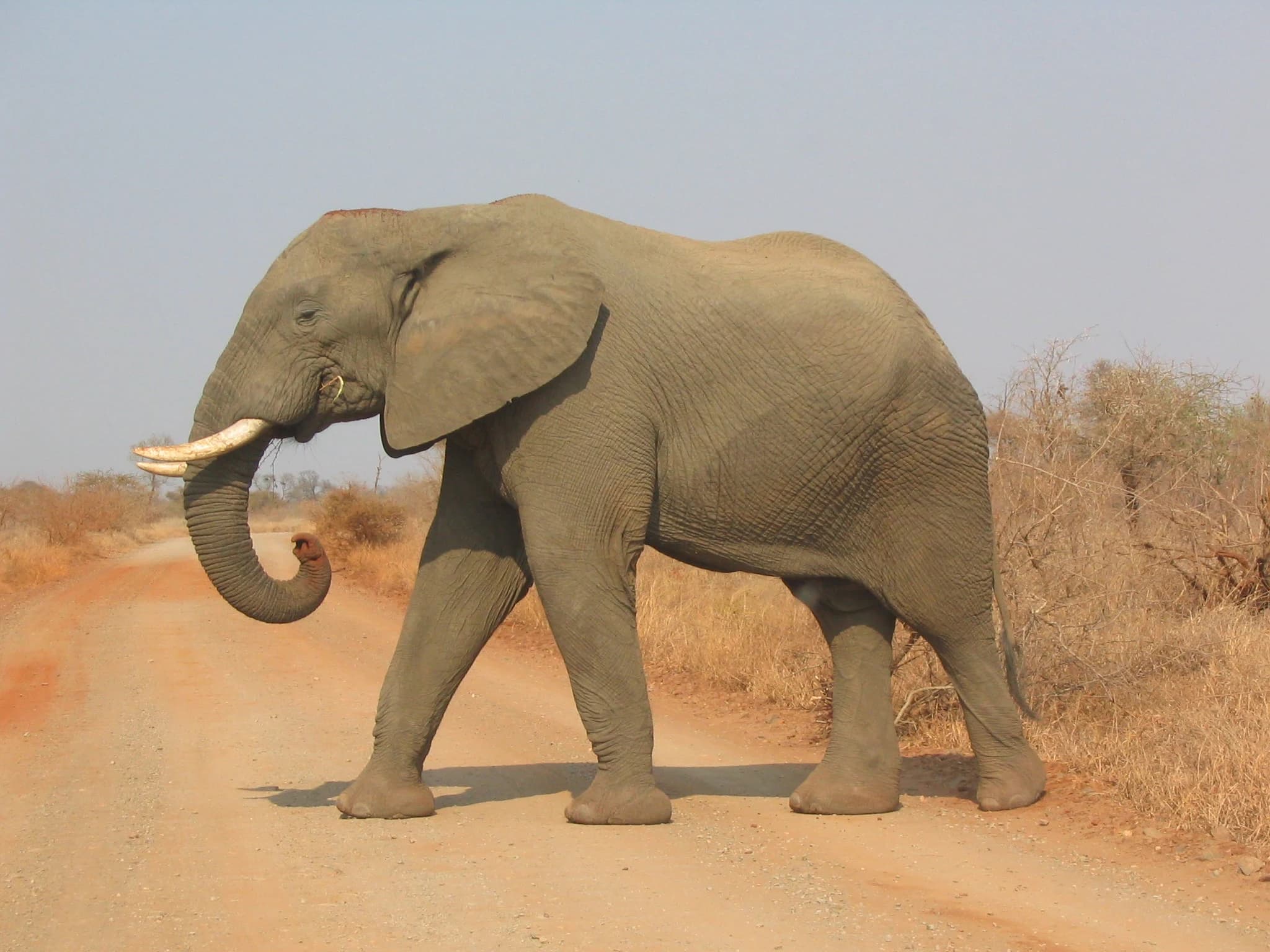 Kruger National Park
Kruger National Park
South Africa
Kruger covers roughly 19,000 square kilometers, an area larger than Wales, and unlike most of Africa's major safari destinations, it's genuinely set up for visitors to drive themselves — a paved and gravel road network lets you self-drive a real Big Five safari without ever booking a guide.
See full guide →Comparing more than one route? See the full transport comparison guide.