Ghana · Africa
Kumasi
Kumasi is still the seat of the Ashanti king, whose throne, the Golden Stool, is said to have descended from the sky and is believed to house the very soul of the Ashanti nation — a sacred object so central to Ashanti identity that 19th-century British forces went to war partly over demands to sit on it, and never did find the real one.
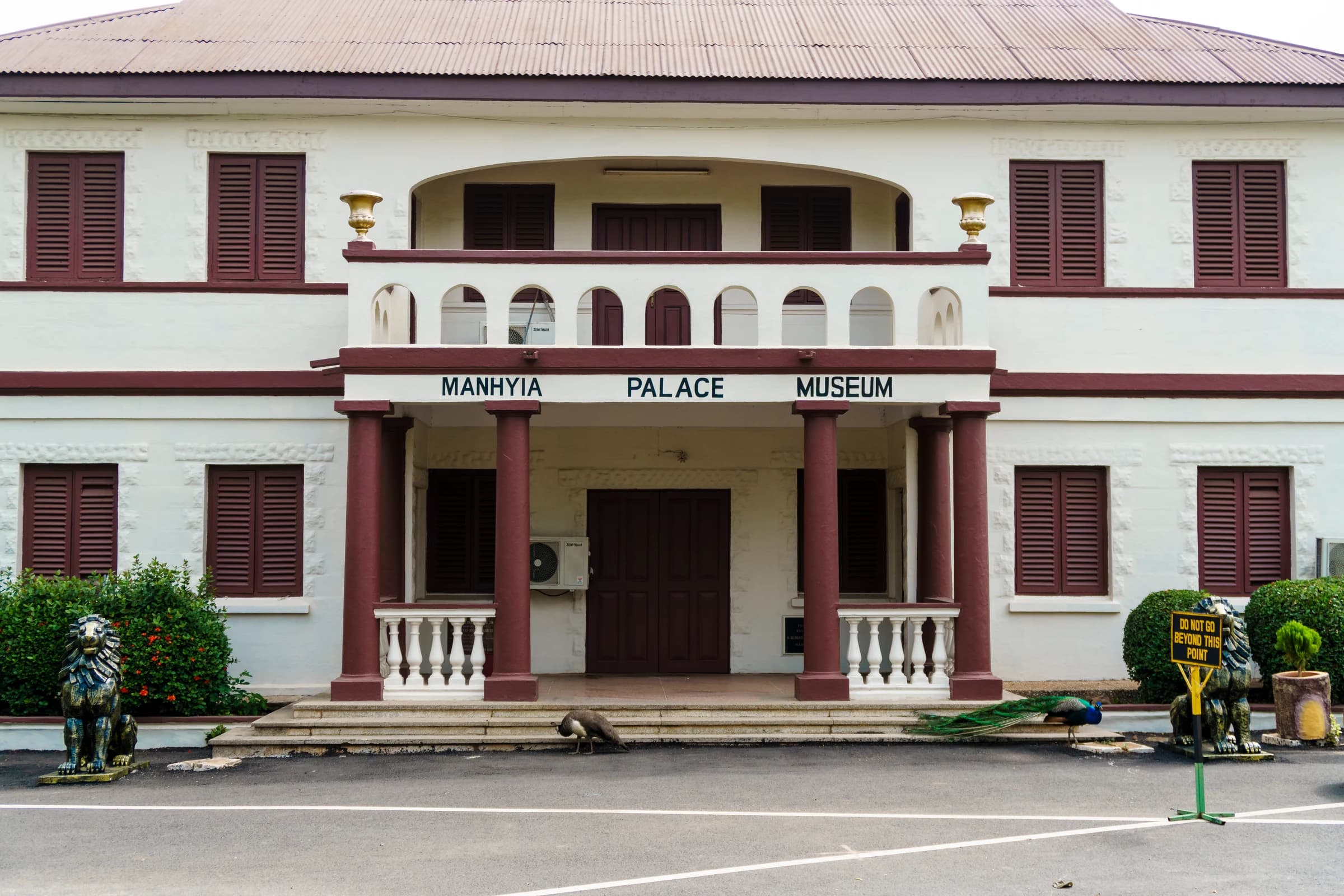
Kumasi remains the genuine, functioning seat of the Ashanti king, a traditional monarchy that continues to hold real cultural authority in Ghana today alongside the country's modern democratic government. The Asantehene, as the king is known, presides from Manhyia Palace, and the position traces an unbroken line back through the Ashanti Empire, one of the most powerful and organized kingdoms in West African history, which reached its height controlling trade routes across a large stretch of the region through the 18th and 19th centuries.
At the center of that authority sits the Golden Stool, the Sika Dwa Kofi, a sacred throne that Ashanti tradition holds descended directly from the sky and is believed to house the very soul of the Ashanti nation itself, not merely symbolize royal authority but genuinely embody it. The stool's significance ran so deep that a 1900 British colonial demand simply to sit on it, intended as an assertion of imperial authority, triggered the War of the Golden Stool, and by most historical accounts, the British occupying forces never actually located the real stool, which Ashanti custodians had hidden and protected.
Kejetia Market, one of the largest markets anywhere in West Africa, gives visitors a genuine sense of Kumasi's role as a major regional commercial hub, a dense, sprawling network of stalls that has functioned as a trading center for generations, long predating the market's current formal infrastructure.
Nearby Bonwire, a village a short drive from Kumasi, remains one of the centers of traditional kente cloth production, a vividly patterned woven textile that originated with Ashanti weavers and has become one of the most internationally recognized symbols of Ghanaian and broader West African identity. Visiting a working loom and seeing the weaving process directly gives a much more concrete sense of the craft than encountering finished kente cloth alone ever could.
Kumasi's position as a genuine living center of traditional Ashanti governance and culture, rather than a preserved historical relic, makes it a distinctly different kind of destination from Ghana's coastal cities further south, where the dominant historical narrative centers more heavily on the transatlantic slave trade and European colonial forts.
What a trip here actually costs
$28 / day avg.
- Guesthouse in central Kumasi
- Local tro-tro shared-van fares
- Casual Ghanaian meals, fufu and light soup
- Kejetia Market wander, free
What to do at this tier
- • Kejetia Market, one of the largest markets in West Africa, free to wander
- • Manhyia Palace exterior and grounds, free
- • Kumasi Central Mosque and surrounding old town streets, free to view
$65 / day avg.
- 3-star hotel in central Kumasi
- Manhyia Palace Museum and guided city tour
- Sit-down Ghanaian dinners
- Kente-weaving village visit near Bonwire
What to do at this tier
- • Manhyia Palace Museum, covering Ashanti royal history and the Golden Stool's significance
- • Guided visit to Bonwire, a village near Kumasi known for traditional kente cloth weaving
- • National Cultural Centre, covering Ashanti crafts, history, and traditional architecture
These are average estimates for planning purposes, not real-time prices — actual costs vary by season, availability, and how far ahead you book.
How to get there
Click anywhere on the world map — any airport works, not just our main hubs.
Click anywhere on the map above — any airport in the world works — to see estimated travel time and cost from there.
Times and prices are planning estimates, not live fares — always check a booking site before you commit. See the full Transport Comparison guide for the general tradeoffs of each mode.
Best time to visit
November-March is drier; the rest of the year sees heavier rain typical of Ghana's forest-zone climate.
Safety notes
Generally safe for tourists in central Kumasi with standard urban caution.
Visa & currency
Ghanaian cedi (GHS). Most visitors need a visa arranged in advance, though Ghana has moved to ease requirements for fellow African Union nationals in recent years — apply well ahead of the trip.
Questions people ask before visiting
Is Kumasi worth visiting?
Yes, particularly for travelers interested in living, not just historical, African monarchy — Kumasi remains the genuine seat of the Ashanti king today, and its royal palace, markets, and kente cloth weaving villages give it a cultural depth distinct from Ghana's coastal colonial history further south.
What is the Golden Stool?
The Sika Dwa Kofi, or Golden Stool, is the sacred throne symbol of the Ashanti nation, believed by tradition to have descended from the sky and to house the soul of the Ashanti people. It's so significant that a British demand during the Anglo-Ashanti Wars to sit on it triggered the 1900 War of the Golden Stool, and by most accounts the British never actually located or captured the genuine stool.
Is the Ashanti king still a real position today?
Yes — the Asantehene, the Ashanti king, remains a genuine and culturally powerful traditional monarch based at Manhyia Palace in Kumasi, operating alongside Ghana's modern democratic government rather than in place of it, a dual system common across parts of West Africa where traditional and national governance coexist.
How many days do you need in Kumasi?
Two days covers Manhyia Palace, Kejetia Market, and a nearby kente-weaving village. Kumasi works well as an add-on to a wider Ghana itinerary rather than the sole focus of a trip.
Nearby destinations
Comparing more than one route? See the full transport comparison guide.