Egypt · Africa
Aswan
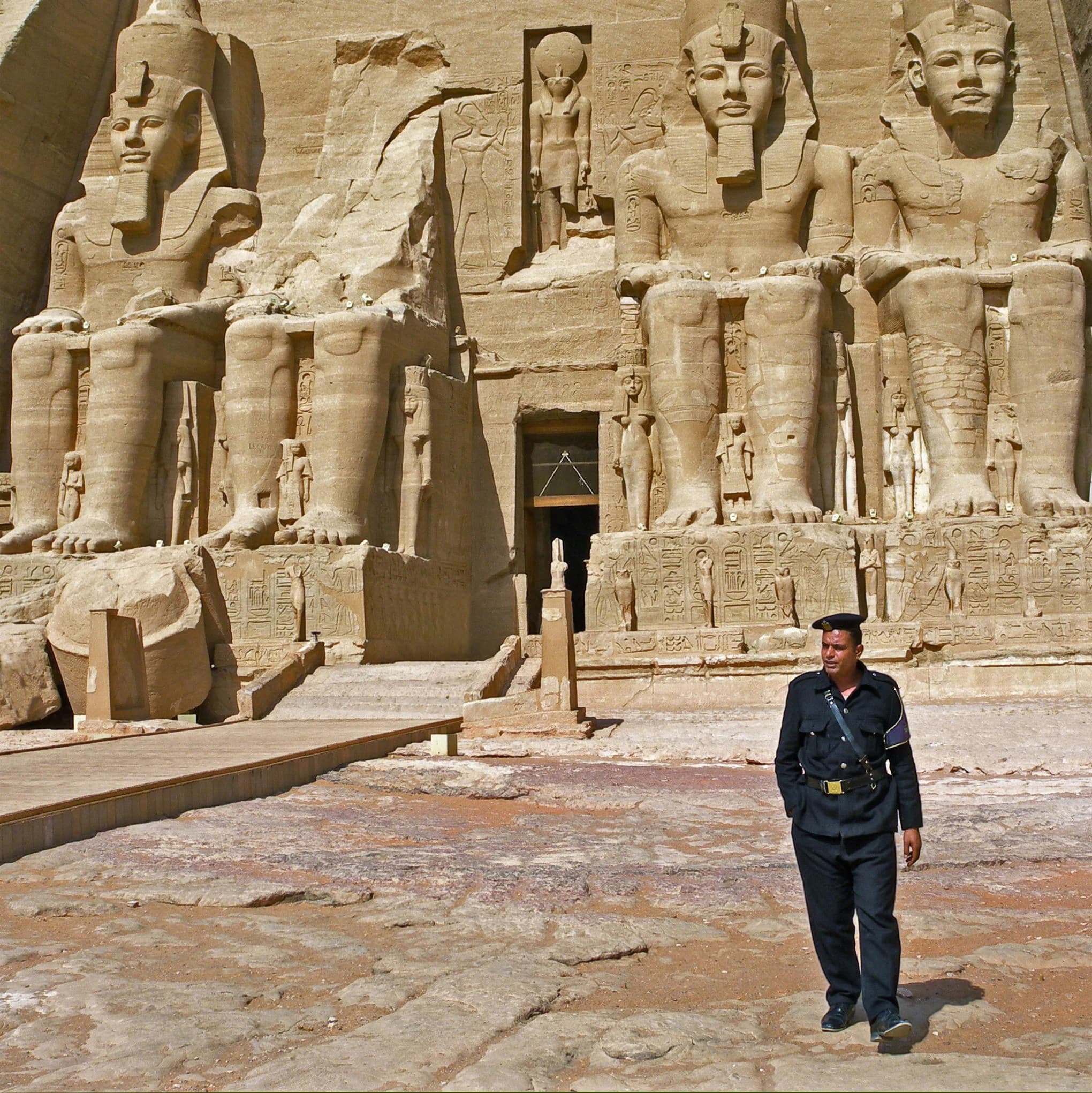
When Egypt built the Aswan High Dam in the 1960s, the rising water of Lake Nasser threatened to permanently submerge the ancient temples of Abu Simbel — so UNESCO coordinated an international effort to cut both temples into more than a thousand numbered blocks and reassemble them, stone by stone, on higher ground.
Egypt's construction of the Aswan High Dam, completed in 1970 with Soviet engineering assistance, created Lake Nasser, one of the largest reservoirs in the world, and fundamentally reshaped the region's landscape and economy by controlling the Nile's historic seasonal flooding. That same rising water threatened to permanently submerge Abu Simbel, twin rock temples built by Ramesses II around the 13th century BCE, along with numerous other ancient sites throughout Nubia.
Between 1964 and 1968, an international team coordinated by UNESCO undertook one of the most ambitious heritage rescue projects ever attempted: cutting both Abu Simbel temples into more than 1,000 numbered blocks, some weighing over 20 tons, and reassembling them on higher ground more than 60 meters above their original position, reconstructed so precisely that the temples' famous twice-yearly solar alignment, when sunlight reaches deep into the inner sanctuary, still occurs on nearly the same dates as before the move.
Philae Temple, dedicated to the goddess Isis, faced the same flooding threat and underwent a similar relocation, moved to nearby Agilkia Island and reconstructed to match the original site's layout as closely as possible, a project that ran alongside the Abu Simbel effort as part of the same broader UNESCO-led international campaign.
Aswan's population and culture carry a genuinely distinct Nubian identity, separate from the Arabic-speaking culture found further north in Egypt. Lake Nasser's creation displaced numerous Nubian villages and communities, a significant and still-discussed chapter in the region's modern history, and visiting a Nubian village on the Nile's west bank today, with its distinctively painted homes and different language, gives visitors direct exposure to a culture that predates and persists alongside mainstream Egyptian identity.
Aswan's slower pace and drier desert setting, considerably hotter and less humid than Cairo, make felucca sailing around the Nile's islands, particularly Elephantine Island, a genuinely relaxed counterpoint to the more intense temple-hopping itinerary further north in Luxor.
What a trip here actually costs
$30 / day avg.
- Budget hotel near the Nile corniche
- Shared minibus to Abu Simbel
- Casual Egyptian meals
- Felucca sail around Elephantine Island
What to do at this tier
- • Felucca sail around Elephantine Island and Aswan's Nile islands, shared boat
- • Aswan's Nubian Museum, covering the region's distinct culture and the Lake Nasser relocation history
- • Aswan souk, a market street selling spices, textiles, and crafts
$75 / day avg.
- 3-star hotel with Nile views
- Guided Abu Simbel day trip
- Sit-down Egyptian dinners
- Philae Temple entry and Nubian village visit
What to do at this tier
- • Abu Simbel day trip, viewing both relocated temples of Ramesses II and Nefertari
- • Philae Temple, also relocated to escape flooding, reached by a short boat ride to Agilkia Island
- • Guided visit to a Nubian village on the Nile's west bank
$220 / day avg.
- 4-5 star hotel or Nile cruise cabin
- Private Egyptologist guide for Abu Simbel and Philae
- Multi-course dinner cruise on the Nile
- Private felucca charter
What to do at this tier
- • Private Egyptologist-guided day covering Abu Simbel's history and relocation engineering in depth
- • Private felucca charter around Aswan's islands at sunset
- • Multi-course dinner cruise on the Nile with live entertainment
These are average estimates for planning purposes, not real-time prices — actual costs vary by season, availability, and how far ahead you book.
How to get there
Click anywhere on the world map — any airport works, not just our main hubs.
Click anywhere on the map above — any airport in the world works — to see estimated travel time and cost from there.
Times and prices are planning estimates, not live fares — always check a booking site before you commit. See the full Transport Comparison guide for the general tradeoffs of each mode.
Best time to visit
October-April avoids Aswan's extreme summer heat, among the hottest and driest stretches of the entire Nile valley, regularly exceeding 40°C (104°F) in summer.
Safety notes
Generally safe for tourists around the main sites and Nile corniche with standard precautions.
Visa & currency
Egyptian pound (EGP). Most nationalities can obtain an e-visa or visa on arrival for Egypt, worth arranging in advance rather than relying on arrival processing.
Questions people ask before visiting
Is Aswan worth visiting?
Yes — Abu Simbel's twin rock temples, relocated in one of the most ambitious heritage rescue projects in history, sit within reach of the city, and Aswan itself offers a genuinely different pace and Nubian cultural character compared to Cairo or Luxor further north.
Why were the Abu Simbel temples moved?
Egypt's construction of the Aswan High Dam in the 1960s created Lake Nasser, whose rising water threatened to permanently submerge the temples, built by Ramesses II around the 13th century BCE. Between 1964 and 1968, an international UNESCO-led team cut both temples into more than 1,000 numbered blocks and reassembled them on higher ground, an engineering and heritage preservation effort still studied as a landmark case today.
What is Nubian culture in Aswan?
The Aswan region has historically been home to Nubian communities with their own distinct language and culture, separate from Egyptian Arabic-speaking culture further north. Lake Nasser's creation displaced many Nubian villages, and visiting a Nubian village on the Nile's west bank, with its brightly painted homes, remains a common way for visitors to learn about this history directly.
How many days do you need in Aswan?
Two to three days covers Abu Simbel (typically a long day trip), Philae Temple, and a felucca sail around Aswan's islands. Aswan is commonly combined with Luxor as part of a longer Nile-focused Egypt itinerary.
Nearby destinations
 Luxor
LuxorLuxor
Egypt
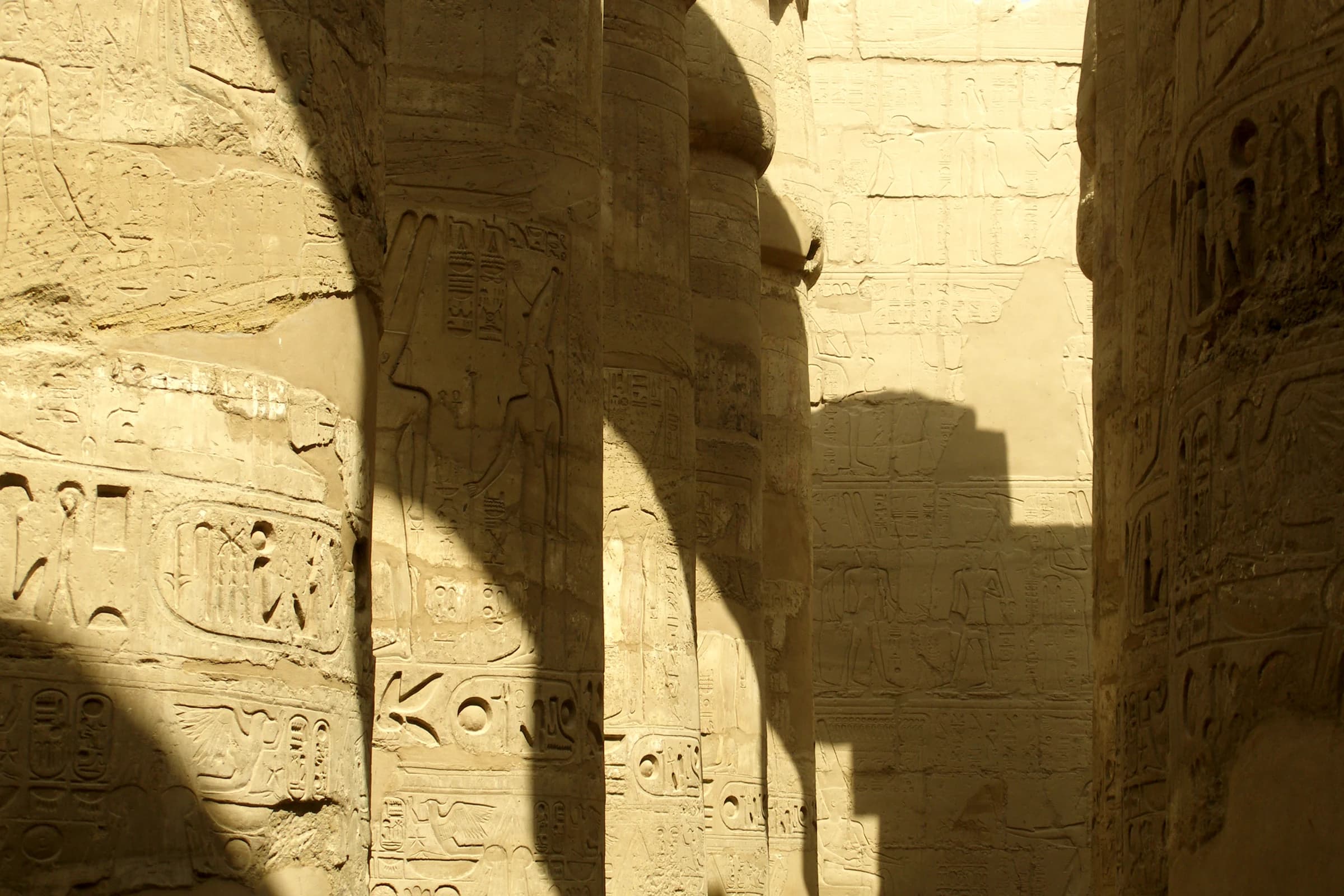
Ancient Egyptians called the site of modern Luxor 'Thebes,' and for centuries it served as the capital of a civilization that packed more temples, tombs, and monuments into this single stretch of the Nile than almost anywhere else on Earth — UNESCO lists the whole area as a single World Heritage Site rather than trying to separate it into parts.
See full guide →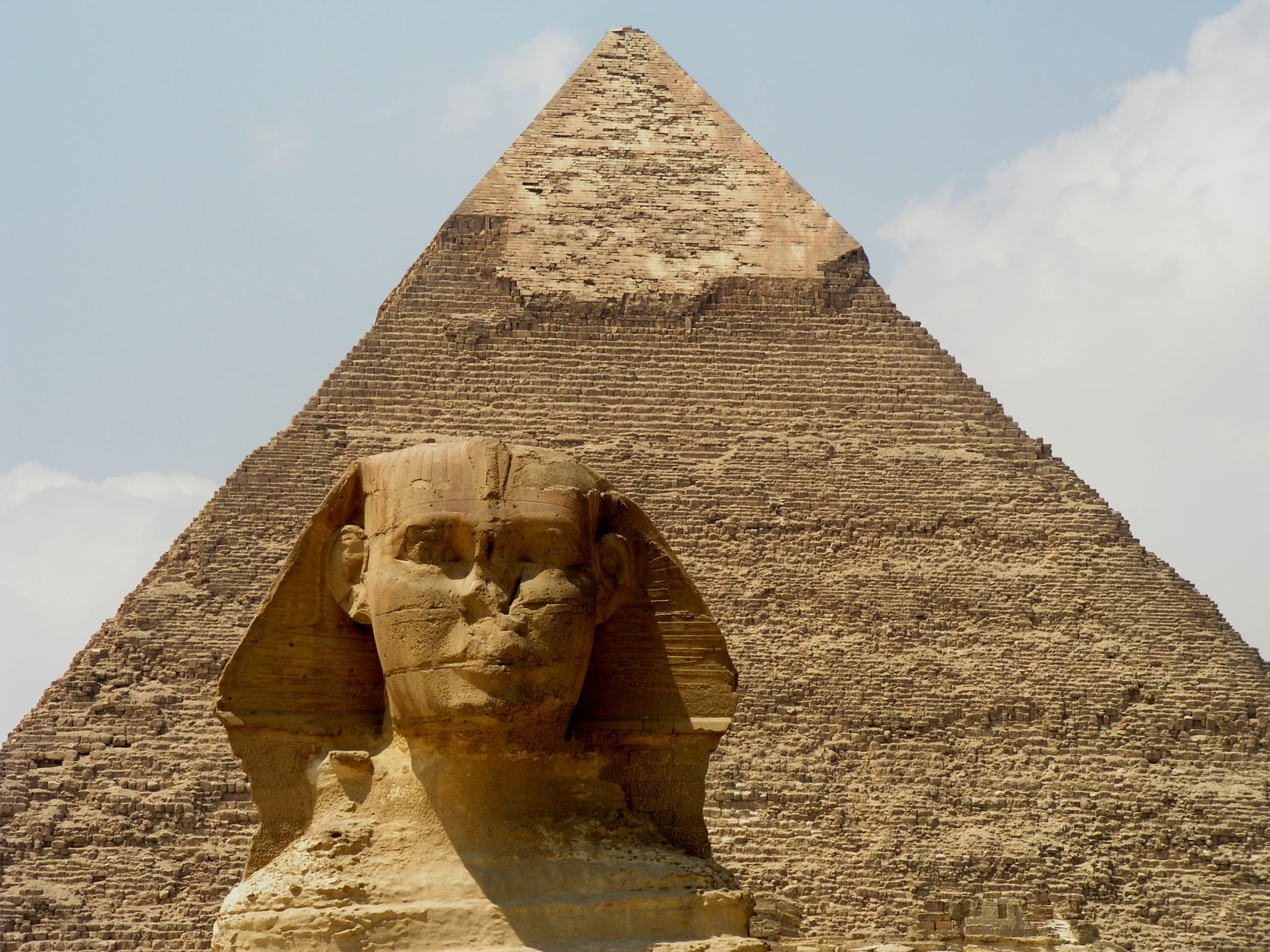 Cairo
CairoCairo
Egypt
The Great Pyramid of Giza sits close enough to Cairo that it functions almost like a city landmark rather than a remote ruin — it's the only one of the ancient world's Seven Wonders still standing, built roughly 4,500 years ago and finished more than two millennia before the Parthenon.
See full guide →Comparing more than one route? See the full transport comparison guide.