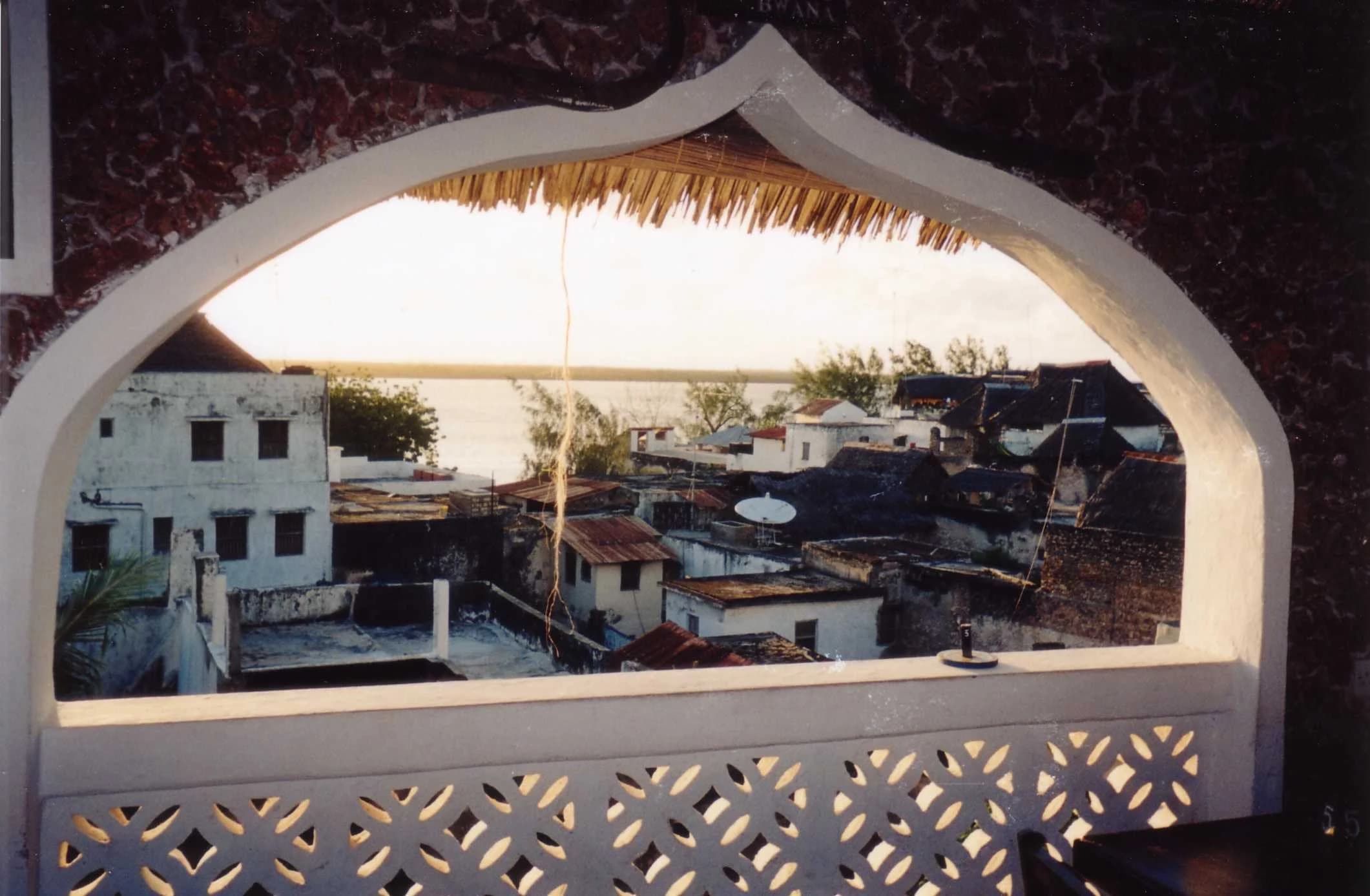
Kenya · Africa
Lamu
Lamu Old Town has no cars — donkeys still outnumber vehicles on the island by a wide margin, and Kenya's oldest continuously inhabited Swahili settlement has kept it that way for over 700 years, its narrow coral-stone streets never widened for anything wider than a loaded animal.
Lamu Old Town has no cars, and it never really has. The island's narrow coral-stone streets, laid out more than 700 years ago, were built for foot traffic and donkeys, and they've simply never been widened for anything wider, leaving donkeys as the primary mode of transport for goods and people to this day, outnumbering the handful of motorbikes and the occasional official vehicle by a wide margin.
That physical constraint turned out to be a major reason the town survived so intact. UNESCO listed Lamu Old Town as a World Heritage Site in 2001, recognizing it as the oldest and best-preserved Swahili settlement in East Africa, a title it holds partly because the absence of vehicle traffic and modern road-widening pressure left its centuries-old layout essentially undisturbed.
The town's architecture reflects layers of Indian Ocean trade history accumulated over centuries, blending Swahili, Arab, Persian, Indian, and later European influences into a genuinely distinct style. Elaborately carved wooden doors, a signature feature found throughout the old town, often combine geometric Islamic patterns with details reflecting Indian craftsmanship, a direct physical record of the trade networks that built Lamu's wealth and culture long before European colonization reached this part of the coast.
Unlike many historic sites preserved primarily for tourism, Lamu Old Town remains genuinely lived in, with residents occupying the same coral-stone houses, using the same narrow streets, and maintaining the same daily rhythms that have defined the town for generations, a lived-in texture that gives it a different feel from more museum-like historic centers elsewhere.
Shela, a smaller settlement a short walk or boat ride from Old Town, holds one of the region's best beaches, a wide, largely undeveloped stretch of sand backed by dunes, giving Lamu a genuine combination of deep cultural history and real beach relaxation within the same small island.
What a trip here actually costs
$30 / day avg.
- Guesthouse in Lamu Old Town
- Local boat fares between the island's settlements
- Casual Swahili coastal meals
- Old Town self-guided wander, free
What to do at this tier
- • Lamu Old Town wander through narrow coral-stone streets, free
- • Lamu Fort and Museum, covering the island's Swahili and Omani history
- • Local dhow harbor, watching traditional wooden sailing boats being built and repaired
$75 / day avg.
- 3-star hotel or boutique guesthouse
- Guided Old Town history tour
- Sunset dhow sailing trip
- Sit-down Swahili seafood dinners
What to do at this tier
- • Guided history tour covering Lamu's centuries of Swahili, Arab, and Indian Ocean trade influences
- • Sunset dhow sailing trip along the coastline
- • Shela Beach, a wide, quiet stretch of sand a short walk or boat ride from Old Town
These are average estimates for planning purposes, not real-time prices — actual costs vary by season, availability, and how far ahead you book.
How to get there
Click anywhere on the world map — any airport works, not just our main hubs.
Click anywhere on the map above — any airport in the world works — to see estimated travel time and cost from there.
Times and prices are planning estimates, not live fares — always check a booking site before you commit. See the full Transport Comparison guide for the general tradeoffs of each mode.
Best time to visit
July-October and December-March avoid Lamu's rainier stretches; the island stays warm and humid year-round given its coastal tropical climate.
Safety notes
Generally safe for tourists within Lamu Old Town and Shela with standard precautions; check current travel advisories for mainland areas near the Somali border further north, though this doesn't typically affect the island itself.
Visa & currency
Kenyan shilling (KES). Kenya requires an Electronic Travel Authorization (ETA) for nearly all visitors, applied for online before arrival, having replaced the previous visa system in 2024.
Questions people ask before visiting
Is Lamu worth visiting?
Yes, particularly for travelers seeking a genuinely different pace than mainland Kenya — Lamu Old Town is East Africa's oldest and best-preserved Swahili settlement, UNESCO-listed, car-free, and still functioning as a real, lived-in community rather than a museum piece.
Why doesn't Lamu Old Town have cars?
The town's narrow coral-stone streets, laid out over 700 years ago, were built for foot and donkey traffic and have simply never been widened. Donkeys remain the primary mode of transport for goods and people, and the absence of vehicles is one of the main reasons UNESCO cites for the town's exceptional preservation.
What makes Lamu's architecture distinctive?
Lamu Old Town blends Swahili, Arab, Persian, Indian, and European influences accumulated over centuries of Indian Ocean trade, visible in details like elaborately carved wooden doors, coral-stone construction, and courtyard house layouts designed for the tropical climate, all still in active daily use rather than preserved behind glass.
How many days do you need in Lamu?
Three to four days allows time to explore Old Town, take a dhow sailing trip, and relax on Shela Beach nearby. Lamu's slower pace rewards a longer, unhurried stay more than a quick day-trip visit.
Nearby destinations
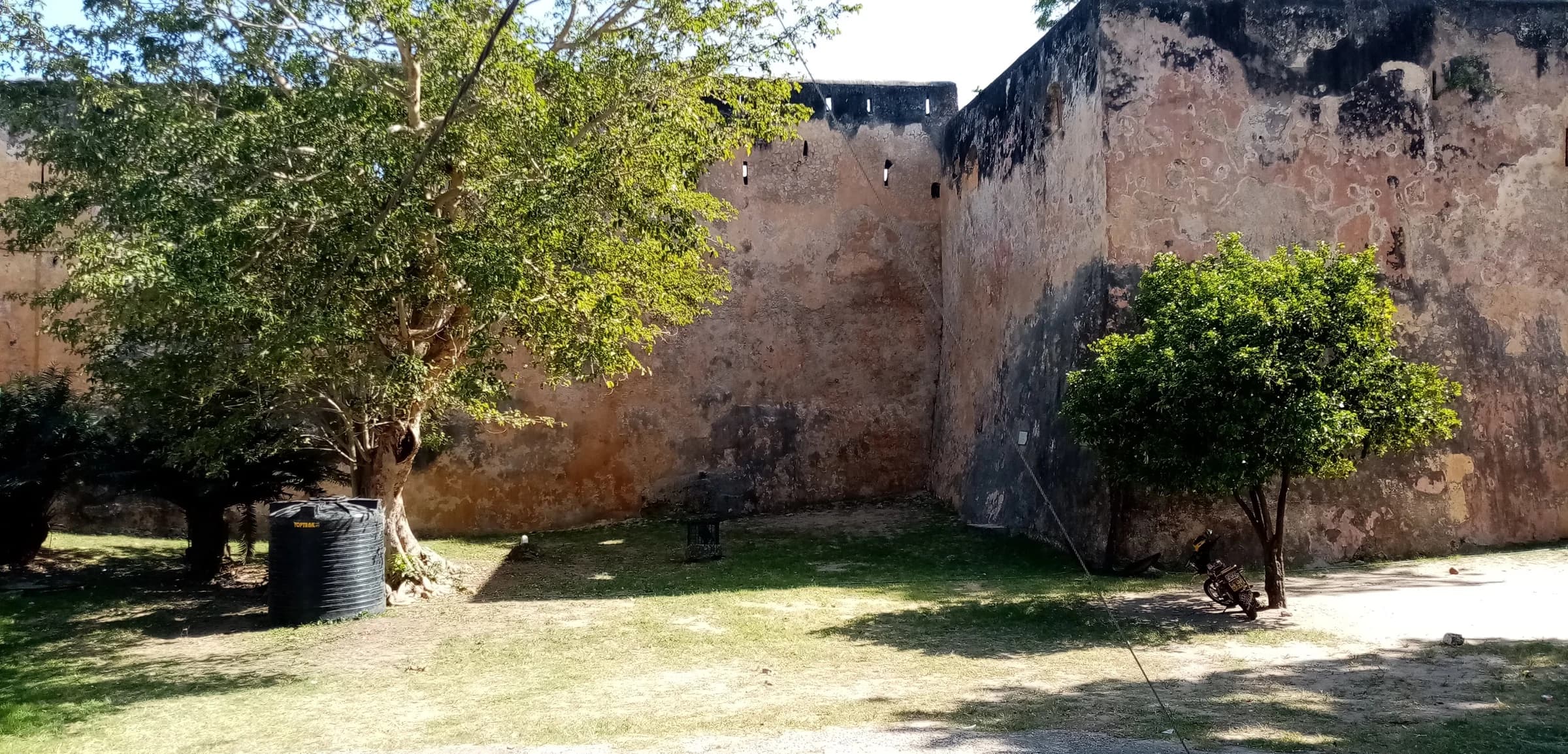 Mombasa
Mombasa
Kenya
Portugal built Fort Jesus in 1593 to control one of the Indian Ocean's most fought-over harbors, and the fort changed hands between Portuguese, Omani Arab, and British control at least nine times over the following three centuries — a genuine record of how contested Mombasa's position on the Swahili coast trading routes really was.
See full guide → Nairobi
Nairobi
Kenya
Nairobi is the only capital city in the world with a full national park inside its limits — lions, rhinos, and giraffes roam Nairobi National Park with the city's skyscrapers visible directly behind them, a juxtaposition that shows up in wildlife photography from almost nowhere else on Earth.
See full guide →Comparing more than one route? See the full transport comparison guide.