
Kenya · Africa
Nairobi
Nairobi is the only capital city in the world with a full national park inside its limits — lions, rhinos, and giraffes roam Nairobi National Park with the city's skyscrapers visible directly behind them, a juxtaposition that shows up in wildlife photography from almost nowhere else on Earth.
Nairobi holds a genuinely unusual distinction among the world's capital cities: it's the only one with a full national park inside its municipal limits. Nairobi National Park, established in 1946, sits just a few kilometers from downtown, and its lions, rhinos, giraffes, and more than 400 recorded bird species share the landscape with a skyline of office towers visible in the background, a juxtaposition that photographs well precisely because it's genuinely strange to see anywhere else.
That proximity makes Nairobi a functional base for wildlife viewing without requiring the flight or long drive most safari destinations demand. The David Sheldrick Wildlife Trust, on the park's edge, runs an elephant orphanage rescuing calves separated from their herds by poaching, drought, or human conflict, and opens a public viewing hour each day when keepers bottle-feed and walk the young elephants past visitors, a genuinely emotional stop for most people who go.
Karen, the Nairobi suburb named after Karen Blixen, the Danish author of "Out of Africa," holds her former farmhouse, now a museum preserving much of its original 1910s-era furnishing. Blixen ran a coffee farm on the property for nearly two decades before returning to Denmark, and the museum grounds and surrounding neighborhood still carry her name and something of the era's colonial-farm atmosphere.
For most travelers, though, Nairobi functions primarily as the gateway to Kenya's wider safari circuit. The Maasai Mara, Kenya's most famous reserve and the northern extension of Tanzania's Serengeti ecosystem, sits within a short flight or a longer overland drive, and Nairobi's airport handles the bulk of connections both into the reserve and onward to Zanzibar and other East African destinations.
Nairobi's elevation, roughly 1,795 meters above sea level, moderates its climate considerably despite sitting almost exactly on the equator, giving the city a genuinely mild, spring-like temperature range year-round rather than the more intense heat found at lower-elevation equatorial cities.
What a trip here actually costs
$35 / day avg.
- Guesthouse in a central or Karen-area neighborhood
- Uber and matatu fares
- Casual Kenyan meals, nyama choma and ugali
- David Sheldrick Wildlife Trust entry
What to do at this tier
- • David Sheldrick Wildlife Trust, an elephant orphanage with a public daily viewing hour, entry fee applies
- • Giraffe Centre, allowing close, hand-feeding encounters with endangered Rothschild's giraffes
- • Nairobi National Museum, covering Kenya's natural and cultural history
$90 / day avg.
- 3-star hotel near the city center
- Nairobi National Park game drive
- Sit-down dinners at Nairobi restaurants
- Karen Blixen Museum and Giraffe Centre visit
What to do at this tier
- • Nairobi National Park game drive, the only capital-city national park in the world
- • Karen Blixen Museum, the former farmhouse of the 'Out of Africa' author
- • Maasai Market, a rotating craft market for beadwork, textiles, and carvings
$260 / day avg.
- 4-5 star hotel or boutique lodge in Karen
- Private guided Nairobi National Park game drive
- Multi-course dinner at a top Nairobi restaurant
- Private tour combining Karen Blixen Museum, the Giraffe Centre, and the elephant orphanage
What to do at this tier
- • Private guided game drive through Nairobi National Park with an experienced safari guide
- • Private full-day tour combining the elephant orphanage, Giraffe Centre, and Karen Blixen Museum
- • Multi-course dinner at a leading Nairobi restaurant, often blending Kenyan ingredients with international technique
These are average estimates for planning purposes, not real-time prices — actual costs vary by season, availability, and how far ahead you book.
How to get there
Click anywhere on the world map — any airport works, not just our main hubs.
Click anywhere on the map above — any airport in the world works — to see estimated travel time and cost from there.
Times and prices are planning estimates, not live fares — always check a booking site before you commit. See the full Transport Comparison guide for the general tradeoffs of each mode.
Best time to visit
June-October and January-February bring drier weather; Nairobi's high elevation, around 1,795 meters, keeps temperatures mild and spring-like year-round despite its equatorial location.
Safety notes
Generally safe in central business, Karen, and Westlands areas with standard precautions; use arranged transport or rideshare rather than walking between sights, particularly after dark, and stay alert around crowded markets and matatu stations.
Visa & currency
Kenyan shilling (KES). Kenya requires an Electronic Travel Authorization (ETA) for nearly all visitors, applied for online before arrival, having replaced the previous visa system in 2024 — apply well ahead of the trip rather than expecting on-arrival processing.
Questions people ask before visiting
Is Nairobi worth visiting?
Yes, both as a destination in its own right and as the practical gateway to Kenya's safari circuit — Nairobi National Park puts wildlife viewing minutes from the city center, and the Karen Blixen Museum and David Sheldrick elephant orphanage add real depth beyond a pure layover stop before the Maasai Mara.
What is Nairobi National Park?
A full national park within Nairobi's city limits, home to lions, rhinos, giraffes, and over 400 bird species, with the city skyline visible from parts of the park. It's the only capital city in the world with a national park inside it, making it possible to go on a real game drive without leaving the city.
How many days do you need in Nairobi?
One to two days covers Nairobi National Park, the David Sheldrick Wildlife Trust elephant orphanage, and the Karen Blixen Museum. Most visitors treat Nairobi as a short stop before flying or driving on to the Maasai Mara or other safari destinations.
Is Nairobi safe to visit?
Generally safe within the main tourist and business areas with standard precautions; certain parts of the city have real crime concerns, so most visitors use arranged transport or rideshare rather than walking between sights, particularly after dark.
Nearby destinations
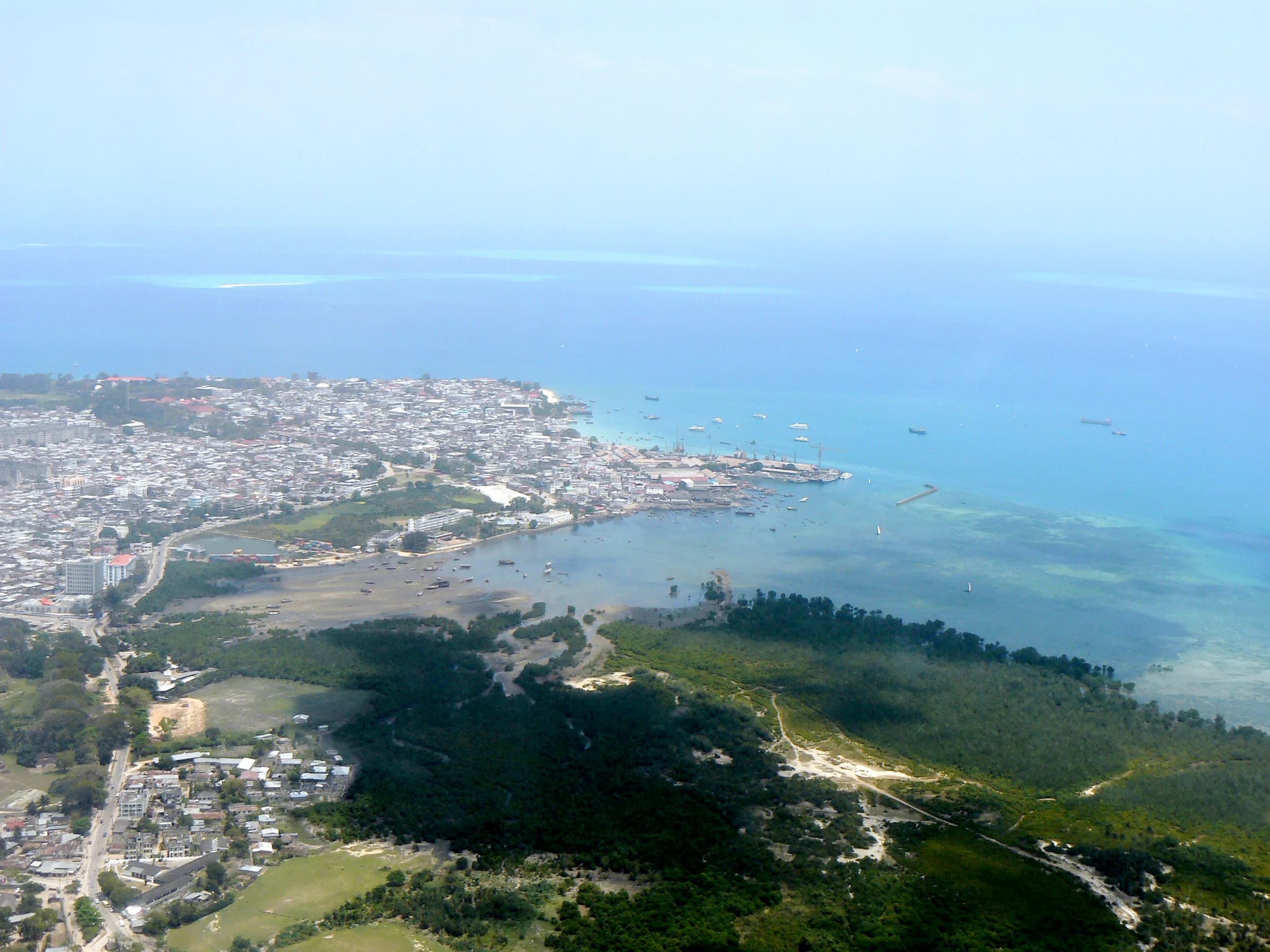 Zanzibar
Zanzibar
Tanzania
Freddie Mercury was born in Zanzibar's Stone Town in 1946, in a house still standing a short walk from the old slave market, a single block of the city holding both a global music legend's birthplace and one of the most sobering chapters of the Indian Ocean slave trade.
See full guide →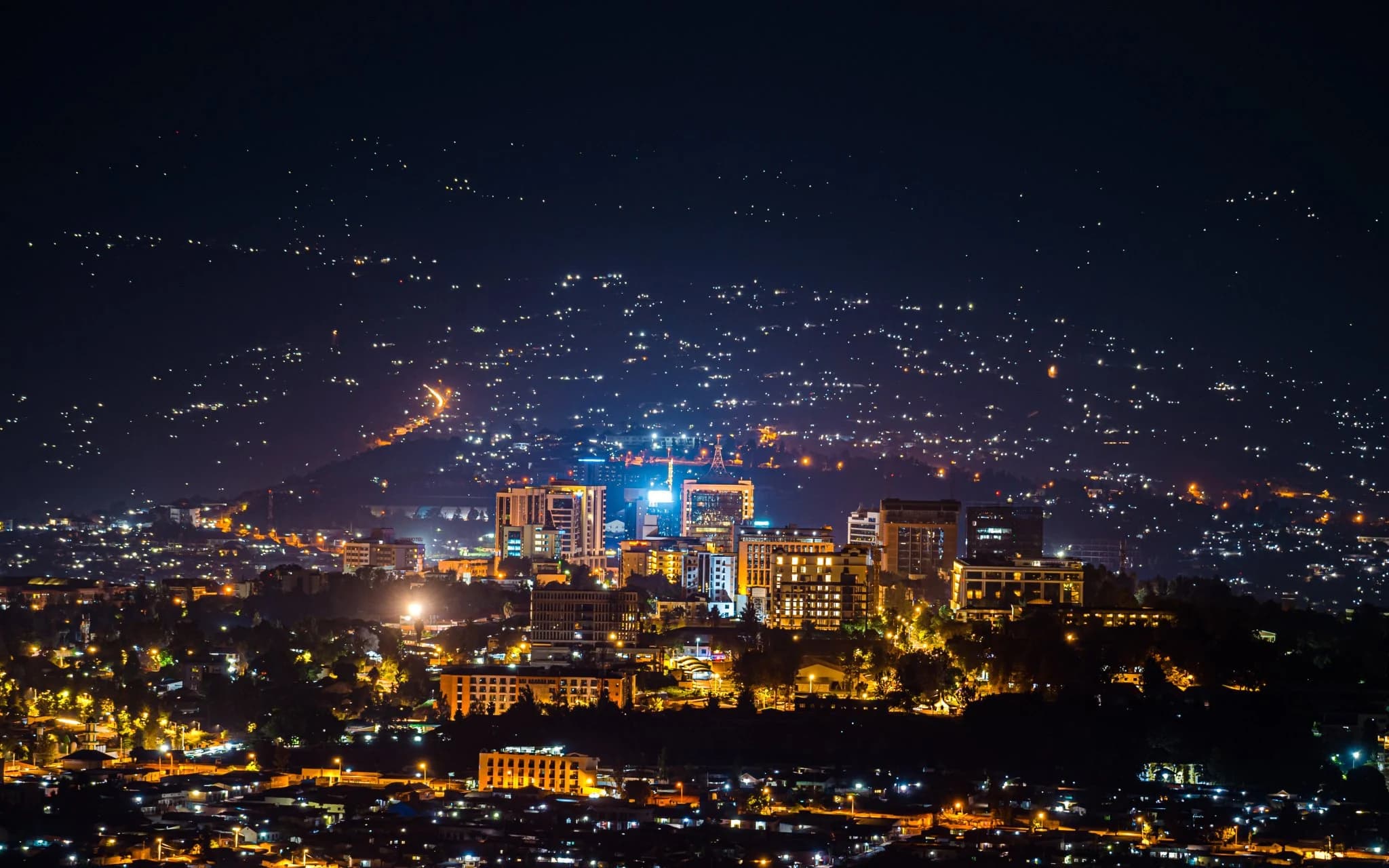 Kigali
Kigali
Rwanda
Rwanda banned plastic bags nationwide in 2008, well before most of the world took the idea seriously, and Kigali backs it up with a mandatory nationwide cleanup on the last Saturday of every month — the result is regularly cited as one of the cleanest capital cities anywhere in Africa.
See full guide →Comparing more than one route? See the full transport comparison guide.