Chad · Africa
Zakouma National Park
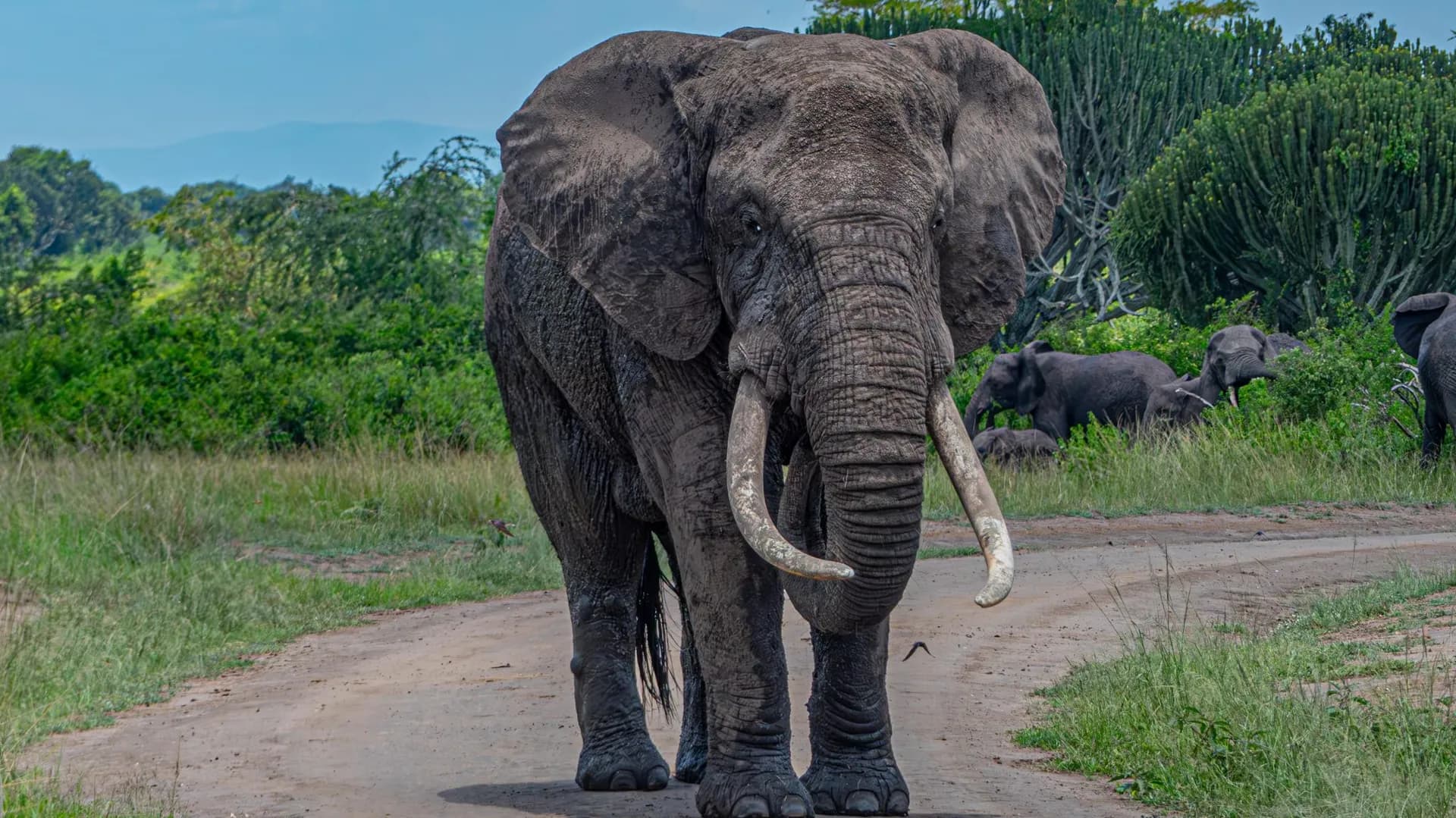
Zakouma's elephant population was poached down to roughly 450 animals by 2010, losing 90 percent of its herd in under a decade — and then, under a new management partnership, it recorded zero elephants poached for six straight years, one of conservation's more genuine turnaround stories.
Zakouma's recent history reads like two entirely different stories about the same place. Between 2002 and 2010, ivory poaching, driven substantially by armed groups crossing the border from Sudan's Darfur conflict, cut the park's elephant population from roughly 4,000 down to around 450, a 90 percent collapse in under a decade that ranked among the worst documented elephant poaching crises anywhere on the continent.
In 2010, African Parks, a conservation organization that partners with governments to manage protected areas, took over Zakouma's operations, rebuilding ranger training, aerial surveillance, and community engagement programs from close to nothing. The reversal that followed became one of conservation's more genuinely cited turnaround stories: Zakouma subsequently went six consecutive years without a single elephant lost to poachers, and the herd has since grown back to over 600 animals, still cautious and tightly bunched from the trauma of the earlier decade, but recovering.
That recovery extends beyond elephants. Zakouma holds significant populations of Kordofan giraffe, a subspecies increasingly rare elsewhere in its range, alongside buffalo, lion, and seasonal water bird congregations that can number in the tens of thousands during the dry season, when the park's remaining water sources concentrate wildlife into dense, highly visible groups, a dry-season effect that makes for some of the most reliable game viewing anywhere in Central Africa during the right window.
Getting to Zakouma requires accepting that this is not casual travel. Charter flights run directly from N'Djamena, Chad's capital, to an airstrip inside the park during the tourist season, and visits happen exclusively through organized safari camps rather than independent logistics. It's worth being direct about the wider context too: Chad's border regions, particularly near Libya, Sudan, and the Lake Chad Basin, carry genuine security concerns unrelated to Zakouma itself, and a park visit doesn't typically involve travel through those areas.
For safari travelers who've already covered East and Southern Africa's more established circuits, Zakouma offers something increasingly rare: a reserve with a documented, ongoing recovery story, wildlife densities that rival better-known parks, and a level of visitor traffic low enough that a single camp might be the only tourism infrastructure for a considerable distance in any direction.
What a trip here actually costs
$650 / day avg.
- Full-board tented safari camp inside the park
- Charter flight from N'Djamena
- Twice-daily guided game drives
- Park conservation fees
What to do at this tier
- • Guided game drives tracking Zakouma's recovering elephant herds
- • Kordofan giraffe and lion viewing on the Tinga floodplain
- • Seasonal water bird congregations, tens of thousands of birds at once
These are average estimates for planning purposes, not real-time prices — actual costs vary by season, availability, and how far ahead you book.
How to get there
Click anywhere on the world map — any airport works, not just our main hubs.
Click anywhere on the map above — any airport in the world works — to see estimated travel time and cost from there.
Times and prices are planning estimates, not live fares — always check a booking site before you commit. See the full Transport Comparison guide for the general tradeoffs of each mode.
Best time to visit
January-March, within the dry season running roughly December-April, offers the best wildlife viewing as animals concentrate around remaining water sources; the park closes entirely during the wet season.
Safety notes
Zakouma itself has an established security record under dedicated park protection; the wider region requires checking current government travel advisories, and independent travel outside organized safari logistics is not standard practice here.
Visa & currency
Central African CFA franc (XAF). Most nationalities require a visa in advance; safari operators typically assist with arrangements given the specialized nature of travel to Chad.
Questions people ask before visiting
Is Chad safe to visit?
Zakouma National Park, in southeastern Chad, operates under dedicated park security and has an established safety record for organized safari visits. The wider country, particularly border regions near Libya, Sudan, and the Lake Chad Basin, carries more serious security concerns; travel outside the park is not part of a standard Zakouma visit and should follow current government advisories.
What happened to Zakouma's elephants?
Ivory poaching, driven largely by armed groups crossing from Sudan, reduced Zakouma's elephant population from roughly 4,000 in 2002 to around 450 by 2010, a 90 percent collapse in under a decade. African Parks took over management in 2010, and the reserve subsequently went six consecutive years without a single elephant poached.
How do you get to Zakouma National Park?
Charter flights connect Chad's capital, N'Djamena, directly to an airstrip within the park during the dry season tourist window, typically December through April. The park is not accessible for independent overland travel and is visited exclusively through organized safari operators.
What wildlife can you see in Zakouma?
Beyond its recovering elephant herds, now numbering over 600, Zakouma holds large concentrations of Kordofan giraffe, buffalo, lion, and one of the last significant populations of the endangered black rhino-adjacent species native to the region, alongside seasonal congregations of water birds in the tens of thousands.
Nearby destinations
 Libreville
Libreville
Gabon
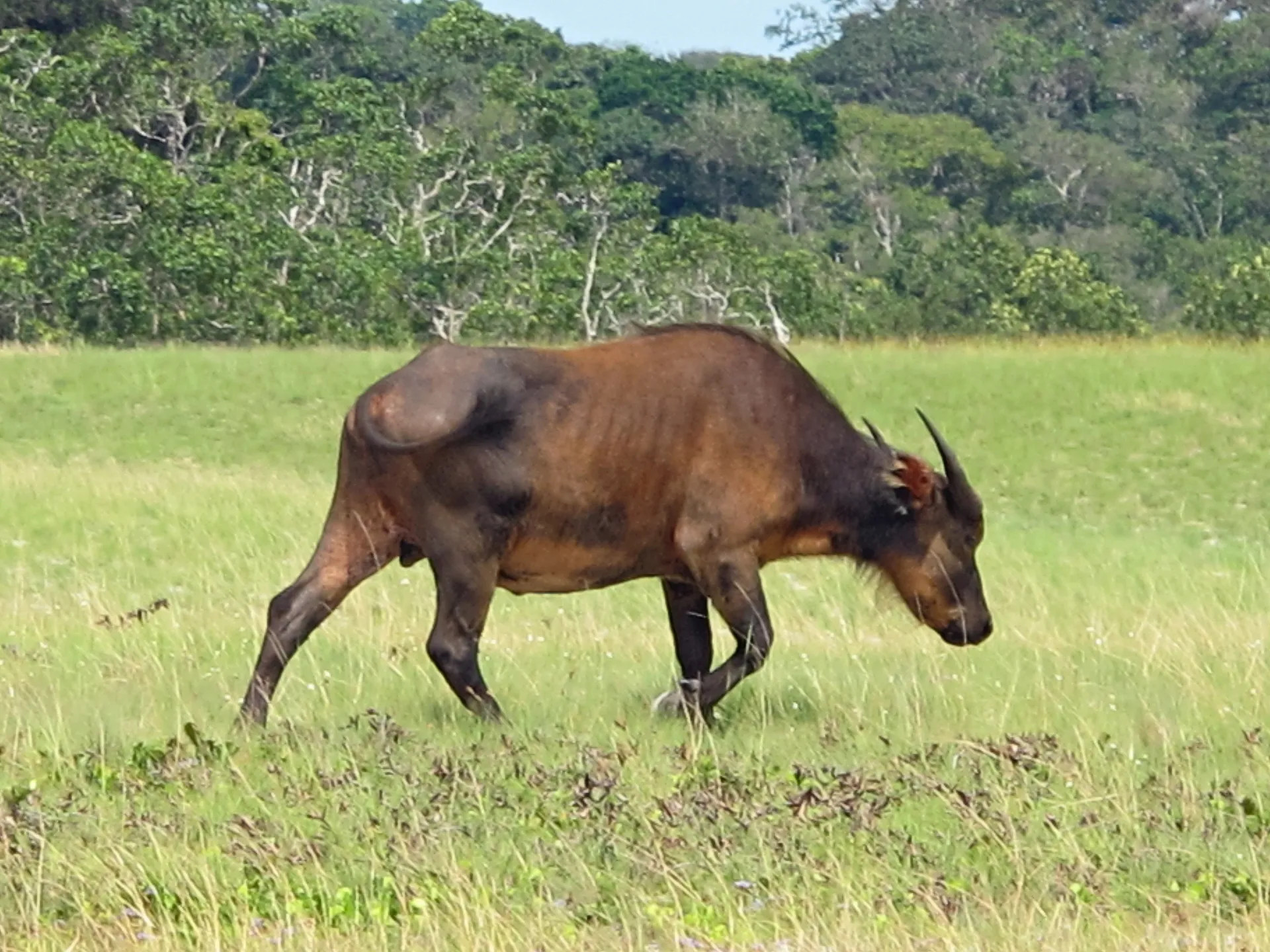
Gabon has kept roughly 88 percent of its land under forest cover, more than almost any other country on Earth, and just south of its capital, Loango National Park is the only place documented where surfers occasionally share the break with wild hippos.
See full guide →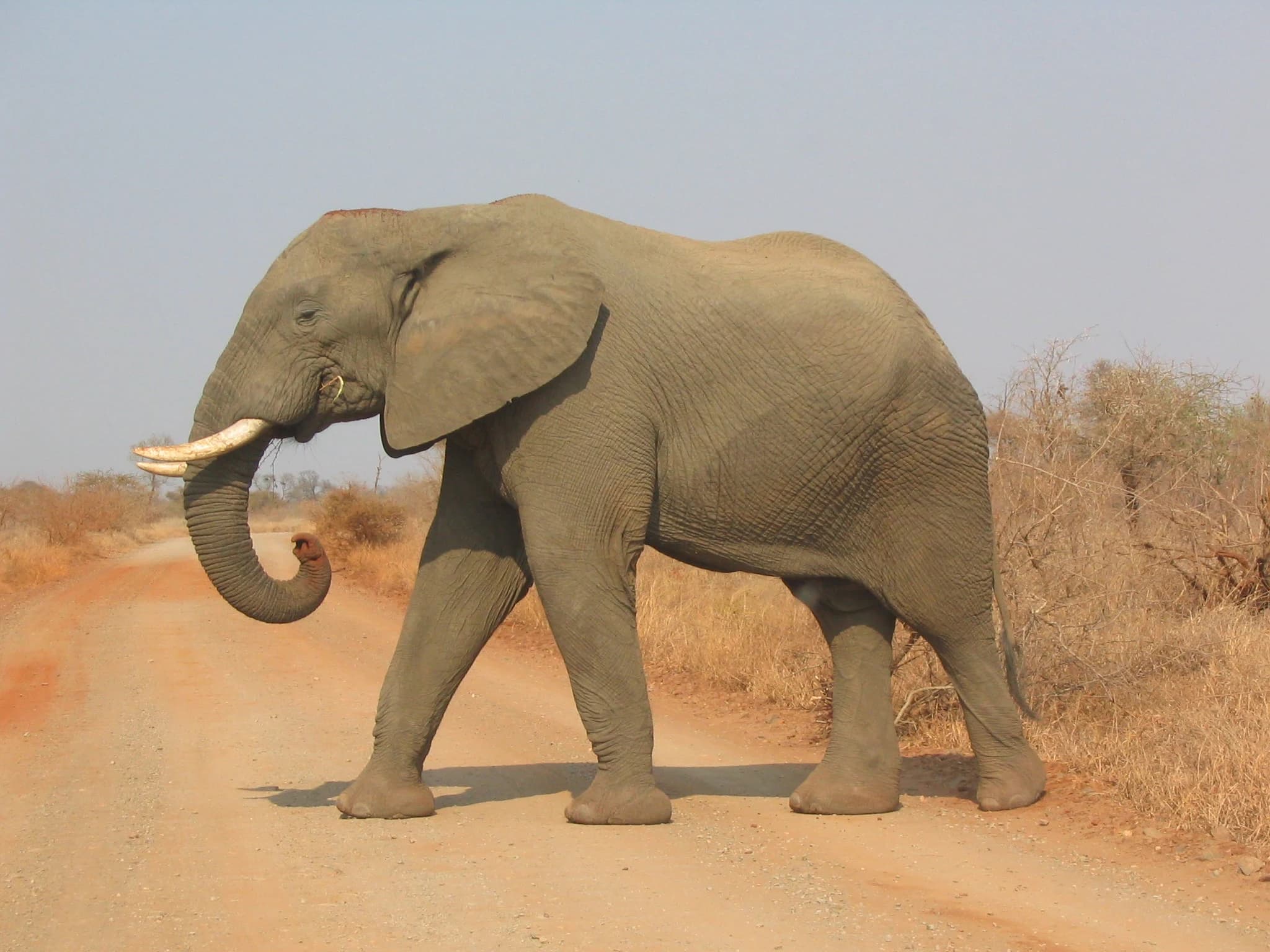 Kruger National Park
Kruger National Park
South Africa
Kruger covers roughly 19,000 square kilometers, an area larger than Wales, and unlike most of Africa's major safari destinations, it's genuinely set up for visitors to drive themselves — a paved and gravel road network lets you self-drive a real Big Five safari without ever booking a guide.
See full guide →Comparing more than one route? See the full transport comparison guide.