Uganda · Africa
Bwindi Impenetrable Forest
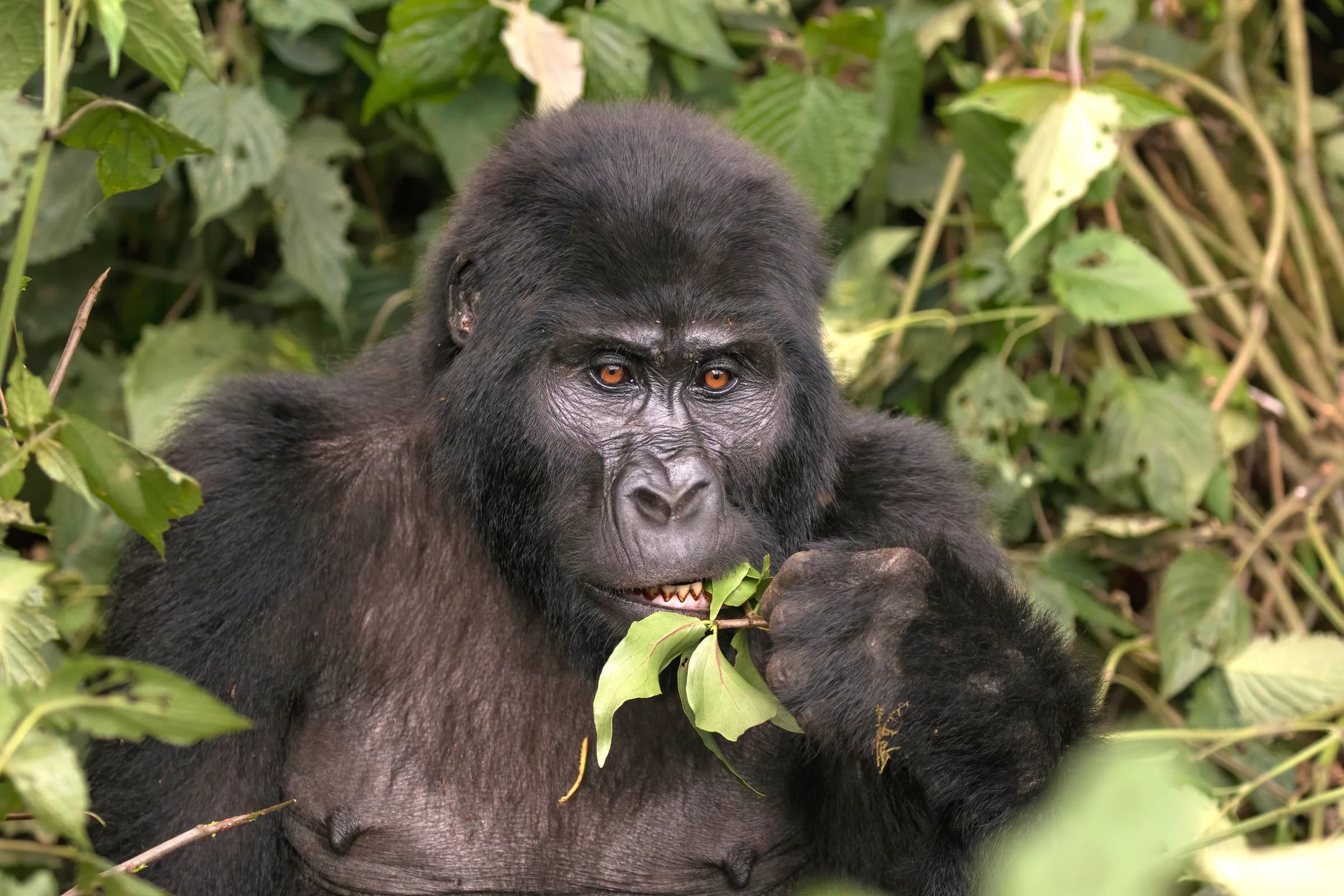
Bwindi's name isn't marketing exaggeration — this ancient rainforest is genuinely one of the densest, most tangled forests in Africa, and it's exactly that density, largely untouched since before the last Ice Age, that's let it become home to roughly half of the world's remaining wild mountain gorillas.
Bwindi's name is not marketing exaggeration. This ancient rainforest, one of the oldest and most biodiverse in Africa, genuinely lives up to "Impenetrable," a landscape of steep ridges, tangled undergrowth, and dense canopy that has remained largely undisturbed since before the last Ice Age, a continuity that's let an extraordinary range of plant and animal life accumulate here over an almost unimaginable span of time.
That same density and age are exactly why Bwindi now holds roughly half of the entire world's remaining wild mountain gorilla population, spread across several habituated family groups that guided treks visit daily. Mountain gorillas exist only in this forest and the neighboring Virunga Mountains spanning Rwanda, Uganda, and the Democratic Republic of Congo, nowhere else on Earth, making Bwindi one of a genuinely small handful of places where this specific encounter is possible at all.
Permits here run roughly $700-800 per person as of recent years, a real expense but notably less than the approximately $1,500 charged for the equivalent trek in Rwanda's Volcanoes National Park, even though both parks offer access to the same broader gorilla population and comparably close, carefully managed encounters with habituated family groups.
The trekking itself is genuinely demanding in a way that surprises some visitors who expect a casual nature walk. Depending on where the assigned gorilla family happens to be on a given day, a trek can run anywhere from a couple of hours to most of a full day, through steep, often muddy terrain without established trails, hacked through on the spot by trackers using machetes where needed. Reasonable fitness matters more for this experience than for most other African wildlife encounters.
UNESCO listed Bwindi as a World Heritage Site in 1994, recognizing both its exceptional biodiversity, including over 400 plant species and roughly half of the world's remaining mountain gorilla population, and the broader conservation significance of protecting one of the continent's few remaining large tracts of ancient, essentially undisturbed rainforest.
What a trip here actually costs
$550 / day avg.
- Lodge accommodation near the park, full board
- One gorilla trekking permit and guided trek
- Park entrance and conservation fees
- Transfer from Kampala or a nearby airstrip
What to do at this tier
- • Guided mountain gorilla trek, tracking a habituated family through the forest, permit cost separate and substantial
- • Guided forest nature walk, covering Bwindi's exceptional plant and bird diversity without the gorilla permit
- • Batwa cultural visit, learning about the indigenous forest community historically displaced when the park was formally protected
These are average estimates for planning purposes, not real-time prices — actual costs vary by season, availability, and how far ahead you book.
How to get there
Click anywhere on the world map — any airport works, not just our main hubs.
Click anywhere on the map above — any airport in the world works — to see estimated travel time and cost from there.
Times and prices are planning estimates, not live fares — always check a booking site before you commit. See the full Transport Comparison guide for the general tradeoffs of each mode.
Best time to visit
June-August and December-February are Uganda's drier stretches, generally offering somewhat easier trekking conditions, though gorilla trekking happens year-round regardless of season.
Safety notes
Trekking terrain is genuinely demanding and can involve real physical exertion at altitude, so honest fitness self-assessment matters; always follow your guide and ranger's instructions closely around the gorillas themselves.
Visa & currency
Ugandan shilling (UGX), though permit and lodge costs are quoted and paid in US dollars. Most nationalities need a visa, available as an e-visa applied for online before arrival — apply well ahead of the trip and book permits months in advance given limited daily availability.
Questions people ask before visiting
Is Bwindi Impenetrable Forest worth visiting?
Yes, if seeing wild mountain gorillas is a priority — Bwindi holds roughly half of the world's remaining wild mountain gorilla population within one of Africa's oldest and most biodiverse rainforests, and trekking permits, while expensive, cost meaningfully less than the equivalent experience in neighboring Rwanda.
How much does gorilla trekking cost in Bwindi?
Permits run roughly $700-800 per person as of recent years, notably less than Rwanda's approximately $1,500 for the same essential experience, though both give access to habituated gorilla families within the same broader Virunga-Bwindi ecosystem.
How hard is gorilla trekking in Bwindi?
Genuinely demanding — the forest's name reflects real, dense terrain, and treks can range from a couple of hours to most of a day depending on where the assigned gorilla family is located that day, involving steep, muddy, and often trail-less hiking through thick vegetation. A reasonable level of fitness matters more here than in most other African wildlife experiences.
How many days do you need at Bwindi?
Two to three days allows one gorilla trek plus a buffer day in case weather or logistics affect the schedule, along with time for a forest walk or golden monkey trekking in the same broader region. Most visitors combine Bwindi with a few days in Kampala or elsewhere in Uganda given the flight and drive time involved in reaching the park.
Nearby destinations
 Kampala
Kampala
Uganda
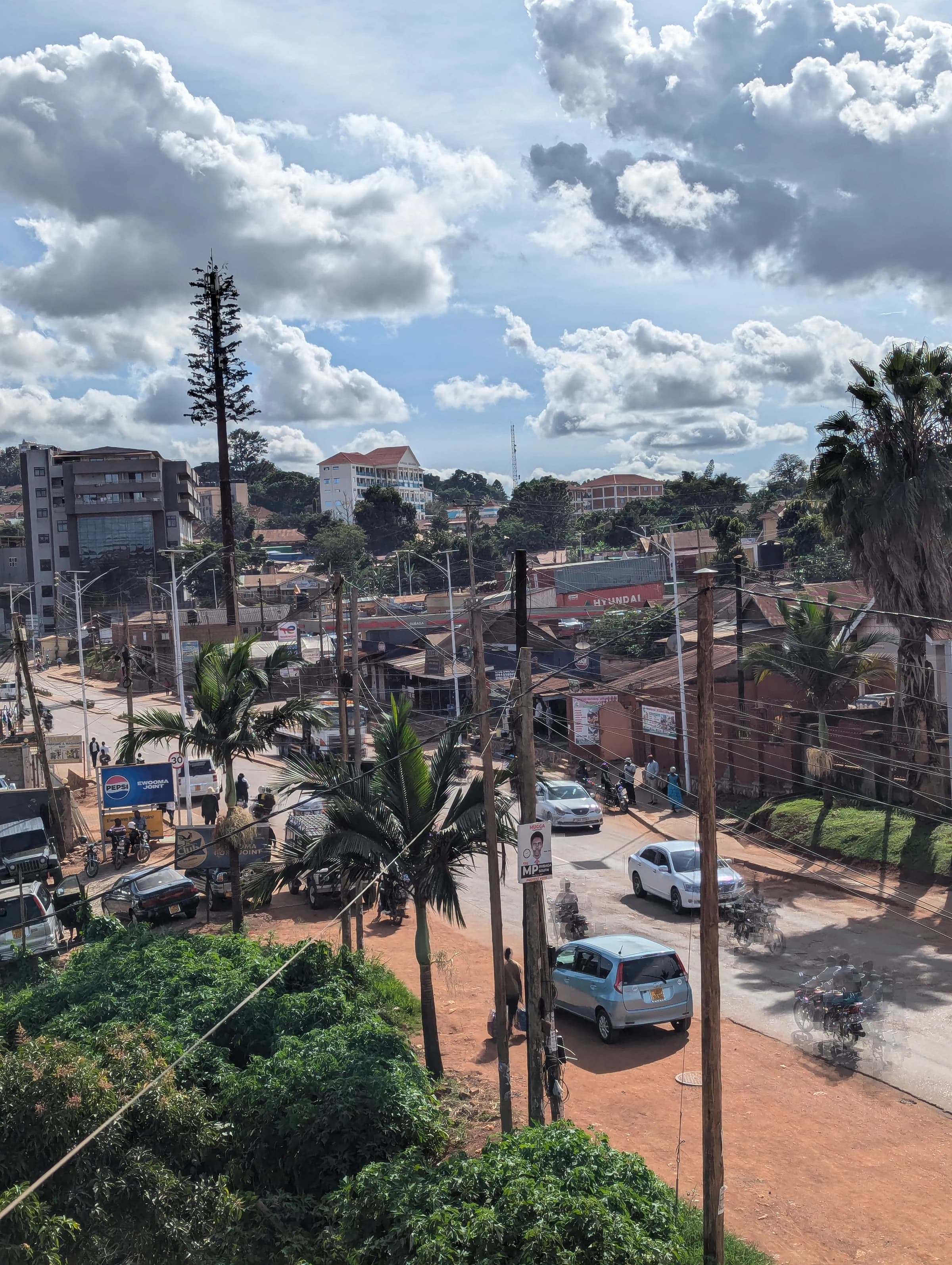
Winston Churchill nicknamed Uganda the 'Pearl of Africa' after visiting in 1908, and Kampala, built across seven hills much like Rome, still functions as the practical gateway to the country's biggest draw: mountain gorilla trekking permits that cost roughly half what neighboring Rwanda charges for essentially the same encounter.
See full guide →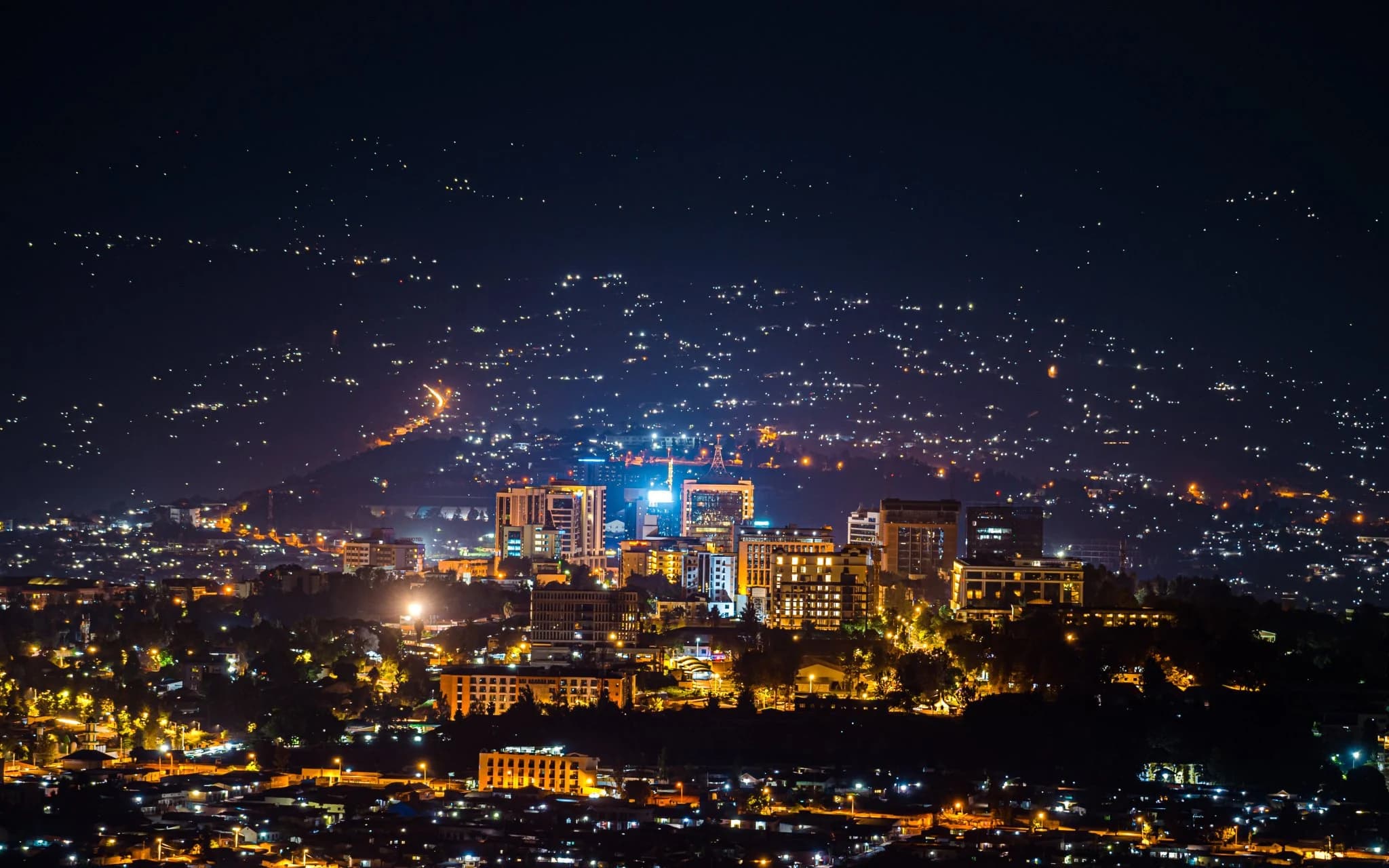 Kigali
Kigali
Rwanda
Rwanda banned plastic bags nationwide in 2008, well before most of the world took the idea seriously, and Kigali backs it up with a mandatory nationwide cleanup on the last Saturday of every month — the result is regularly cited as one of the cleanest capital cities anywhere in Africa.
See full guide →Comparing more than one route? See the full transport comparison guide.