Madagascar · Africa
Nosy Be
Nosy Be translates simply to 'big island' in Malagasy, an understatement for a place that produces most of the world's supply of ylang-ylang for perfume and sits beside Nosy Tanikely, a marine reserve where whale sharks pass close enough to shore to snorkel with.
Nosy Be's name undersells itself. It translates from Malagasy simply as "big island," a plain, functional label for what's actually become Madagascar's most developed and internationally accessible beach destination, a genuine counterpoint to the deep-interior lemur reserves and remote baobab roads that define most of the mainland's tourism identity.
Much of that development traces back to a specific crop. Nosy Be's volcanic soil and climate have made it one of the world's significant sources of ylang-ylang, the fragrant flower whose distilled oil anchors countless high-end perfumes, alongside vanilla, cocoa, and ginger cultivated across the island's small plantations. Distillery visits give visitors a direct look at a process, flowers reduced to essential oil through hours of careful steam distillation, that most people encounter only as a listed ingredient on a perfume bottle.
The island's underwater draw centers on Nosy Tanikely, a marine reserve a short boat ride offshore, where clear water and protected reef make for some of Madagascar's most reliable snorkeling. Between roughly October and December, whale sharks congregate in the surrounding waters to feed on seasonal plankton blooms, drawing dedicated snorkeling trips that let visitors swim alongside the ocean's largest fish species in relatively shallow, accessible water.
Beyond the marine life, Lemuria Land, a private reserve on the island, offers an easy introduction to several lemur species without requiring the more extensive travel that mainland reserves like Andasibe-Mantadia demand, useful for visitors combining a beach-focused trip with at least some of Madagascar's signature wildlife.
Reaching Nosy Be has grown considerably easier in recent years, domestic flights from the capital Antananarivo run under two hours, and a growing number of direct charter flights connect from Europe during peak season, a level of accessibility that sets it apart from most of Madagascar's harder-to-reach interior. For travelers wanting the island's wildlife credentials without the interior's more demanding overland logistics, Nosy Be offers a genuinely well-balanced version of both.
What a trip here actually costs
$140 / day avg.
- Beachfront hotel or guesthouse
- Local driver or scooter rental
- Restaurant meals
- Nosy Tanikely marine reserve snorkeling trip
What to do at this tier
- • Nosy Tanikely marine reserve snorkeling
- • Ylang-ylang distillery tour
- • Lemuria Land private reserve, lemur viewing
$380 / day avg.
- Upscale beach resort
- Private boat charters
- Full-board fine dining
- Private whale shark or dolphin snorkeling excursion
What to do at this tier
- • Private whale shark snorkeling charter, October-December season
- • Multi-island boat-hopping day trip
- • Sunset dinner cruise around the island
These are average estimates for planning purposes, not real-time prices — actual costs vary by season, availability, and how far ahead you book.
How to get there
Click anywhere on the world map — any airport works, not just our main hubs.
Click anywhere on the map above — any airport in the world works — to see estimated travel time and cost from there.
Times and prices are planning estimates, not live fares — always check a booking site before you commit. See the full Transport Comparison guide for the general tradeoffs of each mode.
Best time to visit
May-November avoids cyclone season and offers the most reliable dry conditions; October-December specifically adds whale shark season for anyone prioritizing that.
Safety notes
Generally safe and well-established for tourism, the most developed part of Madagascar for beach travel; standard precautions apply as with any resort island.
Visa & currency
Malagasy ariary (MGA). Most nationalities can obtain a visa on arrival or e-visa for tourism stays; confirm current requirements before booking.
Questions people ask before visiting
Is Nosy Be worth visiting?
Yes, particularly for travelers wanting to combine Madagascar's wildlife with genuine beach time — Nosy Be holds the country's most developed island tourism infrastructure, whale shark snorkeling season, and ylang-ylang plantations that produce a significant share of the world's perfume-grade oil.
When can you see whale sharks at Nosy Be?
Whale sharks congregate near Nosy Tanikely and the surrounding waters roughly October through December, feeding on seasonal plankton blooms, making this window the most reliable time to book a dedicated whale shark snorkeling trip.
How do you get to Nosy Be?
Fascene Airport receives direct domestic flights from the capital Antananarivo, roughly 90 minutes, along with a growing number of direct international charter flights from Europe during peak season, making it one of the more accessible parts of Madagascar to reach.
What is Nosy Be known for producing?
Ylang-ylang, ginger, vanilla, and cocoa, cultivated across small plantations on the island. Ylang-ylang in particular has earned Nosy Be a reputation as one of the world's key sources of the flower oil used in high-end perfumery.
Nearby destinations
 Madagascar
Madagascar
Madagascar
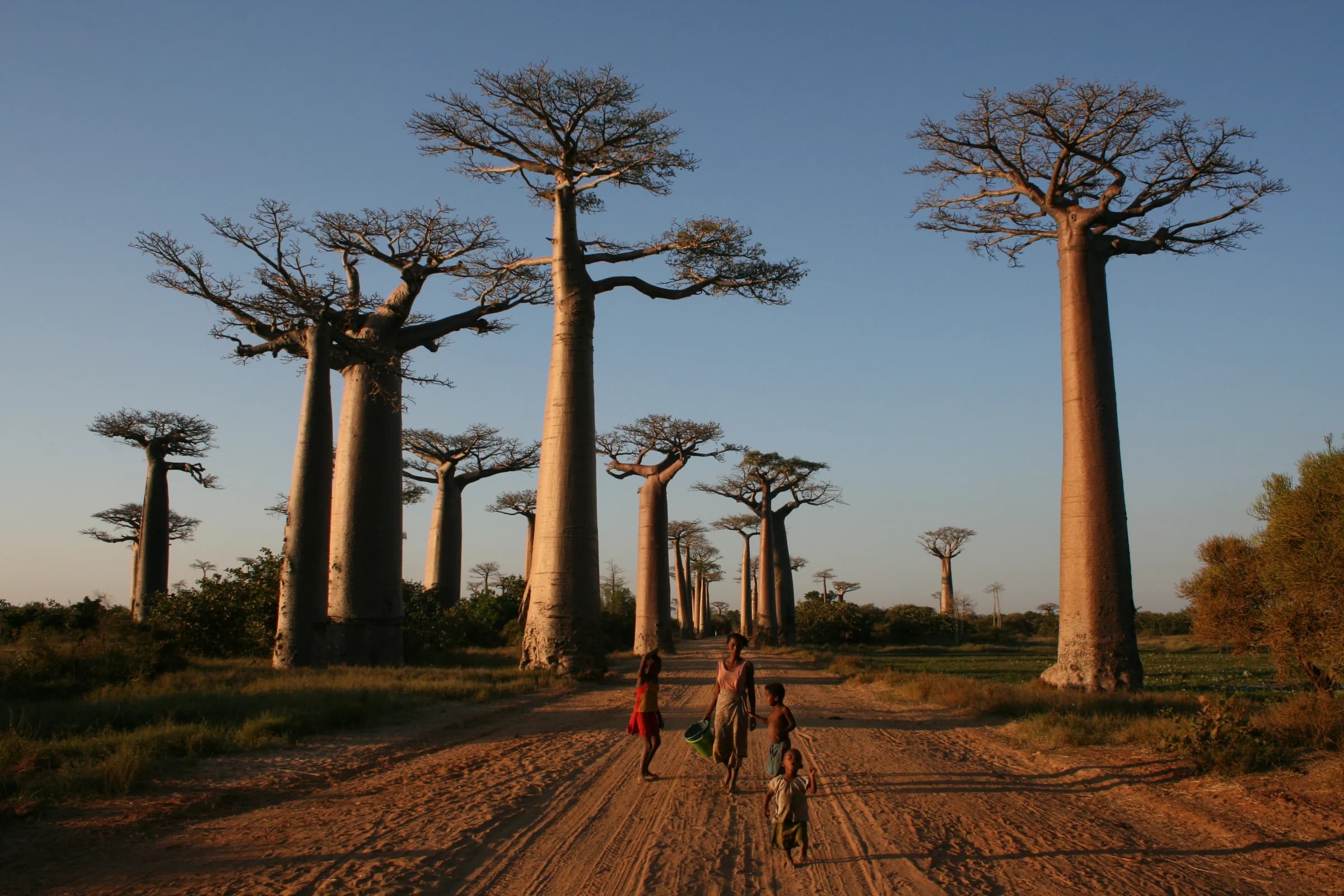
Madagascar split away from mainland Africa roughly 160 million years ago, long enough ago that around 90 percent of its wildlife, including every single species of lemur, evolved in isolation and exists nowhere else on Earth.
See full guide →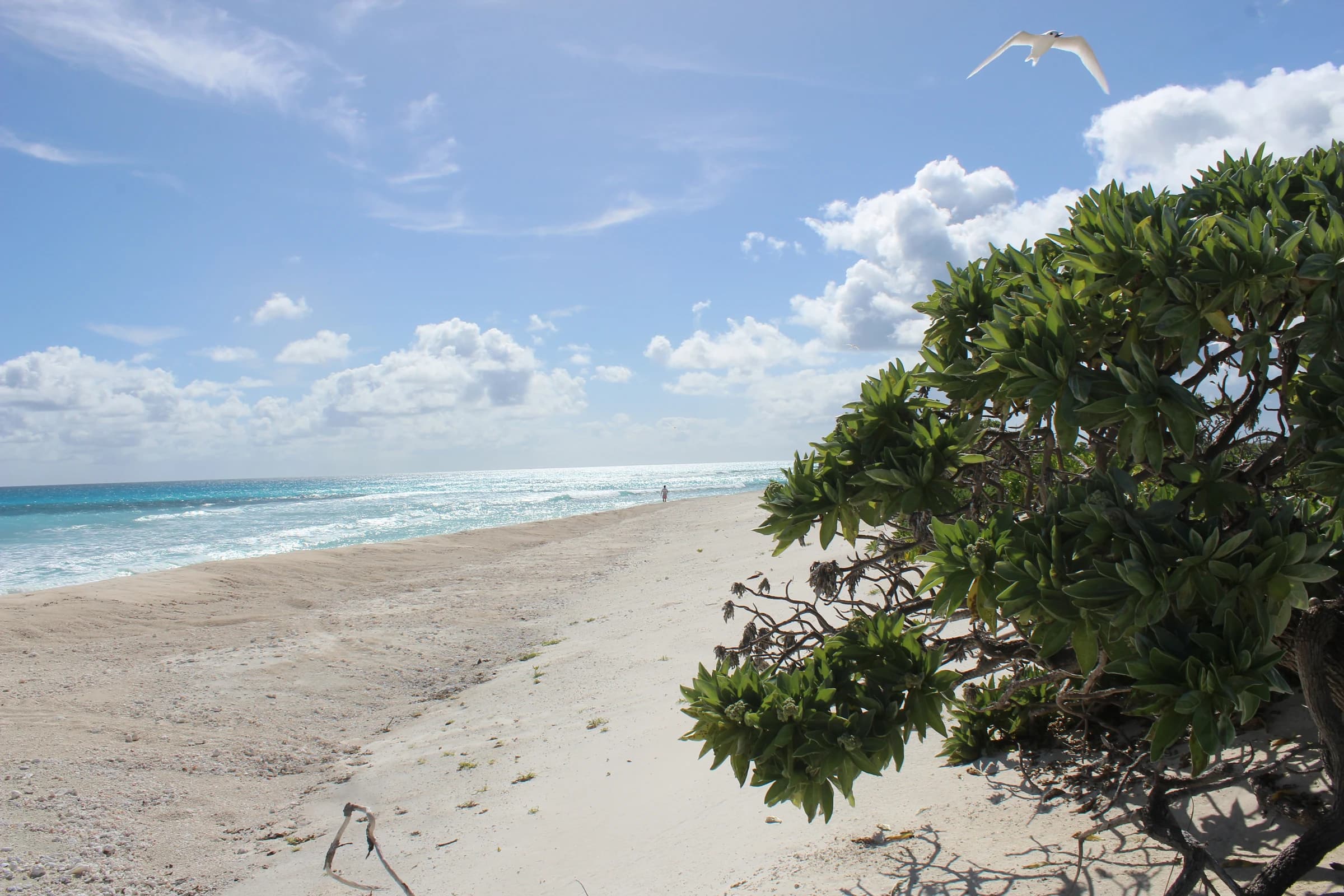 Mauritius
Mauritius
Mauritius
The dodo lived nowhere on Earth except Mauritius, and nowhere else on Earth ever will again — the flightless bird went extinct within a century of the island's first permanent settlement, and it's now more famous globally as a symbol of extinction itself than most people realize it was ever a real, living animal from this one specific island.
See full guide → Moroni
Moroni
Comoros
The Comoros produces roughly 40 percent of the world's ylang-ylang oil, the flower essence behind Chanel No. 5, on a handful of volcanic islands so small and little-visited that Moroni ranks among the least-known national capitals on Earth.
See full guide →Comparing more than one route? See the full transport comparison guide.