Madagascar · Africa
Madagascar
Madagascar split away from mainland Africa roughly 160 million years ago, long enough ago that around 90 percent of its wildlife, including every single species of lemur, evolved in isolation and exists nowhere else on Earth.
Madagascar broke away from mainland Africa roughly 160 million years ago as part of the ancient supercontinent Gondwana's slow breakup, and it's been drifting in isolation in the Indian Ocean ever since. That much time alone produced one of the most distinctive evolutionary outcomes anywhere on Earth: an estimated 90 percent of Madagascar's plants and animals exist nowhere else, including every single one of the roughly 100-plus lemur species recognized today, none of which occur naturally on the African mainland just a few hundred kilometers away.
Andasibe-Mantadia National Park, a few hours from the capital Antananarivo, gives most first-time visitors their easiest access to this isolation's most famous result. The park is home to the indri, the largest living lemur species, known for a call so loud and distinctive it's been compared to whale song and remains audible to hikers more than a kilometer away through dense forest, often before the animal itself comes into view.
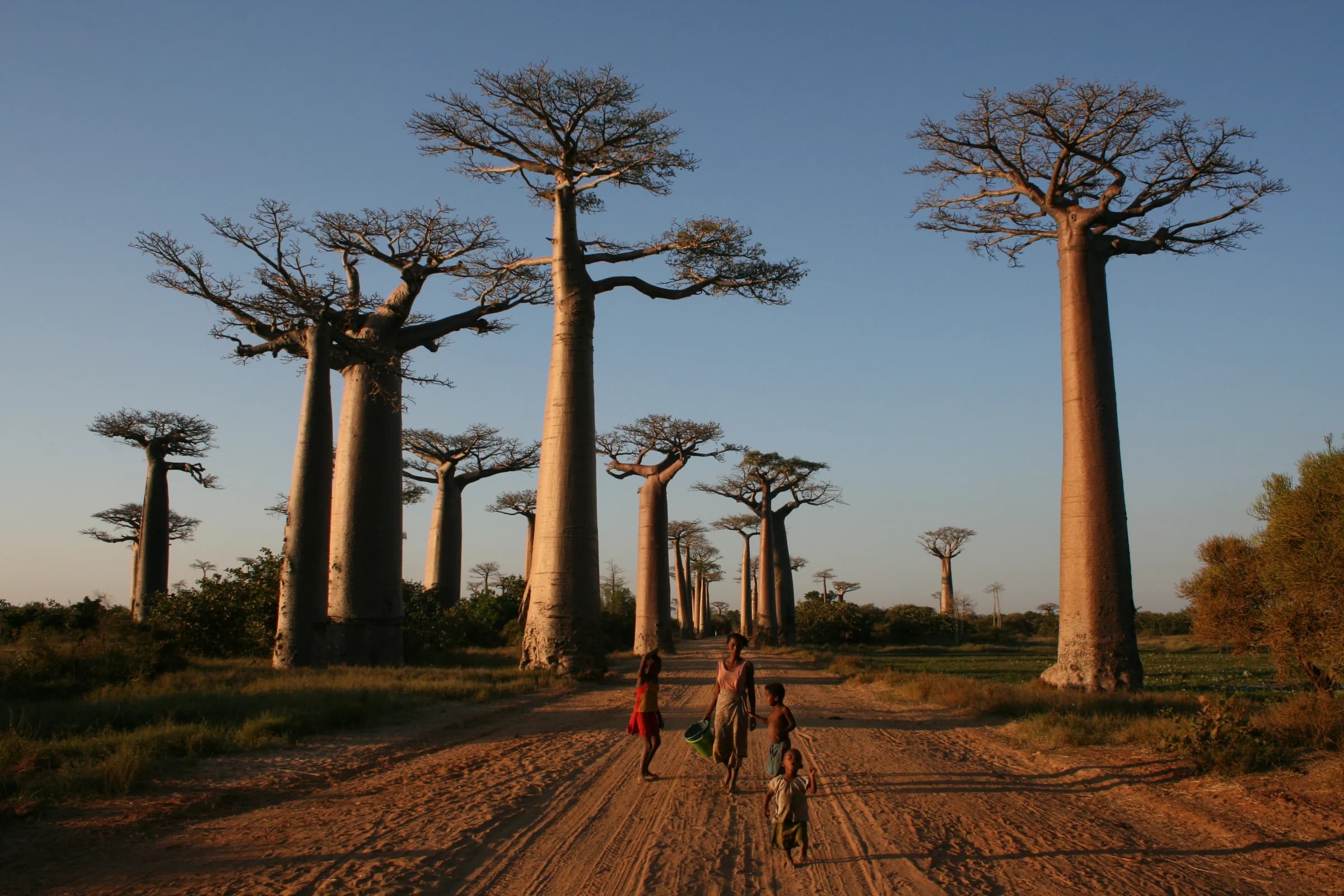
Further west, near the town of Morondava, the Avenue of the Baobabs holds roughly 20 to 25 massive baobab trees, some estimated at more than 800 years old, standing in open farmland after centuries of surrounding forest clearance left them isolated along a single dirt road. The scene, especially photographed at sunset when the trees silhouette against an orange sky, has become one of Madagascar's most recognizable images internationally, even for people who know little else about the island.
Getting around Madagascar requires genuine planning. Road infrastructure outside the main routes connecting major towns can be rough and slow, and the country's varied, often mountainous or forested terrain means that a relatively short distance on a map can translate into a genuinely long overland journey. Most visitors rely on a combination of domestic flights between regional hubs and local guided transport for the final approach into specific national parks and reserves.
Madagascar's isolation, the same force that produced its extraordinary wildlife, has also left much of the island's biodiversity under serious pressure from deforestation and habitat loss, and conservation-focused tourism, including entrance fees that directly fund park management and local community programs, plays a genuinely direct role in the reserves' ongoing protection.
What a trip here actually costs
$110 / day avg.
- 3-star hotel or eco-lodge near a national park
- Local guide and park entrance fees
- Casual Malagasy meals
- Domestic flight or shared transfer between regions
What to do at this tier
- • Guided lemur trek in Andasibe-Mantadia National Park, listening for the indri's distinctive call
- • Avenue of the Baobabs at sunset, a short drive from Morondava
- • Isalo National Park, hiking through sandstone canyons and natural pools
$320 / day avg.
- Upscale eco-lodge with full board
- Private guide and driver for the full trip
- Private domestic charter flights between regions
- Multi-course dinners featuring Malagasy-French cuisine
What to do at this tier
- • Multi-region itinerary combining lemur reserves, the Avenue of the Baobabs, and coastal beach time via private charter flights
- • Private night walk in a national park, spotting nocturnal lemur species active only after dark
- • Private guided tour of Antananarivo's Rova palace complex and hillside old town
These are average estimates for planning purposes, not real-time prices — actual costs vary by season, availability, and how far ahead you book.
How to get there
Click anywhere on the world map — any airport works, not just our main hubs.
Click anywhere on the map above — any airport in the world works — to see estimated travel time and cost from there.
Times and prices are planning estimates, not live fares — always check a booking site before you commit. See the full Transport Comparison guide for the general tradeoffs of each mode.
Best time to visit
April-November avoids the cyclone season, which runs roughly December-March; the dry season generally offers the most reliable travel conditions across the island's varied terrain.
Safety notes
Generally safe for tourists with standard precautions; road travel outside major routes can be slow and rough, so build extra time into any overland itinerary rather than expecting fast transfers.
Visa & currency
Malagasy ariary (MGA). Most nationalities can obtain a visa on arrival or e-visa for tourism stays, worth confirming current requirements and fees before booking.
Questions people ask before visiting
Is Madagascar worth visiting?
Yes, particularly for wildlife travelers — roughly 90 percent of its plant and animal species, including every lemur species, exist nowhere else on Earth, a result of the island splitting from mainland Africa around 160 million years ago and evolving in near-total isolation ever since.
Where can you see lemurs in Madagascar?
Andasibe-Mantadia National Park, a few hours from the capital Antananarivo, is one of the most accessible spots and home to the indri, the largest living lemur species, known for a haunting call audible over a kilometer away. Other major reserves, including Ranomafana and Isalo, hold different lemur species and require more extensive travel.
What is the Avenue of the Baobabs?
A dirt road near Morondava lined with roughly 20-25 massive baobab trees, some estimated at over 800 years old, standing in open farmland after the surrounding forest was cleared over centuries. It's one of Madagascar's most photographed sights, especially at sunset.
How do you get around Madagascar?
Domestic flights connect the capital to major regional hubs, since road conditions outside main routes can be genuinely difficult and travel times long. Most visitors combine short domestic flights with local guided transport for reaching specific national parks and reserves.
Nearby destinations
 Seychelles
Seychelles
Seychelles
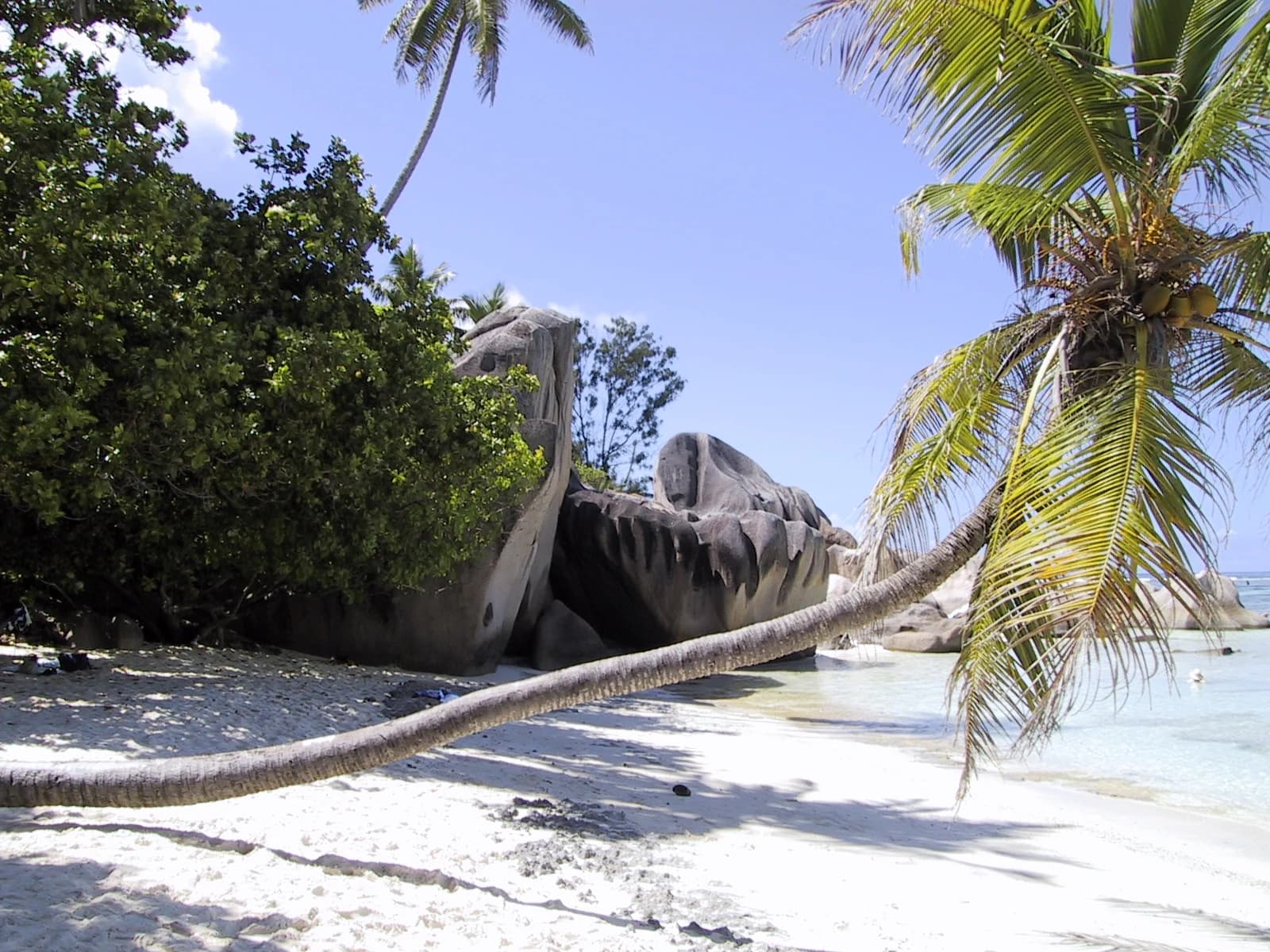
The coco de mer palm, found naturally nowhere on Earth except two Seychelles islands, produces the largest and heaviest seed of any plant known to science — for centuries, washed-up seeds found floating in the Indian Ocean led people who'd never seen the tree to believe they grew on an underwater forest.
See full guide → Mauritius
Mauritius
Mauritius
The dodo lived nowhere on Earth except Mauritius, and nowhere else on Earth ever will again — the flightless bird went extinct within a century of the island's first permanent settlement, and it's now more famous globally as a symbol of extinction itself than most people realize it was ever a real, living animal from this one specific island.
See full guide →Comparing more than one route? See the full transport comparison guide.