Comoros · Africa
Moroni
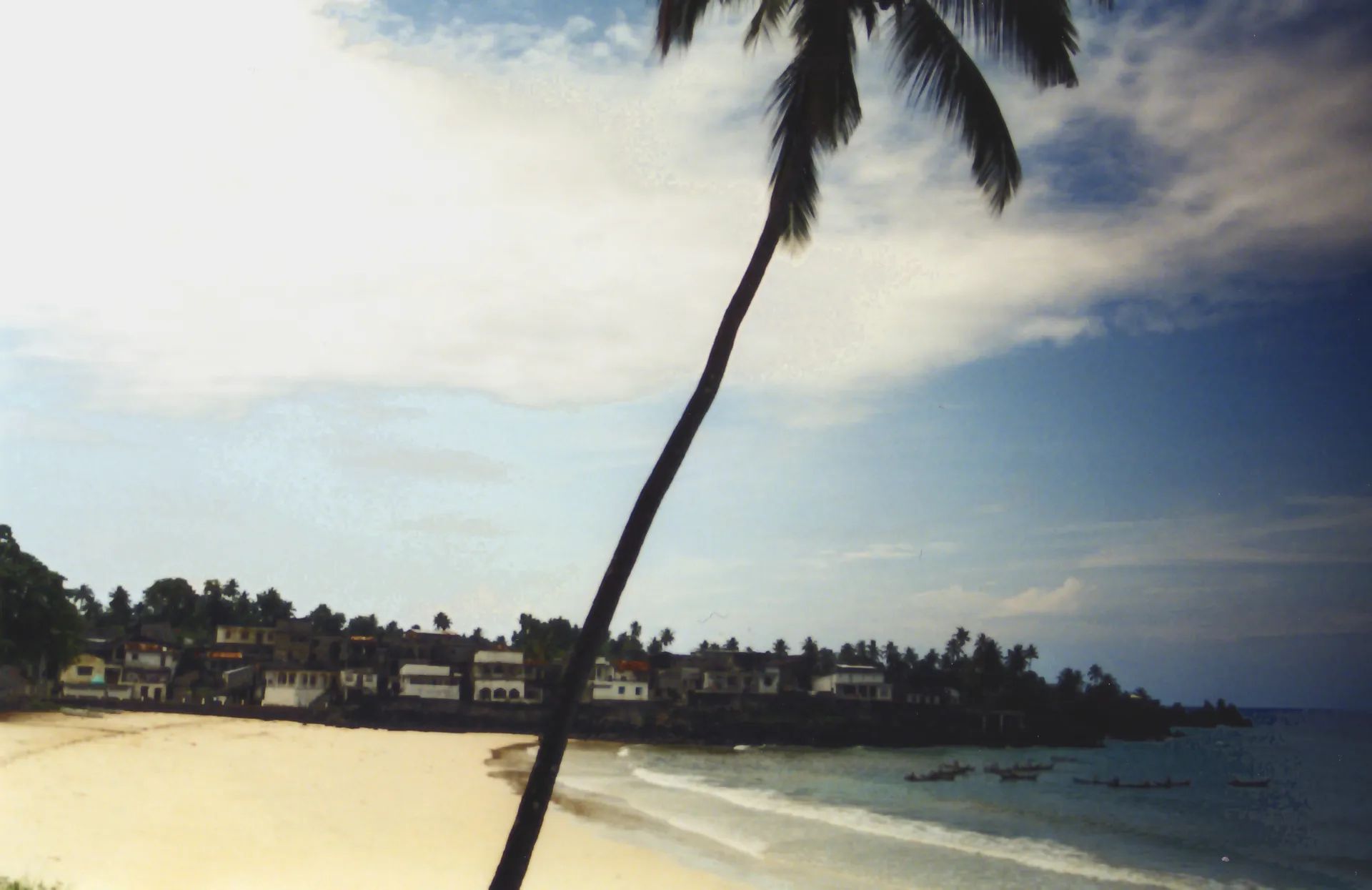
The Comoros produces roughly 40 percent of the world's ylang-ylang oil, the flower essence behind Chanel No. 5, on a handful of volcanic islands so small and little-visited that Moroni ranks among the least-known national capitals on Earth.
A single ingredient connects the Comoros to one of the most famous perfumes ever made, and it's not one most visitors would guess. Ylang-ylang, a fragrant yellow flower whose distilled oil forms a key component of Chanel No. 5 and countless other perfumes, thrives in Comoros' volcanic soil and tropical climate, and the islands now supply an estimated 40 percent of the world's total production, a genuinely outsized role in global luxury goods for one of the planet's smallest, least internationally known nations.
Moroni, the capital, sits on Grande Comore, the largest of the archipelago's main islands, and its old medina holds the Old Friday Mosque, built in the 15th century and among the oldest mosques in the region, a physical marker of the centuries of Swahili, Arab, and later French influence that have shaped Comorian culture and language into something distinct from its East African neighbors.
Behind the city rises Mount Karthala, one of the world's largest active volcanoes measured by crater size, its summit caldera stretching roughly 3 by 4 kilometers. The volcano has erupted multiple times in recent decades, most recently in 2007, and guided treks to its rim, outside active eruption periods, rank among the more dramatic and least-crowded volcano hikes anywhere in the Indian Ocean region.
Comoros' surrounding coral reefs offer diving and snorkeling that regional specialists rate highly, still relatively unexplored compared to nearby Mauritius or the Seychelles, both of which receive vastly more international tourism despite comparable underwater conditions. That gap in visitor numbers isn't a reflection of quality; it's mostly a function of limited flight connectivity and minimal tourism marketing for a country that's spent decades focused more on political stability, Comoros has experienced numerous coups since independence, than on building out a visitor economy.
For travelers drawn specifically to places that remain genuinely off the radar, Moroni and the wider Comoros islands offer volcanic scenery, a perfume industry hiding in plain sight, and a version of Indian Ocean island travel almost entirely without the crowds that now define its better-known neighbors.
What a trip here actually costs
$130 / day avg.
- Mid-range hotel or beachfront guesthouse
- Local driver for excursions
- Local Comorian meals
- Old Friday Mosque and medina visit, free
What to do at this tier
- • Mount Karthala guided volcano trek
- • Ylang-ylang distillery visit
- • Snorkeling or diving on Grande Comore's coral reefs
- • Moroni's old medina and Friday Mosque, free
These are average estimates for planning purposes, not real-time prices — actual costs vary by season, availability, and how far ahead you book.
How to get there
Click anywhere on the world map — any airport works, not just our main hubs.
Click anywhere on the map above — any airport in the world works — to see estimated travel time and cost from there.
Times and prices are planning estimates, not live fares — always check a booking site before you commit. See the full Transport Comparison guide for the general tradeoffs of each mode.
Best time to visit
May-October is the dry season and generally the most comfortable window; the wet season runs roughly November-April with cyclone risk.
Safety notes
Generally safe for tourists with standard precautions; infrastructure remains limited, so build flexibility into travel plans given the country's small scale and modest tourism development.
Visa & currency
Comorian franc (KMF). Most nationalities can obtain a visa on arrival; confirm current requirements before booking.
Questions people ask before visiting
Is Comoros worth visiting?
For travelers specifically drawn to genuinely undiscovered destinations, yes — the islands combine volcanic scenery, coral reefs with strong diving, and a distinct Swahili-Arab-French cultural blend, all with tourism infrastructure that remains minimal compared to nearby Mauritius or Seychelles.
What is ylang-ylang and why is it grown in Comoros?
Ylang-ylang is a fragrant flower whose distilled essential oil is a key ingredient in numerous perfumes, most famously Chanel No. 5. Comoros' volcanic soil and tropical climate proved ideal for cultivation, and the islands now produce an estimated 40 percent of the world's supply, a major export despite the country's small size.
Is Mount Karthala active?
Yes, Mount Karthala on Grande Comore is one of the world's largest active volcanoes by crater size and has erupted multiple times in recent decades, most recently in 2007. Guided treks to its summit crater are possible outside active eruption periods and rank among the Comoros' most distinctive hikes.
How do you get to Moroni?
Prince Said Ibrahim International Airport on Grande Comore receives limited direct flights, primarily connecting through regional hubs including Nairobi, Addis Ababa, and Dar es Salaam, or via France given Comoros' historical ties to French territories in the region.
Nearby destinations
 Mauritius
Mauritius
Mauritius
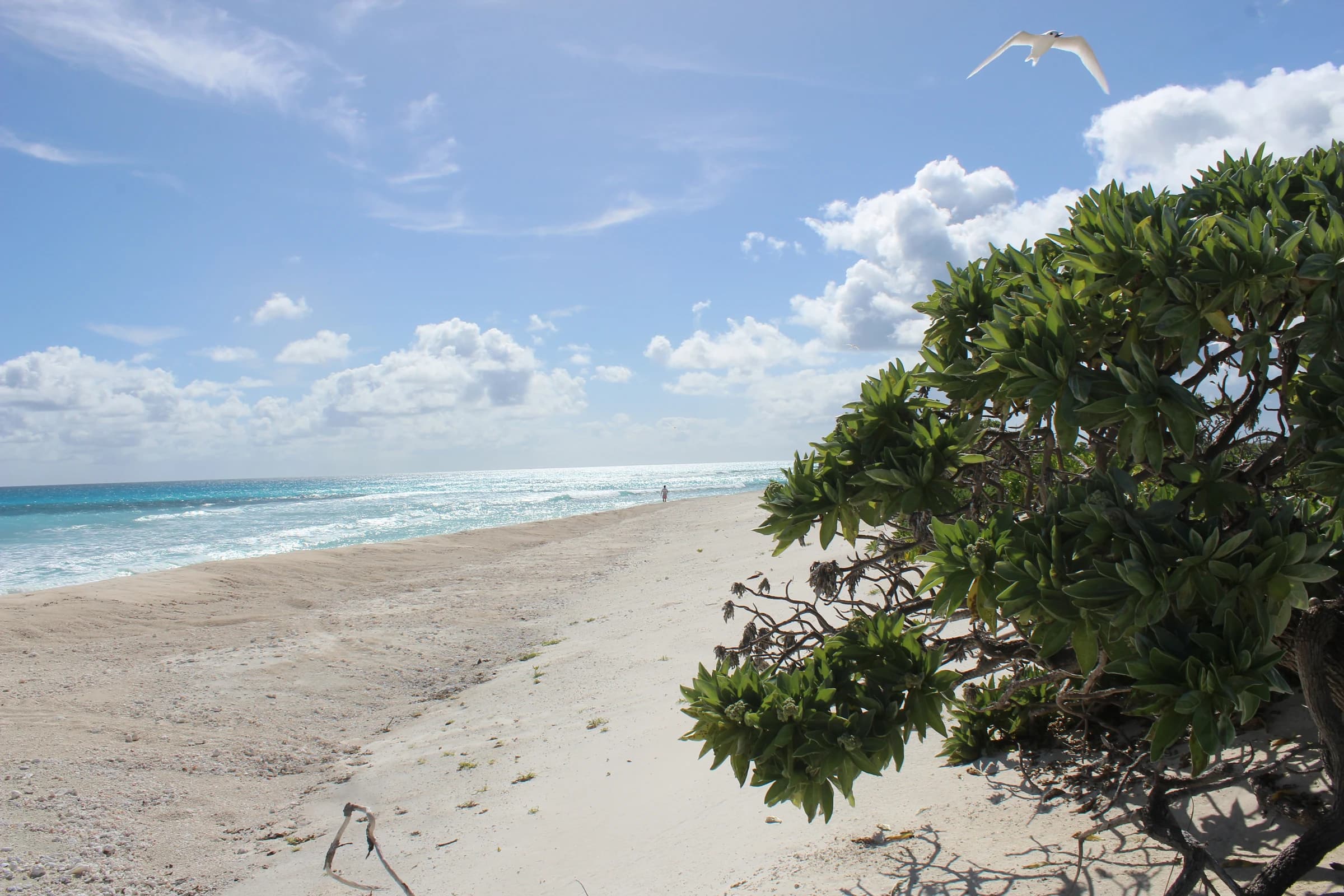
The dodo lived nowhere on Earth except Mauritius, and nowhere else on Earth ever will again — the flightless bird went extinct within a century of the island's first permanent settlement, and it's now more famous globally as a symbol of extinction itself than most people realize it was ever a real, living animal from this one specific island.
See full guide →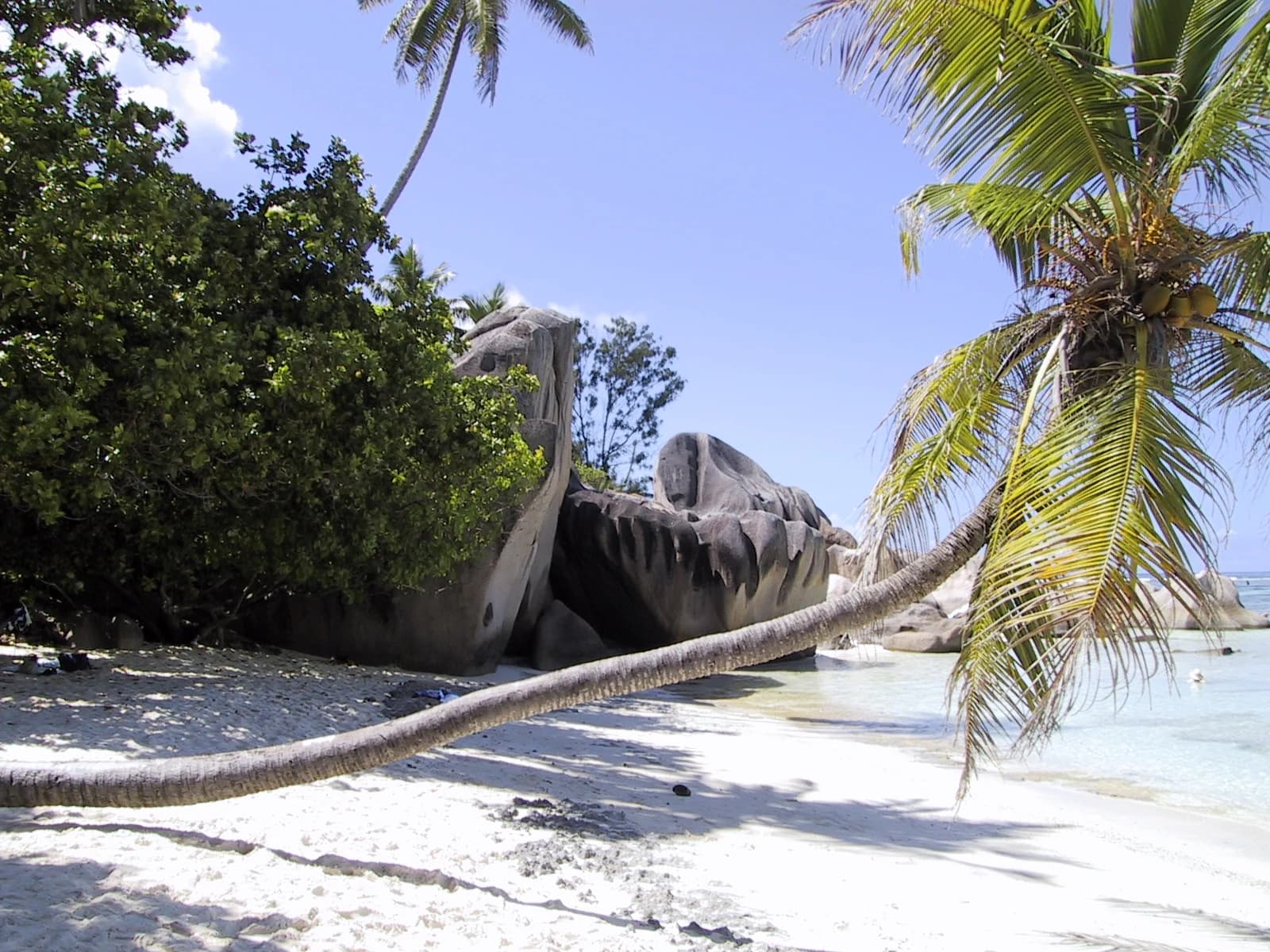 Seychelles
Seychelles
Seychelles
The coco de mer palm, found naturally nowhere on Earth except two Seychelles islands, produces the largest and heaviest seed of any plant known to science — for centuries, washed-up seeds found floating in the Indian Ocean led people who'd never seen the tree to believe they grew on an underwater forest.
See full guide →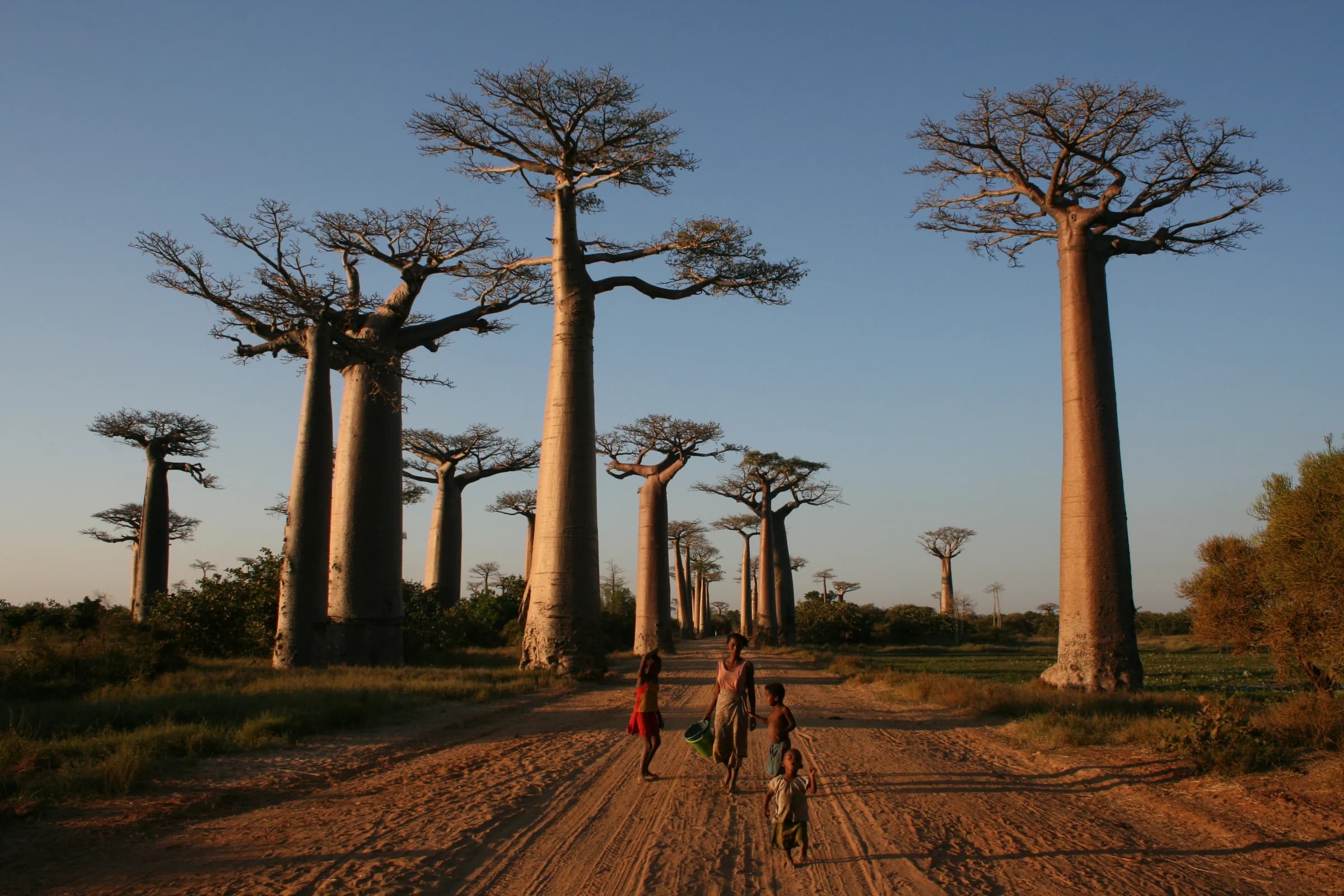 Madagascar
Madagascar
Madagascar
Madagascar split away from mainland Africa roughly 160 million years ago, long enough ago that around 90 percent of its wildlife, including every single species of lemur, evolved in isolation and exists nowhere else on Earth.
See full guide →Comparing more than one route? See the full transport comparison guide.