Zambia · Africa
South Luangwa National Park
The walking safari, now offered across much of Southern and East Africa, was pioneered right here in the 1950s and 60s by conservationist Norman Carr — and South Luangwa remains one of the very few major parks where you can still track wildlife on foot the way the concept originally began, rather than exclusively from a vehicle.
The walking safari, a format now offered at parks across Southern and East Africa, has a specific origin point: South Luangwa National Park, where conservationist Norman Carr pioneered the concept in the 1950s and 60s, taking visitors on foot through the bush accompanied by an armed ranger rather than confining them to a vehicle. That format let visitors track animal signs, read the landscape, and approach wildlife at a much closer, quieter distance than a game drive ever allows, and South Luangwa remains one of the destinations most closely tied to the practice's origin, still offering it as a genuine centerpiece activity rather than a novelty add-on.
The park's dense riverine woodland, following the winding course of the Luangwa River, provides ideal habitat for leopards, and decades of guide experience and animal habituation have made South Luangwa one of the more reliable places in Africa to spot these notoriously elusive, largely nocturnal cats. Night drives here in particular have built a genuine reputation among safari specialists for consistent leopard sightings that more heavily visited parks elsewhere often can't match.
Compared to more established destinations like Kruger, the Serengeti, or the Maasai Mara, South Luangwa sees considerably fewer visitors, a combination of its relative remoteness and Zambia's smaller overall tourism infrastructure relative to South Africa, Tanzania, and Kenya. For travelers who've already experienced one of the bigger-name parks, that lower density is itself a genuine draw, quieter game drives and walking safaris without the vehicle congestion that can build up around sightings at busier reserves.
Getting to South Luangwa typically means flying into Lusaka, Zambia's capital, and then a further charter flight or a genuinely long road transfer into the park itself, a logistics reality that keeps visitor numbers naturally lower than parks with more direct international airport access.
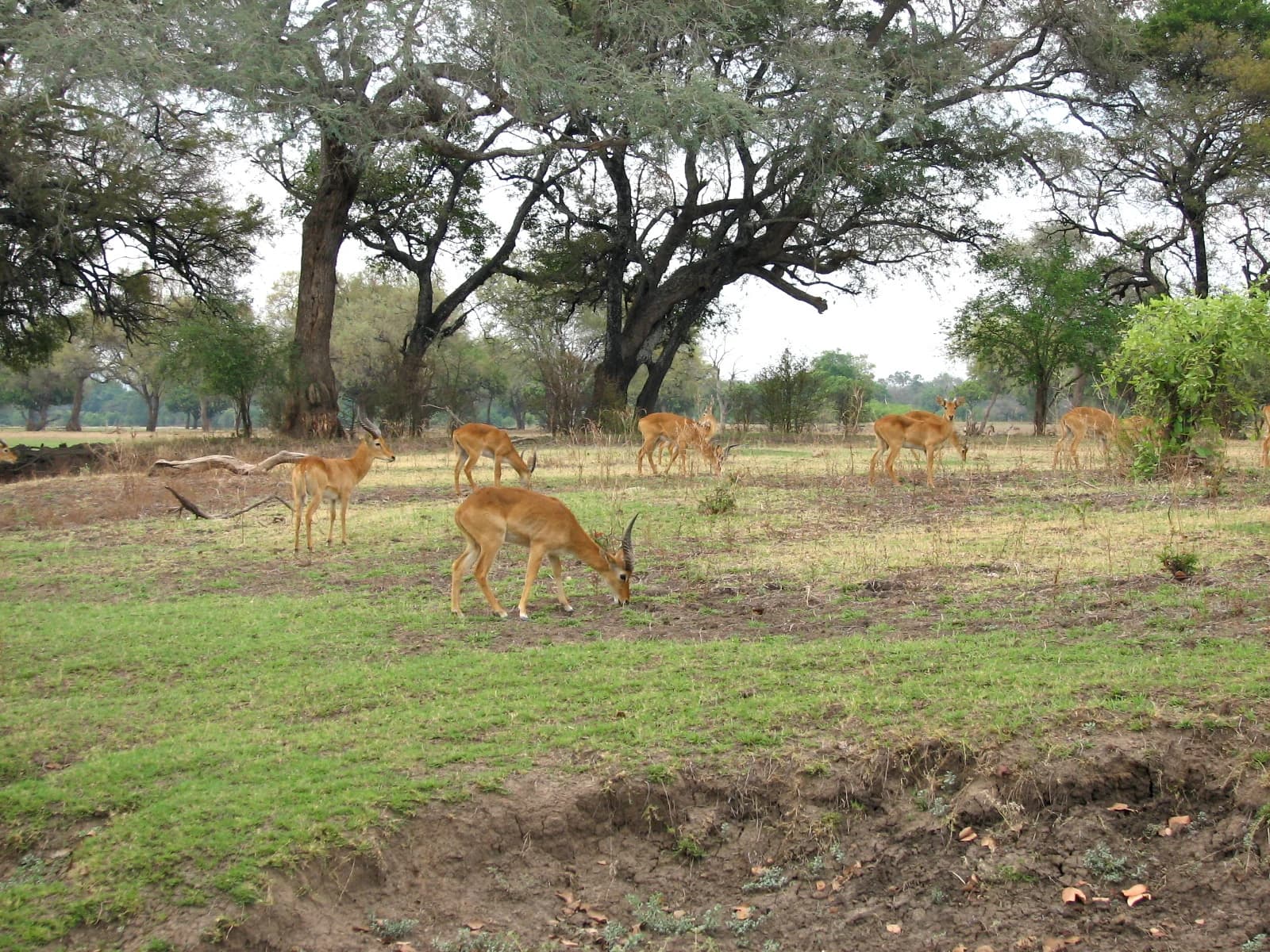
The park's ecosystem, centered on the Luangwa River and its seasonal oxbow lagoons, supports a wide range of wildlife beyond its famous leopards, including large hippo and crocodile populations concentrated in the river itself, and healthy elephant, buffalo, and giraffe numbers across the surrounding woodland and plains.
What a trip here actually costs
$300 / day avg.
- Tented safari camp, full board
- Shared game drives and one walking safari
- Park entrance fees
- Charter flight or road transfer from Lusaka
What to do at this tier
- • Shared guided walking safari, tracking wildlife on foot with an armed ranger
- • Shared game drive covering the park's riverine woodland and open plains
- • Night drive, offering a strong chance of leopard sightings given the park's reputation for nocturnal cat activity
$600 / day avg.
- Luxury tented camp on the Luangwa River, full board
- Private guided walking safaris and night drives
- Private charter flight transfers
- Multi-course dinners at the camp
What to do at this tier
- • Private guided walking safari with a dedicated ranger and tracker
- • Private night drive focused specifically on leopard tracking
- • Multi-day itinerary combining South Luangwa with a Victoria Falls or Lower Zambezi extension
These are average estimates for planning purposes, not real-time prices — actual costs vary by season, availability, and how far ahead you book.
How to get there
Click anywhere on the world map — any airport works, not just our main hubs.
Click anywhere on the map above — any airport in the world works — to see estimated travel time and cost from there.
Times and prices are planning estimates, not live fares — always check a booking site before you commit. See the full Transport Comparison guide for the general tradeoffs of each mode.
Best time to visit
May-October, the dry season, brings the most reliable wildlife viewing and easier access, since parts of the park can become genuinely difficult to reach during the wet season.
Safety notes
Walking safaris carry genuine inherent risk given close proximity to wildlife, so only join guided walks with an experienced, licensed operator and follow all instructions closely.
Visa & currency
Zambian kwacha (ZMW), though safari costs are typically quoted and paid in US dollars. Most nationalities need a visa, available as an e-visa or on arrival; the KAZA UniVisa covers Zambia and Zimbabwe but not South Luangwa specifically, which requires its own Zambian entry.
Questions people ask before visiting
Is South Luangwa National Park worth visiting?
Yes, particularly for travelers who've already done a more established safari destination — South Luangwa pioneered the walking safari concept and remains one of the best places in Africa for leopard sightings, all with considerably fewer visitors than Kruger, the Serengeti, or the Maasai Mara.
What is a walking safari and where did it start?
A guided safari conducted on foot rather than from a vehicle, tracking wildlife signs and approaching animals at a much closer, quieter distance than a game drive allows. Conservationist Norman Carr pioneered the concept in South Luangwa in the 1950s and 60s, and it's since spread to parks across Southern and East Africa, though South Luangwa remains one of the destinations most closely associated with its origin.
Why is South Luangwa known for leopard sightings?
The park's dense riverine woodland along the Luangwa River provides ideal leopard habitat, and decades of research and habituation by guides have made South Luangwa one of the most reliable places in Africa to spot the notoriously elusive, largely nocturnal cats, particularly on guided night drives.
How many days do you need at South Luangwa?
A minimum of four to five days allows a real mix of game drives, night drives, and at least one walking safari. South Luangwa's relative remoteness compared to more established parks means most visitors invest a longer, more dedicated stay rather than a quick day trip.
Nearby destinations
 Livingstone
Livingstone
Zambia
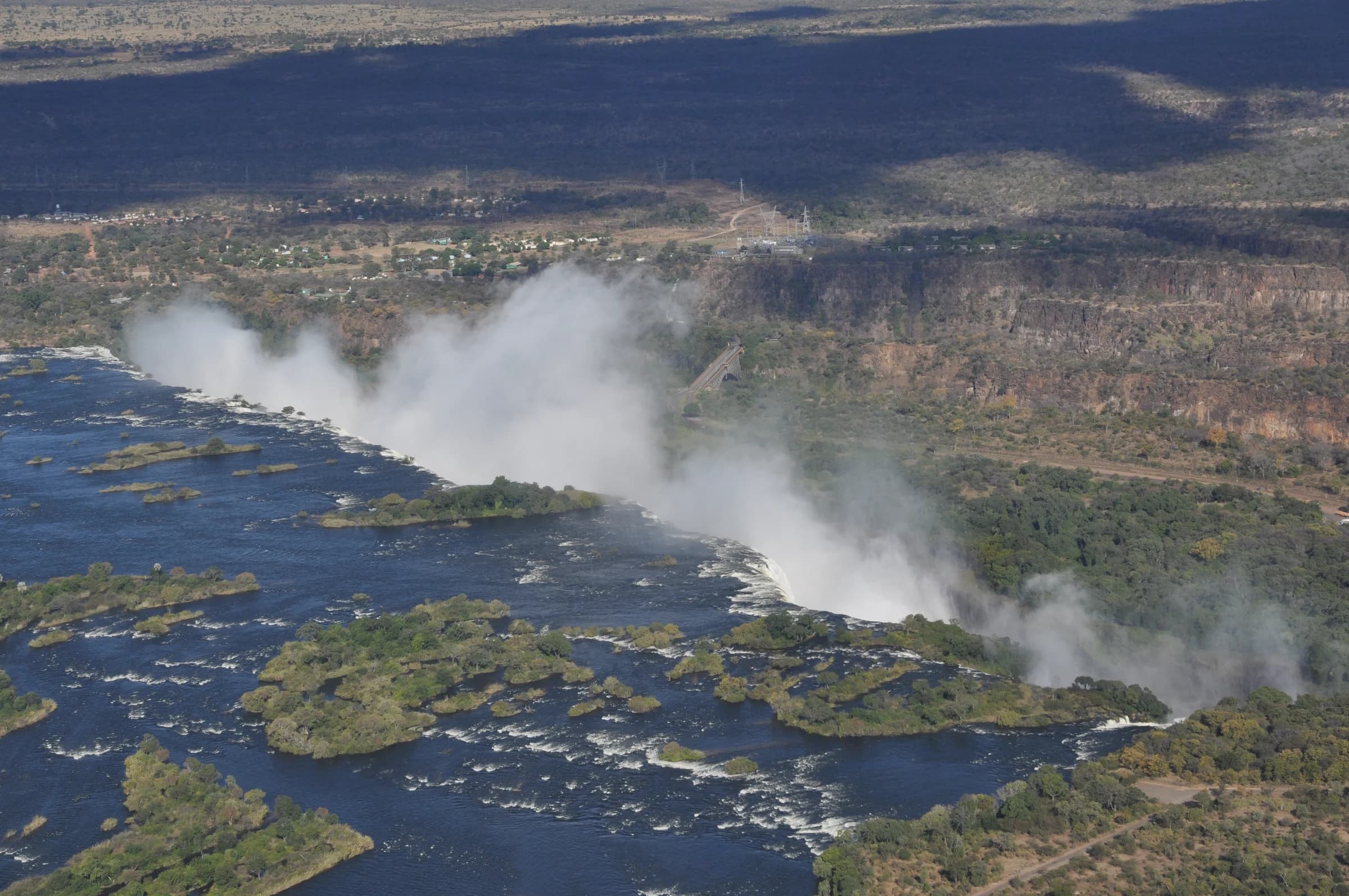
During the low-water months, a natural rock pool right at the very edge of Victoria Falls becomes swimmable — Devil's Pool, accessible only from Livingstone Island on the Zambian side, lets swimmers look directly over a 100-meter drop with nothing but a rock lip between them and the fall.
See full guide →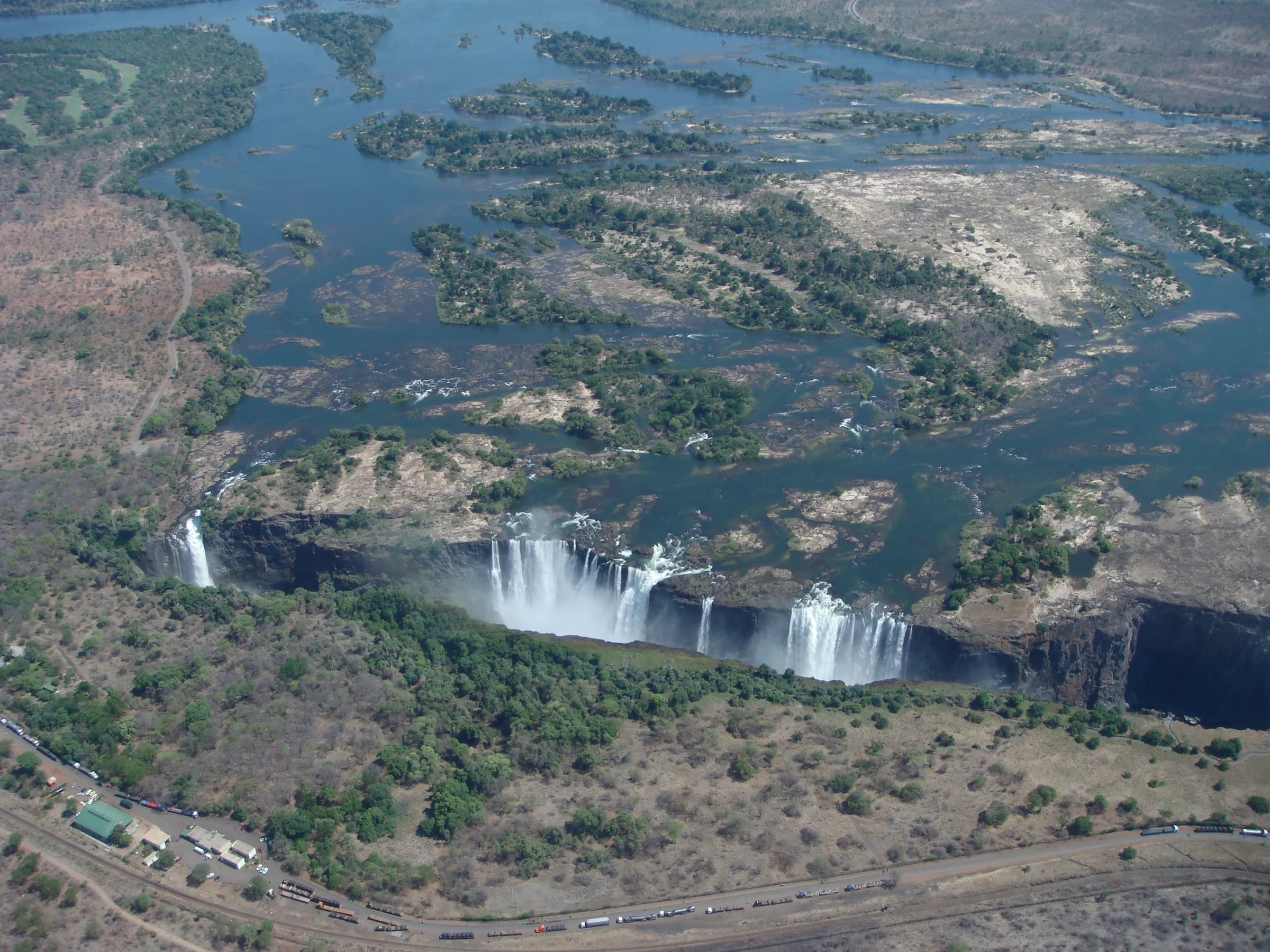 Victoria Falls
Victoria Falls
Zimbabwe
Locals called it Mosi-oa-Tunya, 'The Smoke That Thunders,' long before David Livingstone ever saw it in 1855 — the spray from the falls rises high enough to be visible from more than 20 kilometers away, which is exactly why the name stuck.
See full guide →Comparing more than one route? See the full transport comparison guide.