Burundi · Africa
Bujumbura
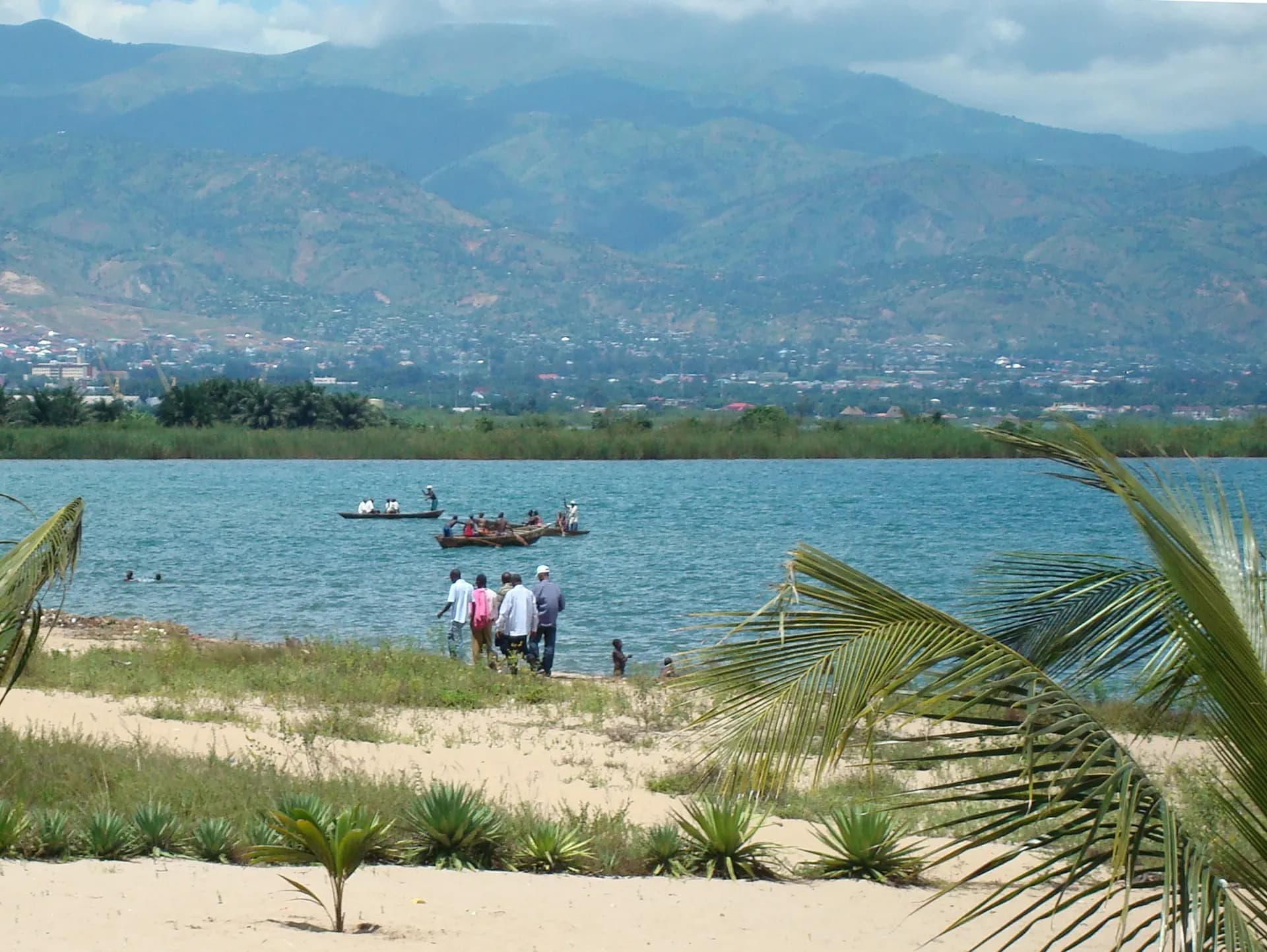
Lake Tanganyika, the world's second-deepest lake and one of its oldest, holds an estimated one-sixth of the planet's available fresh water — and Bujumbura, Burundi's largest city, sits right on its northern shore, one of Africa's least-visited capitals despite the setting.
Lake Tanganyika holds a set of superlatives that would headline almost any other travel destination on Earth: the world's second-deepest lake after Russia's Lake Baikal, reaching roughly 1,470 meters at its deepest point, and among its oldest, formed 9 to 12 million years ago through the same East African Rift geology that shaped the region's other great lakes. That combination of age and depth has produced an estimated one-sixth of the entire planet's available surface fresh water sitting in a single basin, along with an unusually high concentration of fish species, including hundreds of cichlids, found nowhere else on Earth.
Bujumbura, Burundi's largest city and former capital, sits directly on the lake's northern shore, and it remains, despite that setting, one of the least-visited capital cities anywhere in Africa. Part of that is simple geography, Burundi is one of the continent's smallest and most landlocked countries, and part of it is recent history worth addressing honestly: a 2015 political crisis, following a disputed presidential election, brought serious violence and instability that took years to ease, and it's shaped the country's international travel reputation well beyond what current, more stable conditions might suggest.
For visitors who do make the trip, Bujumbura's lakefront offers a genuinely pleasant, low-key introduction to the country. Saga Beach and the wider shoreline give easy access to swimming and lake views framed by the mountains of the Democratic Republic of Congo visible across the water, and evening walks along the lakefront capture a version of the city that feels considerably calmer than its historical headlines suggest.
Rusizi National Park, a short drive from the city center, sits where the Rusizi River feeds into Lake Tanganyika, and its wetlands hold healthy populations of hippos and Nile crocodiles, viewable on guided boat safaris that require far less logistical effort than East Africa's more famous, more distant safari circuits. Kibira National Park, further from the city, adds montane rainforest and primate populations for visitors extending their stay.
Burundi remains genuinely under-resourced for tourism, one of the world's poorest countries by most economic measures, and that shows in the limited infrastructure available beyond Bujumbura's core. What it offers in exchange is a version of Lake Tanganyika, and East African lakeside travel more broadly, almost entirely free of the visitor volume found at better-known spots along the same lake system in Tanzania and Zambia.
What a trip here actually costs
$45 / day avg.
- Budget guesthouse in Bujumbura
- Local shared taxi transport
- Local Burundian meals
- Saga Beach lakefront, free
What to do at this tier
- • Saga Beach on Lake Tanganyika, free
- • Bujumbura central market wander
- • Lakefront evening walk
$100 / day avg.
- Mid-range hotel with lake views
- Private driver for excursions
- Restaurant meals
- Rusizi National Park guided day trip
What to do at this tier
- • Rusizi National Park hippo and crocodile boat safari
- • Lake Tanganyika sunset boat cruise
- • Kibira National Park rainforest day trip
These are average estimates for planning purposes, not real-time prices — actual costs vary by season, availability, and how far ahead you book.
How to get there
Click anywhere on the world map — any airport works, not just our main hubs.
Click anywhere on the map above — any airport in the world works — to see estimated travel time and cost from there.
Times and prices are planning estimates, not live fares — always check a booking site before you commit. See the full Transport Comparison guide for the general tradeoffs of each mode.
Best time to visit
June-August is the drier season and generally the most comfortable window for travel; the wet season runs roughly September-May.
Safety notes
Conditions have improved since the 2015 political crisis, but Burundi remains one of the world's poorest countries with limited infrastructure; check current government travel advisories closely before booking.
Visa & currency
Burundian franc (BIF). Most nationalities can obtain a visa on arrival or via e-visa; confirm current requirements before booking.
Questions people ask before visiting
Is Burundi safe to visit?
Burundi has been more stable since a 2015 political crisis eased, and Bujumbura sees a small but steady stream of visitors. It remains one of the world's poorest countries with limited tourism infrastructure, and current government travel advisories are worth checking closely before booking given the country's history of periodic instability.
What makes Lake Tanganyika unusual?
Lake Tanganyika is the world's second-deepest lake after Russia's Lake Baikal, reaching depths of around 1,470 meters, and one of its oldest, formed roughly 9-12 million years ago. That age and depth have produced an estimated one-sixth of the world's available surface fresh water and an unusually high number of fish species found nowhere else.
What is there to do in Bujumbura?
Lake Tanganyika's beaches along the city's shoreline, including Saga Beach, offer swimming and lakefront relaxation, while Rusizi National Park, just outside the city, holds hippos and a notable population of Nile crocodiles reachable on an easy day trip.
How do you get to Bujumbura?
Bujumbura International Airport receives limited direct flights, primarily connecting through regional hubs like Addis Ababa, Nairobi, or Kigali, Rwanda, given Burundi's small size and limited international air connectivity relative to its East African neighbors.
Nearby destinations
 Kigali
Kigali
Rwanda
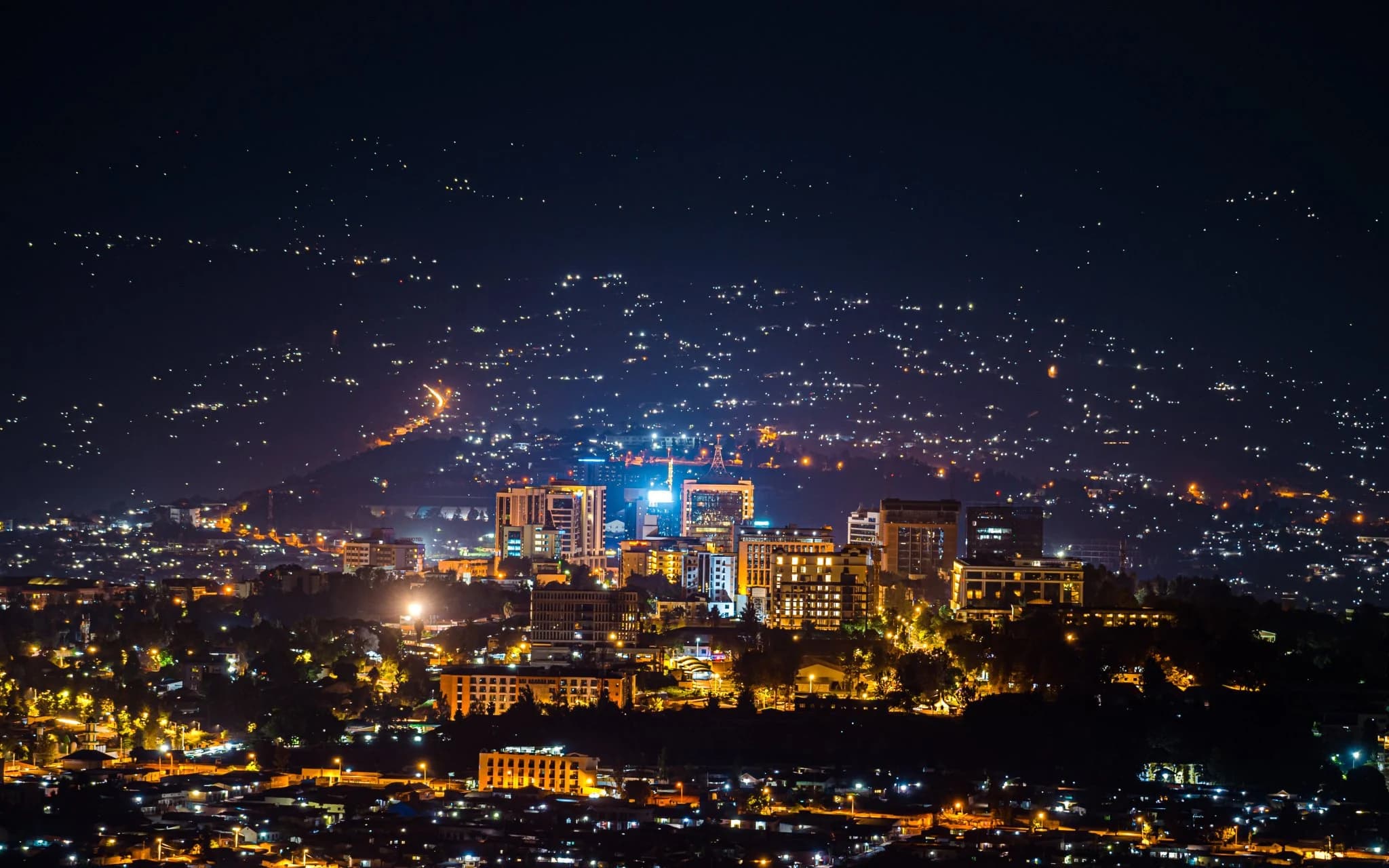
Rwanda banned plastic bags nationwide in 2008, well before most of the world took the idea seriously, and Kigali backs it up with a mandatory nationwide cleanup on the last Saturday of every month — the result is regularly cited as one of the cleanest capital cities anywhere in Africa.
See full guide →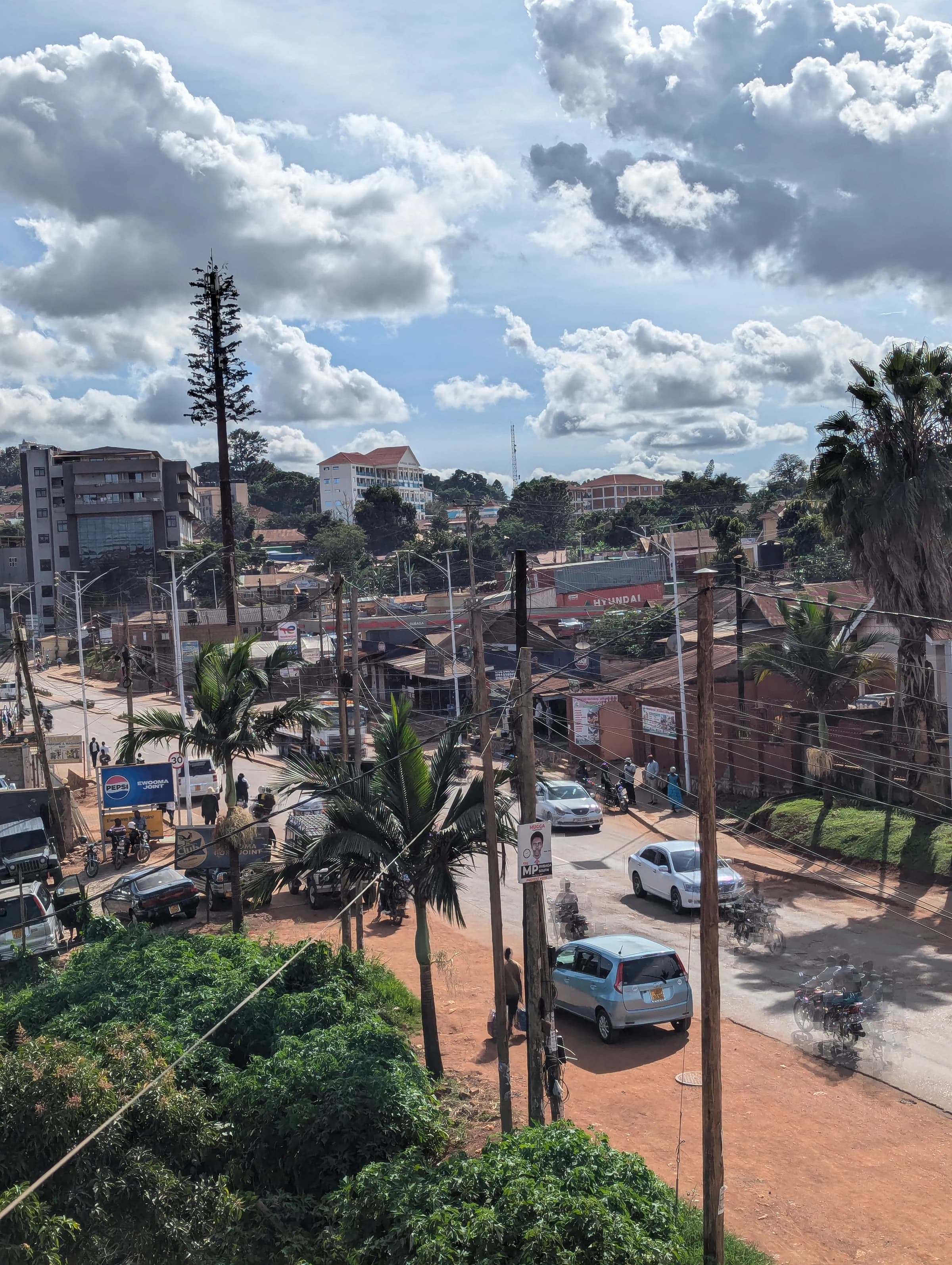 Kampala
Kampala
Uganda
Winston Churchill nicknamed Uganda the 'Pearl of Africa' after visiting in 1908, and Kampala, built across seven hills much like Rome, still functions as the practical gateway to the country's biggest draw: mountain gorilla trekking permits that cost roughly half what neighboring Rwanda charges for essentially the same encounter.
See full guide →Comparing more than one route? See the full transport comparison guide.