Sierra Leone · Africa
Freetown
Freetown was founded in 1792 by freed and formerly enslaved Black settlers, giving the city one of the most direct names in the world, and its beaches south of the city now rank among West Africa's least-crowded stretches of coastline, a legacy still overshadowed internationally by the 1991-2002 civil war.
Freetown's name states its founding purpose more directly than almost any other capital city in the world. Established in 1792, the settlement was built specifically for freed and formerly enslaved Black people, beginning with Black Loyalists who had fought for the British during the American Revolutionary War and were resettled first in Nova Scotia before being brought to West Africa, followed by later waves of Africans liberated from intercepted slave ships after Britain's 1807 abolition of the transatlantic trade.
That history sits in direct, uncomfortable proximity to Bunce Island, upriver from the modern city, which held one of the largest British slave-trading forts on the entire West African coast. Enslaved people with specific rice-cultivation expertise were sought out here deliberately, destined for the rice plantations of South Carolina and Georgia, a documented trade route that's given Sierra Leone a specific, traceable connection to the Gullah Geechee communities of the American South. The fort's ruins remain today, reachable by river tour, one of the more direct, unromanticized slave-trade heritage sites open to visitors anywhere in West Africa.
Sierra Leone's more recent history, the 1991-2002 civil war, remains the country's dominant international association, and it's worth addressing honestly rather than glossing over: the conflict was genuinely brutal, and its scars, both physical and economic, are still visible in parts of the country. What's less widely known internationally is that Sierra Leone has been stable for over two decades since, and Freetown functions today as a normal, if still recovering and infrastructure-limited, West African capital.
The Freetown Peninsula's beaches are where that recovery shows its most immediate upside for visitors. River Number Two Beach and Tokeh Beach offer genuinely uncrowded stretches of white sand, a direct consequence of decades of limited international tourism rather than any lack of natural quality, and travelers who do make it here consistently describe coastline that would carry resort-town development almost anywhere else in the region.
Tacugama Chimpanzee Sanctuary, in the hills above the city, rescues and rehabilitates orphaned and injured chimpanzees, part of ongoing conservation work for the country's endangered western chimpanzee population, and offers one of the more accessible primate encounters in West Africa without requiring the deeper jungle expeditions Central Africa's gorilla trekking demands. Between the sanctuary, the beaches, and Bunce Island's difficult but essential history, Freetown holds enough for a genuine week, still largely undiscovered by the broader West African tourism circuit.
What a trip here actually costs
$50 / day avg.
- Budget guesthouse in Freetown or peninsula beach town
- Shared taxi or okada transport
- Local Sierra Leonean meals
- River Number Two Beach, free
What to do at this tier
- • River Number Two Beach, free
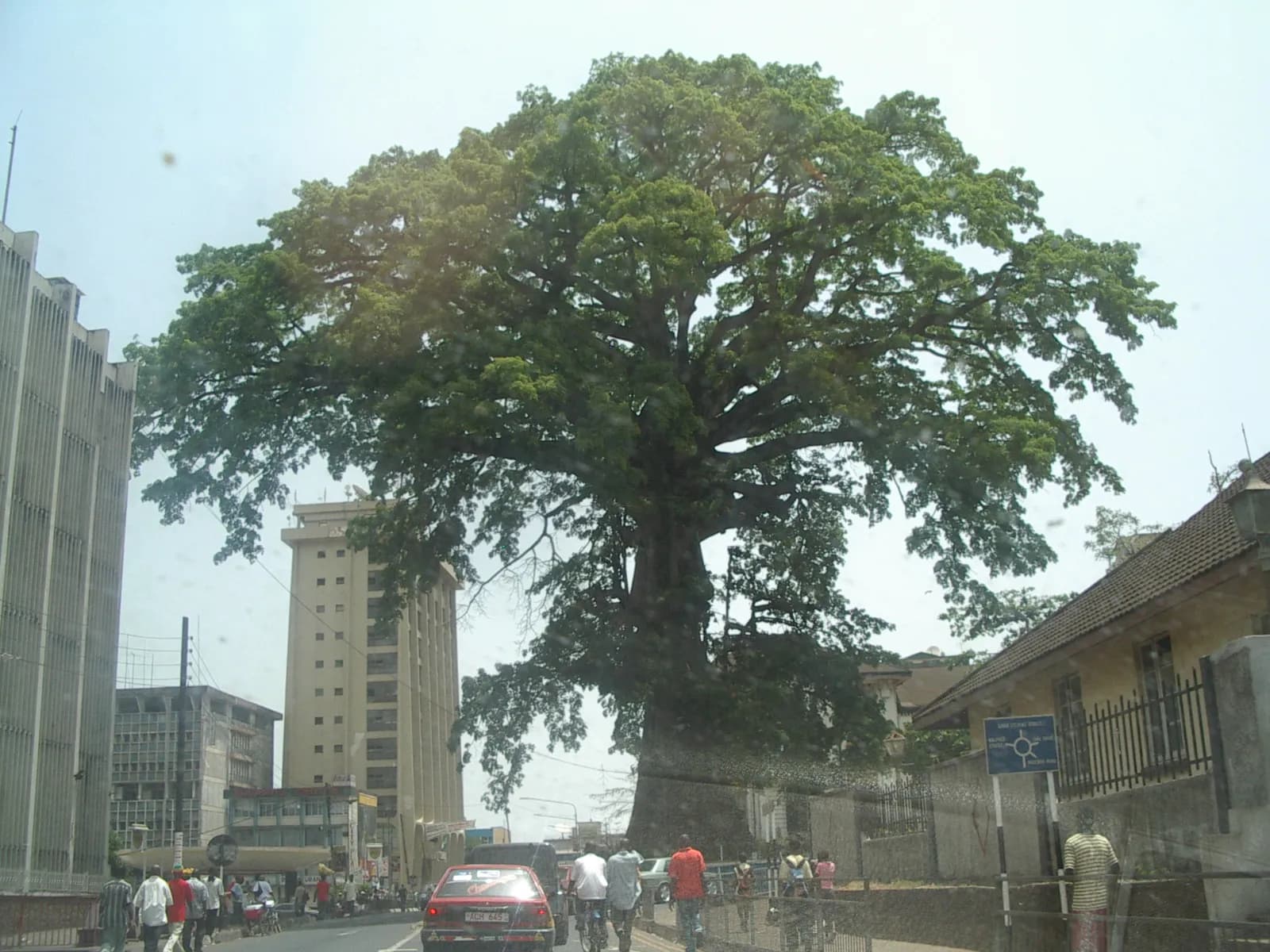
- • Freetown's Cotton Tree and old town wander, free
- • Big Market for local crafts
$110 / day avg.
- Beach lodge on the Freetown Peninsula
- Private driver for the day
- Restaurant meals
- Bunce Island boat tour
What to do at this tier
- • Bunce Island slave fort boat tour
- • Tacugama Chimpanzee Sanctuary visit
- • Tokeh Beach day trip
These are average estimates for planning purposes, not real-time prices — actual costs vary by season, availability, and how far ahead you book.
How to get there
Click anywhere on the world map — any airport works, not just our main hubs.
Click anywhere on the map above — any airport in the world works — to see estimated travel time and cost from there.
Times and prices are planning estimates, not live fares — always check a booking site before you commit. See the full Transport Comparison guide for the general tradeoffs of each mode.
Best time to visit
November-April is the dry season and the most comfortable window for travel; the wet season runs roughly May-October with heavy rainfall, among the highest in West Africa.
Safety notes
The country has been stable since the civil war ended in 2002; standard urban precautions apply in Freetown, and infrastructure remains more limited than in wealthier West African capitals.
Visa & currency
Sierra Leonean leone (SLE). Most nationalities require a visa, obtainable online in advance or on arrival; confirm current requirements before booking.
Questions people ask before visiting
Is Sierra Leone safe to visit?
Sierra Leone has been stable and largely peaceful since its 1991-2002 civil war ended, and Freetown and its surrounding beaches see a small but steady stream of tourism. Standard precautions apply as in any developing capital city; check current government travel advisories before booking, since the country's international reputation still lags its actual current stability.
Why is Freetown called Freetown?
The city was founded in 1792 as a settlement for freed and formerly enslaved Black people, including Black Loyalists who had fought for Britain in the American Revolutionary War and were resettled via Nova Scotia, along with later waves of Africans freed from intercepted slave ships after Britain's 1807 abolition of the slave trade.
What is Bunce Island?
An island upriver from Freetown that held one of the largest British slave-trading forts on the West African coast, from where tens of thousands of enslaved people, many with rice-farming expertise sought specifically for South Carolina and Georgia plantations, were shipped across the Atlantic. The ruins remain today, reachable by boat tour.
What are Freetown's beaches like?
The Freetown Peninsula's beaches, including River Number Two Beach and Tokeh Beach, offer genuinely uncrowded white sand and clear water, undeveloped by the resort-scale tourism found in more established West African beach destinations, a direct result of decades of limited international tourism following the civil war.
Nearby destinations
 Accra
AccraAccra
Ghana
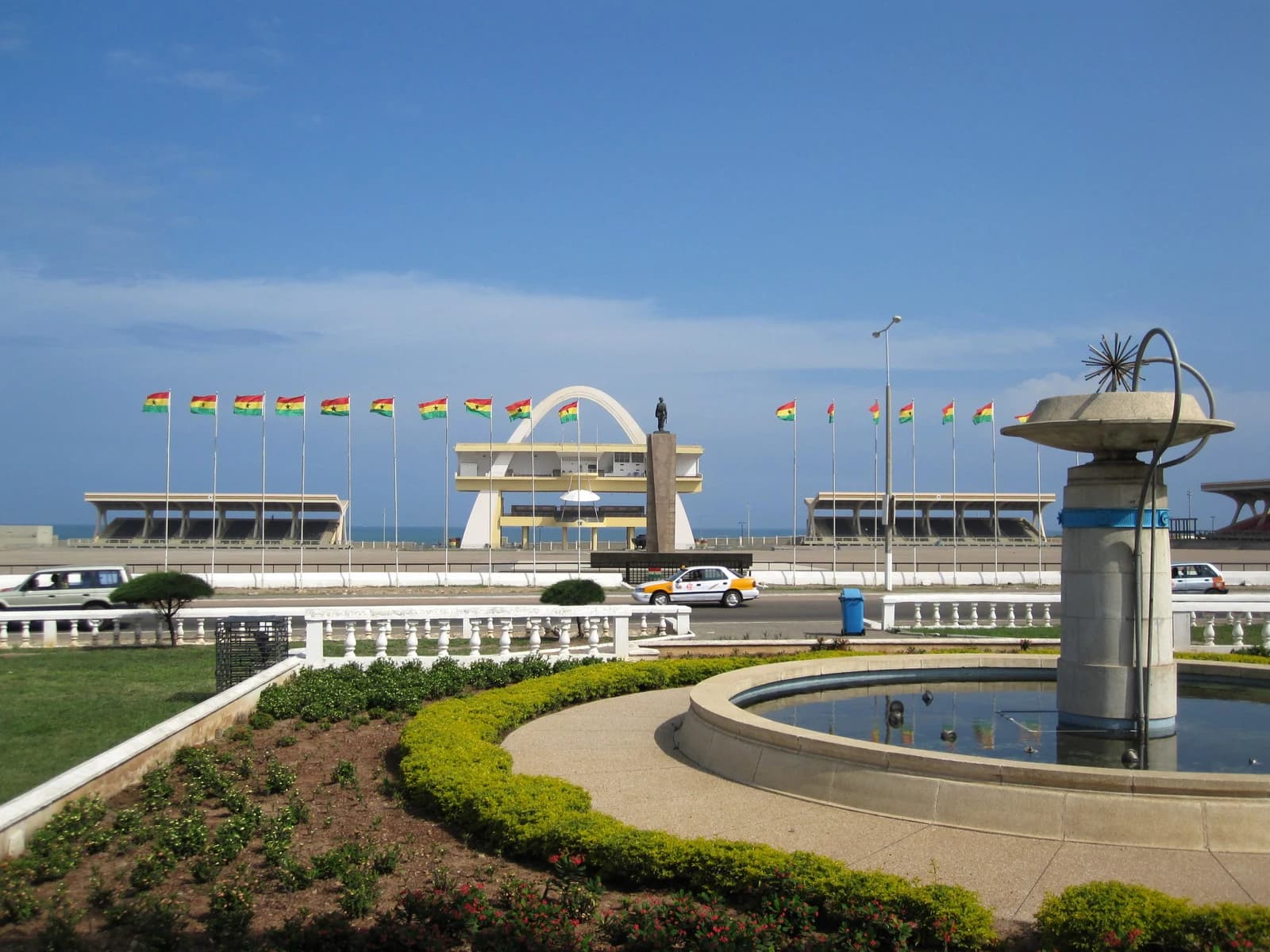
In 2019, Ghana declared a nationwide 'Year of Return' marking 400 years since the first enslaved Africans arrived in Virginia, inviting the African diaspora to reconnect with the continent — hundreds of thousands of people, many African American, took the government up on it, and Accra has been building on that momentum as a diaspora-tourism hub ever since.
See full guide →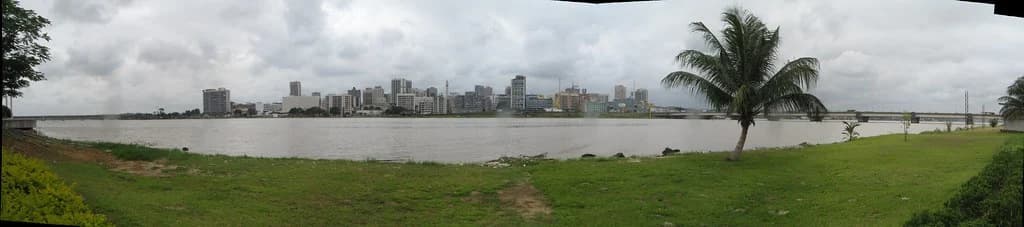 Abidjan
Abidjan
Ivory Coast
Ivory Coast produces roughly 40 percent of the entire world's cocoa supply, and Abidjan's modern glass towers, dense enough to earn the city nicknames like the 'Manhattan of West Africa,' were built largely on the wealth that trade generated even as the country's official capital moved elsewhere decades ago.
See full guide →Comparing more than one route? See the full transport comparison guide.