Equatorial Guinea · Africa
Malabo
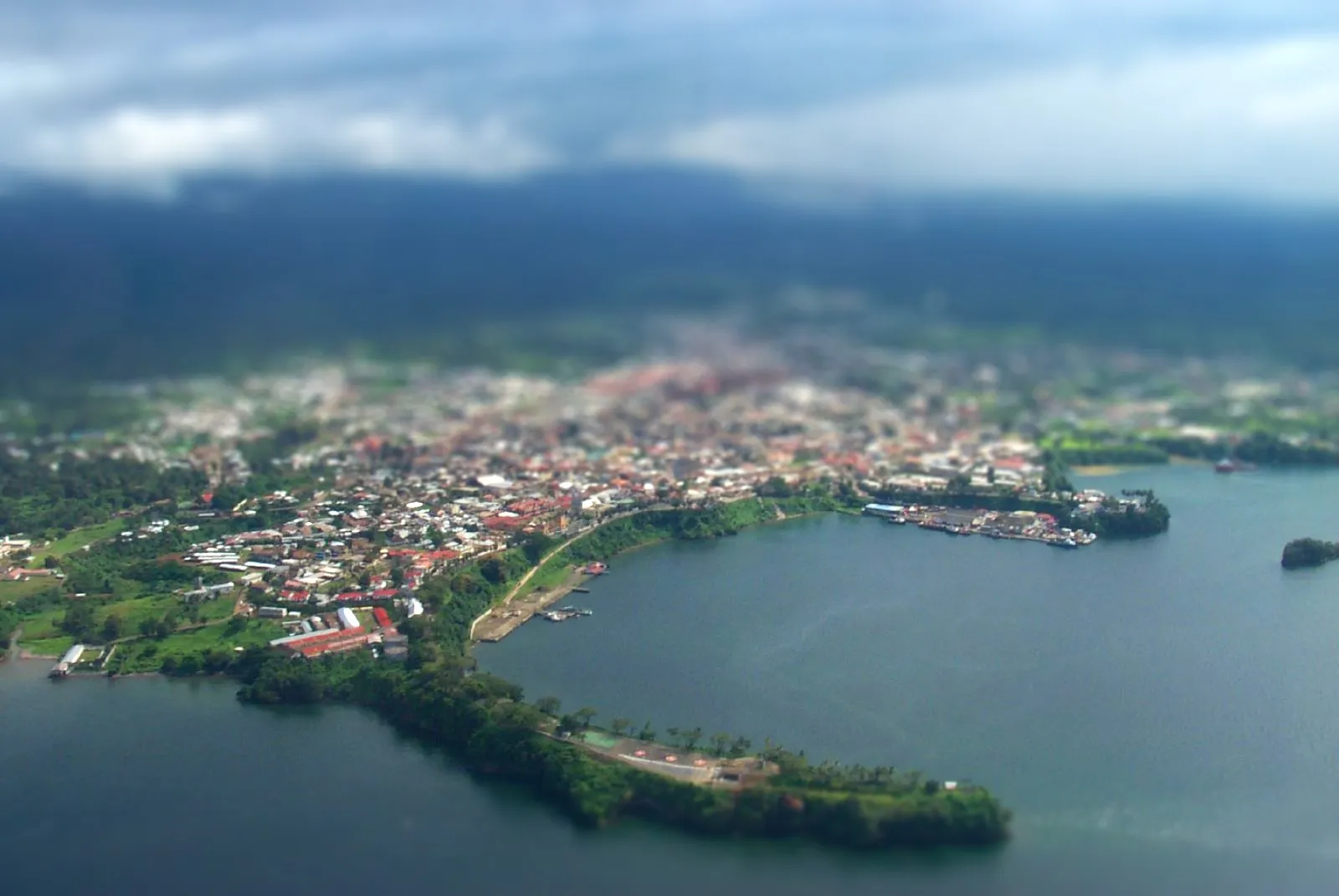
Equatorial Guinea's capital sits not on the African mainland but on volcanic Bioko Island, closer to Nigeria and Cameroon than to the rest of its own country, a Spanish-colonial oddity that makes it the only Spanish-speaking nation in sub-Saharan Africa.
Equatorial Guinea's capital sits in a genuinely unusual spot: Malabo occupies volcanic Bioko Island, geographically closer to Nigeria and Cameroon's coastlines than to Río Muni, the mainland portion of its own country roughly 250 kilometers to the south. That separation is a direct legacy of Spanish colonial administration, which developed the island as its main foothold in the region, and it's left Malabo linguistically isolated in a different way too: Equatorial Guinea remains the only country in sub-Saharan Africa with Spanish as an official language, a genuine oddity surrounded on all sides by French, English, and Portuguese-speaking neighbors.
That Spanish colonial imprint is visible directly in Malabo's older architecture, pastel-colored buildings and a cathedral built in a distinctly Iberian style, standing alongside a newer layer of construction funded by the country's oil wealth. Equatorial Guinea became one of Africa's largest oil producers following offshore discoveries in the 1990s, and the contrast between Malabo's modern government buildings and the country's otherwise limited public infrastructure and services reflects one of the widest wealth-inequality gaps documented anywhere in the world.
It's worth being direct about the practical reality of visiting: Equatorial Guinea's government maintains tight control over media, political activity, and in past years, tourism access itself, and the country remains among the least-visited in Africa as a result, independent of its natural attractions. An e-visa system has eased entry somewhat in recent years, but this is not a destination with the open, well-developed tourism infrastructure found in nearby Gabon or Cameroon.
For travelers who do make the trip, Bioko Island's natural side offers genuine reward. Pico Basile, a dormant volcano and the country's highest peak, rises directly behind Malabo, its slopes cloaked in cloud forest and reachable by a scenic if rough drive. Southern Bioko's rainforest reserves hold several endangered primate species, including drills and red colobus monkeys, found in relatively few other accessible locations across Central Africa.
Malabo functions less as a city with a developed tourism circuit and more as a genuinely singular stop, a Spanish-speaking island capital, oil-funded infrastructure beside deep poverty, and volcanic rainforest just beyond the city limits, worth approaching with realistic expectations about both its restrictions and its rewards rather than comparing it directly to more visitor-friendly African capitals.
What a trip here actually costs
$280 / day avg.
- International-standard hotel in Malabo
- Private driver for the day
- Restaurant meals
- Guided Pico Basile or rainforest excursion
What to do at this tier
- • Pico Basile National Park scenic drive and hike
- • Malabo's colonial-era Spanish architecture walk
- • Guided rainforest primate-watching in southern Bioko
These are average estimates for planning purposes, not real-time prices — actual costs vary by season, availability, and how far ahead you book.
How to get there
Click anywhere on the world map — any airport works, not just our main hubs.
Click anywhere on the map above — any airport in the world works — to see estimated travel time and cost from there.
Times and prices are planning estimates, not live fares — always check a booking site before you commit. See the full Transport Comparison guide for the general tradeoffs of each mode.
Best time to visit
December-February is the driest window; the rest of the year sees frequent heavy rainfall typical of the region's equatorial climate.
Safety notes
The government maintains tight control over media, movement, and political activity; travelers should avoid photographing government buildings or officials and stay current on travel advisories before booking.
Visa & currency
Central African CFA franc (XAF). An e-visa system has simplified entry in recent years; confirm current requirements well before booking given how restrictive the process has historically been.
Questions people ask before visiting
Why does Equatorial Guinea speak Spanish?
Spain colonized the territory in the 18th and 19th centuries, and Equatorial Guinea remains the only country in sub-Saharan Africa where Spanish is an official language, a legacy that sets it apart linguistically from every neighboring French, English, and Portuguese-speaking country in the region.
Is Equatorial Guinea worth visiting?
It's one of the more restrictive and least tourism-oriented countries in Africa, with limited visitor infrastructure and a government known for tight control over travel and media access. Visits are possible and increasingly issued through e-visas, but this remains a destination for travelers specifically seeking Bioko Island's rainforest and volcanic scenery over broader tourism amenities.
What is Bioko Island known for?
Bioko, the volcanic island holding the capital Malabo, is known for Pico Basile, a dormant volcano and the country's highest point, along with primate-rich rainforest reserves in the island's south, home to several endangered monkey species found in few other accessible locations.
Is Equatorial Guinea's oil wealth visible in Malabo?
Yes, visibly so — Equatorial Guinea became one of Africa's largest oil producers after offshore discoveries in the 1990s, and Malabo shows this through modern infrastructure and government buildings that stand in sharp contrast to the country's otherwise limited public services and one of the world's highest wealth-inequality gaps.
Nearby destinations
 Libreville
Libreville
Gabon
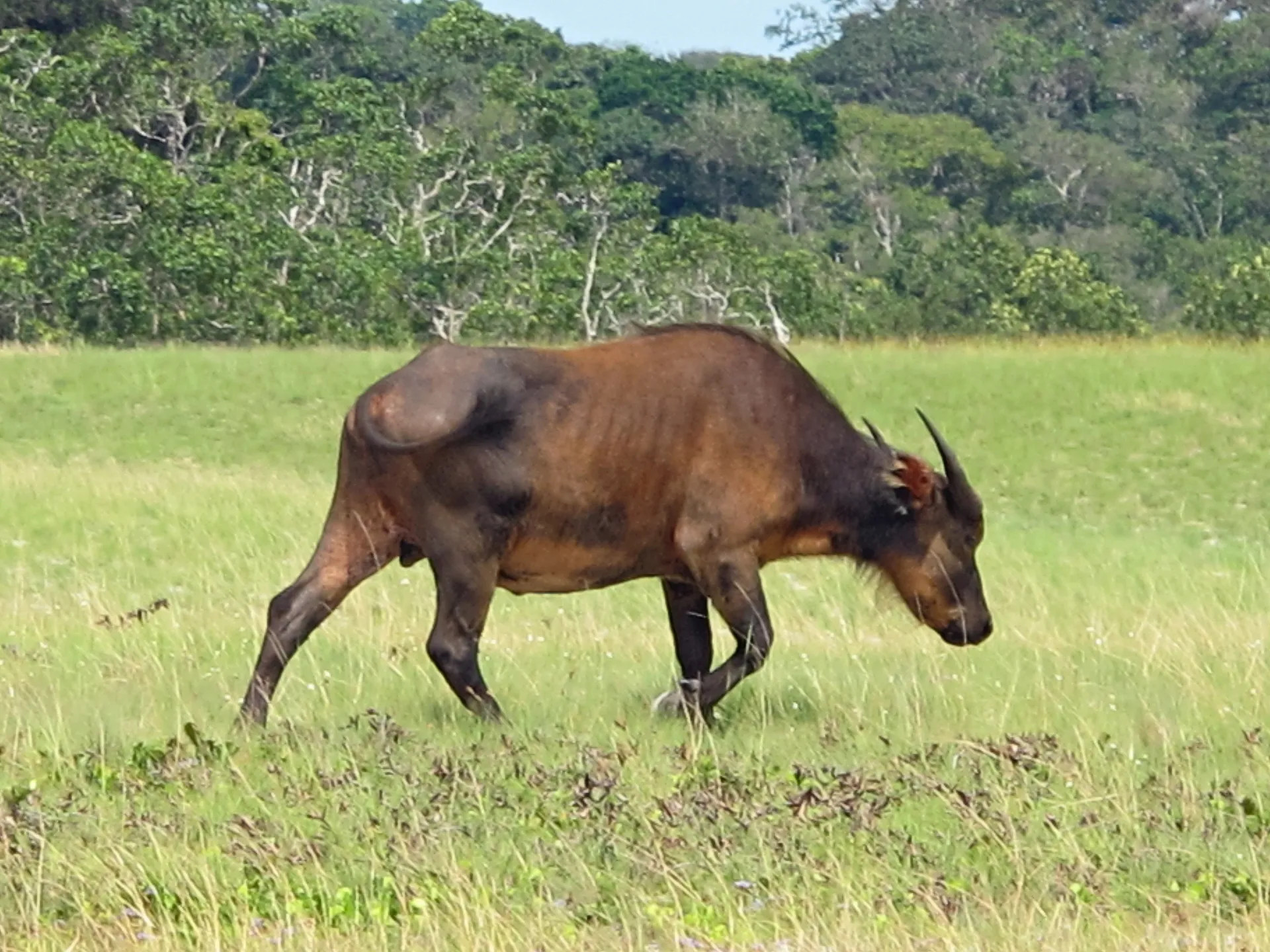
Gabon has kept roughly 88 percent of its land under forest cover, more than almost any other country on Earth, and just south of its capital, Loango National Park is the only place documented where surfers occasionally share the break with wild hippos.
See full guide →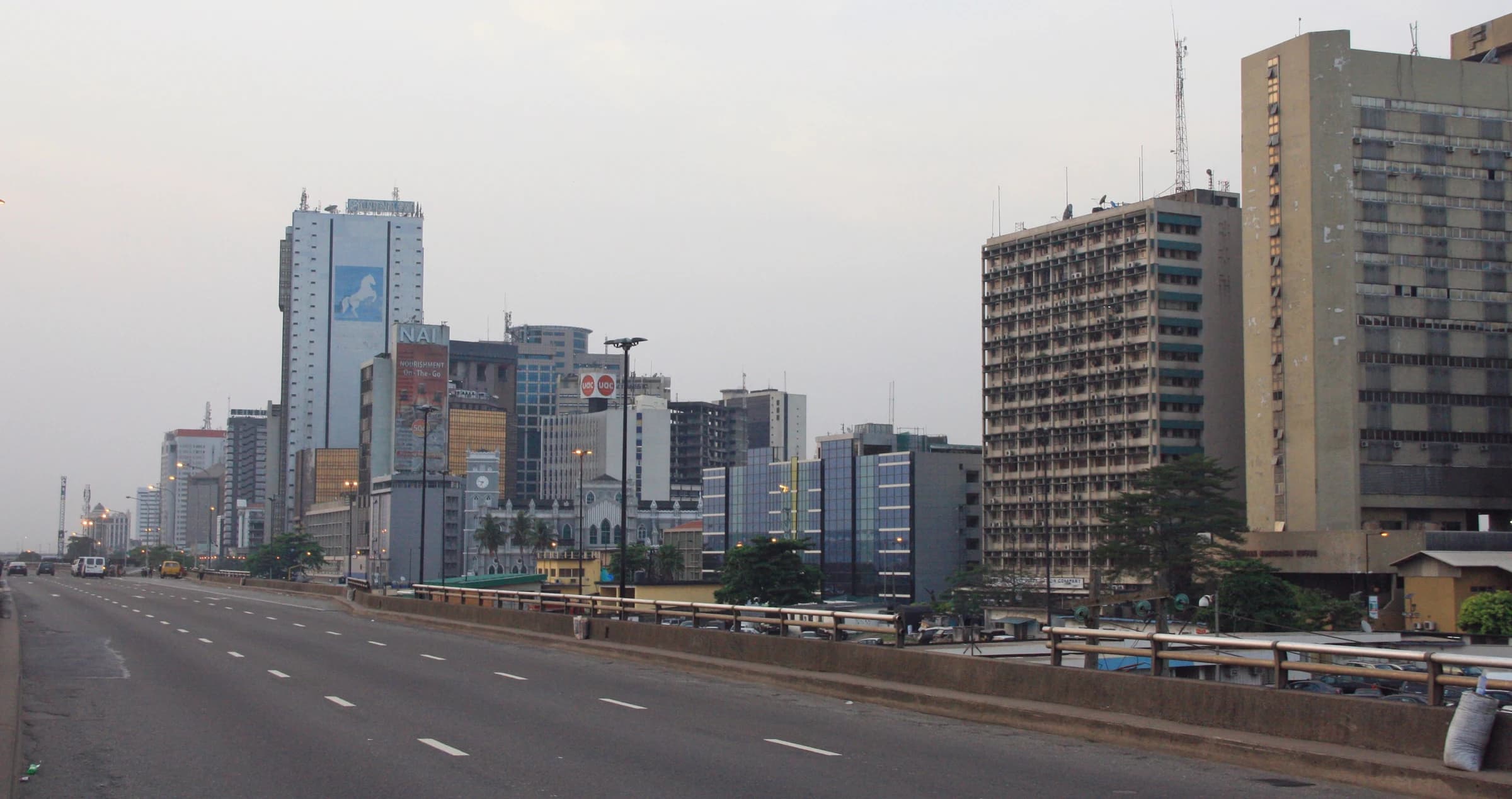 Lagos
LagosLagos
Nigeria
Lagos produces more films per year than almost anywhere else on Earth — Nollywood, Nigeria's film industry centered here, regularly outproduces Hollywood in sheer volume, and the city's music scene has done something similar to global pop charts, turning Afrobeats into one of the most-streamed genres in the world.
See full guide →Comparing more than one route? See the full transport comparison guide.