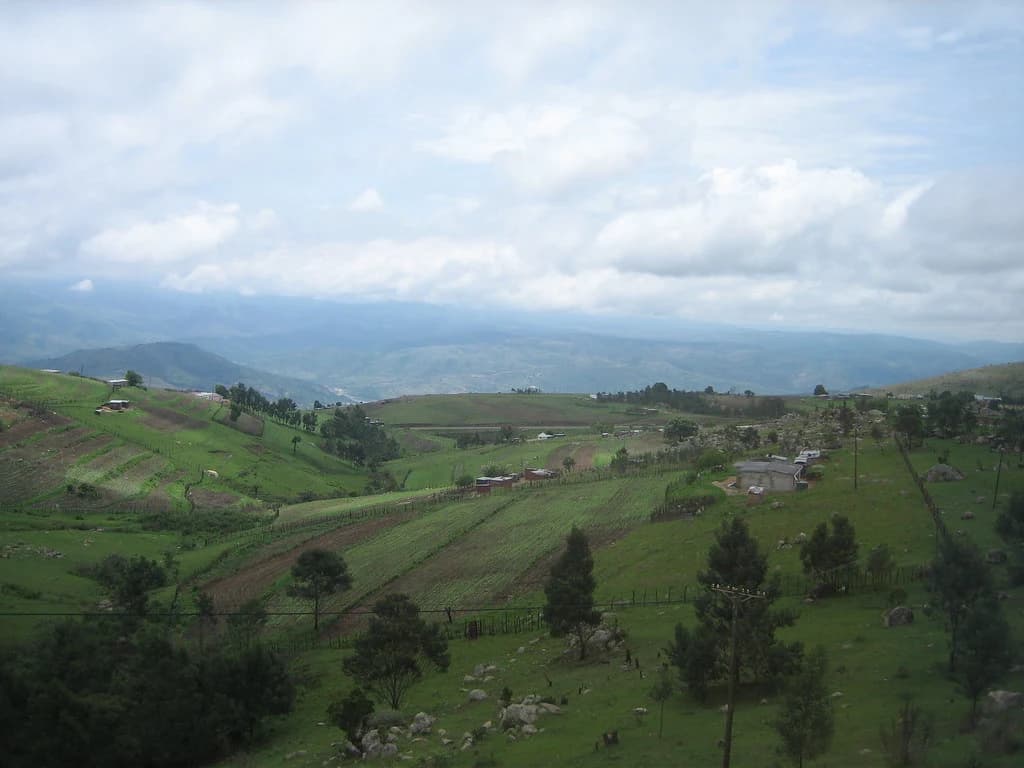
Eswatini · Africa
Eswatini
Eswatini is Africa's last absolute monarchy, still ruled by a king whose word carries the force of law — the country was known as Swaziland until 2018, when King Mswati III renamed it himself, reportedly tired of foreigners confusing it with Switzerland.
Eswatini is Africa's last absolute monarchy, a country where King Mswati III holds genuine, largely unchecked governing power rather than the ceremonial role most remaining monarchies occupy elsewhere in the world. The country operated under the name Swaziland until 2018, when the king announced a change to mark the 50th anniversary of independence from Britain, stating that Eswatini, meaning "land of the Swazis" in the local siSwati language, better represented the country's identity and would cut down on the international confusion with Switzerland that had apparently annoyed him for years.
The Umhlanga, or Reed Dance, remains one of the country's most significant and visually striking cultural events, an annual ceremony drawing tens of thousands of unmarried women and girls who travel to the royal residence to present cut reeds to the Queen Mother, a tradition emphasizing chastity and cultural continuity that continues to be genuinely, actively practiced rather than performed as a tourist reenactment.
Mkhaya Game Reserve, a private reserve within Eswatini, has built a strong reputation specifically around rhino conservation, offering some of the closer and more reliable rhino sightings anywhere in Southern Africa, a direct result of the reserve's intensive anti-poaching and habitat management efforts over recent decades.
Ezulwini Valley, sometimes translated as the "Valley of Heaven," functions as Eswatini's central tourism and cultural hub, home to craft markets selling traditional weaving, hand-blown glass, and candle-making alongside cultural villages where visitors can see demonstrations of traditional Swazi homestead life and customs.
Eswatini's small size and proximity to South Africa, entirely bordered by it apart from a stretch along Mozambique, makes it a genuinely easy and compact add-on to a longer Southern Africa itinerary, easily reached by rental car from Johannesburg or as an extension from a Kruger National Park safari trip.
What a trip here actually costs
$110 / day avg.
- 3-star lodge in Ezulwini Valley
- Rental car or arranged transfers
- Game drive at Mkhaya or Hlane Royal National Park
- Casual Swazi meals
What to do at this tier
- • Game drive at Mkhaya Game Reserve, known for its rhino conservation program and close sightings
- • Ezulwini Valley craft markets, selling traditional weaving, glass, and candle-making
- • Cultural village visit demonstrating traditional Swazi homestead life and customs
These are average estimates for planning purposes, not real-time prices — actual costs vary by season, availability, and how far ahead you book.
How to get there
Click anywhere on the world map — any airport works, not just our main hubs.
Click anywhere on the map above — any airport in the world works — to see estimated travel time and cost from there.
Times and prices are planning estimates, not live fares — always check a booking site before you commit. See the full Transport Comparison guide for the general tradeoffs of each mode.
Best time to visit
May-September, the dry season, brings the most comfortable temperatures and best wildlife visibility at the game reserves.
Safety notes
Generally safe for tourists with standard precautions; the country is small, compact, and straightforward to navigate by rental car.
Visa & currency
Swazi lilangeni (SZL), pegged 1:1 to the South African rand, which is also widely accepted. Many Western passport holders can enter visa-free for short stays, worth confirming before booking.
Questions people ask before visiting
Is Eswatini worth visiting?
Yes, particularly as a compact, easy add-on to a South Africa itinerary — Africa's last absolute monarchy has genuine, actively practiced cultural traditions like the annual Reed Dance, alongside real wildlife viewing at reserves like Mkhaya, known for its rhino conservation success.
Why did Swaziland change its name to Eswatini?
King Mswati III announced the change in 2018 to mark the 50th anniversary of independence from Britain, stating the new name, meaning 'land of the Swazis' in siSwati, better reflected the country's own identity and would reduce international confusion with Switzerland, a mix-up that reportedly happened often enough abroad to bother him.
What is the Reed Dance (Umhlanga)?
An annual ceremony where tens of thousands of unmarried women and girls travel to the royal residence to present reeds to the Queen Mother, a tradition emphasizing chastity and cultural continuity. It's one of Eswatini's most significant cultural events and draws visitors interested in witnessing a genuinely large-scale, still-vital traditional ceremony.
How many days do you need in Eswatini?
Two to three days covers Ezulwini Valley's cultural sites and craft markets plus a game drive at Mkhaya or Hlane. Eswatini is small enough, and close enough to South Africa, to work well as a short add-on to a longer Southern Africa trip.
Nearby destinations
 Kruger National Park
Kruger National Park
South Africa
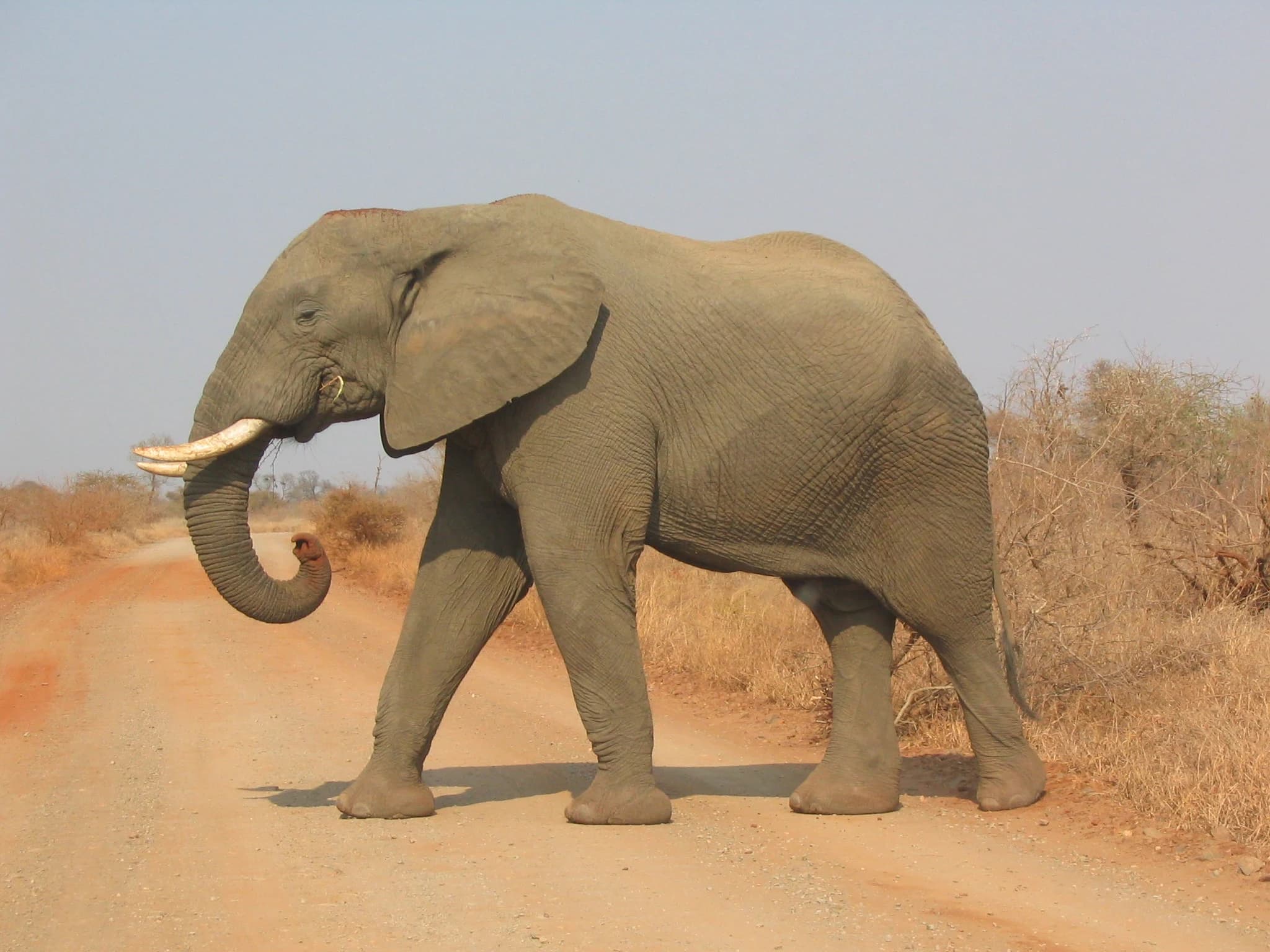
Kruger covers roughly 19,000 square kilometers, an area larger than Wales, and unlike most of Africa's major safari destinations, it's genuinely set up for visitors to drive themselves — a paved and gravel road network lets you self-drive a real Big Five safari without ever booking a guide.
See full guide →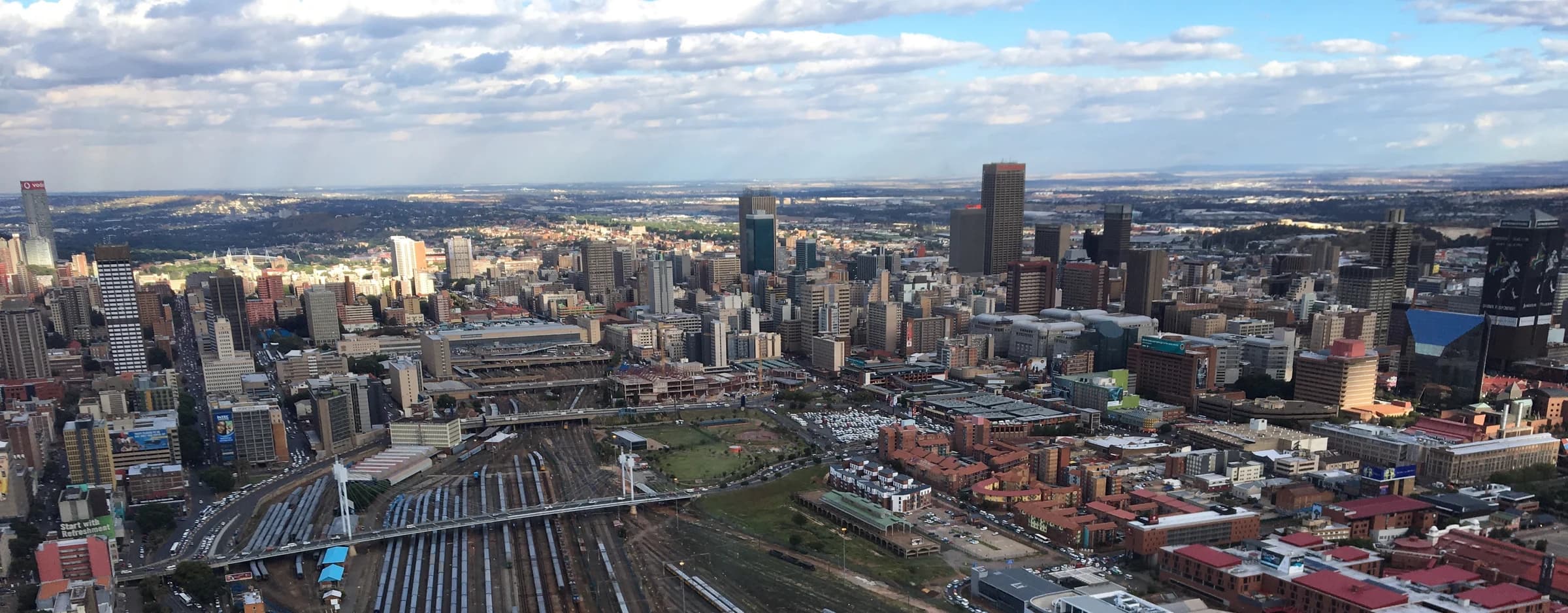 Johannesburg
Johannesburg
South Africa
Johannesburg didn't exist before 1886 — the city was founded almost overnight after gold was discovered on the Witwatersrand ridge, and that gold rush origin still shapes a metropolis with no old colonial core to speak of, built instead around mining wealth and, later, the front lines of the anti-apartheid movement.
See full guide →Comparing more than one route? See the full transport comparison guide.