Benin · Africa
Ouidah
Vodun, the religion the transatlantic slave trade carried into Haitian Vodou, Brazilian Candomblé, and Louisiana Voodoo, traces its roots directly to this stretch of Benin's coast — Ouidah remains one of its living centers today, complete with a temple of sacred pythons and a national holiday devoted to it.
Vodun, a religion practiced today by millions across West Africa and, in related forms, throughout the Americas, traces its roots directly to the Fon and Ewe peoples of this stretch of Benin's coast. When European traders forced enslaved people through ports like Ouidah during the transatlantic slave trade, those individuals carried their spiritual practices with them across the ocean, where Vodun evolved into distinct but clearly related traditions: Haitian Vodou, Brazilian Candomblé, and Louisiana Voodoo all descend from the same origin point along this coastline.
Ouidah remains a genuine, actively practiced center of Vodun today rather than a historical curiosity, and Benin marks January 10 as an official national holiday, Vodun Day, celebrating the religion's heritage with ceremonies and festivals that draw practitioners and diaspora visitors from across West Africa and the Americas.
The Temple des Pythons, a working Vodun temple in the center of town, houses live royal pythons considered sacred messengers within Vodun belief rather than creatures to fear. Visitors can view the pythons up close, and with permission, hold them, a practice that reflects the temple's genuine reverence for the animals rather than any staged tourist performance.
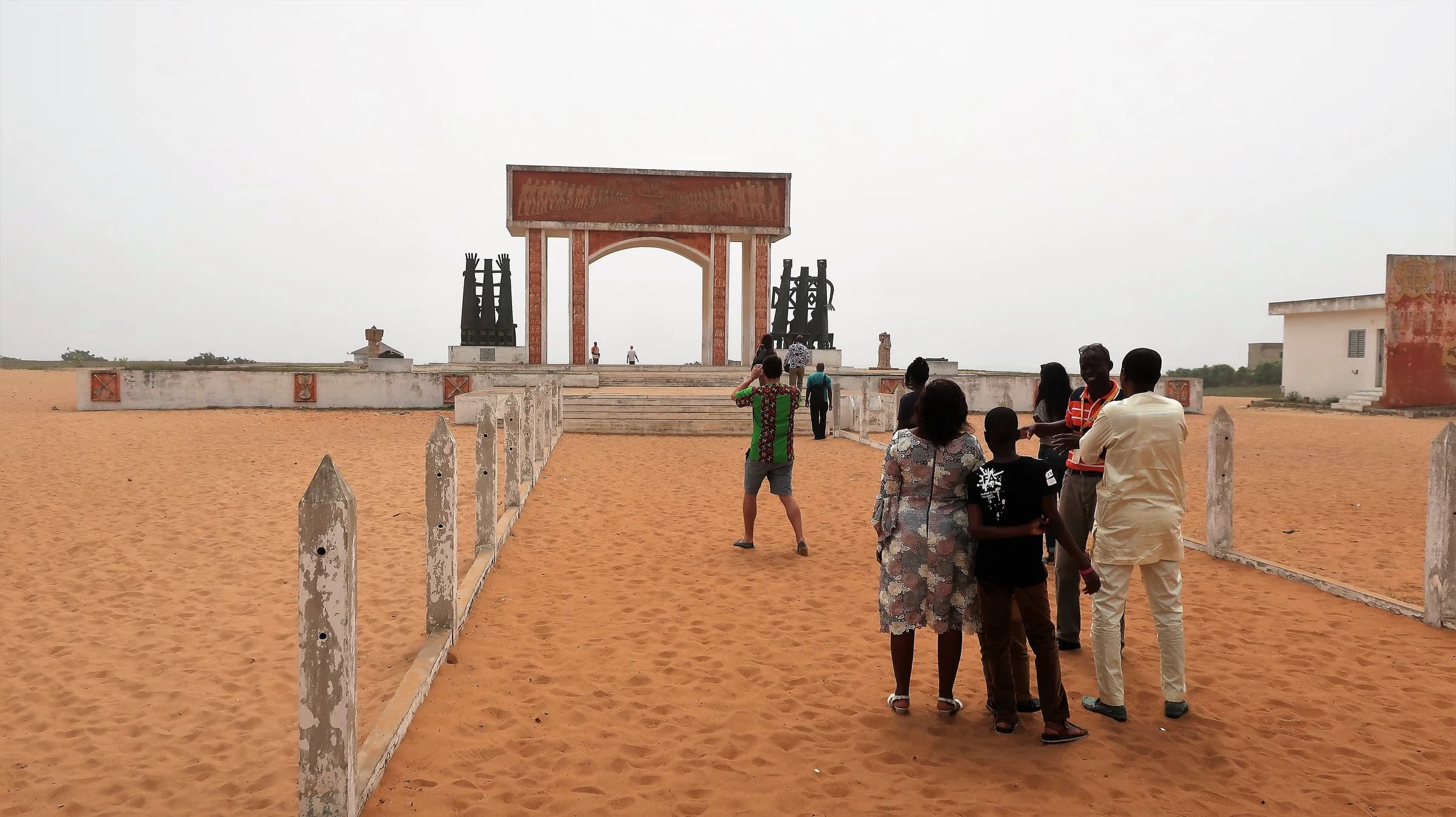
The Slave Route, a marked path running roughly four kilometers from Ouidah's old slave auction site to the beach, traces the same route enslaved people were forced to walk before being loaded onto ships bound for the Americas. Memorials line the path, and it ends at the Door of No Return, a monument directly on the beach marking the point of departure, a stark, deliberately unromanticized presentation of the town's role in one of history's most brutal chapters.
The Ouidah Museum of History, housed in a former Portuguese colonial fort, ties these threads together, covering both the mechanics of the slave trade that moved through the town and the deeper cultural history of Vodun that survived and spread despite it, giving visitors a genuinely layered understanding of how the two histories are inseparably connected.
What a trip here actually costs
$25 / day avg.
- Guesthouse in central Ouidah
- Local taxi and shared-van fares
- Casual Beninese meals
- Slave Route walk and Door of No Return, free
What to do at this tier
- • Walk the Slave Route from the old auction site to the Door of No Return monument on the beach, free
- • Temple des Pythons exterior and grounds, small entry fee
- • Ouidah's central market, free to wander
$60 / day avg.
- 3-star hotel in Ouidah
- Guided Vodun history and Python Temple tour
- Sit-down Beninese dinners
- Ouidah Museum of History entry
What to do at this tier
- • Guided tour covering Vodun history and its connection to diaspora religions in the Americas
- • Ouidah Museum of History, housed in a former Portuguese fort, covering the slave trade and colonial era
- • Sacred Forest of Kpasse, a small forest with statues representing Vodun deities
These are average estimates for planning purposes, not real-time prices — actual costs vary by season, availability, and how far ahead you book.
How to get there
Click anywhere on the world map — any airport works, not just our main hubs.
Click anywhere on the map above — any airport in the world works — to see estimated travel time and cost from there.
Times and prices are planning estimates, not live fares — always check a booking site before you commit. See the full Transport Comparison guide for the general tradeoffs of each mode.
Best time to visit
November-March is drier; the rest of the year sees heavier rain typical of coastal Benin's tropical climate.
Safety notes
Generally safe for tourists in Ouidah with standard precautions.
Visa & currency
West African CFA franc (XOF), shared across several West African countries and pegged to the euro. Most nationalities can obtain an e-visa in advance.
Questions people ask before visiting
Is Ouidah worth visiting?
Yes, particularly for travelers interested in the direct roots of Vodun and its diaspora religions — Ouidah was a major departure point in the transatlantic slave trade, and it remains a genuine, living center of Vodun practice today, giving visitors access to both the religion's origins and its ongoing modern practice in the same place.
How is Ouidah connected to Vodun, Vodou, and Voodoo practiced in the Americas?
Vodun originated among the Fon and Ewe peoples of this coastal region of West Africa. Enslaved people forced through ports like Ouidah carried the religion with them across the Atlantic, where it evolved into related but distinct traditions including Haitian Vodou, Brazilian Candomblé, and Louisiana Voodoo, all tracing a direct historical line back to this stretch of coast.
What is the Door of No Return in Ouidah?
A monument marking the point along Ouidah's beach where enslaved people were forced onto ships bound for the Americas, part of the Slave Route, a marked path leading from the town's old slave auction site to the coast, lined with memorials reflecting on the journey.
What is the Python Temple in Ouidah?
Temple des Pythons, a sacred Vodun temple housing live royal pythons considered sacred messengers in Vodun belief. Visitors can view and, with permission, hold the pythons, which are treated with reverence rather than fear within the temple's practice.
Nearby destinations
 Lagos
LagosLagos
Nigeria
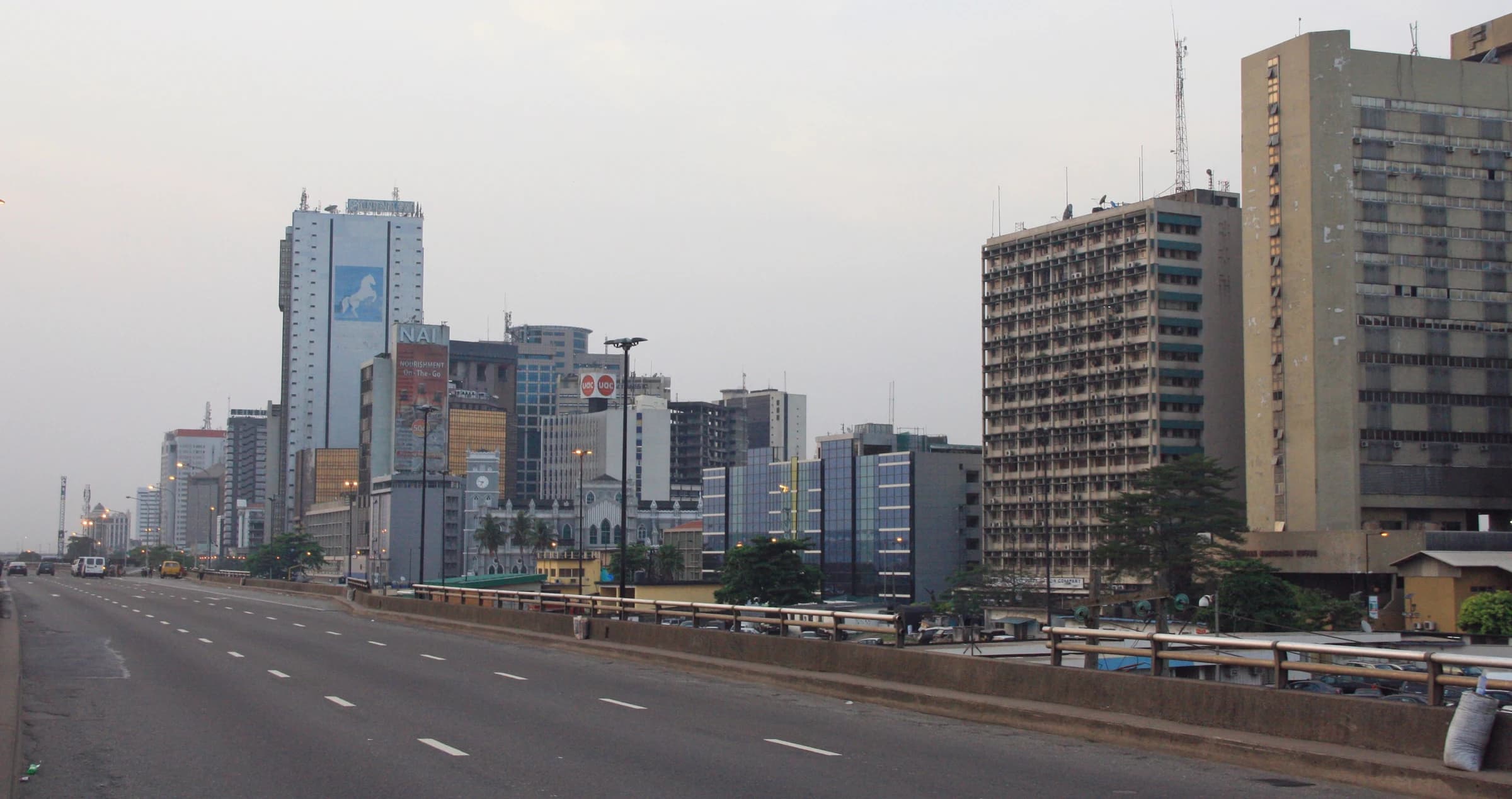
Lagos produces more films per year than almost anywhere else on Earth — Nollywood, Nigeria's film industry centered here, regularly outproduces Hollywood in sheer volume, and the city's music scene has done something similar to global pop charts, turning Afrobeats into one of the most-streamed genres in the world.
See full guide →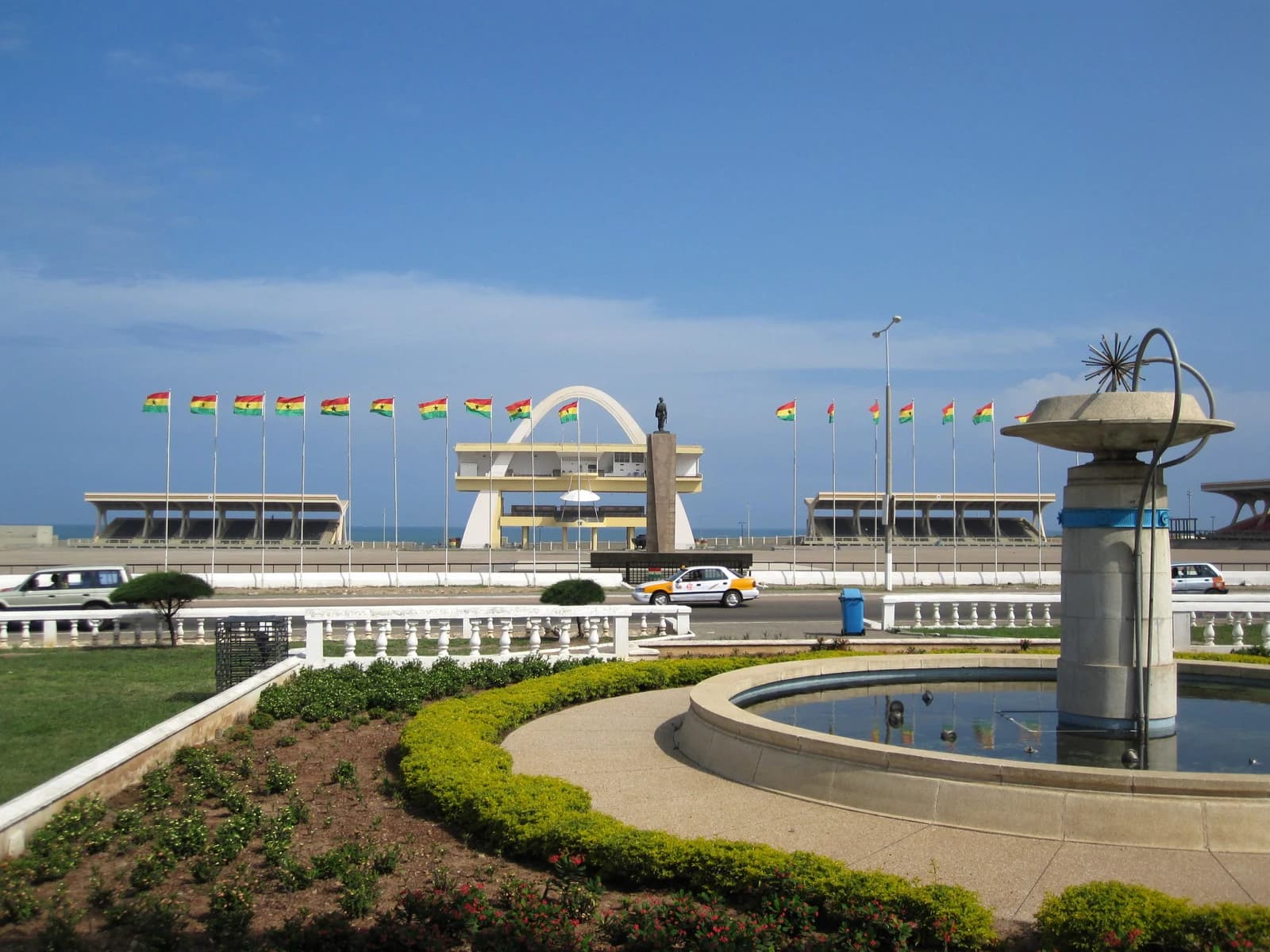 Accra
AccraAccra
Ghana
In 2019, Ghana declared a nationwide 'Year of Return' marking 400 years since the first enslaved Africans arrived in Virginia, inviting the African diaspora to reconnect with the continent — hundreds of thousands of people, many African American, took the government up on it, and Accra has been building on that momentum as a diaspora-tourism hub ever since.
See full guide →Comparing more than one route? See the full transport comparison guide.