Cameroon · Africa
Douala
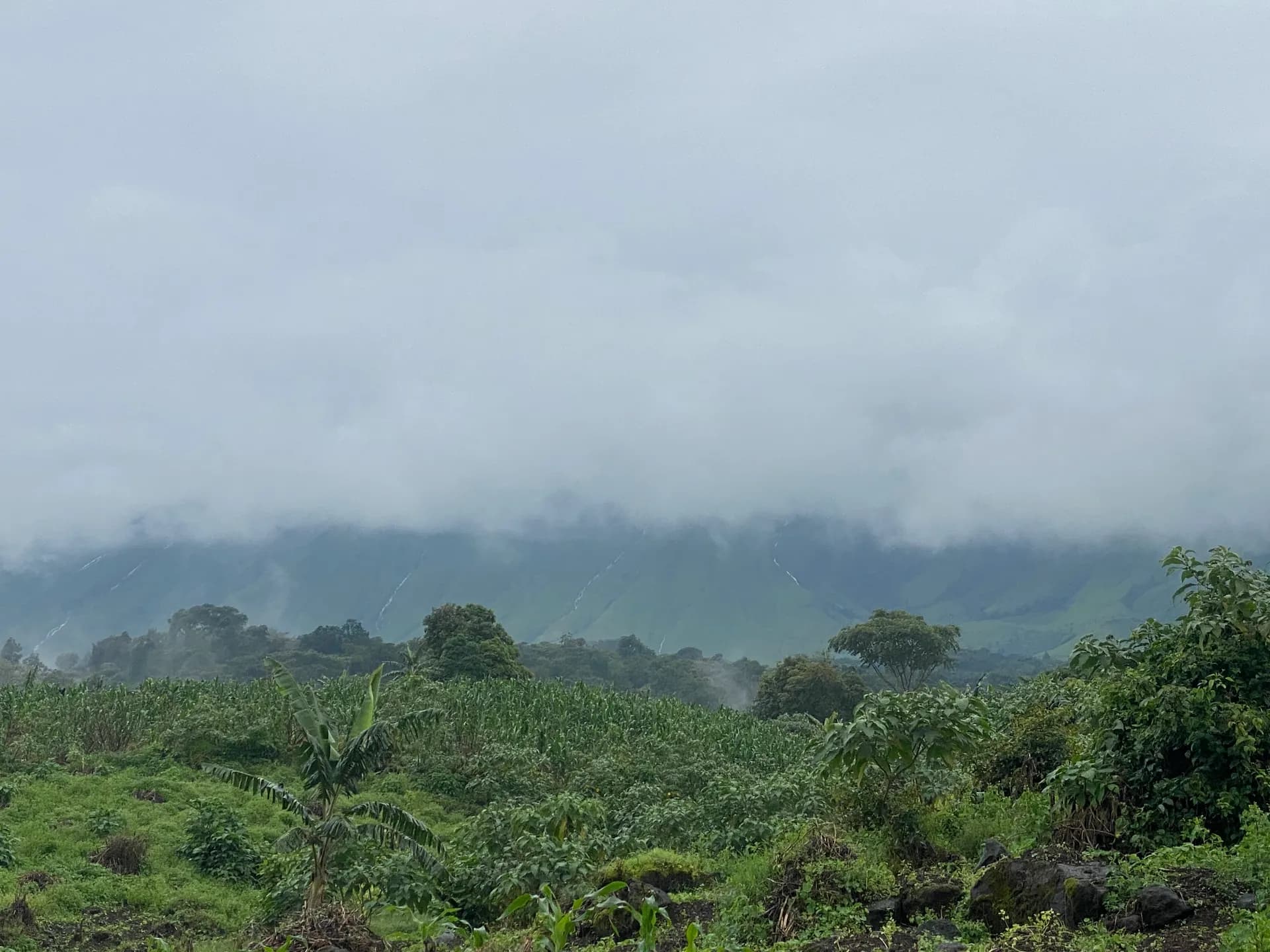
Cameroon is nicknamed 'Africa in miniature' for holding nearly every landscape the continent offers within one country, and Douala, its steamy port city, sits within striking distance of Mount Cameroon, West Africa's tallest peak and one of the most active volcanoes on the continent.
Cameroon carries the nickname "Africa in miniature" for a genuinely earned reason: within one country's borders sit Atlantic beaches, dense equatorial rainforest, rolling savanna, semi-arid terrain in the far north, and volcanic highlands, a range of landscape few other African countries pack into a comparable area. Over 250 ethnic groups and both French and English as official languages add a similarly compressed cultural range, itself a direct legacy of the country's split colonial history between French and British administration.
Douala, Cameroon's largest city and main port, functions as the practical entry point to most of this rather than a destination built around its own landmarks. The city's Bonanjo district holds colonial-era German and French architecture from Cameroon's earlier colonial administrations, and its central market gives a genuine, unfiltered look at West-Central African commerce, but most visitors treat Douala primarily as a base for what lies just beyond it.
That's Mount Cameroon, at 4,040 meters West Africa's tallest peak and one of the continent's most active volcanoes, with documented eruptions as recently as 2000. Guided multi-day treks depart from Buea, roughly an hour from Douala, climbing through rainforest into increasingly barren volcanic terrain near the summit, a genuinely demanding hike that rewards climbers with views stretching to the Gulf of Guinea on clear days. Nearby Limbe adds black volcanic sand beaches and a wildlife center focused on rescued primates, including chimpanzees and drills, displaced by habitat loss and the bushmeat trade elsewhere in the country.
It's necessary to address Cameroon's safety situation honestly rather than skip past it. The country's Anglophone Northwest and Southwest regions have experienced an ongoing separatist conflict since 2017, a serious, still-unresolved crisis that's displaced hundreds of thousands of people, and the Far North near the Nigerian border has seen intermittent Boko Haram-related violence. Neither area belongs on a standard first visit regardless of the conflict, and Douala, Yaoundé, and the coastal Southwest around Buea and Limbe remain outside those specific zones, generally manageable for travelers taking normal precautions.
For visitors focused on that accessible coastal and highland corridor, Douala offers a genuine, still largely undiscovered entry point into West-Central Africa's landscape diversity, Mount Cameroon's volcanic slopes and Limbe's black-sand coast both within a short drive of a major international airport, without requiring travel into the country's genuinely difficult regions.
What a trip here actually costs
$55 / day avg.
- Budget hotel in Douala
- Shared taxi transport
- Local Cameroonian meals
- Douala market wander, free
What to do at this tier
- • Douala's central market and waterfront, free
- • Local street food along the main avenues
- • Bonanjo colonial district walk
$125 / day avg.
- Mid-range hotel in Douala or Limbe
- Private driver for excursions
- Restaurant meals
- Guided Mount Cameroon day hike or Limbe wildlife center visit
What to do at this tier
- • Mount Cameroon guided trek from Buea
- • Limbe Wildlife Centre, rescued primates
- • Limbe's black volcanic sand beaches
These are average estimates for planning purposes, not real-time prices — actual costs vary by season, availability, and how far ahead you book.
How to get there
Click anywhere on the world map — any airport works, not just our main hubs.
Click anywhere on the map above — any airport in the world works — to see estimated travel time and cost from there.
Times and prices are planning estimates, not live fares — always check a booking site before you commit. See the full Transport Comparison guide for the general tradeoffs of each mode.
Best time to visit
November-February is the driest window and best for Mount Cameroon treks; the wet season runs roughly March-October, with the mountain's slopes among the wettest places in Africa.
Safety notes
Stick to Douala, Yaoundé, and the Southwest coastal areas around Buea and Limbe; avoid the Anglophone Northwest and Southwest interior regions affected by separatist conflict, and the Far North near the Nigerian border, both outside a standard first visit.
Visa & currency
Central African CFA franc (XAF). Most nationalities require a visa in advance; confirm current requirements before booking.
Questions people ask before visiting
Is Cameroon safe to visit?
Douala, Yaoundé, and Mount Cameroon's slopes near Buea generally see manageable safety conditions for tourists with standard precautions. The country's Anglophone Northwest and Southwest regions have experienced an ongoing separatist conflict since 2017, and the Far North has seen Boko Haram-related activity; both areas are best avoided and are outside a typical first visit's itinerary regardless.
Why is Cameroon called 'Africa in miniature'?
Cameroon holds an unusually wide range of the continent's landscapes within one country, coastal beaches, dense rainforest, savanna, semi-desert in the far north, and volcanic highlands, along with over 250 ethnic groups and both French and English as official languages, a diversity that's earned it the nickname.
How do you climb Mount Cameroon?
Mount Cameroon, at 4,040 meters West Africa's tallest peak, is climbed via guided multi-day treks departing from Buea, a town roughly an hour from Douala. The mountain is also one of Africa's most active volcanoes, with eruptions recorded as recently as 2000, and guides are required by regulation for the ascent.
What is Douala known for?
Douala is Cameroon's largest city and main economic and port hub rather than a landmark-driven tourist destination, functioning primarily as the practical gateway to Mount Cameroon, the coastal town of Limbe, and onward travel into the country's diverse interior.
Nearby destinations
 Lagos
LagosLagos
Nigeria
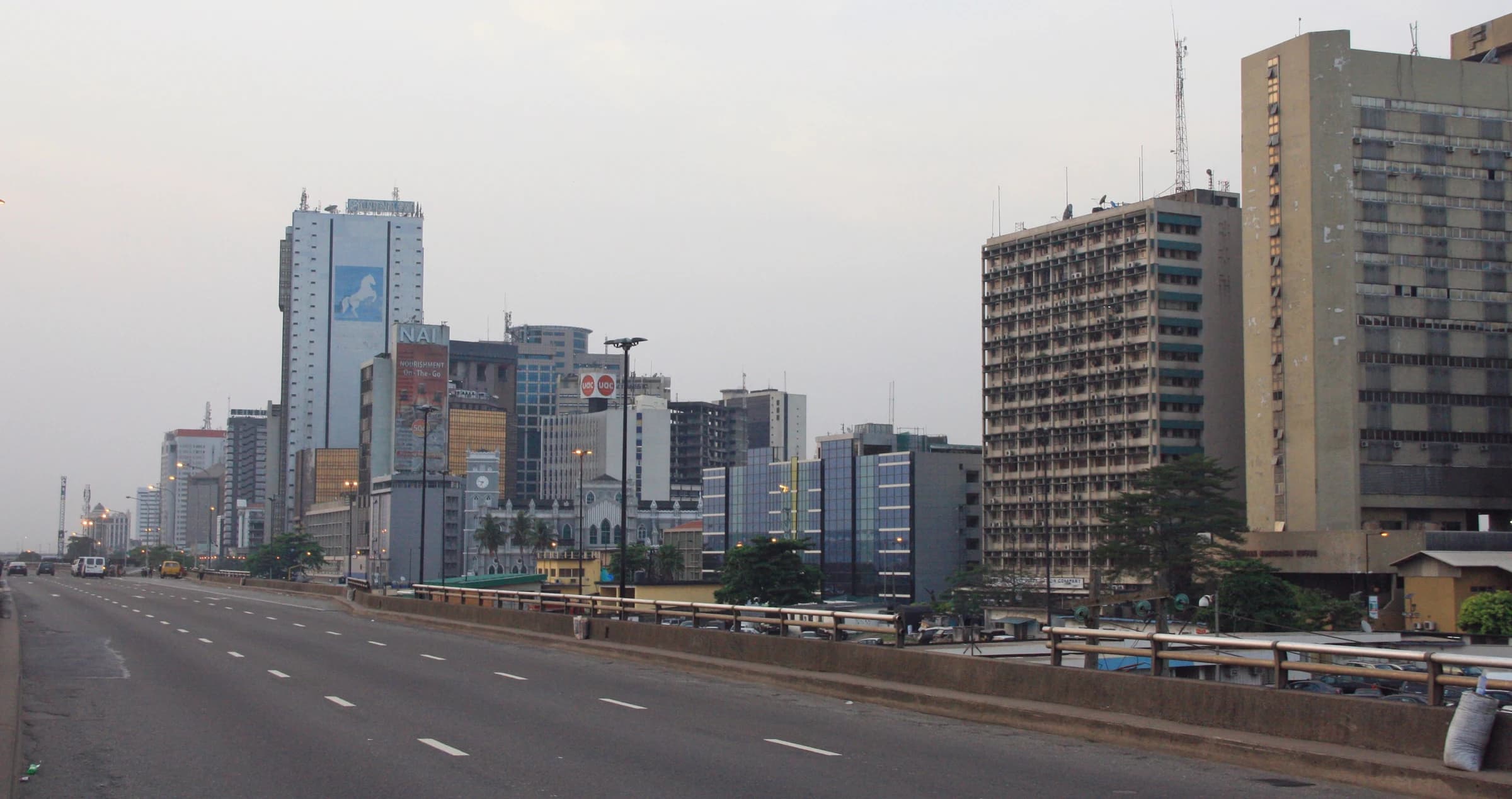
Lagos produces more films per year than almost anywhere else on Earth — Nollywood, Nigeria's film industry centered here, regularly outproduces Hollywood in sheer volume, and the city's music scene has done something similar to global pop charts, turning Afrobeats into one of the most-streamed genres in the world.
See full guide →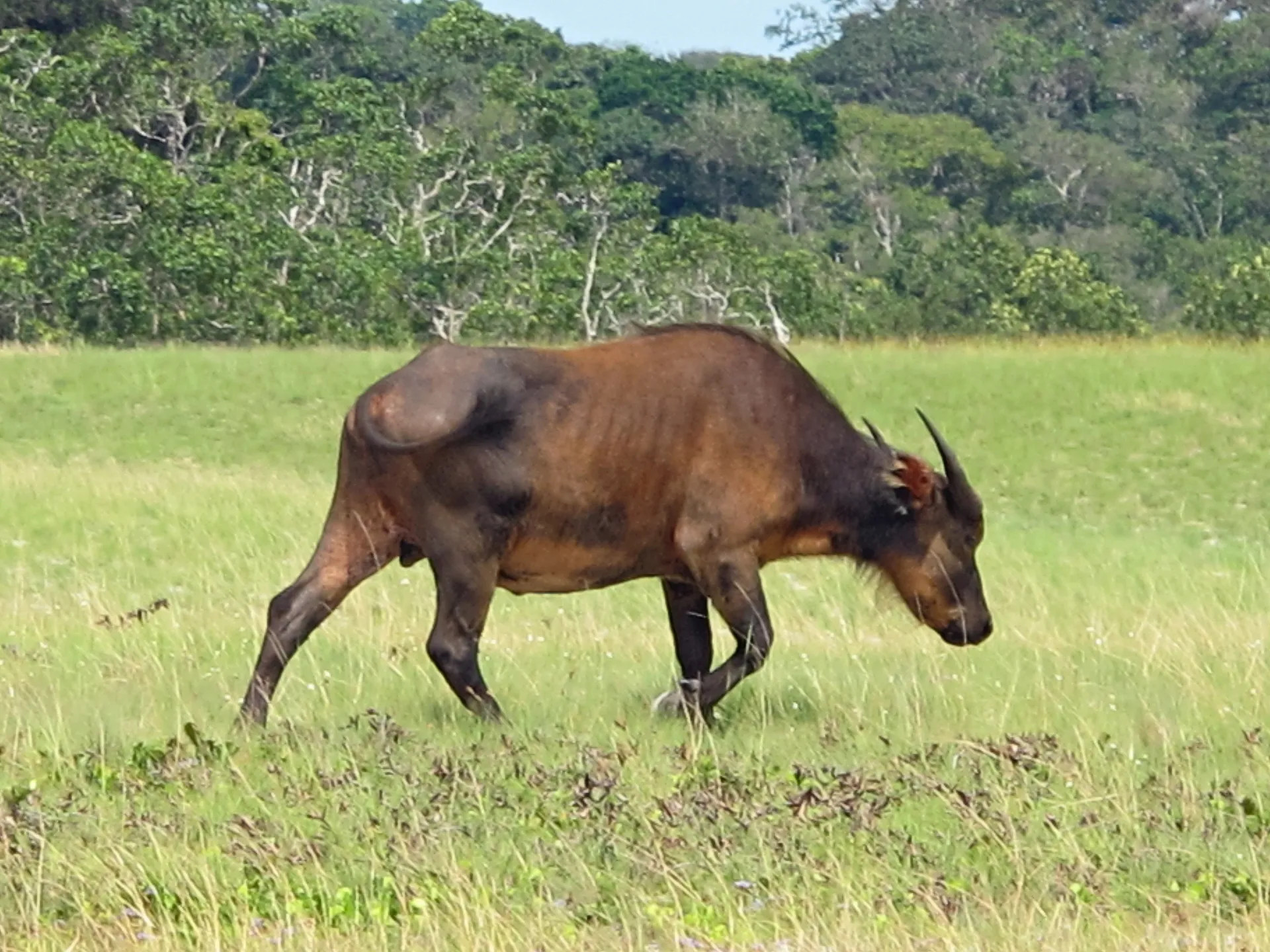 Libreville
Libreville
Gabon
Gabon has kept roughly 88 percent of its land under forest cover, more than almost any other country on Earth, and just south of its capital, Loango National Park is the only place documented where surfers occasionally share the break with wild hippos.
See full guide →Comparing more than one route? See the full transport comparison guide.