Angola · Africa
Luanda
Luanda spent years ranked among the most expensive cities on Earth for international workers, pricier than London or Tokyo for a basic apartment — a direct result of oil wealth pouring into a small expat housing market after Angola's brutal 27-year civil war finally ended in 2002.
For years, Luanda ranked among the most expensive cities in the world for international workers, at times pricier than London, Tokyo, or New York for a basic secure apartment, a genuinely startling fact for a capital in one of the world's less-visited countries. The cause traces directly to Angola's oil wealth, which poured into Luanda after the country's brutal 27-year civil war finally ended in 2002, driving rapid development that outpaced the available supply of modern, secure housing and pushed prices to extremes even as much of Angola outside the capital remained considerably poorer.
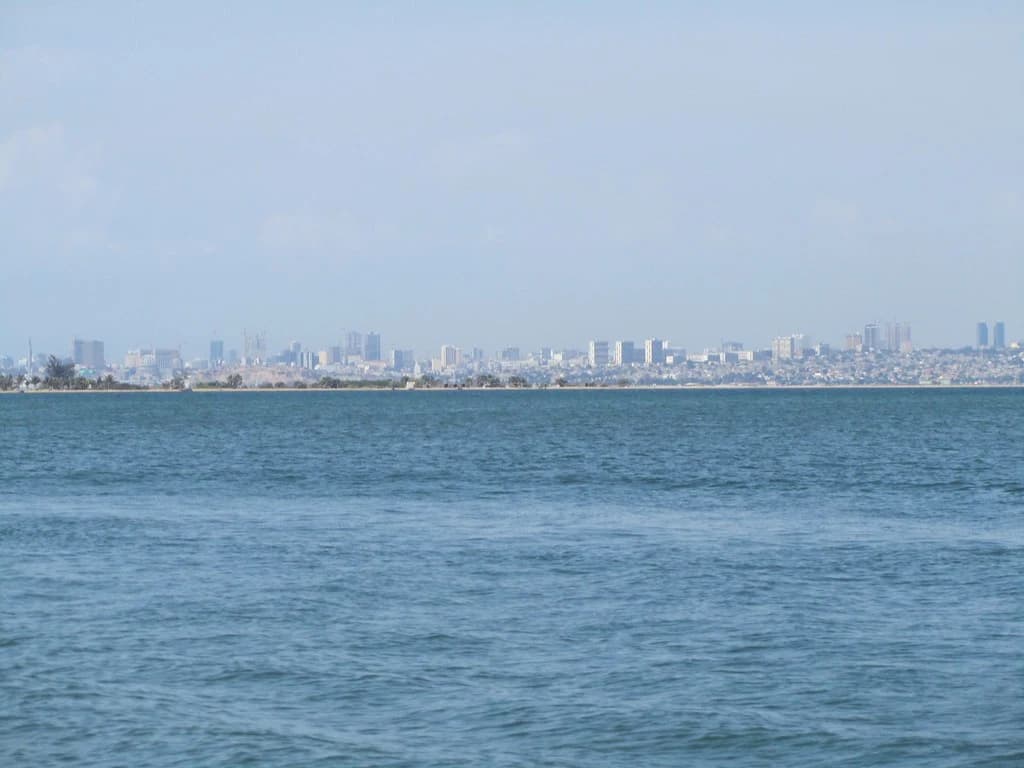
That contrast, extreme oil wealth concentrated in a small part of the city alongside a country still rebuilding from decades of conflict, shapes much of how Luanda actually feels to visit: gleaming new towers and international hotels sit not far from neighborhoods still marked by the war's long aftermath, a genuinely direct visual record of Angola's uneven recovery.
Fortaleza de São Miguel, built by Portuguese colonizers in the 1570s, ranks among the oldest European structures anywhere in the region, predating most colonial architecture found further up the African coast. Overlooking Luanda's harbor and the sandbar peninsula of Ilha de Luanda, it now functions partly as a military museum while remaining one of the clearest physical links to Angola's nearly 500 years under Portuguese rule, which lasted until independence in 1975.
That independence was followed almost immediately by civil war, a conflict between rival independence movements that dragged on for 27 years, drawing in Cold War-era foreign involvement from both the Soviet bloc and the United States before finally ending in 2002. Luanda's rapid postwar reconstruction, funded heavily by oil revenue, has left the city with a genuinely modern skyline in parts, even as the legacy of that long conflict remains visible elsewhere.
Ilha de Luanda, a narrow sandbar stretching out from the city into the Atlantic, gives Luanda a genuine beach escape within the capital itself, popular with both locals and the city's international expat community for its restaurants and calmer bay-side water compared to the open ocean side.
What a trip here actually costs
$130 / day avg.
- 3-star hotel in central Luanda
- Local taxi fares
- Casual Angolan-Portuguese meals
- Fortaleza de Sao Miguel entry
What to do at this tier
- • Fortaleza de São Miguel, a 16th-century Portuguese fortress with harbor views, entry fee applies
- • Downtown Luanda's colonial-era Portuguese architecture, free to walk
- • Ilha de Luanda, a sandbar peninsula with public beach access
$300 / day avg.
- 4-5 star hotel in central Luanda
- Private guided city history tour
- Multi-course dinners at top Luanda restaurants
- Ilha de Luanda beach day with a private driver
What to do at this tier
- • Private guided city history tour covering Portuguese colonial rule and the post-independence civil war era
- • Multi-course dinner at a leading Luanda restaurant blending Angolan and Portuguese cuisine
- • Private beach day at Ilha de Luanda with reserved beach club access
These are average estimates for planning purposes, not real-time prices — actual costs vary by season, availability, and how far ahead you book.
How to get there
Click anywhere on the world map — any airport works, not just our main hubs.
Click anywhere on the map above — any airport in the world works — to see estimated travel time and cost from there.
Times and prices are planning estimates, not live fares — always check a booking site before you commit. See the full Transport Comparison guide for the general tradeoffs of each mode.
Best time to visit
May-September, Angola's cooler, drier season, brings more comfortable temperatures than the hot, humid stretch from October through April.
Safety notes
Generally safe for tourists in central Luanda with standard urban caution; costs are genuinely high, so budget accordingly rather than expecting African-average pricing.
Visa & currency
Angolan kwanza (AOA). Angola significantly liberalized its visa policy starting in 2018, now offering visa-free entry or visa on arrival to many nationalities that previously needed a complex advance application — confirm current requirements before booking given how recently this changed.
Questions people ask before visiting
Is Luanda worth visiting?
Yes, for travelers interested in a genuinely off-the-beaten-path destination — Portuguese colonial architecture, a rapidly modernizing skyline built on oil wealth, and Ilha de Luanda's beaches give the city a distinct identity, though it sees relatively few international tourists compared to more established African capitals.
Why is Luanda so expensive?
Angola's oil wealth, concentrated heavily in Luanda after the civil war ended in 2002, drove years of rapid but uneven development, and a limited supply of secure, modern expat-standard housing pushed rents and everyday costs to levels that repeatedly ranked Luanda among the world's most expensive cities for international workers, even as much of the country remained considerably poorer.
What is Fortaleza de São Miguel?
A Portuguese colonial fortress built in the 1570s overlooking Luanda's harbor, among the oldest European structures in the region. It now functions partly as a military museum and offers views over the bay and Ilha de Luanda.
How many days do you need in Luanda?
Two to three days covers Fortaleza de São Miguel, the colonial-era downtown, and Ilha de Luanda's beaches. Angola remains a relatively undeveloped tourism destination outside the capital, so most first-time visitors keep the trip focused on the city itself.
Nearby destinations
Comparing more than one route? See the full transport comparison guide.