Namibia · Africa
Swakopmund
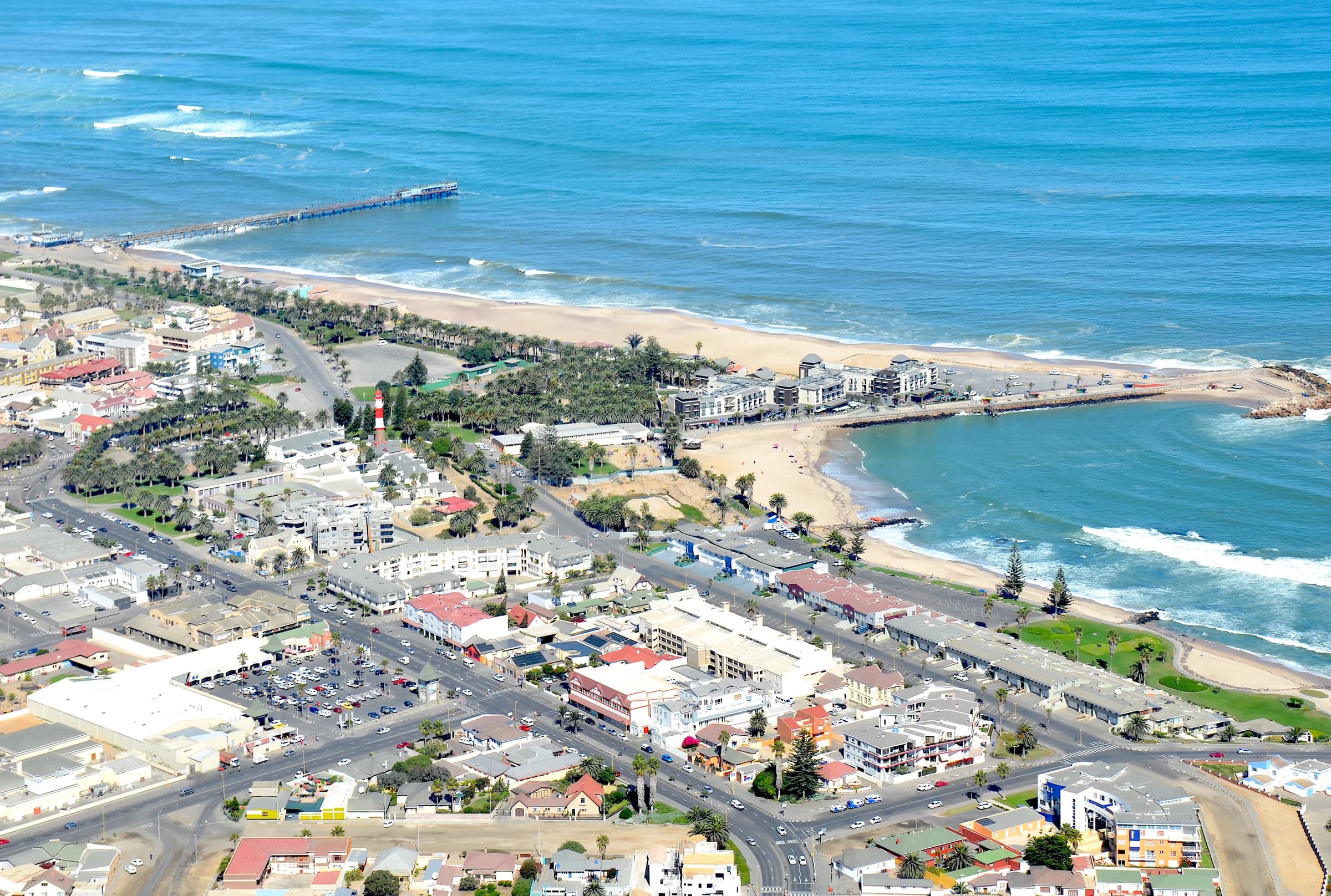
Swakopmund still looks unmistakably German — half-timbered buildings, bakeries, and street names left over from its founding in 1892 as the main port of German South-West Africa — except the town sits wedged directly between the Namib Desert's dunes and the cold, foggy Atlantic, a combination that exists nowhere else quite like it.
Swakopmund still looks unmistakably German, a legacy of its founding in 1892 as the main port for German South-West Africa, the colony Germany administered until South African forces seized it during World War I. Half-timbered buildings, a distinctly European town layout, and bakeries selling genuine German pastries all survived the colonial era intact, and Namibia's 1990 independence from South African administration didn't erase that architectural character — if anything, the town has leaned into it as part of its tourist identity.
What makes Swakopmund genuinely unusual, though, is where all that German architecture sits: wedged directly between the towering dunes of the Namib Desert and the cold, often fog-shrouded Atlantic Ocean. The Benguela current, flowing north along Namibia's coast from the Antarctic, keeps the ocean and coastal air here notably cooler than the desert just a short distance inland, creating a genuine climate contrast within a few kilometers that shapes the whole town's atmosphere.
That dune-and-ocean combination has made Swakopmund Namibia's de facto adventure sports capital. Sandboarding and quad biking operators work the dunes just outside town, and a well-established skydiving operation drops jumpers over a landscape where desert sand and ocean often appear in the same frame, a view genuinely rare to see from any altitude, let alone free fall.
North of town, the Skeleton Coast takes its grim name from the shipwrecks and whale bones that historically accumulated along its shore, a result of thick coastal fog, strong currents, and a coastline that proved treacherous to navigate for centuries of sailors. It remains one of the most remote and sparsely populated coastal stretches anywhere in Africa, and day trips from Swakopmund give visitors a glimpse of its stark, foggy beauty without committing to the multi-day expeditions needed to explore its more distant reaches.
Cape Cross, a couple hours up the coast, holds one of the largest Cape fur seal colonies in the world, numbering well into the hundreds of thousands at peak season, and the sound and smell of the colony from the viewing area is, for most visitors, as memorable as the sight of it.
What a trip here actually costs
$90 / day avg.
- 3-star guesthouse in central Swakopmund
- Rental car or arranged transfers
- Casual German-Namibian meals
- Sandboarding session on the dunes
What to do at this tier
- • Sandboarding on the dunes just outside town, board rental typically included
- • Walk through Swakopmund's German colonial architecture, including the old railway station and lighthouse, free
- • Cape Cross seal colony day trip, home to one of the largest Cape fur seal colonies in the world
$220 / day avg.
- 4-5 star hotel with dune or ocean views
- Guided quad biking and sandboarding excursion
- Multi-course dinners at top Swakopmund restaurants
- Skeleton Coast scenic day trip
What to do at this tier
- • Guided quad biking excursion across the dune fields surrounding the town
- • Skydiving over the dunes and coastline, a well-established local operation
- • Scenic day trip along the Skeleton Coast, including shipwreck sites and desert-meets-ocean viewpoints
These are average estimates for planning purposes, not real-time prices — actual costs vary by season, availability, and how far ahead you book.
How to get there
Click anywhere on the world map — any airport works, not just our main hubs.
Click anywhere on the map above — any airport in the world works — to see estimated travel time and cost from there.
Times and prices are planning estimates, not live fares — always check a booking site before you commit. See the full Transport Comparison guide for the general tradeoffs of each mode.
Best time to visit
March-May and September-November offer comfortable temperatures; Swakopmund's coastal desert climate stays notably cooler and foggier than inland Namibia year-round, thanks to the cold Benguela current offshore.
Safety notes
Generally very safe for tourists with standard precautions; adventure activities like sandboarding and skydiving carry inherent physical risk, so book with an established, well-reviewed operator.
Visa & currency
Namibian dollar (NAD), pegged 1:1 to the South African rand, which is also widely accepted. Many Western passport holders can enter visa-free for short stays, worth confirming before booking.
Questions people ask before visiting
Is Swakopmund worth visiting?
Yes, particularly for adventure travel — the town sits directly at the edge of towering Namib dunes, with sandboarding, quad biking, and skydiving operators all based here, and its distinctly German colonial architecture gives it a genuinely different atmosphere from anywhere else in Namibia.
Why does Swakopmund look German?
Germany established Swakopmund in 1892 as the main port for German South-West Africa, then its colony, and the town's half-timbered buildings, bakeries, and street layout still reflect that era. Namibia gained independence from South African administration in 1990, but Swakopmund's colonial-era architecture was largely preserved rather than replaced.
What is the Skeleton Coast?
A stretch of Namibia's Atlantic coastline north of Swakopmund, named for the shipwrecks and whale bones that historically littered its shores, a result of thick fog, strong currents, and a coastline notoriously difficult to navigate. It remains one of the most remote and starkly beautiful coastal stretches in Africa.
How many days do you need in Swakopmund?
Two to three days allows time for sandboarding or quad biking on the dunes, a walk through the town's colonial architecture, and a half-day trip toward the Skeleton Coast or a nearby seal colony.
Nearby destinations
 Sossusvlei
Sossusvlei
Namibia
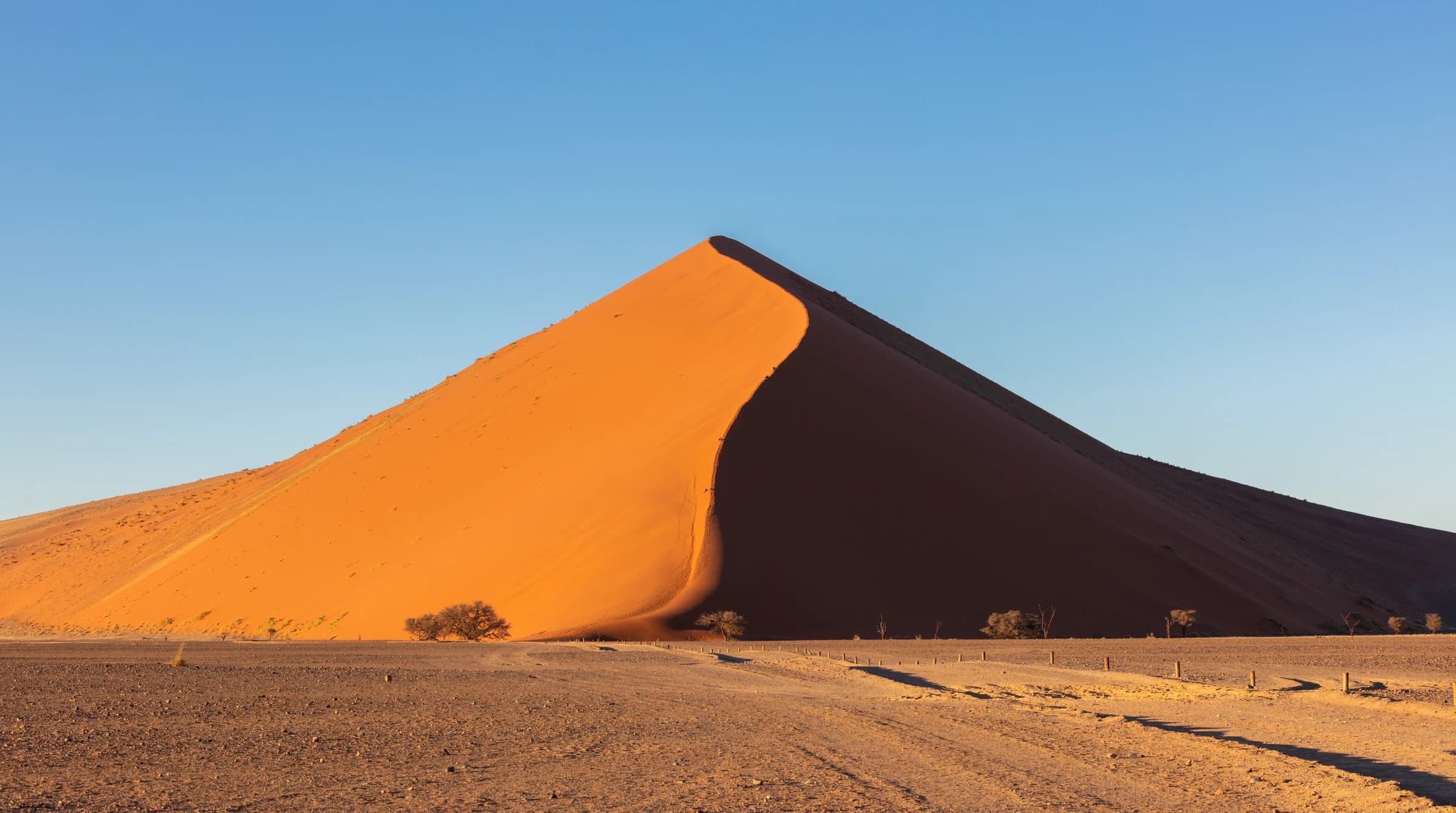
The Namib Desert is generally considered the oldest desert on Earth, arid for somewhere between 55 and 80 million years, and its towering red dunes at Sossusvlei have had that much time to grow — some rank among the tallest dunes anywhere in the world.
See full guide →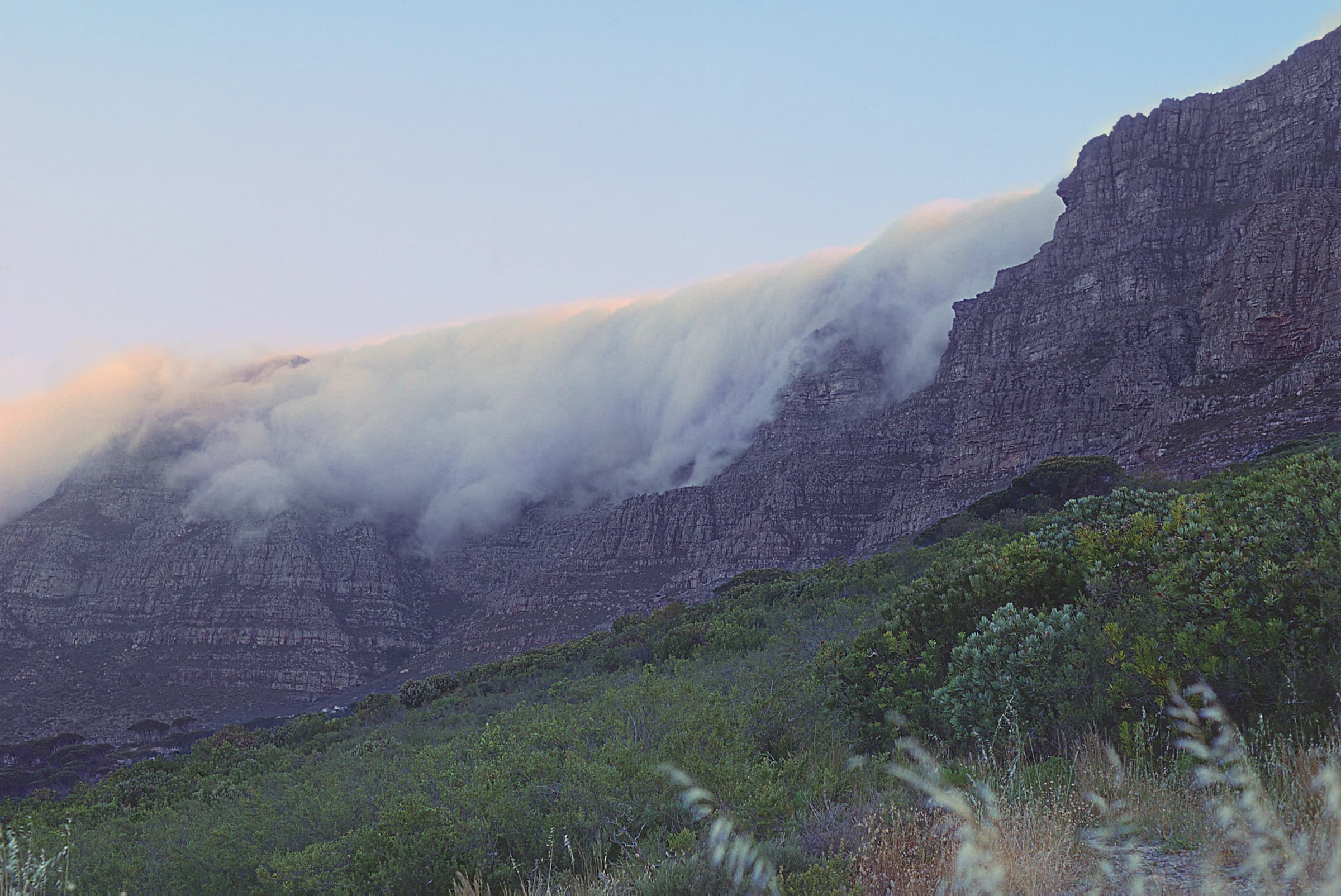 Cape Town
Cape Town
South Africa
Table Mountain is roughly six times older than the Himalayas, formed over 260 million years before those mountains existed, and it still anchors Cape Town's skyline so completely that the city planned its entire waterfront around keeping the view of it unobstructed.
See full guide →Comparing more than one route? See the full transport comparison guide.