Senegal · Africa
Dakar
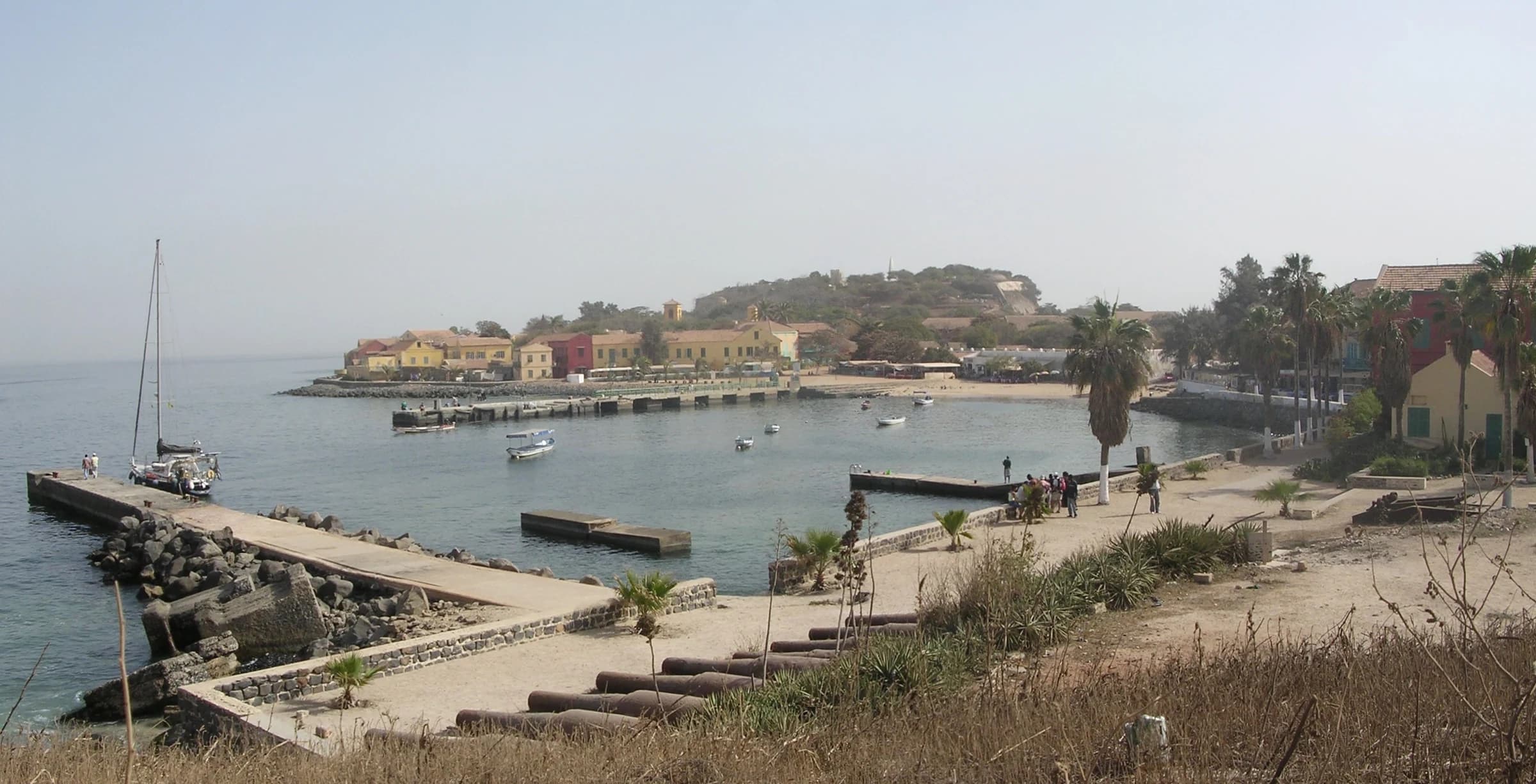
Dakar sits at the westernmost point of mainland Africa, and just offshore, Gorée Island holds a small stone doorway known as the Door of No Return — the last thing hundreds of thousands of enslaved people reportedly saw of the continent before being forced onto ships bound across the Atlantic.
Dakar sits at the westernmost point of mainland Africa, and Gorée Island, a short ferry ride offshore, holds one of the continent's most direct physical memorials to the Atlantic slave trade. The House of Slaves, a former slave-trading house on the island, has a small stone doorway known as the Door of No Return, opening directly onto the water where enslaved people were reportedly loaded onto ships bound across the Atlantic. UNESCO listed the island as a World Heritage Site in 1978, and while historians continue to debate the precise scale of trade that moved through this particular house, the site functions as a memorial to the broader history rather than resting its significance on one exact count.
The African Renaissance Monument, a towering bronze statue on a hill overlooking the city, offers a very different, more recent kind of statement. Completed in 2010 to mark the 50th anniversary of Senegal's independence from France, the statue depicts a man, woman, and child emerging from a mountain, and at over 49 meters tall, it stands taller than the Statue of Liberty. It was also genuinely controversial within Senegal, both for its considerable cost and for depicting figures in revealing clothing in a majority-Muslim country, debates that shaped its reception as much as the monument's intended symbolism of African progress.
Lake Retba, known locally as Lac Rose, sits just outside the city and turns a distinct pink, most visibly during the dry season, thanks to a salt-tolerant algae that produces a red pigment when the water's salinity peaks. Workers have harvested salt from the lake by hand for generations, wading in coated with shea butter for skin protection and hauling baskets of salt to shore, a livelihood that continues alongside the lake's growing tourist draw.
Dakar's music scene runs genuinely deep rather than existing as a tourist-facing performance. Mbalax, a percussion-heavy style blending traditional Senegalese rhythms with Cuban and jazz influences, dominates the city's live venues, and Youssou N'Dour, one of its most internationally recognized artists, still performs at his own Dakar club when not touring internationally, giving visitors real access to a scene that exists independently of the tourism industry.
Dakar's climate runs drier than the tropical West African coastline further south, shaped by its position at the edge of the Sahel, and the city's dry season roughly November through May brings the most comfortable stretch for walking central Dakar's markets and Gorée Island's narrow colonial-era streets.
What a trip here actually costs
$30 / day avg.
- Guesthouse in central Dakar
- Local car rapide shared transport fares
- Casual Senegalese meals, thieboudienne and yassa
- Gorée Island ferry and self-guided walk
What to do at this tier
- • Gorée Island ferry and self-guided walk past the House of Slaves and Door of No Return, ferry fare and entry apply
- • Sandaga Market, a large, dense central market for textiles and goods, free to browse
- • Pointe des Almadies, the westernmost point of mainland Africa, free
$75 / day avg.
- 3-star hotel in central Dakar
- Guided Gorée Island history tour
- Sit-down Senegalese dinners
- Half-day Lake Retba excursion
What to do at this tier
- • Guided Gorée Island tour covering the House of Slaves and the island's colonial architecture in depth
- • African Renaissance Monument, a towering bronze statue overlooking Dakar, entry fee for the viewing platform
- • Half-day trip to Lake Retba, including a boat ride and salt-harvesting demonstration
$190 / day avg.
- 4-5 star hotel in Dakar
- Private guided Gorée Island and House of Slaves tour
- Multi-course dinners at top Dakar restaurants
- Private day trip to Lake Retba and the Pink Lake salt flats
What to do at this tier
- • Private guided full-day Gorée Island and Dakar colonial history tour
- • Private day trip to Lake Retba with a dedicated driver and guide
- • Live music evening at one of Dakar's established venues, tied to the city's strong Afro-pop and mbalax music scene
These are average estimates for planning purposes, not real-time prices — actual costs vary by season, availability, and how far ahead you book.
How to get there
Click anywhere on the world map — any airport works, not just our main hubs.
Click anywhere on the map above — any airport in the world works — to see estimated travel time and cost from there.
Times and prices are planning estimates, not live fares — always check a booking site before you commit. See the full Transport Comparison guide for the general tradeoffs of each mode.
Best time to visit
November-May avoids the heaviest rains, which fall roughly June-October; the cooler, drier months are generally the most comfortable for walking around the city.
Safety notes
Generally safe for tourists in central Dakar and Gorée Island with standard urban caution; Dakar's traffic is heavy and chaotic, so allow real time for getting around the city.
Visa & currency
West African CFA franc (XOF), shared across several West African countries and pegged to the euro. Many nationalities, including most Western passport holders, can enter Senegal visa-free for tourism stays.
Questions people ask before visiting
Is Dakar worth visiting?
Yes, particularly for travelers interested in West African history and music — Gorée Island's slave trade history is a UNESCO World Heritage Site a short ferry ride from the city, and Dakar's live music scene, tied to global stars like Youssou N'Dour, remains genuinely active rather than a tourist recreation.
What is Gorée Island's Door of No Return?
A doorway in the House of Slaves, a former slave-trading house on Gorée Island, that opened directly onto the water where enslaved people were reportedly loaded onto ships. UNESCO listed the island as a World Heritage Site in 1978, and while historians debate the exact volume of trade that passed through this specific house, the site stands as a memorial to the broader Atlantic slave trade.
Is Lake Retba really pink?
Yes, at least seasonally — Lac Rose gets its color from a salt-tolerant algae that produces a red pigment when the water's salinity is highest, typically in the dry season. Local workers have harvested salt from the lake for generations, and the pink color can vary noticeably depending on weather and time of year.
How many days do you need in Dakar?
Two to three days covers Gorée Island, the African Renaissance Monument, and central Dakar's markets. Lake Retba is commonly added as a half-day or full-day trip just outside the city.
Nearby destinations
Comparing more than one route? See the full transport comparison guide.