United Arab Emirates · Asia
Dubai
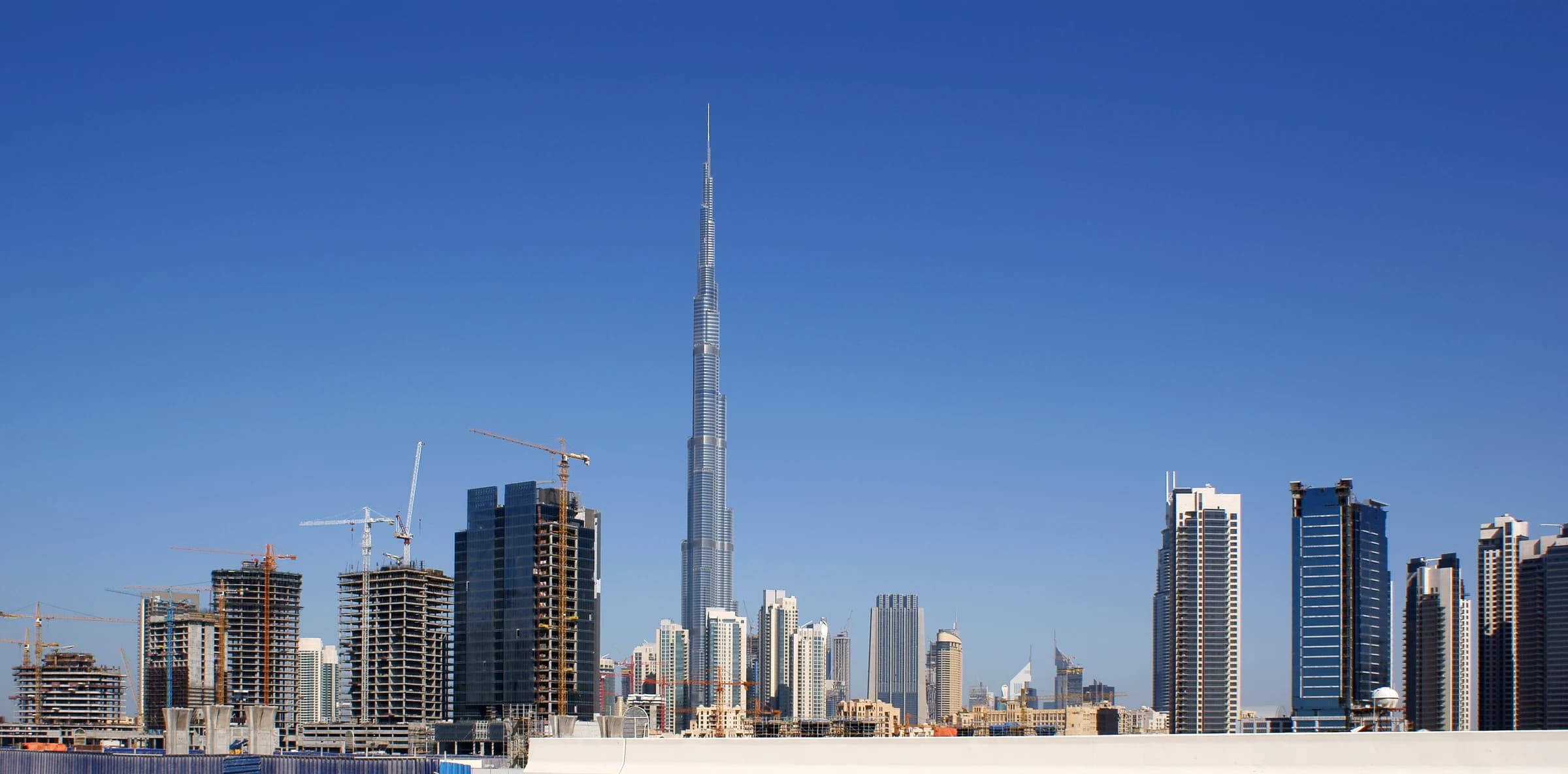
Less than sixty years ago Dubai was a small fishing and pearling village on the Persian Gulf; today it holds the Burj Khalifa, the tallest building on Earth, and an artificial palm-shaped archipelago visible from space — a transformation compressed into roughly a single working lifetime rather than the centuries most major cities took to build themselves.
Less than sixty years ago, Dubai was a modest fishing and pearling settlement on the Persian Gulf, its economy built around dhow trading boats and a pearl industry that collapsed once Japan developed cultured pearls in the early 20th century. Oil was discovered in 1966, but Dubai's reserves were always smaller than those of neighboring Abu Dhabi, and the city's leadership made an early, deliberate bet on diversifying into trade, finance, real estate, and tourism rather than depending on oil revenue long-term.
That bet produced the Burj Khalifa, completed in 2010 and standing 828 meters tall, currently the tallest building in the world by a wide margin. Its observation decks on levels 124 and 125 look out over the rest of the city's skyline, itself dense with skyscrapers that mostly didn't exist before the 2000s, a genuinely unusual sight for a city this young.
Palm Jumeirah, an artificial archipelago shaped like a palm tree and built from dredged sand and rock, extends the city's coastline and is visible clearly from satellite images, one of the most recognizable pieces of large-scale land reclamation anywhere in the world. It now holds hotels, private residences, and beach clubs along its fronds, alongside Dubai's ongoing efforts to keep expanding its coastal footprint.
Dubai Mall, one of the largest shopping and entertainment complexes in the world, houses an aquarium and underwater zoo, an Olympic-size ice rink, and hundreds of stores alongside the base of the Burj Khalifa, timed so that the mall's Dubai Fountain show outside runs choreographed water displays set to music every half hour in the evening, free to watch from the surrounding promenade.
Beyond the skyline, desert safaris remain one of Dubai's most popular excursions, combining dune bashing in 4x4 vehicles with traditional Bedouin-style camps offering dinner, henna, and sometimes falconry displays, a direct contrast with the ultra-modern city just a short drive away and a reminder of the landscape Dubai actually sits on.
What a trip here actually costs
$70 / day avg.
- Budget hotel or hostel
- Dubai Metro day pass
- South Asian and Middle Eastern casual restaurants
- Dubai Fountain show and Old Dubai souks, free
What to do at this tier
- • Dubai Fountain show outside Dubai Mall, free
- • Old Dubai's gold and spice souks, free to browse
- • Al Fahidi Historical Neighbourhood walk, low or no cost
$180 / day avg.
- 4-star hotel
- Burj Khalifa observation deck tickets
- Desert safari with dinner
- Dubai Mall and aquarium visit
What to do at this tier
- • Burj Khalifa observation deck, levels 124-125
- • Desert safari with dune bashing and a Bedouin-style dinner
- • Dubai Mall's aquarium and underwater zoo
$500 / day avg.
- 5-star hotel, often beachfront or with Burj Khalifa views
- Private desert safari with falconry
- Fine dining at a sky-high restaurant
- Private yacht tour of the Palm Jumeirah coastline
What to do at this tier
- • Private yacht tour along the Palm Jumeirah and Dubai Marina
- • Fine dining at a restaurant inside or near the Burj Khalifa
- • Private desert safari with falconry and a luxury camp dinner
These are average estimates for planning purposes, not real-time prices — actual costs vary by season, availability, and how far ahead you book.
How to get there
Click anywhere on the world map — any airport works, not just our main hubs.
Click anywhere on the map above — any airport in the world works — to see estimated travel time and cost from there.
Times and prices are planning estimates, not live fares — always check a booking site before you commit. See the full Transport Comparison guide for the general tradeoffs of each mode.
Best time to visit
November-March offers mild, comfortable weather; summer months regularly pass 40°C (104°F) and push most activity indoors.
Safety notes
Very safe with low crime, though the UAE enforces strict laws around alcohol, public behavior, and drug possession that carry harsher penalties than many visitors expect.
Visa & currency
UAE dirham (AED). Many nationalities receive a visa on arrival or visa-free entry for tourism, worth confirming based on passport before booking.
Questions people ask before visiting
Is Dubai worth visiting?
Yes — Dubai holds the Burj Khalifa, the world's tallest building at 828 meters, the artificial Palm Jumeirah archipelago, and one of the largest shopping and entertainment complexes anywhere, all built within roughly sixty years on what was a small fishing and pearling settlement.
How did Dubai grow so fast?
Dubai discovered oil in 1966, but its leadership deliberately diversified early into trade, finance, real estate, and tourism rather than relying on oil long-term, since its reserves were always smaller than neighboring emirates. That diversification is largely why Dubai's skyline exists at the scale it does today.
Is Dubai expensive to visit?
It leans mid-range to luxury by default, with high-end hotels and dining pulling the average up, but budget-conscious visitors can still manage the city affordably by using the metro, eating at casual Middle Eastern and South Asian restaurants, and choosing free or low-cost sights like the Dubai Fountain.
What is the best time to visit Dubai?
November through March brings mild, comfortable temperatures for outdoor sightseeing and desert excursions. Summer months, June through August, regularly exceed 40°C (104°F), making outdoor activity genuinely uncomfortable.
Nearby destinations
 Jaipur
Jaipur
India
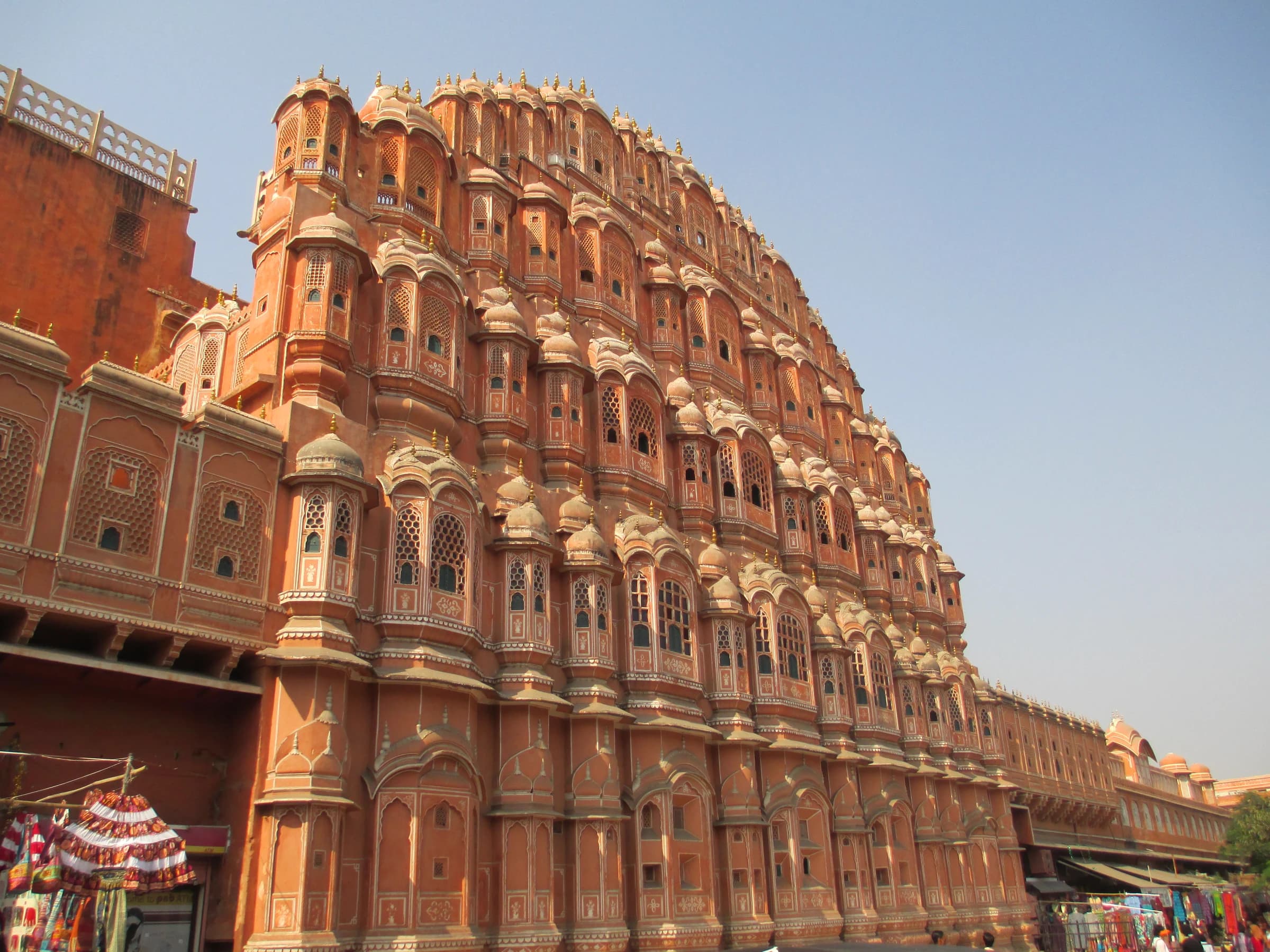
Jaipur's old city was painted terracotta pink in 1876 for a single royal visit from the Prince of Wales, and the tradition stuck so firmly that it's now protected by law — giving India's "Pink City" a genuinely unified look across the Hawa Mahal's 953 honeycomb windows, the hilltop Amber Fort, and the rest of its historic center.
See full guide →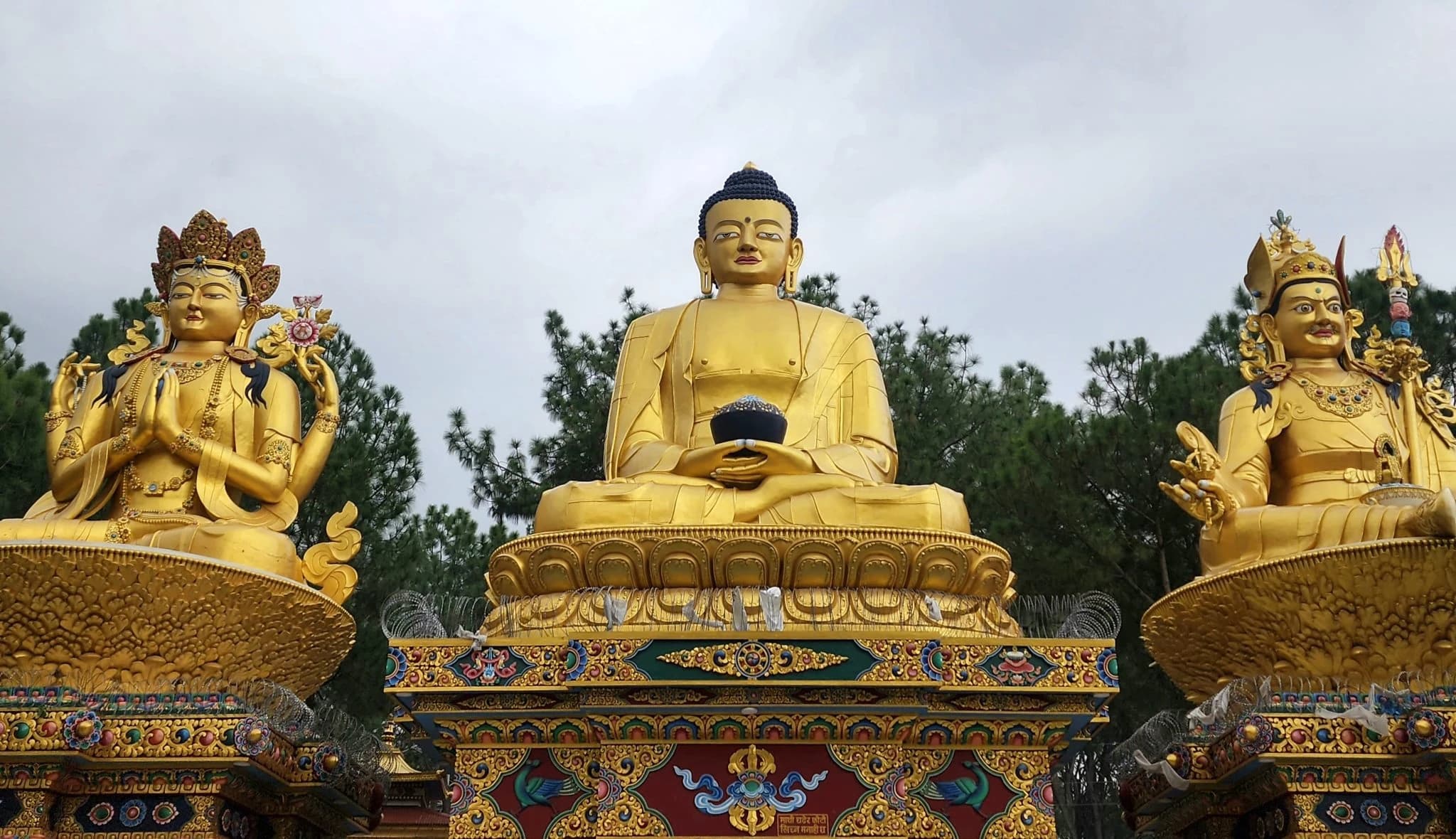 Kathmandu
Kathmandu
Nepal
Kathmandu Valley packs seven separate UNESCO-listed monument zones into a single basin — Durbar Squares, the all-seeing eyes of Swayambhunath, one of the largest stupas in the world at Boudhanath — and still serves as the starting point for nearly everyone attempting to reach the world's highest mountains.
See full guide →Comparing more than one route? See the full transport comparison guide.