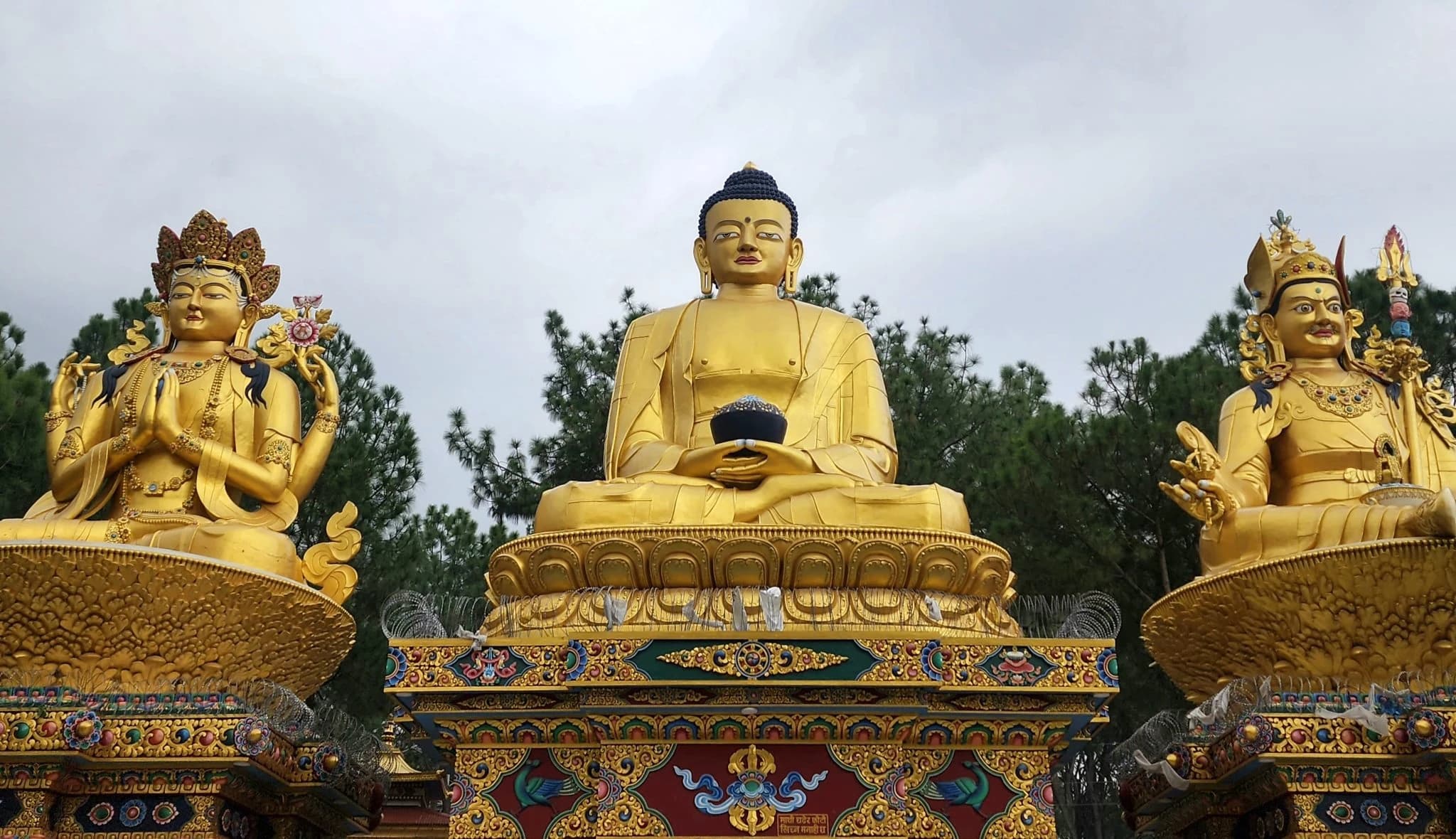
Nepal · Asia
Kathmandu
Kathmandu Valley packs seven separate UNESCO-listed monument zones into a single basin — Durbar Squares, the all-seeing eyes of Swayambhunath, one of the largest stupas in the world at Boudhanath — and still serves as the starting point for nearly everyone attempting to reach the world's highest mountains.
Kathmandu Valley holds seven separate UNESCO World Heritage monument zones within a single geographic basin, an unusually high concentration that includes Durbar Squares in Kathmandu, Patan, and Bhaktapur, along with major religious sites like Swayambhunath, Boudhanath, and Pashupatinath. Few capital regions anywhere pack this much protected heritage into so compact an area.
Swayambhunath, often called the Monkey Temple for the free-roaming macaques living on its grounds, sits atop a hill overlooking the city, its central stupa painted with large watchful eyes on all four sides, a distinctly recognizable symbol of Kathmandu. Boudhanath, one of the largest stupas in the world, anchors a different part of the valley and serves as a major center for Tibetan Buddhist practice, its dome ringed constantly by pilgrims walking clockwise in prayer.
The April 2015 earthquake, measuring 7.8 in magnitude, damaged or destroyed significant portions of the valley's heritage sites, including parts of Kathmandu Durbar Square, and restoration work has continued in the years since. Most major sites have reopened to visitors, though some rebuilding remains visible, a reminder of both the disaster's scale and the ongoing effort to preserve what survived.
Pashupatinath Temple, one of the most important Hindu temples dedicated to Shiva, sits along the Bagmati River and functions as an active cremation site as well as a place of worship, a direct and, for many visitors, genuinely striking encounter with how death is treated openly within Hindu practice rather than kept separate from daily life.
Kathmandu remains the essential starting point for nearly all major Himalayan trekking, since flights to Lukla, the gateway airstrip for the Everest region, depart from the city's domestic terminal. Thamel, the backpacker and trekker hub neighborhood, fills with gear shops, guesthouses, and outfitters preparing visitors for treks ranging from short valley hikes to multi-week routes toward Everest Base Camp, making the city feel as much like a staging ground for the mountains as a destination on its own.
What a trip here actually costs
$25 / day avg.
- Guesthouse in Thamel
- Local bus and taxi rides
- Dal bhat and local restaurant meals
- Swayambhunath and Boudhanath, low entry fee
What to do at this tier
- • Swayambhunath (Monkey Temple), low entry fee
- • Thamel neighborhood walk, free
- • Boudhanath stupa, one of the largest in the world, low entry fee
$60 / day avg.
- 3-star hotel in central Kathmandu
- Durbar Square guided tour
- Pashupatinath Temple visit
- Trekking gear rental for a short Himalayan excursion
What to do at this tier
- • Kathmandu Durbar Square guided tour
- • Pashupatinath Temple, a major Hindu site on the Bagmati River
- • Short trek or day hike in the surrounding Kathmandu Valley hills
$160 / day avg.
- Boutique hotel with mountain views
- Private guided tour of all major UNESCO sites
- Private car and driver for the day
- High-end trekking outfitter package
What to do at this tier
- • Private guided tour of all seven UNESCO monument zones
- • High-end trekking outfitter package for a multi-day Himalayan excursion
- • Private mountain flight for close-up Everest views without trekking
These are average estimates for planning purposes, not real-time prices — actual costs vary by season, availability, and how far ahead you book.
How to get there
Click anywhere on the world map — any airport works, not just our main hubs.
Click anywhere on the map above — any airport in the world works — to see estimated travel time and cost from there.
Times and prices are planning estimates, not live fares — always check a booking site before you commit. See the full Transport Comparison guide for the general tradeoffs of each mode.
Best time to visit
October-November and March-April offer the clearest skies and best mountain visibility; the monsoon (June-September) brings heavy rain and obscured views.
Safety notes
Generally safe, though heritage sites still show some earthquake-era rebuilding; travelers planning treks should arrange proper permits and, ideally, a licensed guide.
Visa & currency
Nepalese rupee (NPR). Most nationalities can get a visa on arrival at Kathmandu's airport.
Questions people ask before visiting
Is Kathmandu worth visiting?
Yes — Kathmandu Valley holds seven UNESCO World Heritage monument zones within a single basin, including Durbar Square, the all-seeing eyes of Swayambhunath, and Boudhanath's massive stupa, and it remains the essential starting point for most Everest and wider Himalayan trekking.
How was Kathmandu affected by the 2015 earthquake?
The 7.8 magnitude earthquake in April 2015 significantly damaged or destroyed several heritage sites across the valley, including parts of Durbar Square. Restoration has continued for years since, and most major sites have reopened, though some rebuilding work is still visible.
Is Kathmandu a good base for Everest trekking?
Yes, Kathmandu is the standard starting point for Everest Base Camp and most other major Himalayan treks, since flights to Lukla, the gateway airstrip for the Everest region, depart from Kathmandu's domestic terminal.
Why is Nepal's flag a different shape?
Nepal is the only country in the world with a non-rectangular national flag, made of two overlapping triangular pennants historically representing the Himalayan mountains and, according to tradition, two royal dynasties.
Nearby destinations
 Jaipur
Jaipur
India
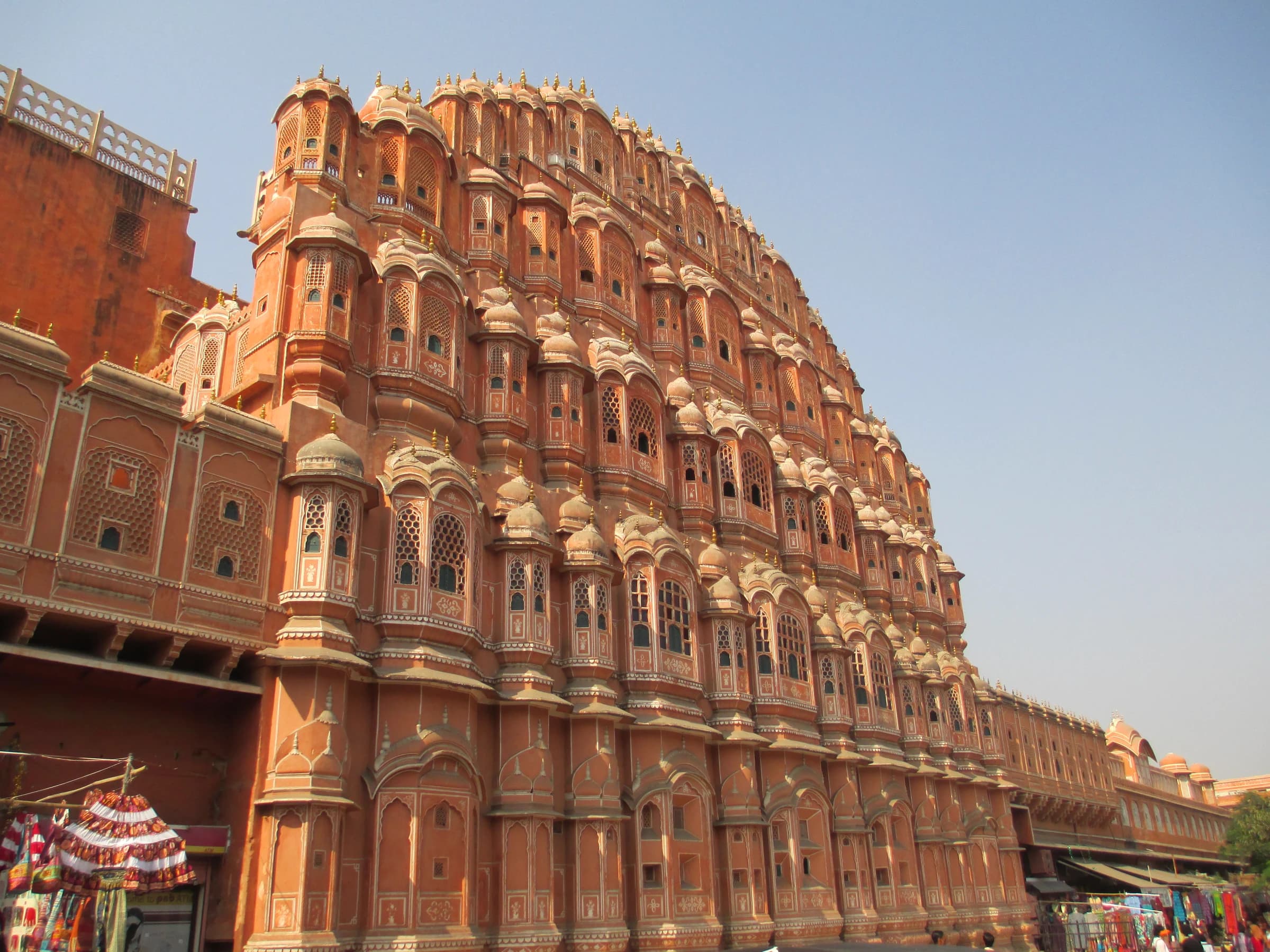
Jaipur's old city was painted terracotta pink in 1876 for a single royal visit from the Prince of Wales, and the tradition stuck so firmly that it's now protected by law — giving India's "Pink City" a genuinely unified look across the Hawa Mahal's 953 honeycomb windows, the hilltop Amber Fort, and the rest of its historic center.
See full guide →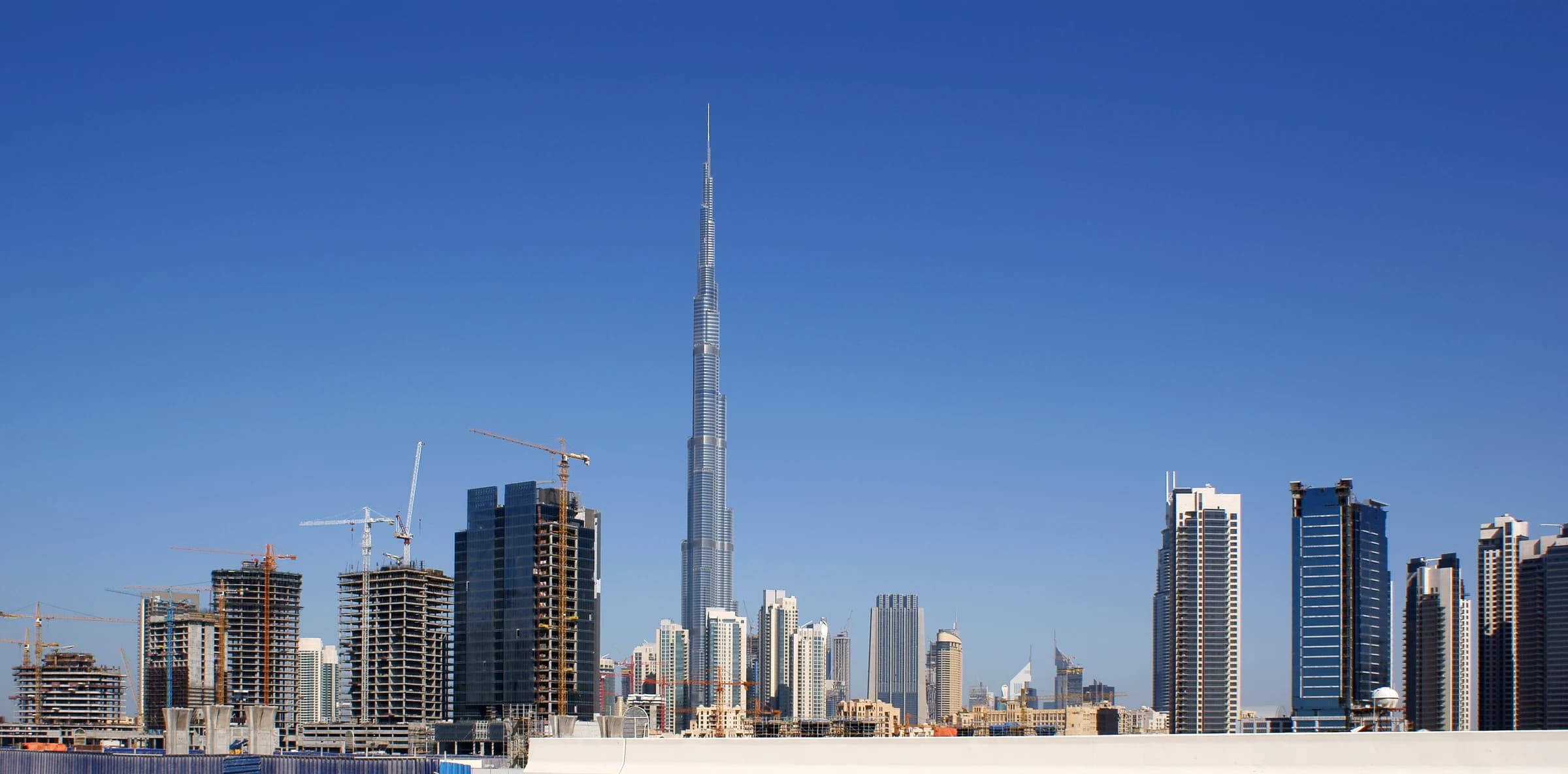 Dubai
DubaiDubai
United Arab Emirates
Less than sixty years ago Dubai was a small fishing and pearling village on the Persian Gulf; today it holds the Burj Khalifa, the tallest building on Earth, and an artificial palm-shaped archipelago visible from space — a transformation compressed into roughly a single working lifetime rather than the centuries most major cities took to build themselves.
See full guide →Comparing more than one route? See the full transport comparison guide.