Japan · Asia
Okinawa
Okinawa spent centuries as the independent Ryukyu Kingdom, paying tribute to both China and Japan simultaneously before Japan formally annexed it in 1879, and that separate history still shows up in a culture, cuisine, and language distinct enough from mainland Japan that many Okinawans describe their identity as genuinely its own rather than simply a regional variation.
Okinawa operated as the independent Ryukyu Kingdom from the 15th century until Japan formally annexed it in 1879, a political entity that maintained tributary relationships with both China and Japan simultaneously, a genuinely unusual diplomatic balancing act that let the kingdom trade and interact broadly across East Asia. That distinct history left Okinawa with its own language, cuisine, and cultural traditions meaningfully different from mainland Japan, an identity many Okinawans continue to describe as genuinely separate rather than simply a regional variation.
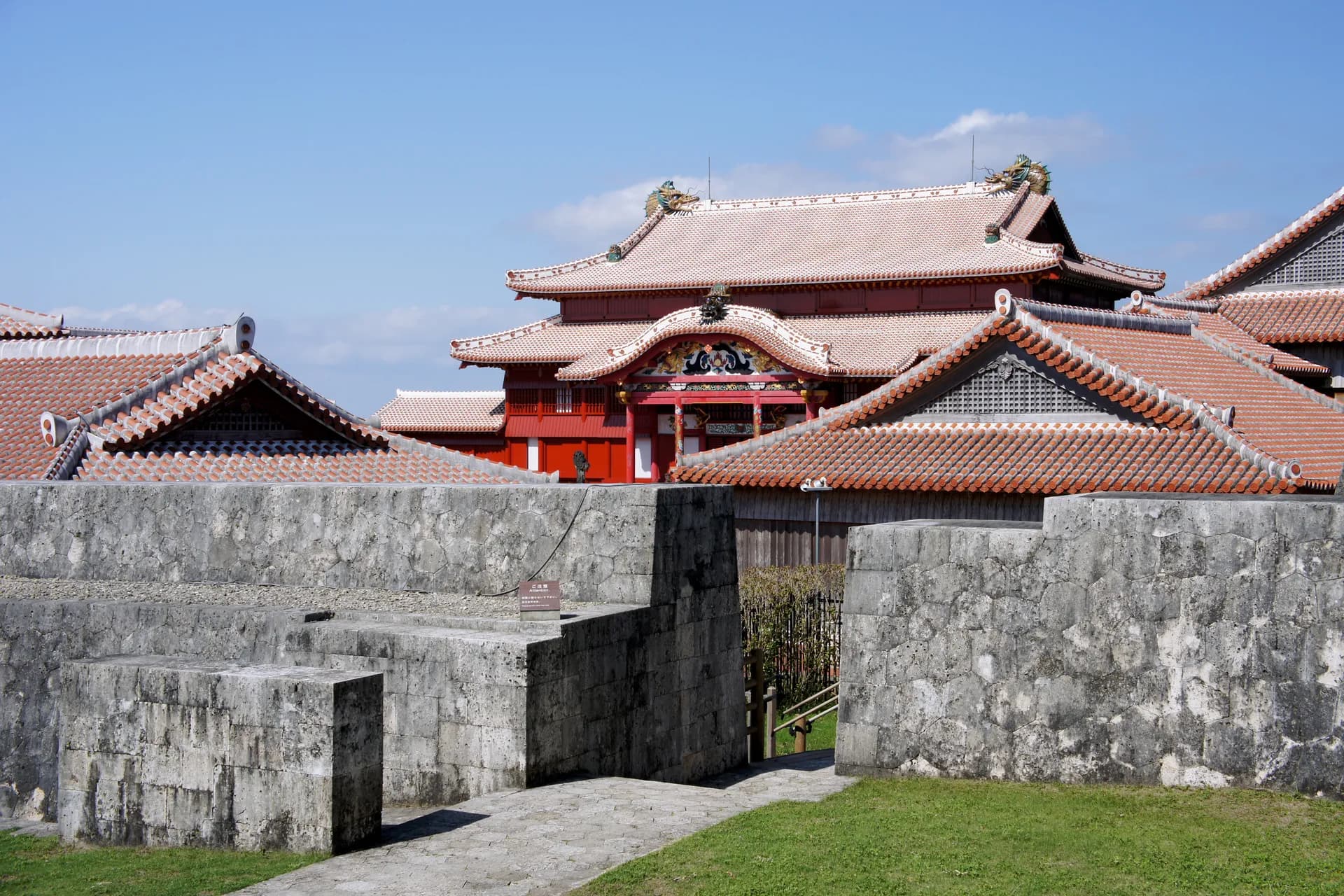
Shuri Castle, the former royal residence of the Ryukyu Kingdom, stood as the clearest physical symbol of that independent history, though the structure has been destroyed and rebuilt multiple times, most recently after a 2019 fire, following an earlier reconstruction after near-total destruction during WWII. Its distinctly Ryukyuan architectural style, incorporating both Chinese and Japanese influences into something visually distinct from either, remains recognizable even through the successive rebuilds.
The 1945 Battle of Okinawa ranks among the bloodiest engagements of the Pacific War, and the civilian toll was genuinely catastrophic, with estimates suggesting roughly a quarter of the island's pre-war population died during the fighting. The Peace Memorial Park and its associated museum address this history directly, including the practice of mass civilian suicides driven by wartime propaganda, presenting a sobering counterpart to the island's beach-destination reputation.
Okinawa's coastline and surrounding smaller islands offer some of the clearest, most reef-rich water in Japan, genuinely distinct from the country's more commonly associated cooler, mainland coastline, drawing divers and snorkelers specifically for conditions that feel closer to Southeast Asia than to Tokyo or Osaka.
Okinawan cuisine, built around ingredients like bitter melon, purple sweet potato, and pork prepared in ways distinct from mainland Japanese cooking, reflects the same historical cross-pollination that shaped the islands' politics, a genuinely separate culinary tradition that locals and visitors alike treat as one of the most compelling reasons to visit beyond the beaches.
What a trip here actually costs
$55 / day avg.
- Guesthouse or budget hotel
- Local bus transport
- Okinawan restaurant meals
- Shuri Castle grounds and beach access, low or no cost
What to do at this tier
- • Shuri Castle grounds, low entry fee
- • Beach access along the main island's coastline, free
- • Peace Memorial Park, free
$130 / day avg.
- 3-star beach hotel
- Shuri Castle guided tour
- Snorkeling or diving excursion
- Sit-down restaurant dinners
What to do at this tier
- • Shuri Castle guided history tour
- • Snorkeling or diving excursion on the surrounding reef
- • Okinawan cooking class
$320 / day avg.
- 4-5 star beachfront resort
- Private guided history and culture tour
- Fine dining Okinawan tasting menu
- Private diving charter
What to do at this tier
- • Private guided Ryukyu history and WWII sites tour
- • Private diving charter to outer reef sites
- • Fine dining tasting menu featuring Okinawan cuisine
These are average estimates for planning purposes, not real-time prices — actual costs vary by season, availability, and how far ahead you book.
How to get there
Click anywhere on the world map — any airport works, not just our main hubs.
Click anywhere on the map above — any airport in the world works — to see estimated travel time and cost from there.
Times and prices are planning estimates, not live fares — always check a booking site before you commit. See the full Transport Comparison guide for the general tradeoffs of each mode.
Best time to visit
April-June and October-November bring the most comfortable temperatures; typhoon season runs roughly July-September.
Safety notes
Very safe with low crime, consistent with most of Japan; standard water safety applies for reef swimming and diving.
Visa & currency
Japanese yen (JPY). Many Western passport holders can enter visa-free for short stays.
Questions people ask before visiting
Is Okinawa worth visiting?
Yes — Okinawa combines white sand beaches and coral reef diving genuinely different from mainland Japan's coastline, the reconstructed Shuri Castle from the independent Ryukyu Kingdom era, and significant WWII history at sites tied to the brutal 1945 Battle of Okinawa.
What was the Ryukyu Kingdom?
An independent kingdom that ruled Okinawa and surrounding islands from the 15th century until Japan formally annexed it in 1879, maintaining tributary relationships with both China and Japan simultaneously. That distinct political and cultural history still shapes Okinawan identity, language, and cuisine today.
What happened during the Battle of Okinawa?
One of the bloodiest battles of the Pacific War, fought in 1945 between American and Japanese forces, resulted in massive civilian casualties, with estimates suggesting roughly a quarter of Okinawa's pre-war population died. Memorials and museums across the island, including the Peace Memorial Park, address this history directly.
How many days do you need in Okinawa?
Four to five days covers Shuri Castle, beach and reef time, and WWII historical sites at a comfortable pace, with island-hopping to the wider Okinawa chain possible for longer stays.
Nearby destinations
 Tokyo
TokyoTokyo
Japan
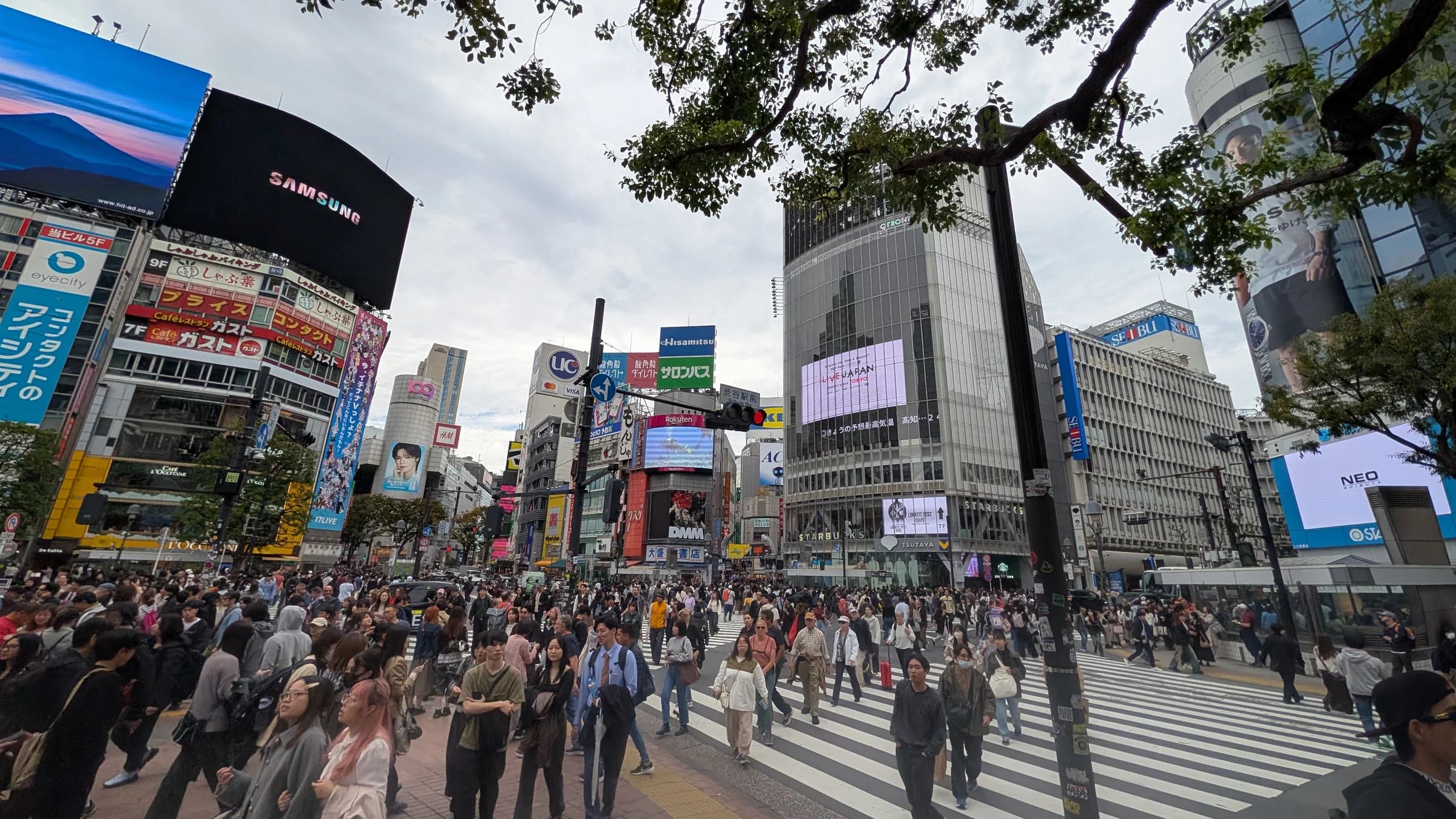
Shibuya Crossing moves up to 3,000 pedestrians through a single intersection every time the light changes, and somehow nobody collides — a genuinely orderly kind of chaos that sums up Tokyo itself, a city of 37 million people that runs on a level of precision most places its size can't manage.
See full guide →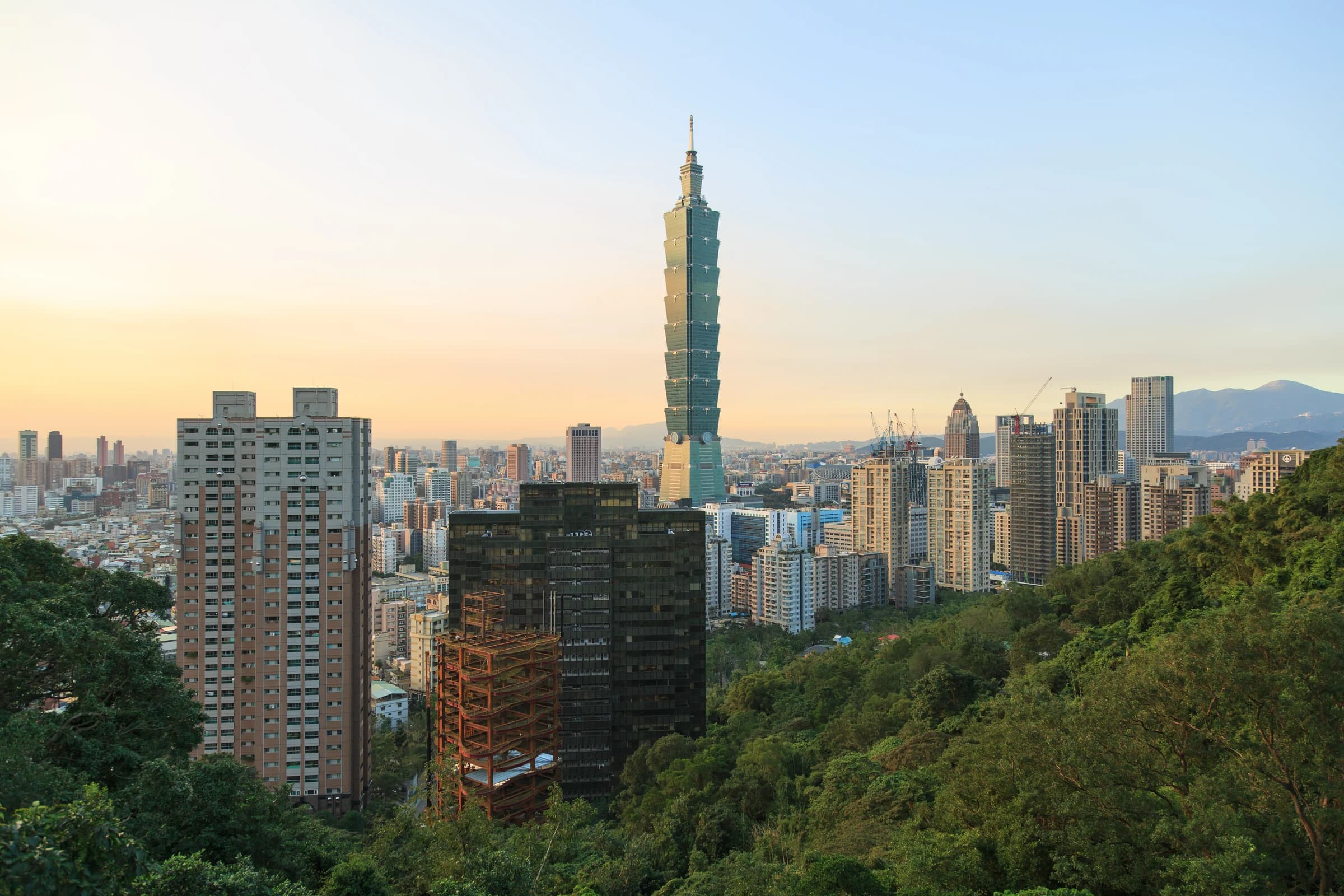 Taipei
Taipei
Taiwan
Taipei 101 held the title of world's tallest building from 2004 to 2010, and its most famous feature isn't the view but a 660-tonne steel ball, a public wrecking-ball-sized damper visible through a window, that keeps the tower from swaying too far in typhoons and earthquakes.
See full guide →Comparing more than one route? See the full transport comparison guide.