Japan · Asia
Tokyo
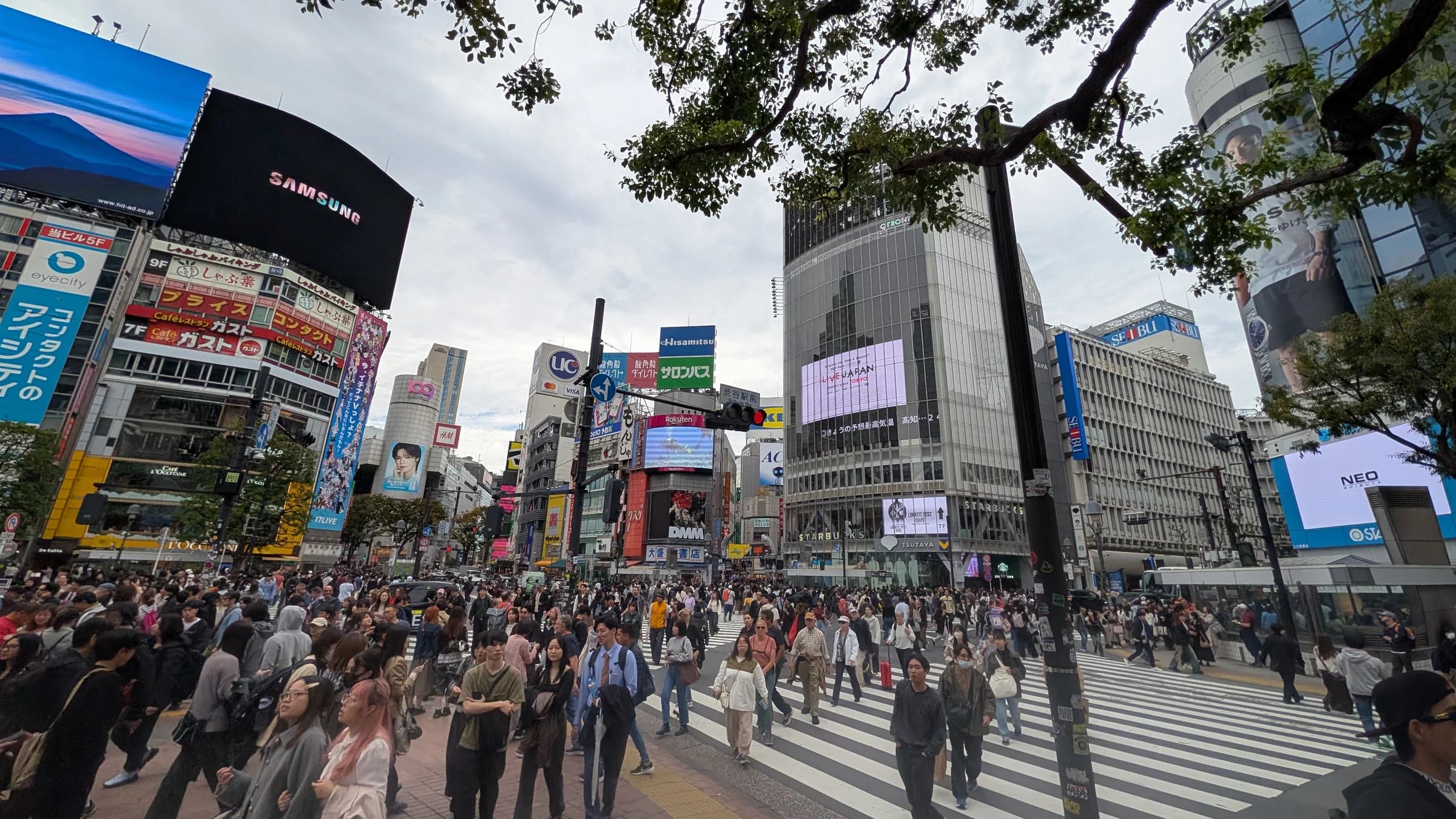
Shibuya Crossing moves up to 3,000 pedestrians through a single intersection every time the light changes, and somehow nobody collides — a genuinely orderly kind of chaos that sums up Tokyo itself, a city of 37 million people that runs on a level of precision most places its size can't manage.
Shibuya Crossing stops all vehicle traffic at once, letting pedestrians flood in from every direction simultaneously rather than crossing in the staged pattern most intersections use. Up to roughly 3,000 people move through during a single light cycle at peak times, and the scene, chaotic in volume but genuinely orderly in practice, has become one of the defining images of Tokyo, a city that manages 37 million people across its greater metropolitan area with a level of precision few places its size can match.
That precision shows up most directly in Tokyo's train network. The Yamanote Line loops the city's core roughly every few minutes, and delays measured in seconds, not minutes, are treated as newsworthy rather than routine, a genuinely different standard from most major world cities. Navigating it takes some initial adjustment, but the system rewards that effort with a level of reliability that shapes how efficiently a visitor can actually move through the city.
Senso-ji, Tokyo's oldest temple, dates back to 645 CE and sits in Asakusa, one of the few districts where the city's older character survives clearly alongside its modern skyline. Nakamise-dori, the shopping street leading up to the temple, has sold traditional snacks and souvenirs to pilgrims and visitors for centuries, giving the approach itself as much character as the temple grounds.
Tokyo holds more Michelin-starred restaurants than any other city in the world, a distinction reflecting both the sheer density of serious kitchens and a food culture where extraordinary technical precision applies as readily to a small ramen counter as to a formal kaiseki restaurant. That range, world-class fine dining sitting a few blocks from equally serious but far cheaper noodle shops, gives Tokyo a food scene that rewards exploring well beyond any single "best restaurant" recommendation.
Akihabara, once known primarily for electronics, has evolved into the center of Tokyo's anime, manga, and gaming culture, dense with specialty shops, arcades, and maid cafes, a genuinely different Tokyo from the historic calm of Asakusa or the corporate density of Shinjuku, and part of what makes the city feel less like one place than several distinct ones layered together.
What a trip here actually costs
$65 / day avg.
- Capsule hotel or hostel dorm
- Tokyo Metro day pass
- Convenience store and ramen shop meals
- Senso-ji temple and Shibuya Crossing, free
What to do at this tier
- • Shibuya Crossing and the surrounding district, free
- • Senso-ji Temple in Asakusa, Tokyo's oldest temple, free
- • Akihabara's electronics and anime shops, free to browse
$160 / day avg.
- 3-star hotel in central Tokyo
- teamLab digital art museum entry
- Sit-down izakaya dinners
- Day trip to Nikko or Kamakura
What to do at this tier
- • teamLab digital art museum, an immersive light and projection installation
- • Tsukiji Outer Market for fresh seafood and street food
- • Day trip to Nikko's shrines or Kamakura's Great Buddha statue
$400 / day avg.
- 4-5 star hotel with city views
- Private guided food tour through multiple districts
- Multi-course omakase dinner at a top sushi restaurant
- Private guided day trip to Mount Fuji
What to do at this tier
- • Multi-course omakase dinner at a Michelin-starred sushi counter
- • Private guided food tour through Shinjuku, Shibuya, and Golden Gai's tiny bars
- • Private day trip to Mount Fuji with a dedicated driver-guide
These are average estimates for planning purposes, not real-time prices — actual costs vary by season, availability, and how far ahead you book.
How to get there
Click anywhere on the world map — any airport works, not just our main hubs.
Click anywhere on the map above — any airport in the world works — to see estimated travel time and cost from there.
Times and prices are planning estimates, not live fares — always check a booking site before you commit. See the full Transport Comparison guide for the general tradeoffs of each mode.
Best time to visit
March-May brings cherry blossom season, and October-November brings autumn foliage; both are peak seasons, so book accommodations well in advance.
Safety notes
Very safe, among the lowest-crime major cities in the world; standard urban caution still applies around crowded stations and nightlife districts.
Visa & currency
Japanese yen (JPY), still a largely cash-preferred society outside major hotels and chain stores, so carry cash. Many Western passport holders can enter visa-free for short stays, worth confirming before booking.
Questions people ask before visiting
Is Tokyo worth visiting?
Yes — Tokyo genuinely combines ultra-modern districts like Shibuya and Akihabara with centuries-old temples like Senso-ji, runs one of the most precise train networks in the world, and holds more Michelin-starred restaurants than any other city on Earth.
How does Shibuya Crossing handle so many people?
All vehicle traffic stops simultaneously at Shibuya Crossing, letting pedestrians flood in from every direction at once rather than crossing in stages. Up to roughly 3,000 people cross during a single light cycle at peak times, and the sheer scale has made it one of Tokyo's most photographed sights.
Is Tokyo or Kyoto better for a first trip to Japan?
They serve different purposes rather than competing directly — Tokyo delivers scale, modern culture, and food, while Kyoto delivers concentrated historic temples and traditional architecture. Most first-time visitors combine both rather than choosing one over the other.
How many days do you need in Tokyo?
Four to five days covers the major districts, including Shibuya, Shinjuku, Asakusa, and Akihabara, at a reasonable pace. Many visitors extend the trip with a day trip to Nikko or Kamakura, or continue on to Kyoto by bullet train.
Nearby destinations
 Kyoto
KyotoKyoto
Japan
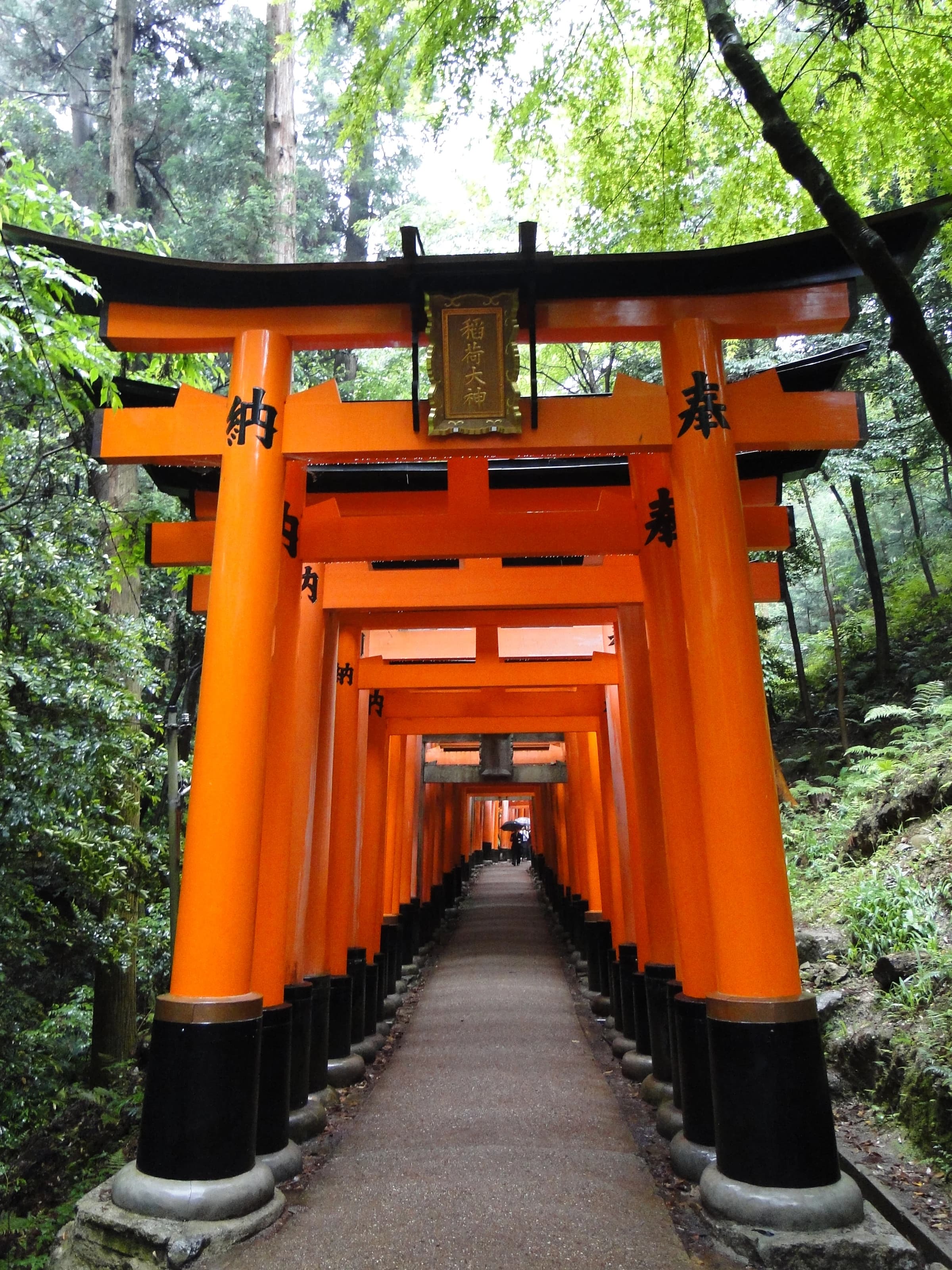
Kyoto served as Japan's imperial capital for over a thousand years, and unlike most of the country's other historic cities, it was deliberately left off the World War II bombing target list — which is why it still holds thousands of original temples, shrines, and wooden machiya houses that elsewhere in Japan simply didn't survive.
See full guide →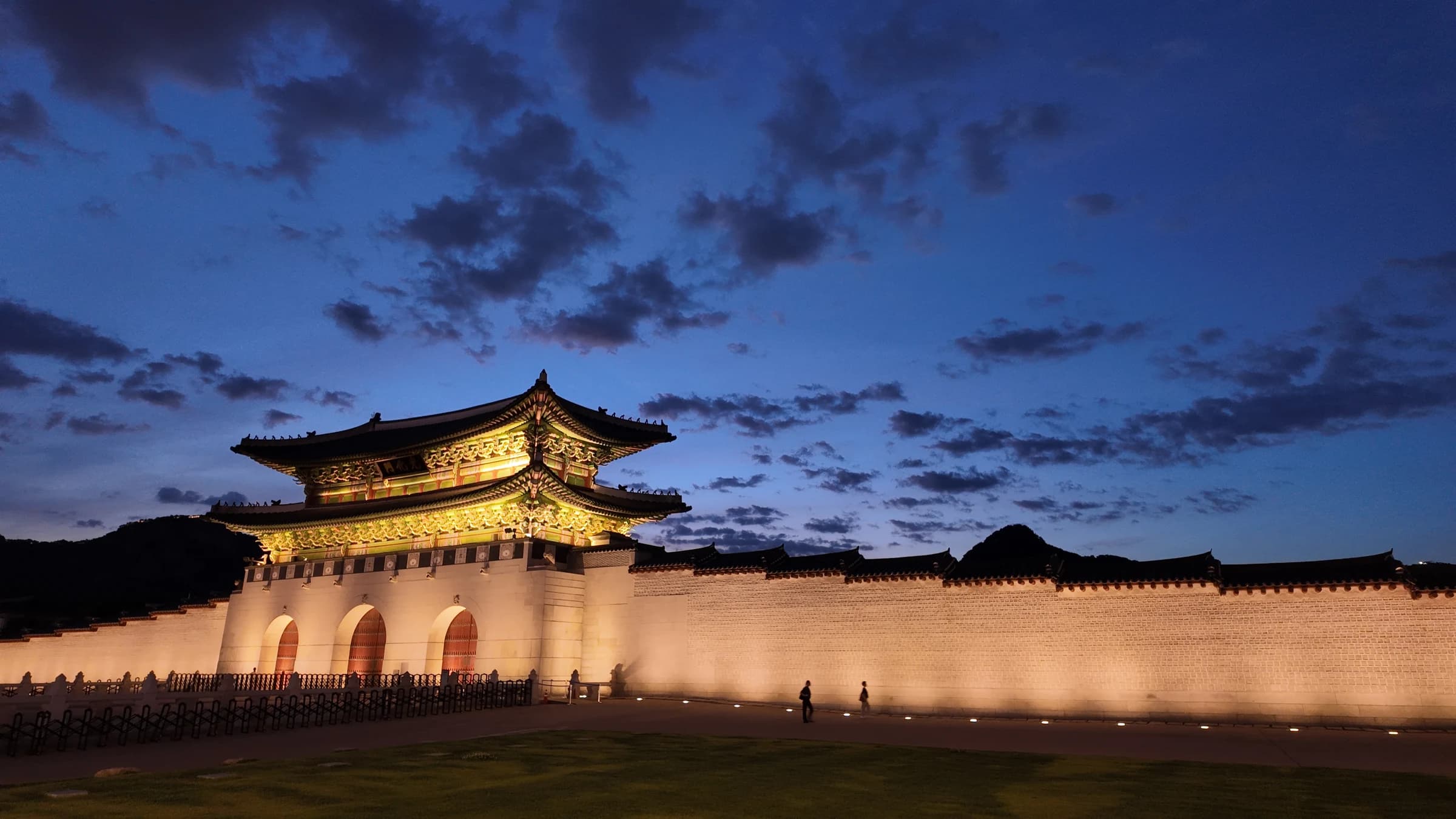 Seoul
SeoulSeoul
South Korea
Seoul runs a daily royal guard changing ceremony outside a 600-year-old palace a short walk from the neighborhoods that produce most of the world's K-pop and K-drama exports — a capital where the Joseon Dynasty and one of the planet's most influential modern cultural exports sit within the same few city blocks.
See full guide →Comparing more than one route? See the full transport comparison guide.