Japan · Asia
Kyoto
Kyoto served as Japan's imperial capital for over a thousand years, and unlike most of the country's other historic cities, it was deliberately left off the World War II bombing target list — which is why it still holds thousands of original temples, shrines, and wooden machiya houses that elsewhere in Japan simply didn't survive.
Kyoto served as Japan's imperial capital from 794 to 1868, over a thousand years during which the city accumulated temples, shrines, and palace complexes at a scale few cities anywhere can match. What sets Kyoto apart from nearly every other major Japanese city, though, is that it survived World War II largely untouched, deliberately kept off the bombing target list, which means the historic core that elsewhere in Japan exists only in old photographs is, here, still standing.
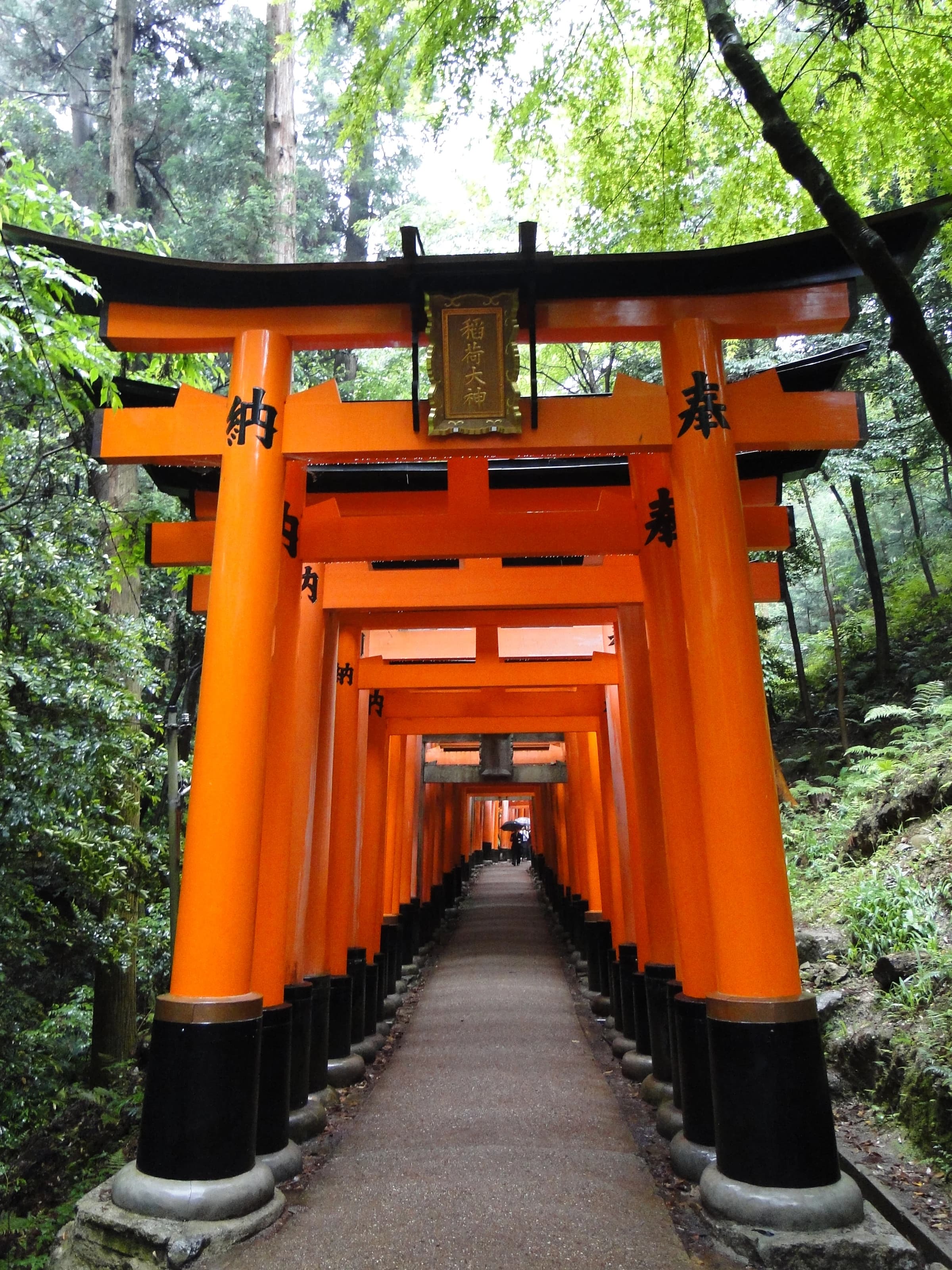
Fushimi Inari Shrine draws visitors for its thousands of vermillion torii gates, donated by individuals and businesses over centuries and forming tunnels that climb the wooded slopes of Mount Inari. The shrine is open around the clock and free to enter, and the crowds thin out considerably for anyone willing to walk the full route up the mountain rather than stopping at the first few photogenic gates near the entrance.
Kinkaku-ji, the Golden Pavilion, covers its top two floors in genuine gold leaf and sits reflected in a still pond designed specifically for that effect, a Zen garden built around the building rather than simply next to it. The current structure is a 1955 reconstruction, the original having burned down in 1950, but it was rebuilt to the same design and remains one of the most photographed buildings in Japan.
Gion, Kyoto's most famous geisha district, still functions as a working neighborhood for geiko and maiko, the correct regional terms for geisha and their apprentices, rather than a preserved tourist recreation. Evening walks through its narrow streets of traditional teahouses sometimes catch a geiko moving briskly between appointments, and the area asks for a specific kind of respectful distance that's worth understanding before visiting.
Kyoto holds over 2,000 temples and shrines across the city, a number large enough that even repeat visitors rarely run out of new ones to see, ranging from famous sites drawing tour buses to small neighborhood temples that see almost no foreign visitors at all. That density, concentrated preservation on a scale unmatched elsewhere in the country, is what continues to separate Kyoto from every other stop on a Japan itinerary.
What a trip here actually costs
$60 / day avg.
- Hostel dorm or guesthouse
- City bus day pass
- Convenience store and noodle shop meals
- Fushimi Inari and most temple grounds, free or low-cost
What to do at this tier
- • Fushimi Inari Shrine's thousands of torii gates, free, open 24 hours
- • Gion district evening walk, free
- • Nishiki Market for cheap street food samples
$150 / day avg.
- 3-star ryokan or hotel
- Kinkaku-ji and Arashiyama Bamboo Grove entry
- Kaiseki-style dinner
- Half-day guided temple tour
What to do at this tier
- • Kinkaku-ji, the gold-leafed Golden Pavilion
- • Arashiyama Bamboo Grove and the nearby monkey park
- • Kaiseki multi-course dinner at a mid-range restaurant
$380 / day avg.
- High-end traditional ryokan with private onsen
- Private geiko-hosted dinner in Gion
- Multi-course kaiseki tasting menu
- Private guided day covering Arashiyama and Higashiyama
What to do at this tier
- • Traditional ryokan stay with a private onsen bath
- • Private tea ceremony or geiko-hosted dinner in Gion
- • Private guided tour covering Higashiyama's preserved streets and lesser-known temples
These are average estimates for planning purposes, not real-time prices — actual costs vary by season, availability, and how far ahead you book.
How to get there
Click anywhere on the world map — any airport works, not just our main hubs.
Click anywhere on the map above — any airport in the world works — to see estimated travel time and cost from there.
Times and prices are planning estimates, not live fares — always check a booking site before you commit. See the full Transport Comparison guide for the general tradeoffs of each mode.
Best time to visit
March-April for cherry blossoms or November for autumn foliage; both draw large crowds, so book temples and ryokan stays well ahead.
Safety notes
Very safe, low crime, though popular temples like Fushimi Inari and Kinkaku-ji get genuinely crowded during peak cherry blossom and foliage weeks.
Visa & currency
Japanese yen (JPY), largely cash-based outside hotels and chains. Many Western passport holders can enter visa-free for short stays, worth confirming before booking.
Questions people ask before visiting
Is Kyoto worth visiting?
Yes — Kyoto holds over 2,000 temples and shrines, including Fushimi Inari's thousands of vermillion torii gates and the gold-leafed Kinkaku-ji, plus the Gion district where working geiko still practice traditional arts, giving it a concentration of preserved historic Japan that Tokyo doesn't attempt to match.
How is Kyoto different from Tokyo?
Kyoto served as Japan's imperial capital for over 1,000 years and was spared World War II bombing, so its historic architecture and temple culture survive largely intact. Tokyo is the modern capital, built for scale and speed. Most visitors see them as complements rather than substitutes.
How many days do you need in Kyoto?
Three to four days covers the major temple districts — Fushimi Inari, Arashiyama's bamboo grove, Kinkaku-ji, and Gion — at a walkable pace. It connects easily to Osaka or Tokyo by train for a longer Japan itinerary.
What is Gion known for?
Gion is Kyoto's most famous geisha district, where geiko and maiko (apprentice geisha) still train and work in traditional teahouses, a living practice rather than a museum recreation. Visitors sometimes spot them moving between appointments in the early evening.
Nearby destinations
 Tokyo
TokyoTokyo
Japan
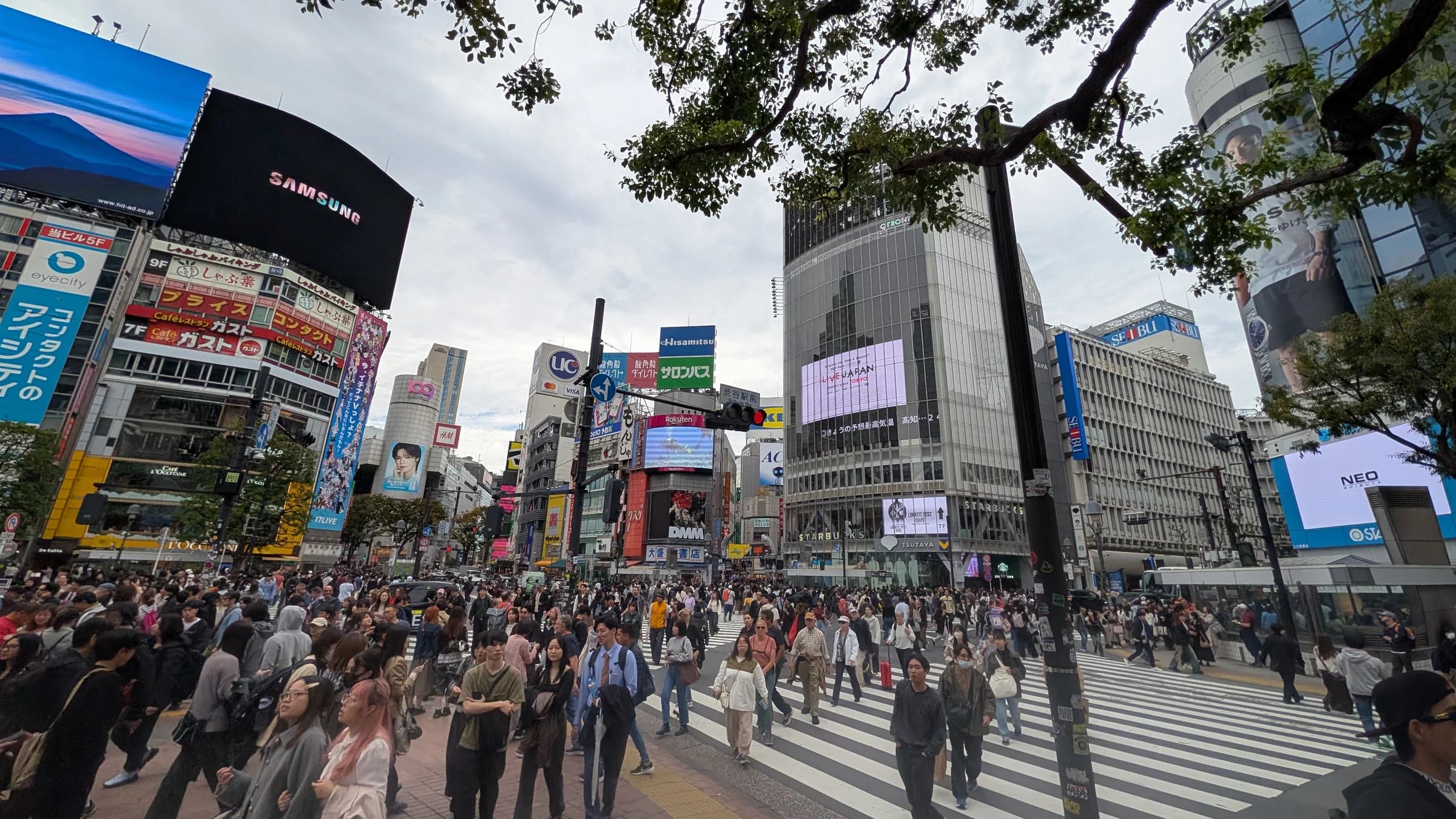
Shibuya Crossing moves up to 3,000 pedestrians through a single intersection every time the light changes, and somehow nobody collides — a genuinely orderly kind of chaos that sums up Tokyo itself, a city of 37 million people that runs on a level of precision most places its size can't manage.
See full guide →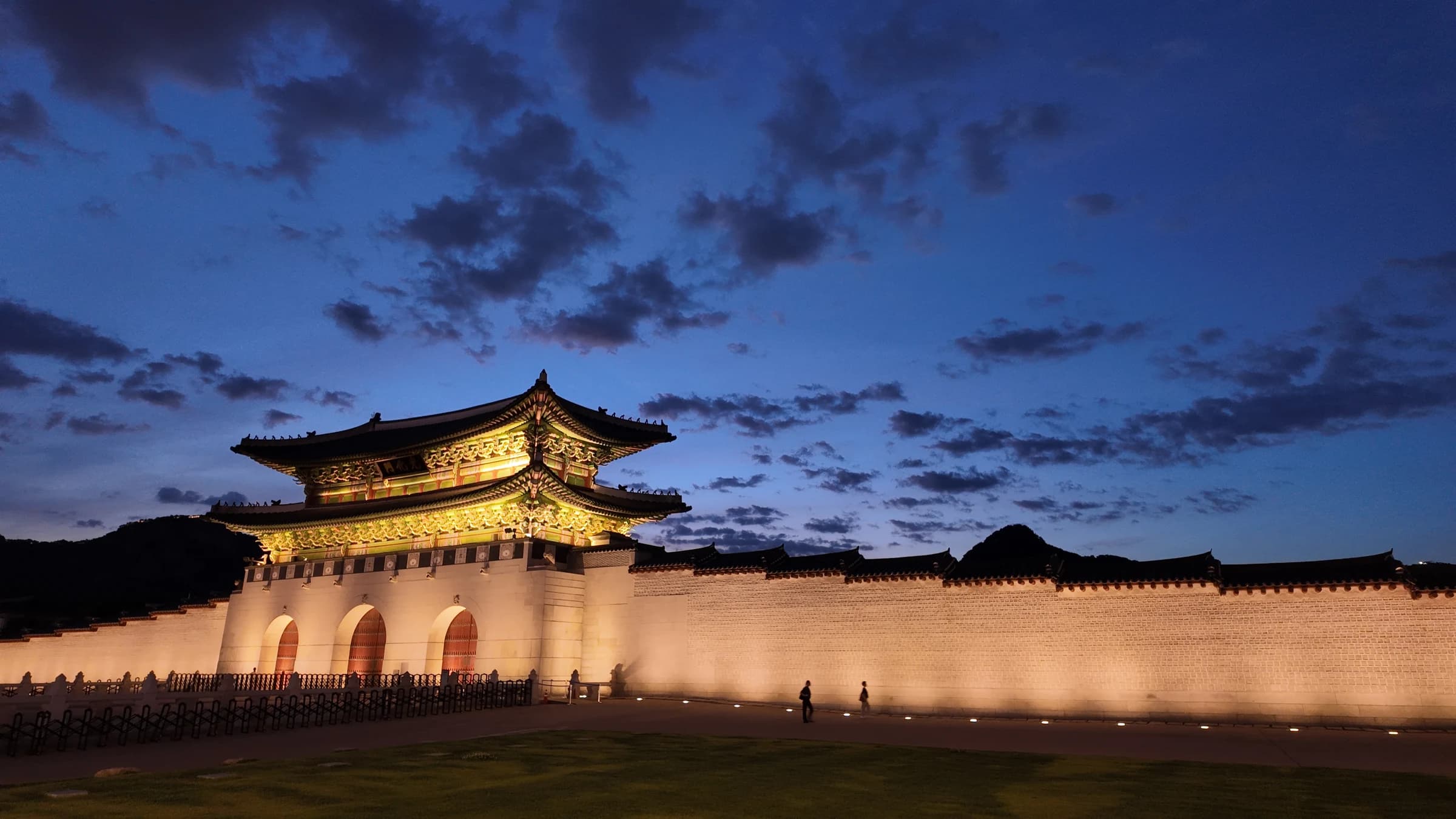 Seoul
SeoulSeoul
South Korea
Seoul runs a daily royal guard changing ceremony outside a 600-year-old palace a short walk from the neighborhoods that produce most of the world's K-pop and K-drama exports — a capital where the Joseon Dynasty and one of the planet's most influential modern cultural exports sit within the same few city blocks.
See full guide →Comparing more than one route? See the full transport comparison guide.