Kazakhstan · Asia
Almaty
Almaty's name derives from the Kazakh word for "apple," and the wild apple forests still growing in the mountains above the city are genetically confirmed as the ancestral origin of nearly every cultivated apple eaten anywhere in the world today — a fitting starting fact for a former capital wedged dramatically between Central Asian steppe and the snow-capped Tian Shan range.
Almaty's name derives from the Kazakh word for "apple," and that's not simply a poetic branding choice: genetic research has confirmed that wild apple forests growing in the mountains surrounding the city are the ancestral source of nearly every cultivated apple eaten anywhere in the world today. The fruit spread gradually westward along Silk Road trade routes over thousands of years, carried by travelers and traders long before anyone understood the genetics behind where it had actually come from.
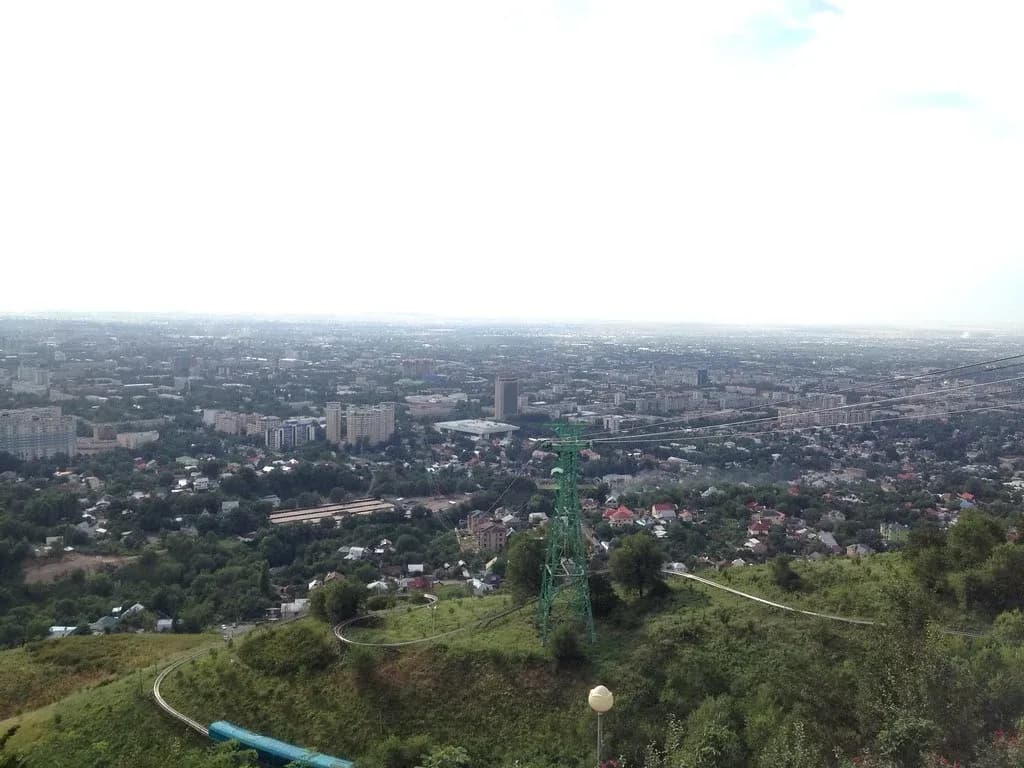
The city sits dramatically against the Tian Shan mountain range, snow-capped peaks visible from much of central Almaty and rising sharply just south of the city limits. Shymbulak, a ski resort reachable by a cable car system starting directly from a central city park, lets visitors go from downtown streets to alpine terrain in well under an hour, a level of mountain accessibility that few major cities anywhere can match.
Zenkov Cathedral, a Russian Orthodox cathedral completed in 1907 and standing in Panfilov Park at the heart of the city, was built entirely of wood without any nails, using traditional joinery techniques. It reportedly survived a major 1911 earthquake that devastated much of the rest of Almaty relatively undamaged, a detail often cited as evidence of the skill behind its construction, and it remains one of the tallest wooden buildings in the world.
Almaty served as Kazakhstan's capital until 1997, when the government relocated the seat of power to Astana, then called Akmola and later Nur-Sultan, in the country's north, a move driven partly by geopolitical positioning and partly by a desire to build a capital from scratch. Almaty remains the country's largest city and its cultural and economic center, and many visitors still find it the more immediately compelling stop given its mountain setting.
Kok-Tobe, a hill overlooking the city reached by cable car, offers panoramic views back over Almaty toward the Tian Shan range, alongside a small amusement park and restaurants, making it one of the most straightforward half-day outings for visitors wanting an overview of the city's layout before heading further into the surrounding mountains.
What a trip here actually costs
$30 / day avg.
- Guesthouse or budget hotel
- Local metro and bus transport
- Kazakh restaurant meals
- Panfilov Park and Zenkov Cathedral, free
What to do at this tier
- • Panfilov Park and the wooden Zenkov Cathedral, free
- • Green Bazaar, free to browse
- • Kok-Tobe hill, cable car for a fee, walking trails free
$75 / day avg.
- 3-star hotel
- Kok-Tobe cable car and hilltop park
- Shymbulak or Big Almaty Lake day trip
- Sit-down restaurant dinners
What to do at this tier
- • Shymbulak ski resort or summer gondola ride
- • Big Almaty Lake day trip into the Tian Shan foothills
- • Central State Museum of Kazakhstan
These are average estimates for planning purposes, not real-time prices — actual costs vary by season, availability, and how far ahead you book.
How to get there
Click anywhere on the world map — any airport works, not just our main hubs.
Click anywhere on the map above — any airport in the world works — to see estimated travel time and cost from there.
Times and prices are planning estimates, not live fares — always check a booking site before you commit. See the full Transport Comparison guide for the general tradeoffs of each mode.
Best time to visit
May-September brings the warmest, most accessible conditions for the surrounding mountains; winters are cold and snowy, good for skiing at Shymbulak but limiting for hiking.
Safety notes
Very safe with low crime; altitude and weather can change quickly in the surrounding mountains, so check conditions before day trips.
Visa & currency
Kazakhstani tenge (KZT). Many nationalities can enter visa-free for short tourist stays, worth confirming based on passport before booking.
Questions people ask before visiting
Is Almaty worth visiting?
Yes — Almaty combines a dramatic setting against the snow-capped Tian Shan mountains, the Shymbulak ski resort reachable by cable car directly from the city, Kazakhstan's largest Orthodox cathedral built entirely of wood, and the wild apple forests that gave the city its name and the modern apple its genetic origin.
Why is Almaty connected to the origin of apples?
Genetic research has confirmed that wild apple forests in the mountains surrounding Almaty are the ancestral source of nearly all cultivated apple varieties eaten today, with the fruit spreading westward along Silk Road trade routes over thousands of years. Almaty's name itself derives from the Kazakh word for apple.
Is Almaty the capital of Kazakhstan?
No longer — Almaty served as the capital until 1997, when the government moved the capital to Astana (formerly Nur-Sultan) in the country's north. Almaty remains Kazakhstan's largest city and its primary cultural and economic center.
How many days do you need in Almaty?
Three to four days covers the city center, Kok-Tobe hill, and a day trip up to Shymbulak or the Big Almaty Lake at a comfortable pace, with the surrounding mountains offering enough hiking and scenery to easily extend a stay.
Nearby destinations
 Ulaanbaatar
Ulaanbaatar
Mongolia
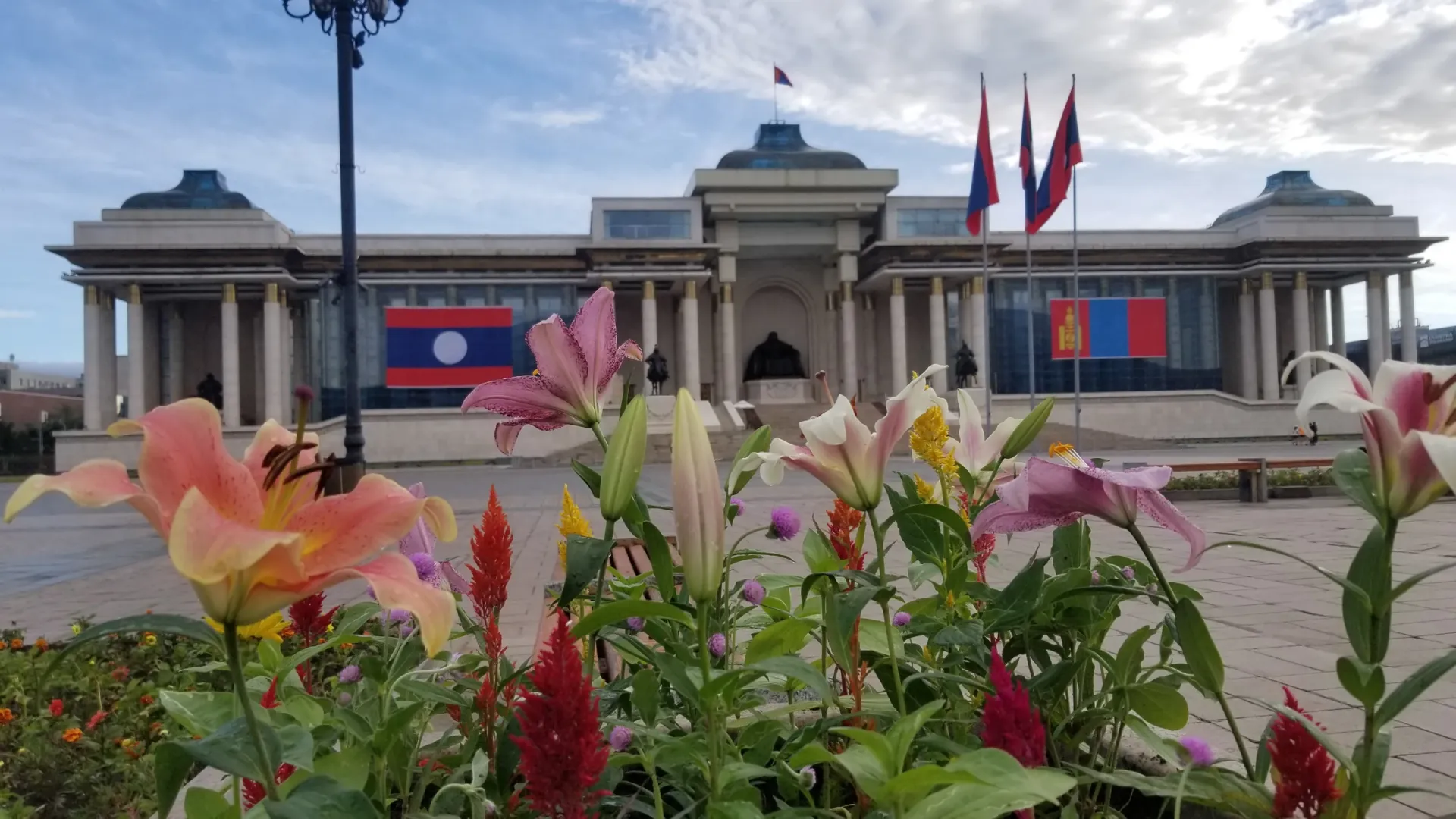
Ulaanbaatar holds the title of coldest capital city in the world by average annual temperature, and it sits as the gateway to a country where roughly a third of the population still lives a nomadic or semi-nomadic lifestyle, a genuinely different scale of open space than almost anywhere else left in Asia.
See full guide →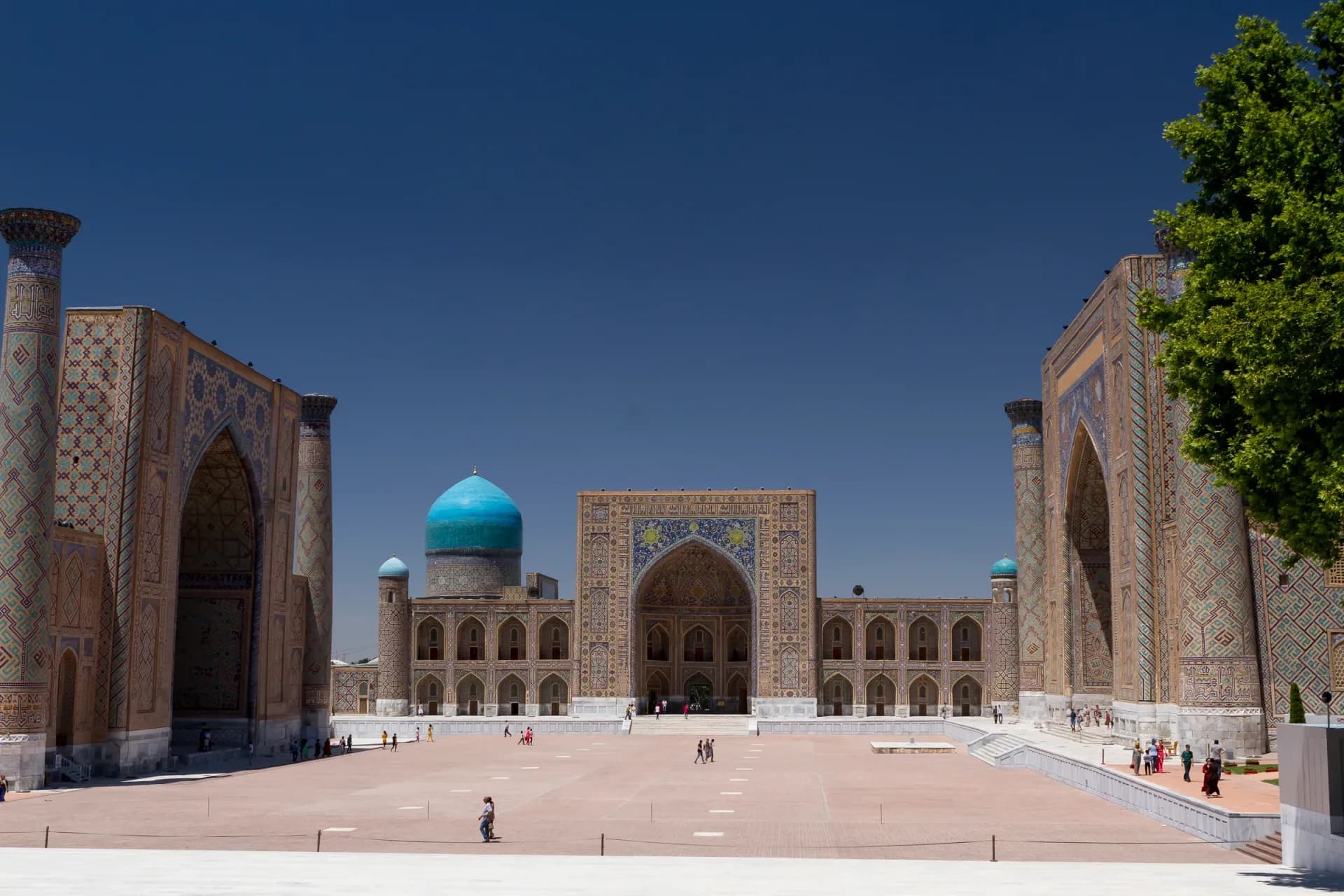 Samarkand
Samarkand
Uzbekistan
Samarkand has stood at the crossroads of the Silk Road for roughly 2,750 years, long enough to have served as the capital of Tamerlane's 14th-century empire, and its Registan Square still holds three towering madrasahs covered in turquoise tilework that traders and travelers have been stopping to look at for centuries.
See full guide →Comparing more than one route? See the full transport comparison guide.