Mongolia · Asia
Ulaanbaatar
Ulaanbaatar holds the title of coldest capital city in the world by average annual temperature, and it sits as the gateway to a country where roughly a third of the population still lives a nomadic or semi-nomadic lifestyle, a genuinely different scale of open space than almost anywhere else left in Asia.
Ulaanbaatar holds the distinction of being the coldest capital city in the world by average annual temperature, a product of its high elevation and continental climate that pushes winter lows well below -20°C (-4°F). That cold shapes the practical rhythm of any visit, with June through September offering the clear window when both the city and the wider countryside are genuinely accessible.
Outside the capital, Mongolia holds one of the lowest population densities of any country on Earth, and roughly a third of its population still lives a nomadic or semi-nomadic lifestyle, herding livestock across vast stretches of steppe and desert much as previous generations did. Multi-day tours from Ulaanbaatar into the Gobi Desert or the central steppe typically include stays in traditional ger, the round felt tents often called yurts, some hosted directly by nomadic families rather than tourism-only operations.
The Genghis Khan Equestrian Statue, standing 40 meters tall in stainless steel roughly 50 kilometers outside Ulaanbaatar, is the largest equestrian statue in the world, depicting Mongolia's most significant historical figure on horseback atop a visitor center shaped like the statue's base. It's become one of the country's most recognizable modern landmarks, a scale-driven tribute to a figure whose 13th-century empire once stretched from the Pacific to Eastern Europe.
The Naadam Festival, held nationwide each July and centered on Mongolia's "three manly games," wrestling, horse racing, and archery, draws its largest gathering to Ulaanbaatar's national stadium, though smaller local versions take place across the countryside around the same time. For visitors able to time a trip around it, Naadam offers a far more direct look at Mongolian sporting and cultural tradition than any museum exhibit could.
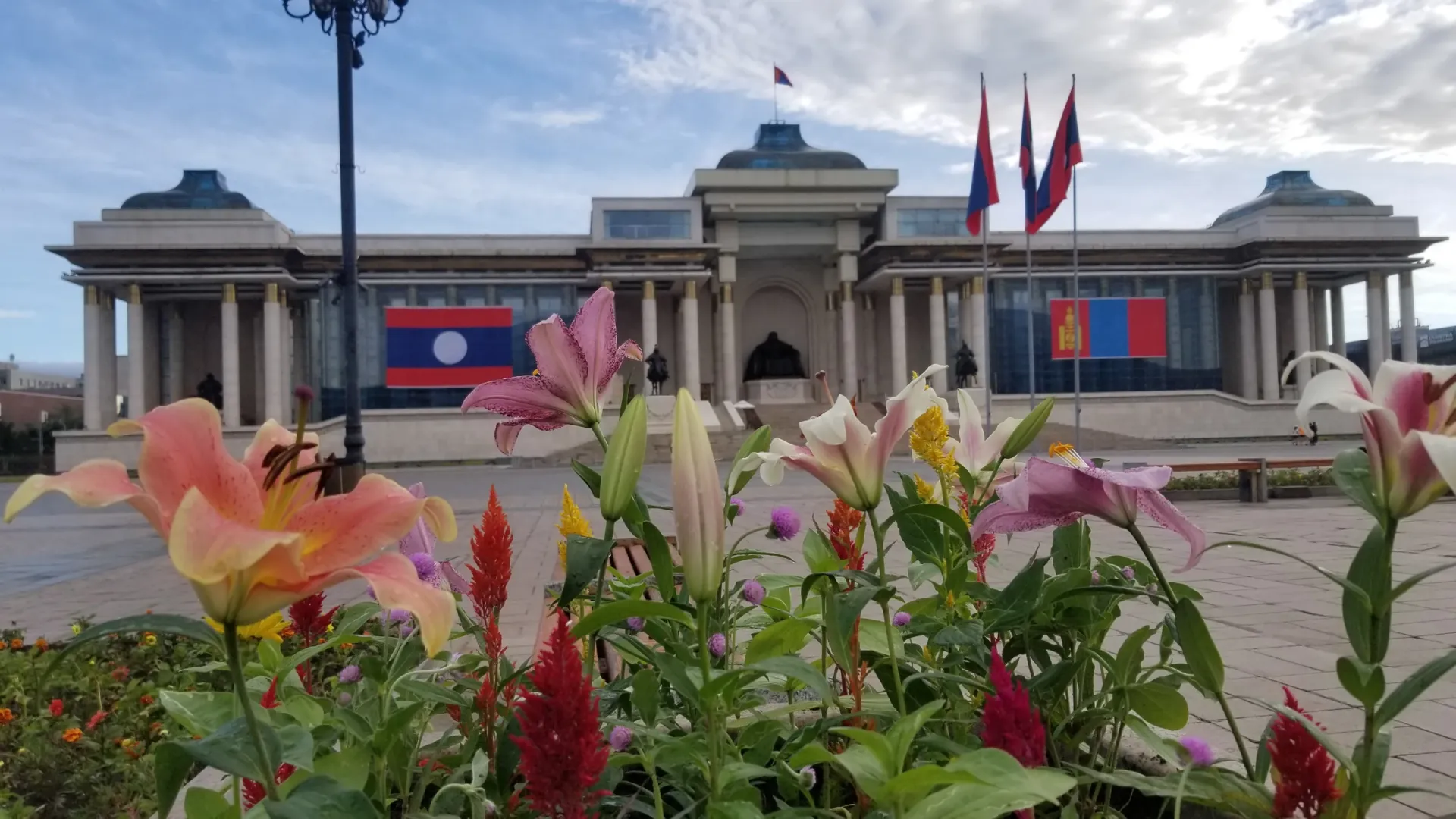
Sukhbaatar Square, the ceremonial center of Ulaanbaatar, anchors the more conventional city sightseeing, with the National Museum of Mongolia and Gandantegchinlen Monastery, an active Buddhist monastery, both within easy reach. Most visitors treat the capital as a short stop before or after the wider countryside trip, since the scale and openness that define Mongolia's real appeal exist well beyond city limits.
What a trip here actually costs
$35 / day avg.
- Guesthouse or budget hotel in Ulaanbaatar
- Local Mongolian restaurant meals
- Public transport around the city
- Genghis Khan Equestrian Statue, low entry fee
What to do at this tier
- • Genghis Khan Equestrian Statue, low entry fee
- • Sukhbaatar Square and the National Museum of Mongolia, low entry fee
- • Gandantegchinlen Monastery, free
$90 / day avg.
- 3-star hotel in Ulaanbaatar
- Multi-day Gobi Desert tour with ger camp stays
- Shared 4x4 transport with a driver-guide
- Traditional Mongolian barbecue dinners
What to do at this tier
- • Multi-day Gobi Desert tour with nomadic ger camp stays
- • Terelj National Park day trip with horseback riding
- • Naadam Festival, if visiting in July
These are average estimates for planning purposes, not real-time prices — actual costs vary by season, availability, and how far ahead you book.
How to get there
Click anywhere on the world map — any airport works, not just our main hubs.
Click anywhere on the map above — any airport in the world works — to see estimated travel time and cost from there.
Times and prices are planning estimates, not live fares — always check a booking site before you commit. See the full Transport Comparison guide for the general tradeoffs of each mode.
Best time to visit
June-September offers the mildest weather and access to the countryside; winters are severely cold and mainly suited to specialized cold-weather trips.
Safety notes
Generally safe with low crime; outside Ulaanbaatar, travel typically requires an organized tour or experienced driver, since infrastructure and signage thin out quickly.
Visa & currency
Mongolian tögrög (MNT). Many nationalities can enter visa-free for short tourist stays, worth confirming based on passport before booking.
Questions people ask before visiting
Is Mongolia worth visiting?
Yes — Ulaanbaatar serves as the gateway to the Gobi Desert, nomadic ger (yurt) camp stays, and the 40-meter stainless steel Genghis Khan Equestrian Statue, the largest of its kind in the world, and the wider country offers one of the lowest population densities and most open landscapes anywhere in Asia.
Why is Ulaanbaatar the world's coldest capital?
Its high elevation and continental climate produce an average annual temperature below freezing, colder on average than any other national capital city. Winters routinely drop below -20°C (-4°F), making summer the far more practical season for most visitors.
What is the Naadam Festival?
Mongolia's most important annual festival, held in July and centered on the "three manly games": wrestling, horse racing, and archery. It's celebrated nationwide but draws its largest crowds in Ulaanbaatar's national stadium.
How do you experience nomadic culture in Mongolia?
Multi-day tours from Ulaanbaatar, often into the Gobi Desert or the central steppe, include stays in traditional ger (yurt) camps, some run by local nomadic families, offering a direct, practical introduction to a lifestyle still practiced by roughly a third of Mongolia's population.
Nearby destinations
 Beijing
Beijing
China
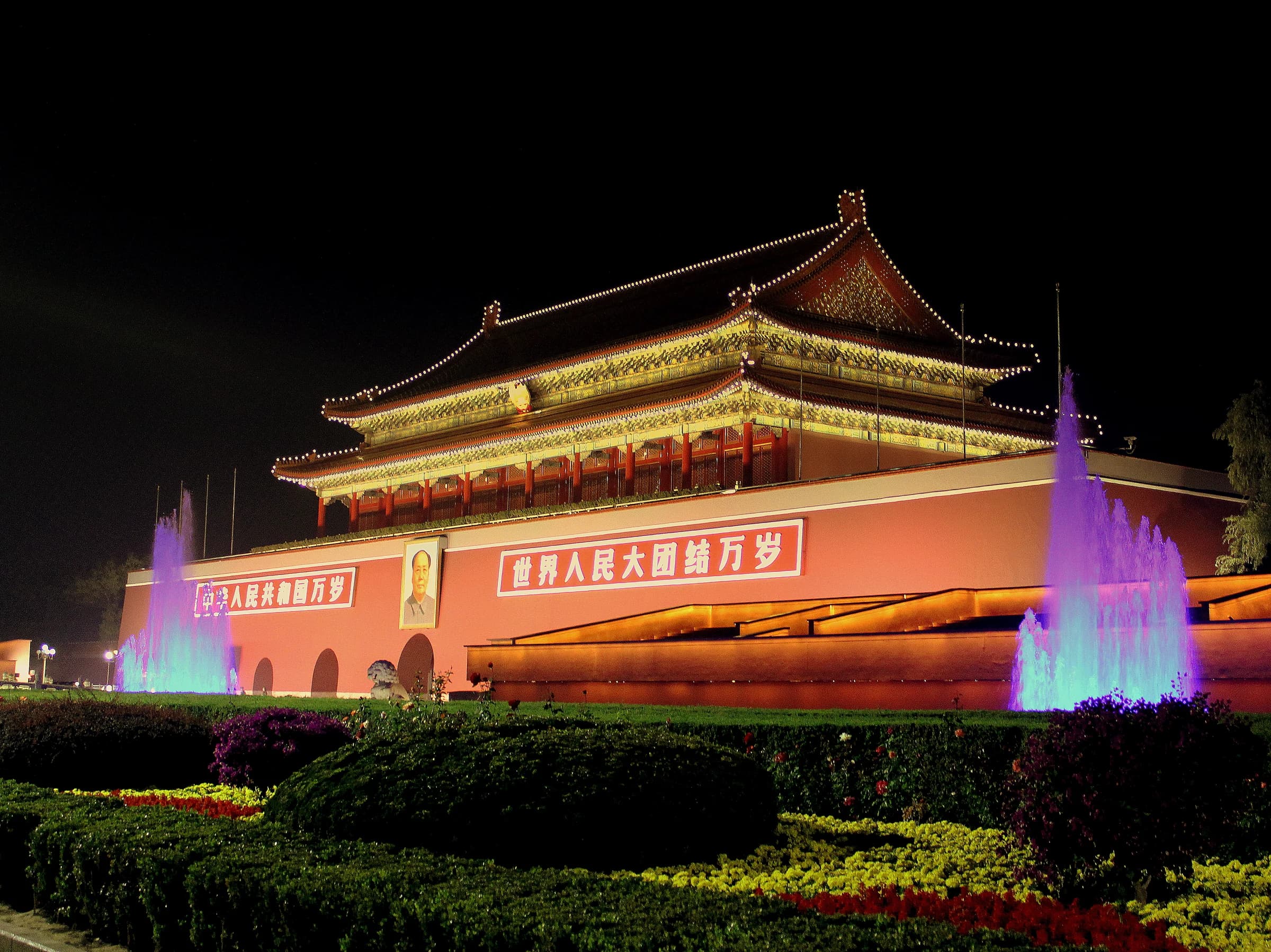
The Forbidden City housed 24 emperors across nearly 500 years inside a walled complex of 980 buildings, and it's just one stop in a capital that also holds the most-visited sections of the Great Wall and one of the largest public squares on Earth.
See full guide →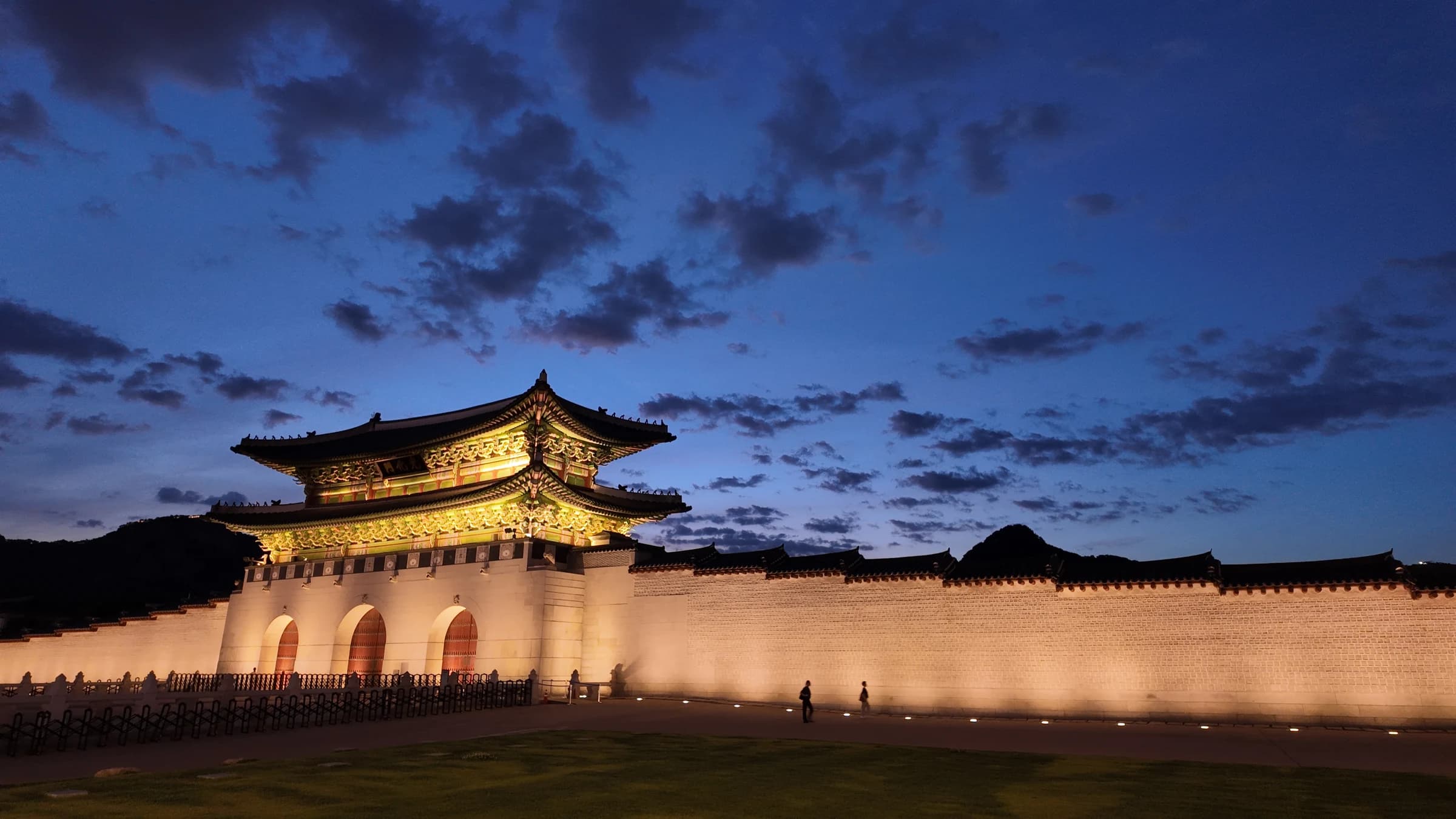 Seoul
SeoulSeoul
South Korea
Seoul runs a daily royal guard changing ceremony outside a 600-year-old palace a short walk from the neighborhoods that produce most of the world's K-pop and K-drama exports — a capital where the Joseon Dynasty and one of the planet's most influential modern cultural exports sit within the same few city blocks.
See full guide →Comparing more than one route? See the full transport comparison guide.