Uzbekistan · Asia
Samarkand
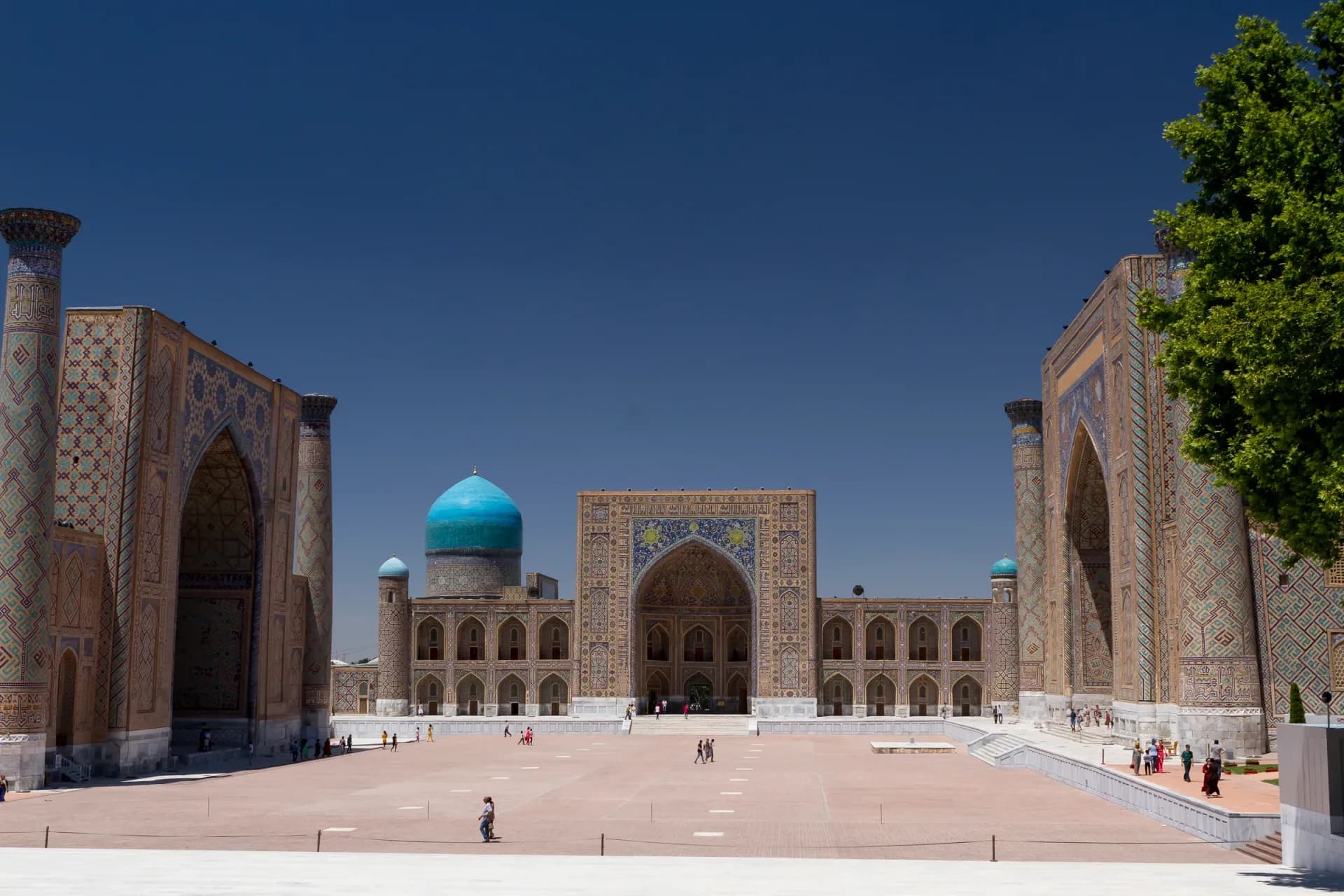
Samarkand has stood at the crossroads of the Silk Road for roughly 2,750 years, long enough to have served as the capital of Tamerlane's 14th-century empire, and its Registan Square still holds three towering madrasahs covered in turquoise tilework that traders and travelers have been stopping to look at for centuries.
Samarkand has stood at the crossroads of Central Asian trade routes for roughly 2,750 years, making it one of the oldest continuously inhabited cities in the region and a fixture on the historic Silk Road connecting China to the Mediterranean. Merchants, scholars, and armies passed through for centuries, each leaving some mark on a city that's absorbed Persian, Turkic, Mongol, and Islamic influences in roughly that order.
Registan Square, framed by three monumental madrasahs built between the 15th and 17th centuries, stands as the clearest surviving expression of that layered history, its facades covered in turquoise and blue tilework arranged in geometric and calligraphic patterns that took generations of craftsmen to complete. The square served as the city's commercial and civic heart for centuries and remains widely considered one of the most visually striking public spaces in the Islamic world.
Samarkand reached its political peak in the 14th century as the capital of Timur's empire, known in the West as Tamerlane, a conqueror who built one of history's largest land empires and used Samarkand as his showcase city, commissioning much of its most significant architecture. Gur-e-Amir, his mausoleum, holds a fluted turquoise dome that became a template for later Central Asian and even Mughal architecture, including, indirectly, the Taj Mahal.
Uzbekistan's tourism accessibility has changed dramatically over the past several years, following a significant liberalization of visa policy since around 2018 that opened visa-free or simple e-visa entry to a large number of nationalities. That shift, combined with new high-speed rail connections between Tashkent, Samarkand, and Bukhara, has made a multi-city Silk Road itinerary considerably more straightforward than it was even a decade ago.
Shah-i-Zinda, a necropolis of tiled mausoleums built up over several centuries along a single narrow street, offers a quieter, less crowded counterpart to Registan Square, its density of tilework arguably even more intricate across the smaller scale of individual tomb facades. Together with the city's bustling Siab Bazaar, still a genuine working market rather than a tourist recreation, Samarkand rewards visitors willing to move beyond its single most famous square.
What a trip here actually costs
$30 / day avg.
- Guesthouse in the old town
- Local Uzbek restaurant meals
- Shared taxi or local transport
- Registan Square and most historic sites, low entry fee
What to do at this tier
- • Registan Square, low entry fee
- • Gur-e-Amir, Timur's mausoleum, low entry fee
- • Siab Bazaar, free to browse
$75 / day avg.
- 3-star hotel near the historic center
- Guided tour of Registan, Gur-e-Amir, and Shah-i-Zinda
- Sit-down Uzbek restaurant dinners
- High-speed train ticket to or from Tashkent
What to do at this tier
- • Guided tour covering Registan, Gur-e-Amir, and Shah-i-Zinda necropolis
- • Bibi-Khanym Mosque, once one of the largest mosques in the Islamic world
- • High-speed Afrosiyob train to Tashkent or Bukhara
These are average estimates for planning purposes, not real-time prices — actual costs vary by season, availability, and how far ahead you book.
How to get there
Click anywhere on the world map — any airport works, not just our main hubs.
Click anywhere on the map above — any airport in the world works — to see estimated travel time and cost from there.
Times and prices are planning estimates, not live fares — always check a booking site before you commit. See the full Transport Comparison guide for the general tradeoffs of each mode.
Best time to visit
April-June and September-October bring the mildest temperatures; summer runs very hot and dry, and winter can be cold.
Safety notes
Very safe with low crime; Uzbekistan has become considerably easier and more welcoming to visit following recent tourism reforms.
Visa & currency
Uzbekistani som (UZS). Many nationalities can enter visa-free or through a simple e-visa, following recent liberalization.
Questions people ask before visiting
Is Samarkand worth visiting?
Yes — Samarkand holds Registan Square, widely considered one of the most spectacular public squares in the Islamic world, along with Gur-e-Amir, the mausoleum of Timur (Tamerlane), and centuries of Silk Road history as one of the oldest continuously inhabited cities in Central Asia.
What is Registan Square?
A public square framed by three madrasahs, Islamic schools, built between the 15th and 17th centuries, each covered in elaborate turquoise and blue tilework. It served historically as the commercial and public heart of Samarkand and remains the city's most visited site.
Do you need a visa for Uzbekistan?
Many nationalities can now enter visa-free or via a simple e-visa, following a significant liberalization of Uzbekistan's visa policy since around 2018, a major shift from the country's more restrictive entry rules in earlier decades.
How many days do you need in Samarkand?
Two to three days covers Registan Square, Gur-e-Amir, and the Shah-i-Zinda necropolis at a comfortable pace. Many visitors combine it with Bukhara and Khiva as part of a wider Uzbekistan Silk Road itinerary.
Nearby destinations
 Ulaanbaatar
Ulaanbaatar
Mongolia
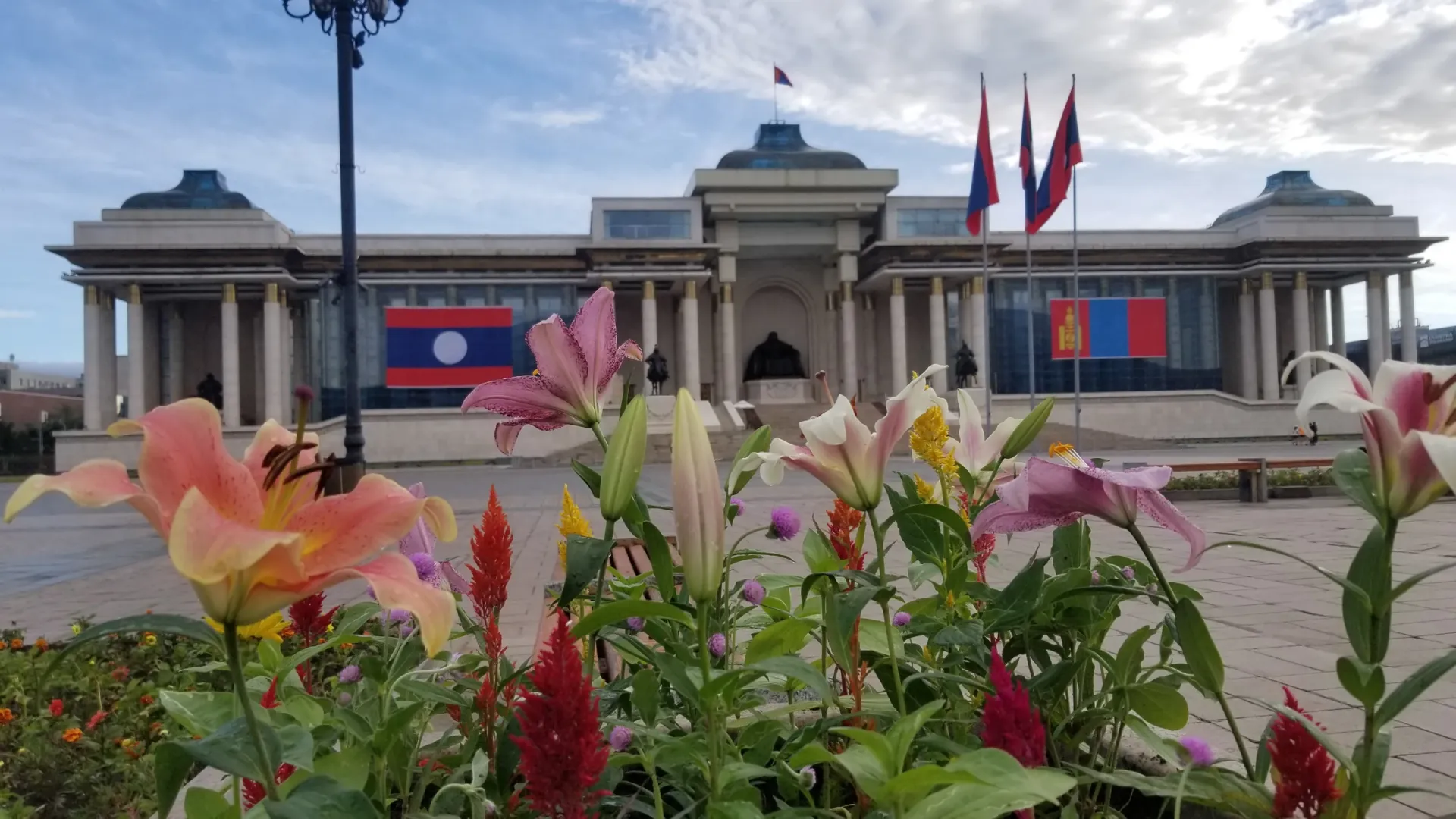
Ulaanbaatar holds the title of coldest capital city in the world by average annual temperature, and it sits as the gateway to a country where roughly a third of the population still lives a nomadic or semi-nomadic lifestyle, a genuinely different scale of open space than almost anywhere else left in Asia.
See full guide →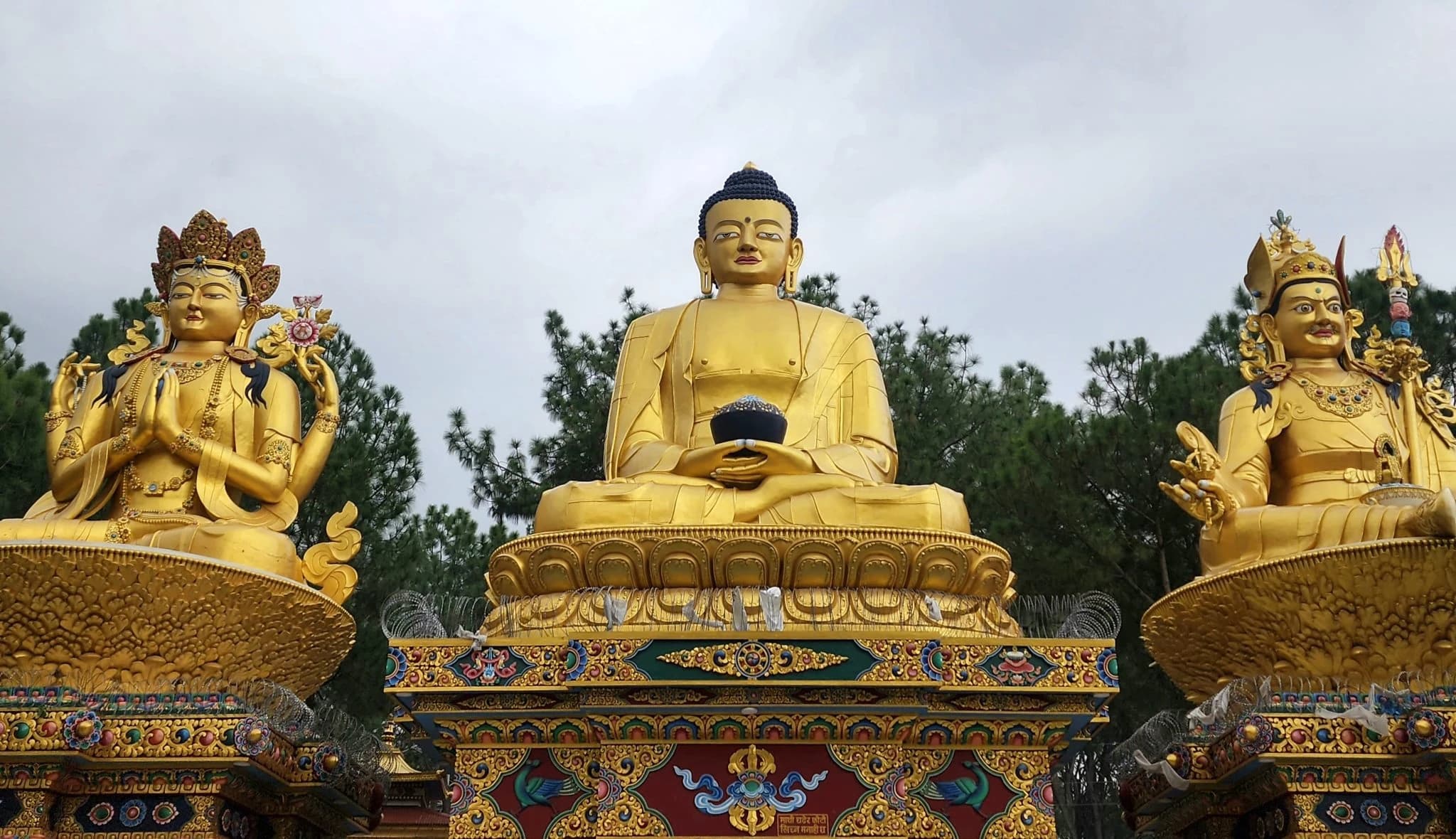 Kathmandu
Kathmandu
Nepal
Kathmandu Valley packs seven separate UNESCO-listed monument zones into a single basin — Durbar Squares, the all-seeing eyes of Swayambhunath, one of the largest stupas in the world at Boudhanath — and still serves as the starting point for nearly everyone attempting to reach the world's highest mountains.
See full guide →Comparing more than one route? See the full transport comparison guide.