Sri Lanka · Asia
Colombo
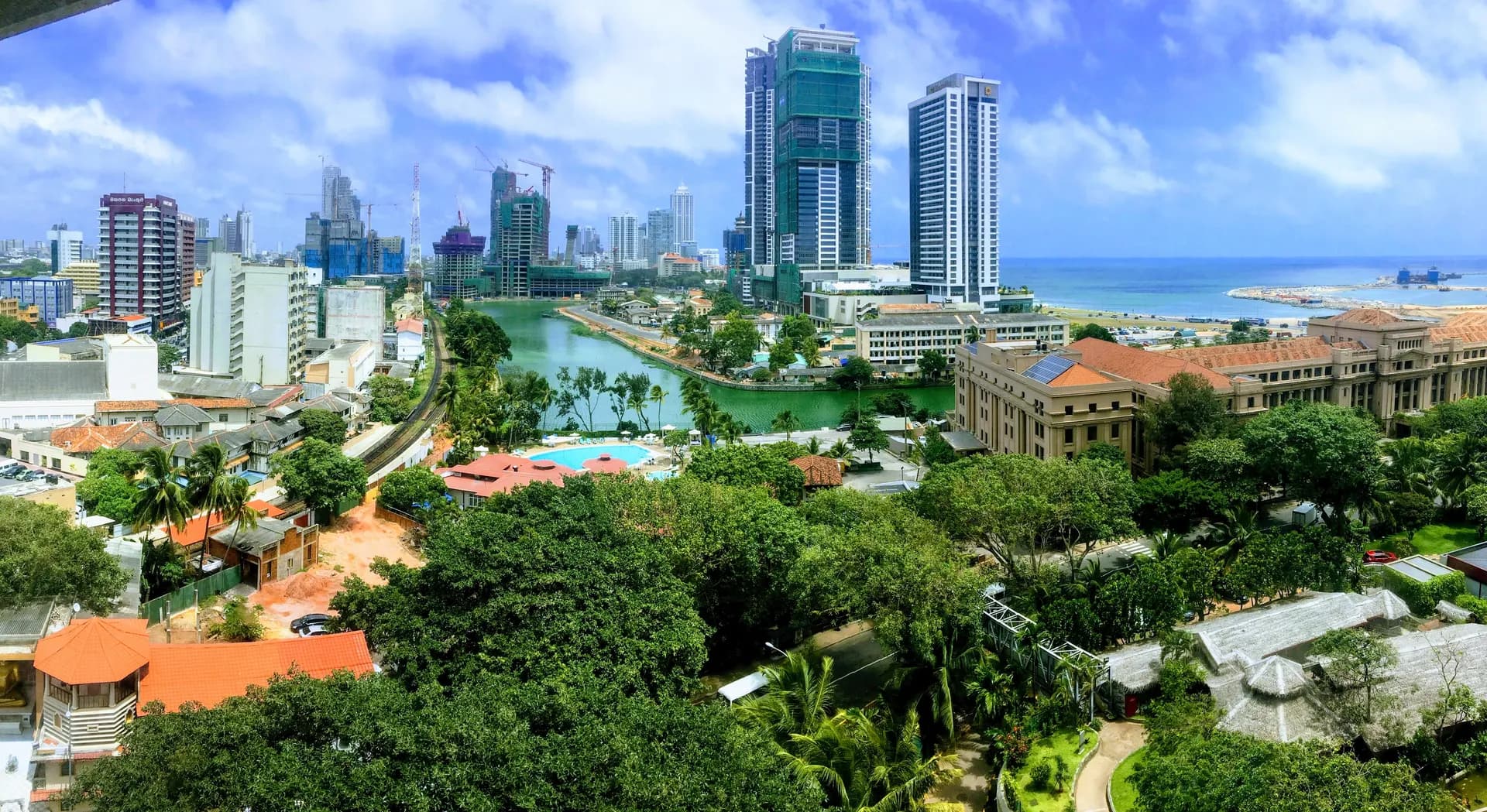
Colombo has passed through Portuguese, Dutch, and British colonial control over roughly four centuries, and that succession left the city with a genuinely layered architectural record, Dutch colonial forts sitting alongside British-era clock towers and railway stations, all now functioning as Sri Lanka's commercial capital rather than a preserved museum piece.
Colombo's history runs through three successive European colonial powers over roughly four centuries, Portuguese control beginning in the early 16th century, followed by Dutch rule from the mid-17th century, and finally British colonial administration from 1815 until Sri Lankan independence in 1948. Each period left distinct architectural and cultural marks that still coexist across the city today, rather than being erased by whichever power came next.
The Fort district, Colombo's historic core, takes its name from the fortifications built successively by the Portuguese, Dutch, and British, and it still holds colonial-era buildings, including the distinctive red-and-white striped lighthouse clock tower, now functioning alongside modern commercial development rather than preserved purely as a museum district.
Pettah, Colombo's dense traditional market district, offers a genuinely different pace and texture from the more formal colonial-era buildings nearby, its narrow streets organized loosely by trade, specific lanes historically specializing in spices, textiles, or hardware, a structure that still shapes the district's character today.
Galle Face Green, an open oceanfront lawn stretching along Colombo's coast, has served as a public gathering space since the Dutch colonial period, and it remains one of the city's most consistently popular spots for evening walks, kite flying, and street food vendors selling snacks to crowds watching the sunset over the Indian Ocean.
Colombo functions as Sri Lanka's commercial and cultural capital, distinct from Kandy, the country's hill-country cultural and religious center, and most visitors treat the two cities as complementary stops on a wider Sri Lanka itinerary rather than choosing between them, Colombo's colonial layering and coastal energy paired with Kandy's temple culture and cooler climate.
What a trip here actually costs
$30 / day avg.
- Guesthouse in central Colombo
- Local bus or tuk-tuk transport
- Local Sri Lankan restaurant meals
- Galle Face Green, free
What to do at this tier
- • Galle Face Green oceanfront promenade, free
- • Pettah Market district, free to browse
- • Fort district colonial architecture walk, free
$75 / day avg.
- 3-star hotel
- Guided Fort and Pettah historic district tour
- National Museum entry
- Sit-down restaurant dinners
What to do at this tier
- • Guided colonial history tour covering the Fort and Pettah districts
- • National Museum of Colombo
- • Gangaramaya Temple visit
These are average estimates for planning purposes, not real-time prices — actual costs vary by season, availability, and how far ahead you book.
How to get there
Click anywhere on the world map — any airport works, not just our main hubs.
Click anywhere on the map above — any airport in the world works — to see estimated travel time and cost from there.
Times and prices are planning estimates, not live fares — always check a booking site before you commit. See the full Transport Comparison guide for the general tradeoffs of each mode.
Best time to visit
December-March brings the driest weather on Sri Lanka's west coast; the monsoon patterns vary regionally across the island.
Safety notes
Generally safe with standard city precautions.
Visa & currency
Sri Lankan rupee (LKR). Most nationalities need an Electronic Travel Authorization (ETA) arranged in advance, a straightforward online process.
Questions people ask before visiting
Is Colombo worth visiting?
Yes — Colombo holds a genuinely layered colonial architectural history spanning Portuguese, Dutch, and British rule, along with the lively Galle Face Green oceanfront promenade and a growing contemporary food and arts scene, functioning as Sri Lanka's commercial and cultural capital.
What is Colombo's colonial history?
Colombo passed through Portuguese control starting in the early 16th century, then Dutch rule from the mid-17th century, and finally British colonial administration from 1815 until Sri Lankan independence in 1948, each period leaving distinct architectural and cultural marks still visible across the city today.
Is Colombo or Kandy better for a Sri Lanka trip?
They serve different purposes rather than competing directly — Colombo offers the country's commercial energy, colonial architecture, and coastal promenade, while Kandy, further inland, centers around Buddhist temple culture and cooler hill-country scenery. Most itineraries include both.
How many days do you need in Colombo?
Two to three days covers the Fort and Pettah historic districts, Galle Face Green, and the National Museum at a comfortable pace, often as a starting or ending point for a wider Sri Lanka itinerary.
Nearby destinations
 Sigiriya
Sigiriya
Sri Lanka
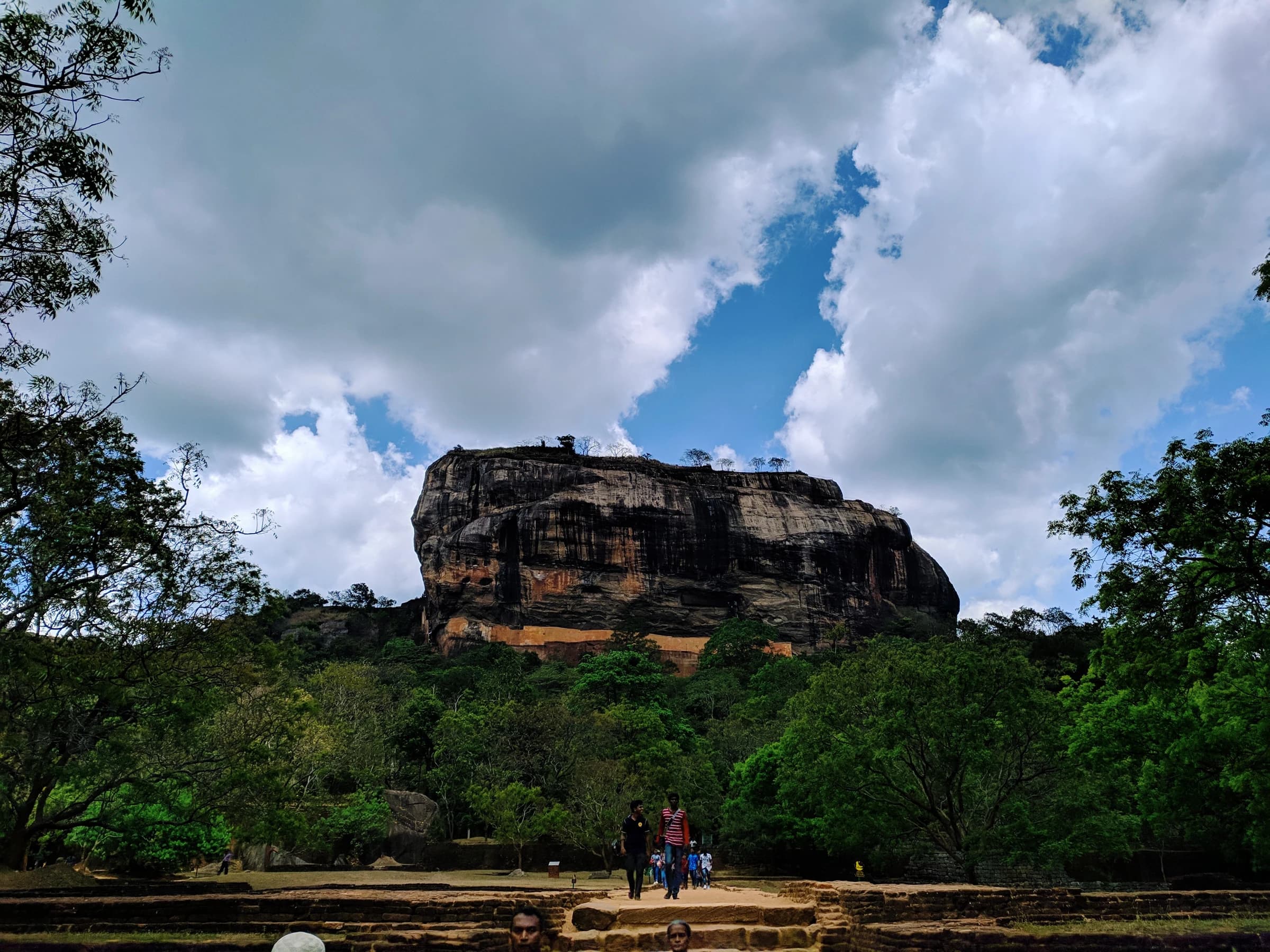
A 5th-century king built a palace on top of a 200-meter rock column rising straight out of the Sri Lankan jungle, and the frescoes his artists painted on its sheer rock face have survived exposed to the weather for over 1,500 years, making Sigiriya one of Asia's more genuinely improbable ruins.
See full guide →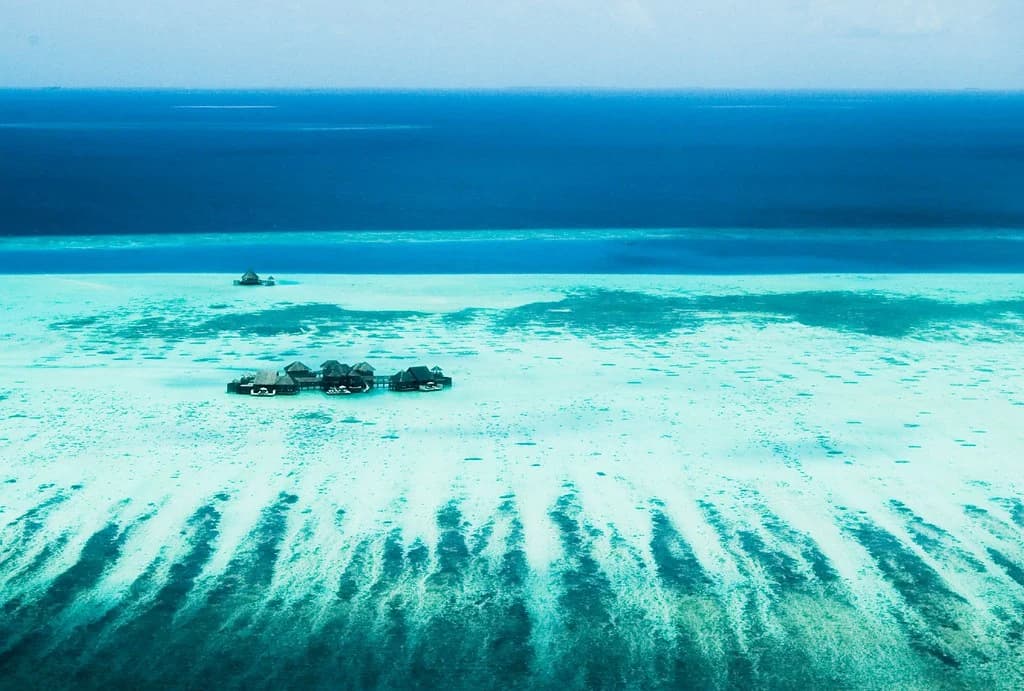 Malé
MaléMalé
Maldives
Malé is the smallest capital city in Asia by land area and one of the most densely packed cities anywhere on Earth, and it sits in a country with an average elevation of just 1.5 meters above sea level, a low-lying gateway to the 1,192 coral islands, most privately run as single-resort escapes, that made overwater bungalows famous.
See full guide →Comparing more than one route? See the full transport comparison guide.