Sri Lanka · Asia
Sigiriya
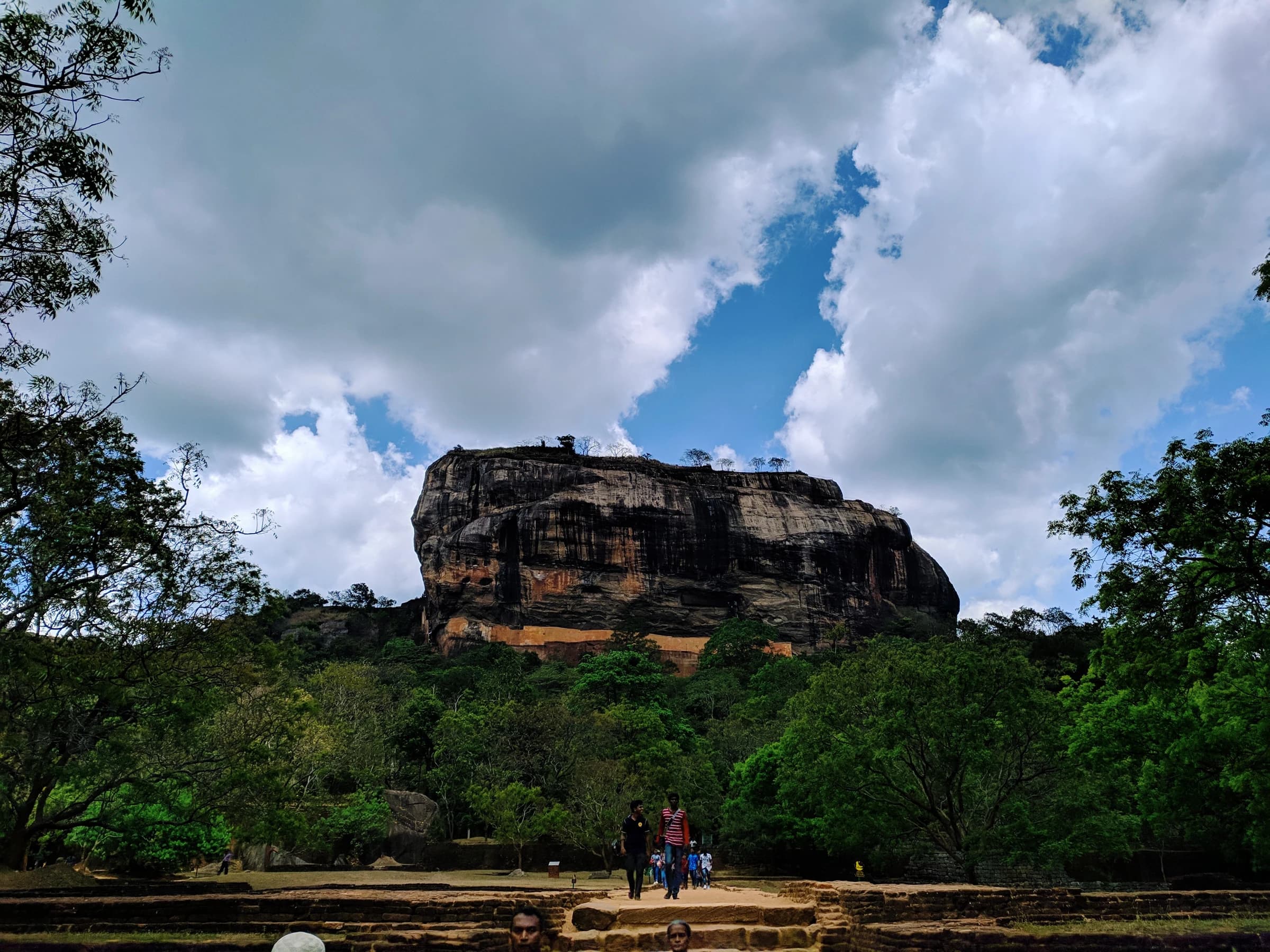
A 5th-century king built a palace on top of a 200-meter rock column rising straight out of the Sri Lankan jungle, and the frescoes his artists painted on its sheer rock face have survived exposed to the weather for over 1,500 years, making Sigiriya one of Asia's more genuinely improbable ruins.
Sigiriya Rock Fortress rises roughly 200 meters straight out of the surrounding jungle plain, and near its summit sit the ruins of a palace built in the 5th century by King Kasyapa, who chose the site partly for its natural defenses after seizing the throne from his father. The result is one of the more genuinely improbable ancient structures in Asia, a fortified royal residence perched atop a column of rock that most modern visitors need close to two hours just to climb.
The frescoes partway up the rock face, known as the Sigiriya damsels, depict a series of women painted in vivid color and have survived exposed to the elements for over 1,500 years, protected only partially by an overhang in the rock. Their exact meaning and identity remain debated among historians, but their survival across so many centuries makes them one of the most remarkable pieces of ancient painting still visible anywhere in South Asia.
The climb itself runs roughly 1,200 steps, including a steep spiral staircase built into the rock near the summit, and most visitors take 1.5 to 2 hours round trip. Starting early in the morning, before the heat builds and the steps grow crowded, makes a meaningful difference in comfort, and the water gardens at the base, remarkably intact examples of ancient hydraulic engineering, are worth exploring both before and after the climb.
Sigiriya sits within Sri Lanka's Cultural Triangle, a region holding several of the island's ancient capitals and UNESCO World Heritage Sites, including Anuradhapura, Polonnaruwa, and the hill city of Kandy. Most visitors base themselves near Sigiriya or the nearby town of Dambulla, home to an extensive cave temple complex, to explore the wider region over several days rather than treating Sigiriya as an isolated day trip.
Sri Lanka's broader identity as a major tea-growing nation, with its Ceylon tea grown mostly in the island's central highlands, sits at some geographic distance from Sigiriya's dry central plains, but it's a reminder of how much ecological variety the relatively small, teardrop-shaped island packs in, from ancient rock fortresses to misty hillside plantations within a few hours' drive of each other.
What a trip here actually costs
$30 / day avg.
- Guesthouse near Sigiriya town
- Tuk-tuk rides
- Local Sri Lankan restaurant meals
- Sigiriya Rock entry fee
What to do at this tier
- • Sigiriya Rock Fortress climb, entry fee required
- • Sigiriya's water gardens at the base, included in entry
- • Local village walk, free
$75 / day avg.
- 3-star hotel with pool
- Sigiriya guided tour
- Dambulla Cave Temple visit
- Village and rural cycling tour
What to do at this tier
- • Guided tour of Sigiriya Rock and its frescoes
- • Dambulla Cave Temple, a Buddhist cave complex
- • Village cycling tour with a traditional lunch
$200 / day avg.
- Boutique hotel with rock views
- Private guided tour of Sigiriya and Dambulla
- Elephant safari in a nearby national park
- Fine dining Sri Lankan tasting menu
What to do at this tier
- • Private guided tour covering Sigiriya and Dambulla
- • Elephant safari at a nearby national park like Minneriya
- • Fine dining Sri Lankan tasting menu at a boutique hotel
These are average estimates for planning purposes, not real-time prices — actual costs vary by season, availability, and how far ahead you book.
How to get there
Click anywhere on the world map — any airport works, not just our main hubs.
Click anywhere on the map above — any airport in the world works — to see estimated travel time and cost from there.
Times and prices are planning estimates, not live fares — always check a booking site before you commit. See the full Transport Comparison guide for the general tradeoffs of each mode.
Best time to visit
January-March offers the driest, most comfortable conditions for the climb; the monsoon seasons vary regionally across Sri Lanka, so checking current conditions before booking is worth it.
Safety notes
Generally safe; the rock climb is steep in sections, so sturdy shoes and an early start are worth planning for.
Visa & currency
Sri Lankan rupee (LKR). Most nationalities need an Electronic Travel Authorization (ETA) arranged in advance, a straightforward online process.
Questions people ask before visiting
Is Sigiriya worth visiting?
Yes — Sigiriya Rock Fortress, a UNESCO World Heritage Site, holds the ruins of a 5th-century palace built atop a 200-meter rock column, along with surviving frescoes of the so-called Sigiriya damsels and elaborate water gardens at its base, making it one of the most distinctive ancient sites in Asia.
How hard is the climb up Sigiriya?
Moderately difficult, involving roughly 1,200 steps including a steep spiral staircase near the top; it takes most visitors 1.5 to 2 hours round trip. Early morning starts, before the heat builds, make the climb noticeably more comfortable.
What is Sri Lanka's Cultural Triangle?
A region in central Sri Lanka containing several ancient capitals and UNESCO sites, including Sigiriya, Anuradhapura, Polonnaruwa, and Kandy. Many visitors base themselves near Sigiriya or Dambulla to explore the wider area over several days.
How many days do you need for Sigiriya?
One full day covers the rock climb and nearby Dambulla Cave Temple, though most visitors spend two to three days in the area to also reach Polonnaruwa or Kandy without rushing.
Nearby destinations
 Kathmandu
Kathmandu
Nepal
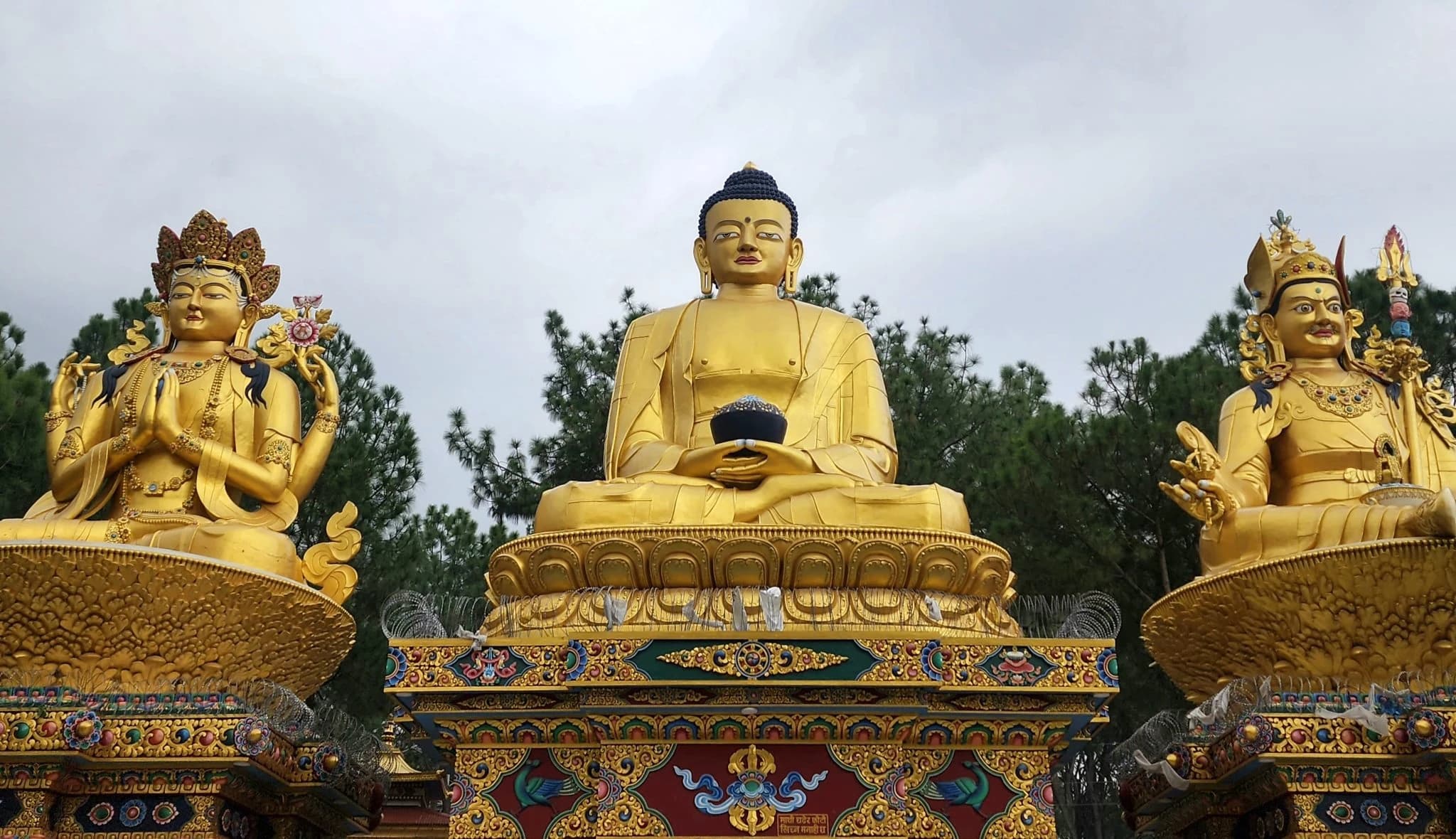
Kathmandu Valley packs seven separate UNESCO-listed monument zones into a single basin — Durbar Squares, the all-seeing eyes of Swayambhunath, one of the largest stupas in the world at Boudhanath — and still serves as the starting point for nearly everyone attempting to reach the world's highest mountains.
See full guide →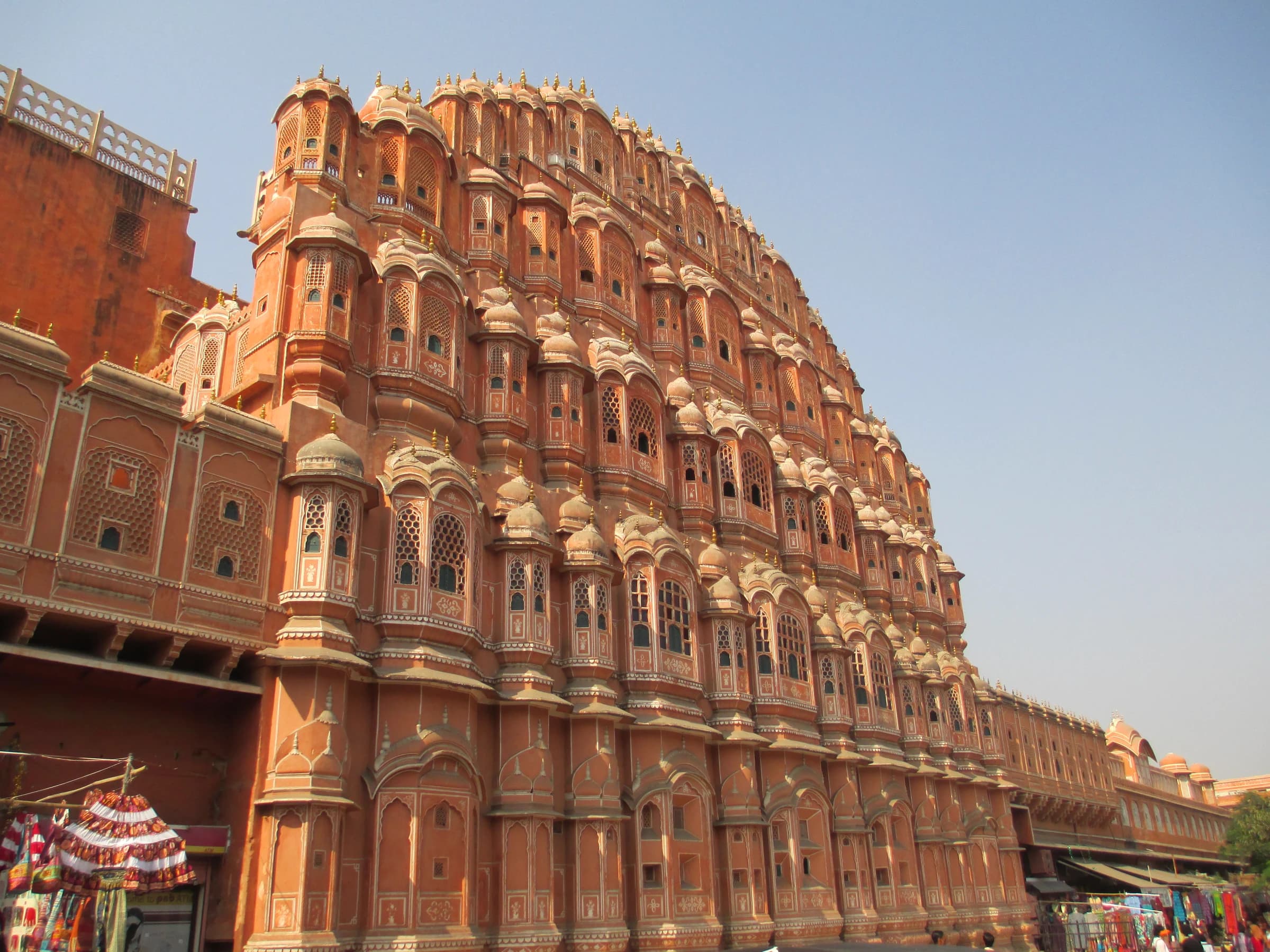 Jaipur
Jaipur
India
Jaipur's old city was painted terracotta pink in 1876 for a single royal visit from the Prince of Wales, and the tradition stuck so firmly that it's now protected by law — giving India's "Pink City" a genuinely unified look across the Hawa Mahal's 953 honeycomb windows, the hilltop Amber Fort, and the rest of its historic center.
See full guide →Comparing more than one route? See the full transport comparison guide.