Maldives · Asia
Malé
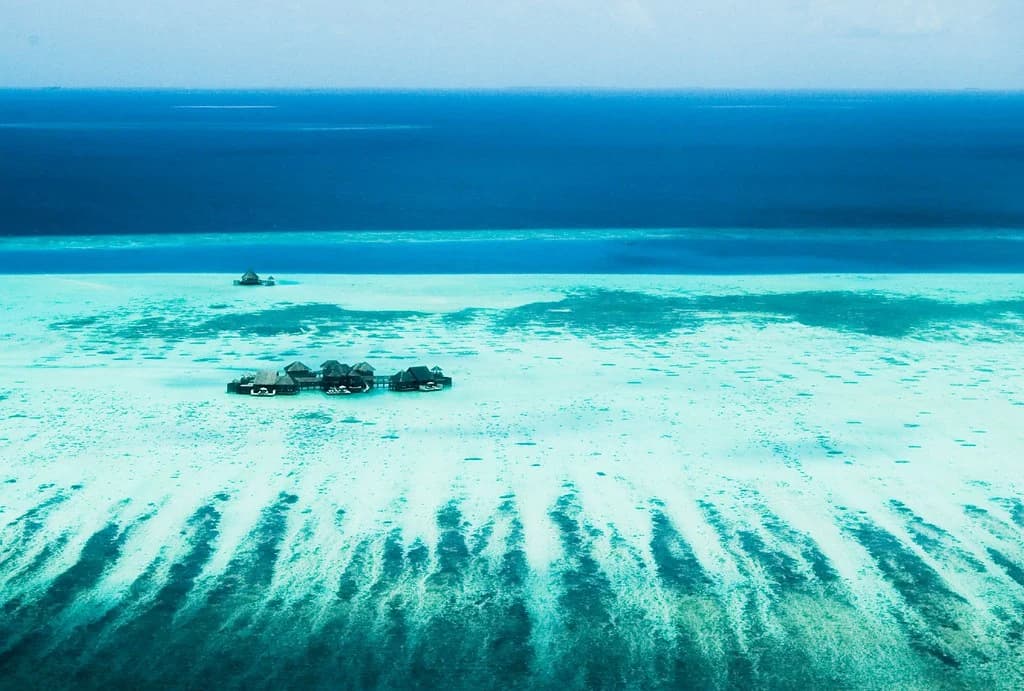
Malé is the smallest capital city in Asia by land area and one of the most densely packed cities anywhere on Earth, and it sits in a country with an average elevation of just 1.5 meters above sea level, a low-lying gateway to the 1,192 coral islands, most privately run as single-resort escapes, that made overwater bungalows famous.
Malé is the smallest capital city in Asia by land area and among the most densely populated cities anywhere on Earth, packing well over 100,000 residents into just a few square kilometers. For most visitors it's a brief stop rather than a destination, a transit point between the international airport and a seaplane, speedboat, or domestic flight continuing on to one of the country's resort islands.
The Maldives spreads across 1,192 coral islands grouped into 26 atolls, of which only around 200 are inhabited, and a large share of the rest operate as single-resort private islands, a model the country helped popularize globally. Overwater bungalows, now found in beach destinations worldwide, trace much of their modern fame back to Maldivian resorts built specifically to put guests directly above the reef.
That reef is a large part of the draw, with consistently clear, warm water offering some of the best snorkeling and diving visibility available anywhere, alongside manta rays, whale sharks in certain seasons, and extensive coral formations. Because most resorts occupy their own private island, the experience tends toward genuine seclusion rather than a shared beachfront, part of what keeps the Maldives priced firmly at the luxury end of most travel budgets.
The country holds the lowest average elevation of any nation in the world, just 1.5 meters above sea level, making it acutely vulnerable to rising sea levels and a frequent reference point in discussions of climate change's most immediate national-scale risks. That vulnerability has pushed the Maldivian government toward long-term adaptation planning even as tourism remains the backbone of its economy.
For travelers working with a tighter budget, a smaller but growing number of guesthouses on inhabited local islands, rather than private resort islands, offer a considerably cheaper way to reach the same water and reefs, following more conservative local dress and alcohol norms than the resort islands built specifically around tourism.
What a trip here actually costs
$600 / day avg.
- Overwater bungalow at a private-island resort
- Seaplane or speedboat transfer from Malé
- All-inclusive dining package
- Snorkeling or diving excursion
What to do at this tier
- • Overwater bungalow stay with direct reef access
- • Guided snorkeling or scuba diving excursion
- • Private sandbank picnic on an uninhabited islet
- • Sunset dolphin cruise
These are average estimates for planning purposes, not real-time prices — actual costs vary by season, availability, and how far ahead you book.
How to get there
Click anywhere on the world map — any airport works, not just our main hubs.
Click anywhere on the map above — any airport in the world works — to see estimated travel time and cost from there.
Times and prices are planning estimates, not live fares — always check a booking site before you commit. See the full Transport Comparison guide for the general tradeoffs of each mode.
Best time to visit
November-April is the dry season with the calmest seas and best visibility for diving and snorkeling; May-October brings the wet season with more rain and choppier water.
Safety notes
Very safe with low crime; the main practical concern is water safety and respecting local dress and alcohol customs on inhabited local islands, which follow more conservative norms than resort islands.
Visa & currency
Maldivian rufiyaa (MVR), though US dollars are widely accepted at resorts. Nearly all nationalities receive a free 30-day visa on arrival.
Questions people ask before visiting
Is the Maldives worth visiting?
Yes for anyone seeking overwater bungalows, private-island resorts, and some of the clearest reef diving and snorkeling water in the world, though it's a genuinely expensive destination, and most travel time and budget go toward a resort island rather than Malé itself.
Do you need to stay in Malé?
Most visitors pass through Malé only briefly, connecting from the international airport to a seaplane, speedboat, or domestic flight headed to their resort island, since Malé itself is a dense working capital rather than a beach destination.
Is the Maldives a budget-friendly destination?
It leans heavily luxury by default, since most accommodation is single-resort private islands, though a growing number of local-island guesthouses on inhabited islands offer a considerably cheaper way to experience the same water and reefs.
Why is the Maldives at risk from climate change?
The country's average elevation is just 1.5 meters above sea level, making it the lowest-lying country in the world and acutely vulnerable to rising sea levels, a fact that shapes both its long-term national planning and its appeal as a destination worth seeing.
Nearby destinations
 Singapore
Singapore
Singapore
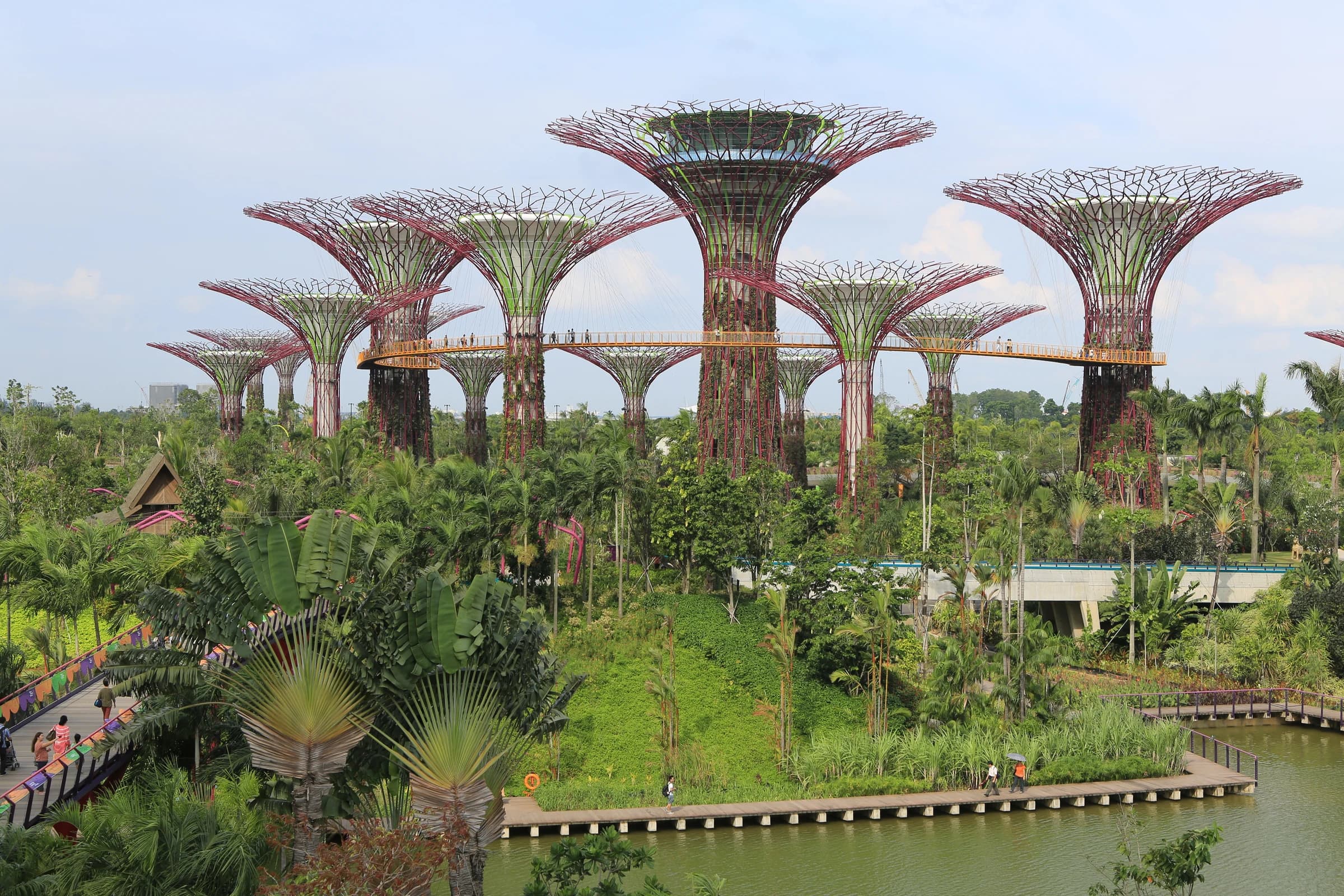
Singapore is one of only three sovereign city-states left in the world, alongside Monaco and Vatican City, and it runs on rules strict enough to earn the nickname "fine city" — while its hawker centers, affordable multicultural food courts serving Malay, Chinese, and Indian cuisine side by side, hold UNESCO cultural heritage status.
See full guide →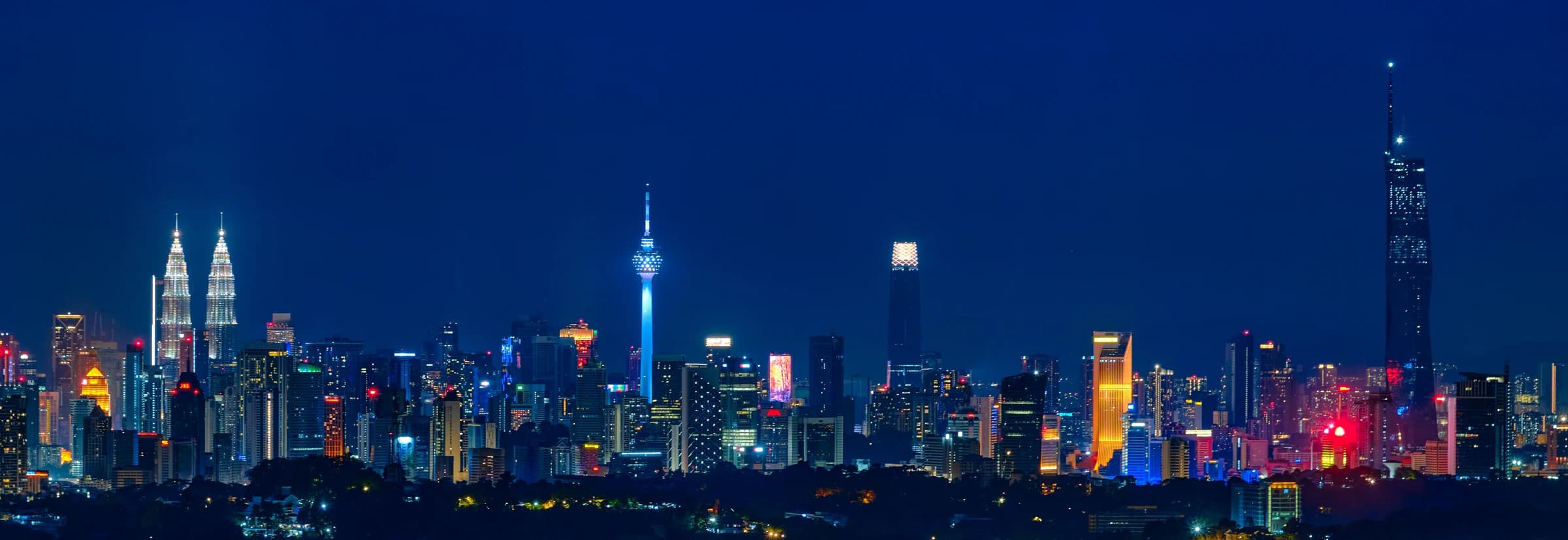 Kuala Lumpur
Kuala Lumpur
Malaysia
The Petronas Twin Towers held the title of world's tallest building until 2004 and remain the tallest twin towers on Earth today, rising over a city where Malay, Chinese, and Indian communities have shaped the same streets for generations — visible in Batu Caves' 42.7-meter golden statue, Chinatown's temples, and Little India's markets, all a short ride apart.
See full guide →Comparing more than one route? See the full transport comparison guide.