Malaysia · Asia
Kuala Lumpur
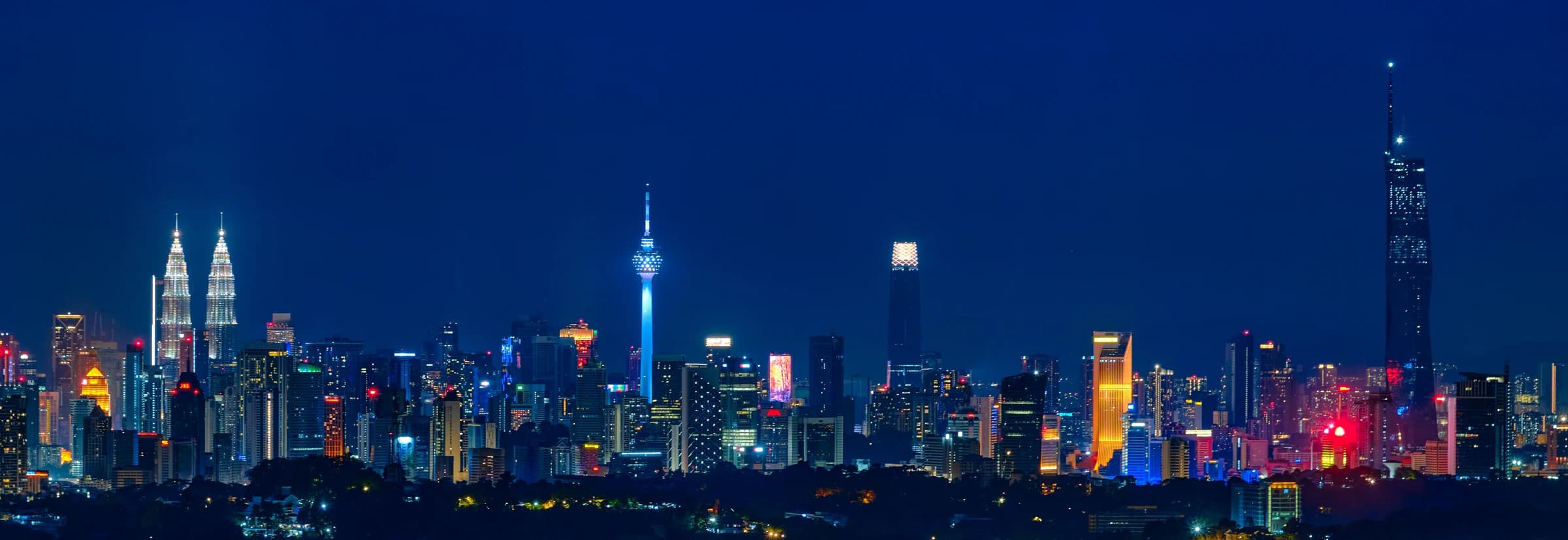
The Petronas Twin Towers held the title of world's tallest building until 2004 and remain the tallest twin towers on Earth today, rising over a city where Malay, Chinese, and Indian communities have shaped the same streets for generations — visible in Batu Caves' 42.7-meter golden statue, Chinatown's temples, and Little India's markets, all a short ride apart.
The Petronas Twin Towers held the title of tallest building in the world from their completion in 1998 until 2004, when Taipei 101 surpassed them, but they remain the tallest twin towers on Earth today, connected by a skybridge on the 41st and 42nd floors that offers one of Kuala Lumpur's more distinctive photo spots. An observation deck near the top gives panoramic views over a skyline that's grown dramatically around the towers in the decades since they opened.
Batu Caves, a series of limestone caves roughly 13 kilometers from the city center, function as one of the most important Hindu shrines outside India, reached by climbing 272 brightly painted steps guarded by a 42.7-meter golden statue of Murugan, the tallest statue of a Hindu deity anywhere outside India itself. The climb is steep but manageable, and macaques roaming the stairway add an unplanned but memorable part of the experience.
Kuala Lumpur's population reflects a genuine multicultural mix, Malay, Chinese, and Indian communities that have shaped the city's food, architecture, and neighborhoods side by side for generations rather than staying separate. Petaling Street anchors Chinatown with its temples and night market, Little India runs a few kilometers away with its own distinct markets and restaurants, and mosques, Hindu temples, and Chinese shrines often sit within walking distance of one another.
That cultural mix shows up most directly in the food, where Malay nasi lemak, Chinese dim sum, and Indian roti canai are all considered equally local rather than imported, often served within the same mamak-style 24-hour restaurants that blend elements of all three traditions into a single, distinctly Malaysian food culture.
Kuala Lumpur runs noticeably cheaper than Singapore just a few hours away by bus or plane, which makes it a popular stopover or standalone destination for budget-conscious visitors wanting comparable modern infrastructure, an efficient LRT and monorail network, and genuinely striking architecture, at a meaningfully lower daily cost.
What a trip here actually costs
$30 / day avg.
- Hostel dorm or budget hotel
- LRT and monorail day pass
- Hawker stall and mamak restaurant meals
- Batu Caves entry, free
What to do at this tier
- • Batu Caves and its 272-step climb, free entry
- • Chinatown (Petaling Street) and Little India walk, free
- • Petronas Towers park and light show, free
$75 / day avg.
- 3-star hotel near KLCC
- Petronas Towers observation deck tickets
- Batu Caves guided half-day tour
- Sit-down Malaysian, Chinese, or Indian restaurant meals
What to do at this tier
- • Petronas Twin Towers observation deck and skybridge
- • Guided half-day Batu Caves and temple tour
- • KL Tower Sky Deck for panoramic city views
$200 / day avg.
- 4-5 star hotel with skyline views
- Private guided city and Batu Caves tour
- Fine dining tasting menu
- KL Tower Sky Box or Sky Deck experience
What to do at this tier
- • Private guided tour covering Batu Caves, Chinatown, and Little India
- • Fine dining tasting menu at a top Kuala Lumpur restaurant
- • KL Tower Sky Box, a glass viewing box extending off the tower
These are average estimates for planning purposes, not real-time prices — actual costs vary by season, availability, and how far ahead you book.
How to get there
Click anywhere on the world map — any airport works, not just our main hubs.
Click anywhere on the map above — any airport in the world works — to see estimated travel time and cost from there.
Times and prices are planning estimates, not live fares — always check a booking site before you commit. See the full Transport Comparison guide for the general tradeoffs of each mode.
Best time to visit
December-February is relatively drier, though Kuala Lumpur sees rain year-round as a tropical city; showers are typically short and heaviest in the afternoon.
Safety notes
Generally safe with standard city precautions; watch for petty theft in crowded markets and tourist areas.
Visa & currency
Malaysian ringgit (MYR). Many nationalities can enter visa-free for tourism, worth confirming based on passport before booking.
Questions people ask before visiting
Is Kuala Lumpur worth visiting?
Yes — Kuala Lumpur combines the record-holding Petronas Twin Towers, Batu Caves' giant golden Murugan statue and 272-step climb, and a genuinely multicultural mix of Malay, Chinese, and Indian food and architecture, all at a noticeably lower cost than Singapore just a few hours away.
What are the Petronas Twin Towers?
Twin 88-story skyscrapers that were the tallest buildings in the world from 1998 to 2004 and remain the tallest twin towers on Earth today. A skybridge connects the towers on the 41st and 42nd floors, and an observation deck near the top offers panoramic city views.
What is Batu Caves?
A series of limestone caves turned into a Hindu shrine, reached by climbing 272 colorful steps guarded by a 42.7-meter golden statue of Murugan, the tallest statue of a Hindu deity outside India. It's one of the most important Hindu pilgrimage sites outside the country.
How many days do you need in Kuala Lumpur?
Two to three days covers the Petronas Towers, Batu Caves, and the city's main cultural neighborhoods at a relaxed pace. Many visitors combine it with a stop in Penang or use it as a stopover en route to other parts of Southeast Asia.
Nearby destinations
 Singapore
Singapore
Singapore
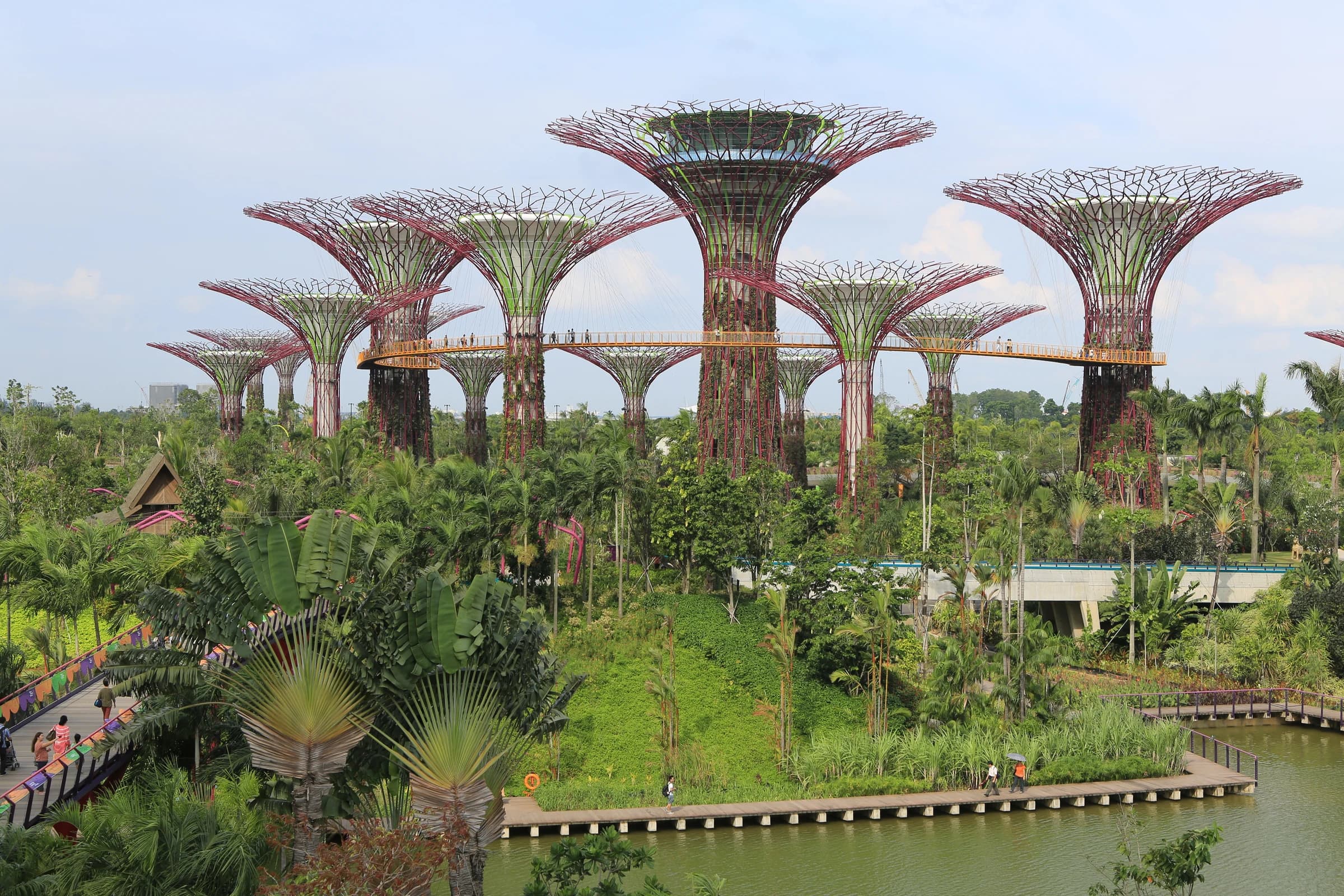
Singapore is one of only three sovereign city-states left in the world, alongside Monaco and Vatican City, and it runs on rules strict enough to earn the nickname "fine city" — while its hawker centers, affordable multicultural food courts serving Malay, Chinese, and Indian cuisine side by side, hold UNESCO cultural heritage status.
See full guide →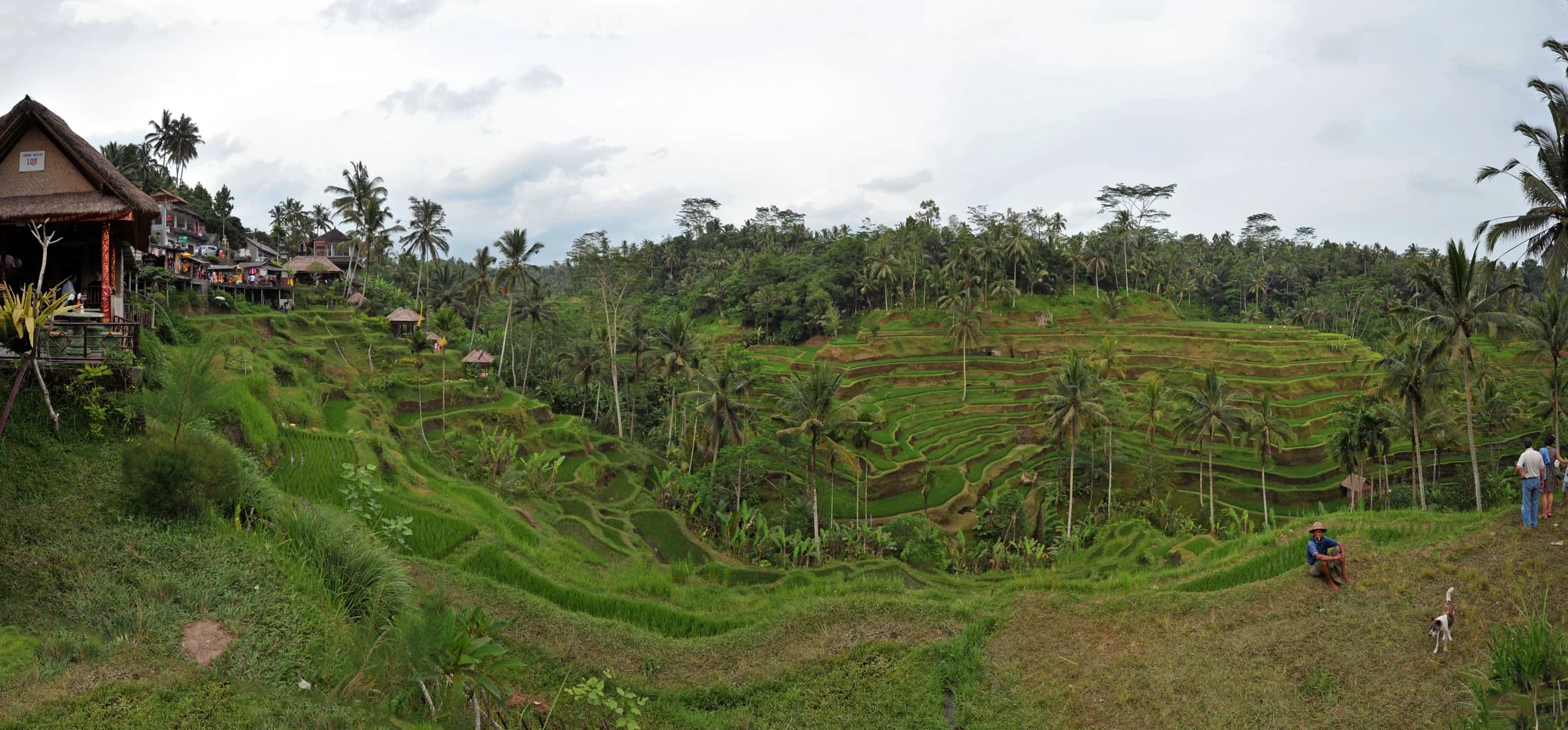 Ubud
UbudUbud
Indonesia
Bali is a Hindu-majority island sitting inside the world's largest Muslim-majority country, and Ubud, its cultural heart, is estimated to hold somewhere around 20,000 temples across the wider island — a genuinely distinct religious and artistic identity that no amount of post-Eat Pray Love tourism growth has managed to flatten.
See full guide →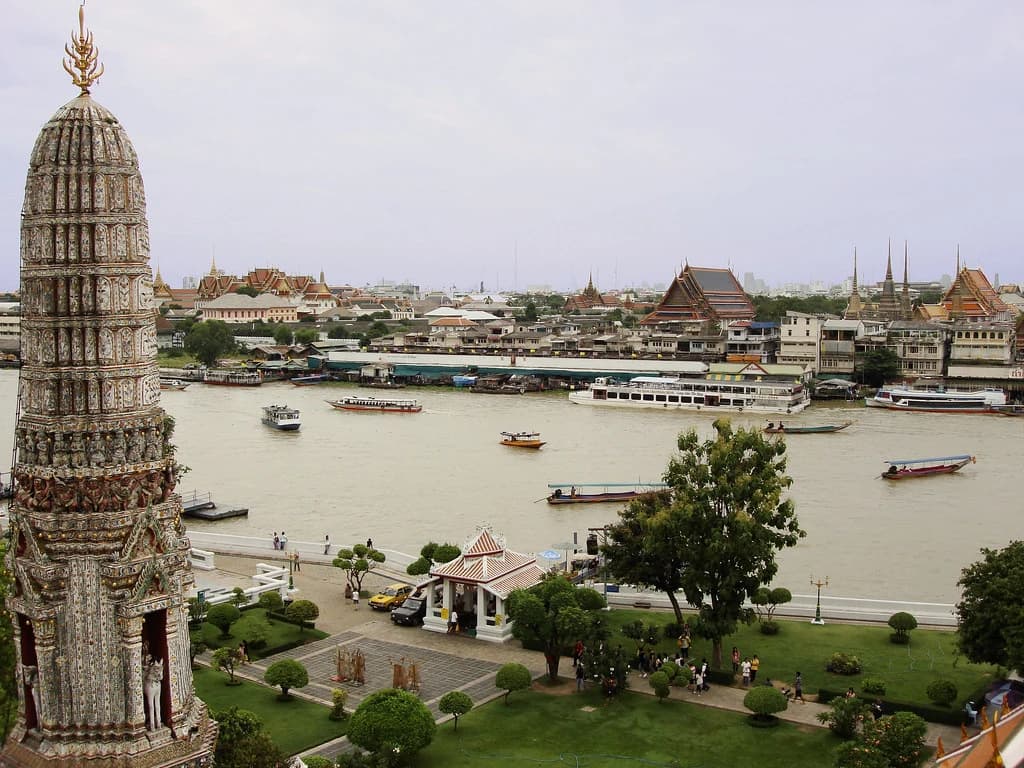 Bangkok
Bangkok
Thailand
Bangkok's full ceremonial name runs 168 characters and holds the Guinness World Record for longest place name on Earth — a fitting bit of excess for a city that packs gold-spired royal temples, a river cut through by canal boats, and Michelin-recognized street food carts into the same few blocks.
See full guide →Comparing more than one route? See the full transport comparison guide.