Singapore · Asia
Singapore
Singapore is one of only three sovereign city-states left in the world, alongside Monaco and Vatican City, and it runs on rules strict enough to earn the nickname "fine city" — while its hawker centers, affordable multicultural food courts serving Malay, Chinese, and Indian cuisine side by side, hold UNESCO cultural heritage status.
Singapore is one of only three sovereign city-states remaining in the world, alongside Monaco and Vatican City, a small, densely built nation that functions entirely as a single metropolitan area. Since independence in 1965, it's built a reputation for order and efficiency strict enough to earn the long-running nickname "fine city," a reference to its enforced fines for offenses like littering, jaywalking, and the outright ban on selling chewing gum.
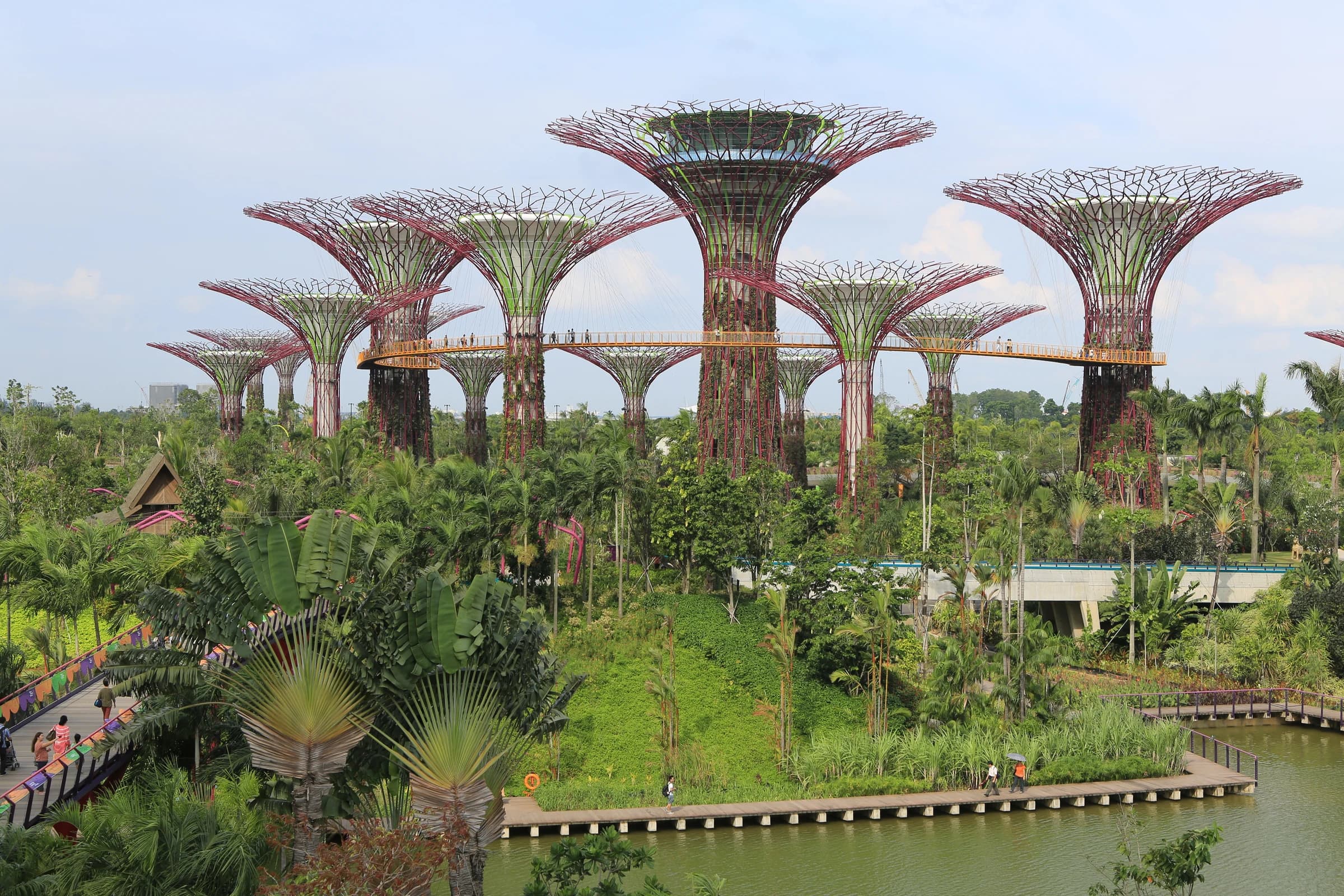
Gardens by the Bay anchors much of Singapore's modern image, its Supertree Grove rising as much as 50 meters in vertical gardens that light up after dark, alongside the Cloud Forest and Flower Dome, two climate-controlled biodomes replicating cool mountain and Mediterranean ecosystems inside a tropical city. Marina Bay Sands, the three-tower hotel complex nearby, holds a rooftop infinity pool overlooking the skyline, technically accessible only to hotel guests, though the observation deck at the same level is open to all visitors for a ticket.
Hawker centers, open-air food courts housing dozens of independent stalls each usually specializing in a single dish, form the backbone of everyday Singaporean eating, serving Malay, Chinese, Indian, and Peranakan cuisine at prices far below sit-down restaurants. UNESCO added Singapore's hawker culture to its Intangible Cultural Heritage list in 2020, a formal recognition of something locals had already understood for decades: some of the country's best food comes from its most affordable stalls.
Changi Airport has repeatedly ranked among the best airports in the world, less a transit hub than a destination in its own right, home to Jewel Changi's indoor waterfall, the tallest of its kind, along with a butterfly garden and multiple themed attractions built directly into the terminal complex. For many visitors it's genuinely the first stop on the trip rather than just a layover.
Singapore's multicultural makeup shows up clearly in its neighborhoods, Chinatown, Little India, and Kampong Glam each carrying distinct architecture, temples, and food traditions within walking distance of one another. That density, several cultures, biodomes, hawker stalls, and a rooftop infinity pool all within a compact, efficiently connected city, is what gives Singapore its particular character among Southeast Asian capitals.
What a trip here actually costs
$130 / day avg.
- 3-star hotel
- MRT transit pass
- Hawker center and casual restaurant meals
- Gardens by the Bay ticketed attractions
What to do at this tier
- • Gardens by the Bay's Cloud Forest and Flower Dome biodomes
- • Singapore Zoo or Night Safari
- • Chinatown, Little India, and Kampong Glam neighborhood walk
$350 / day avg.
- 5-star hotel, potentially Marina Bay Sands
- Rooftop infinity pool access
- Fine dining tasting menus
- Private guided city tour
What to do at this tier
- • Marina Bay Sands rooftop infinity pool, hotel guests only
- • Fine dining tasting menu at a top Singapore restaurant
- • Private guided tour covering multiple neighborhoods and hawker highlights
$60 / day avg.
- Hostel dorm
- MRT single-trip fares
- Hawker center meals
- Gardens by the Bay outdoor gardens, free
What to do at this tier
- • Gardens by the Bay's free outdoor gardens and Supertree Grove
- • Hawker center meal crawl, including Maxwell Food Centre
- • Merlion Park and Marina Bay waterfront walk, free
These are average estimates for planning purposes, not real-time prices — actual costs vary by season, availability, and how far ahead you book.
How to get there
Click anywhere on the world map — any airport works, not just our main hubs.
Click anywhere on the map above — any airport in the world works — to see estimated travel time and cost from there.
Times and prices are planning estimates, not live fares — always check a booking site before you commit. See the full Transport Comparison guide for the general tradeoffs of each mode.
Best time to visit
Singapore sits near the equator with consistent heat and humidity year-round; February-April is slightly drier, though rain can happen any month.
Safety notes
Extremely safe with very low crime; strict laws around littering, jaywalking, chewing gum, and drug offenses carry real, enforced penalties.
Visa & currency
Singapore dollar (SGD). Many nationalities can enter visa-free for tourism, worth confirming based on passport before booking.
Questions people ask before visiting
Is Singapore worth visiting?
Yes — Singapore combines Gardens by the Bay's futuristic Supertree Grove and biodomes, Marina Bay Sands' rooftop infinity pool, UNESCO-recognized hawker centers serving genuinely excellent affordable food, and Changi Airport, repeatedly ranked the world's best, all within a compact, easy-to-navigate city.
Why is Singapore called a 'fine city'?
It's a long-running joke referencing Singapore's strict laws and fines for offenses like littering, jaywalking, and chewing gum sales, which are banned outright. The laws reflect a broader emphasis on public order that also makes Singapore one of the safest, cleanest major cities in the world.
What are hawker centers?
Open-air food courts housing dozens of independent stalls, each usually specializing in one dish, serving Malay, Chinese, Indian, and Peranakan cuisine at prices far below restaurant dining. UNESCO added Singapore's hawker culture to its Intangible Cultural Heritage list in 2020.
Is Singapore expensive to visit?
Accommodation and dining at Western-style restaurants run high, closer to major European or US cities, but hawker center meals and public transit keep daily costs manageable for budget-conscious travelers willing to eat and move like locals do.
Nearby destinations
 Kuala Lumpur
Kuala Lumpur
Malaysia
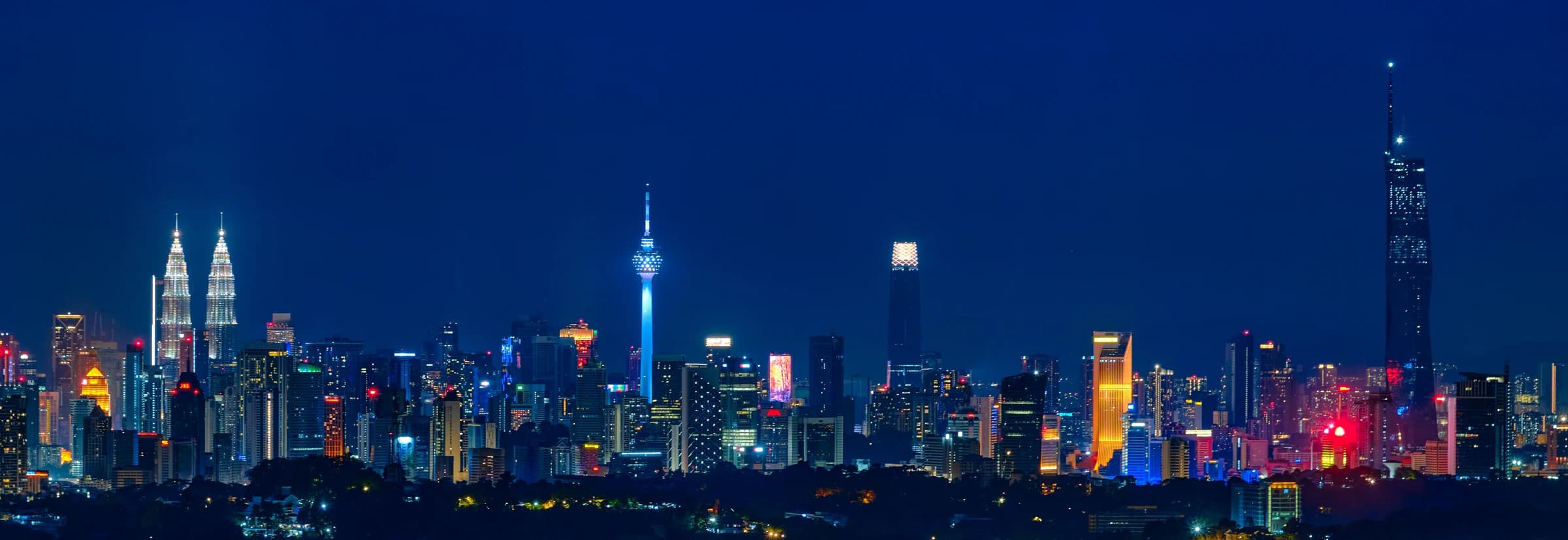
The Petronas Twin Towers held the title of world's tallest building until 2004 and remain the tallest twin towers on Earth today, rising over a city where Malay, Chinese, and Indian communities have shaped the same streets for generations — visible in Batu Caves' 42.7-meter golden statue, Chinatown's temples, and Little India's markets, all a short ride apart.
See full guide →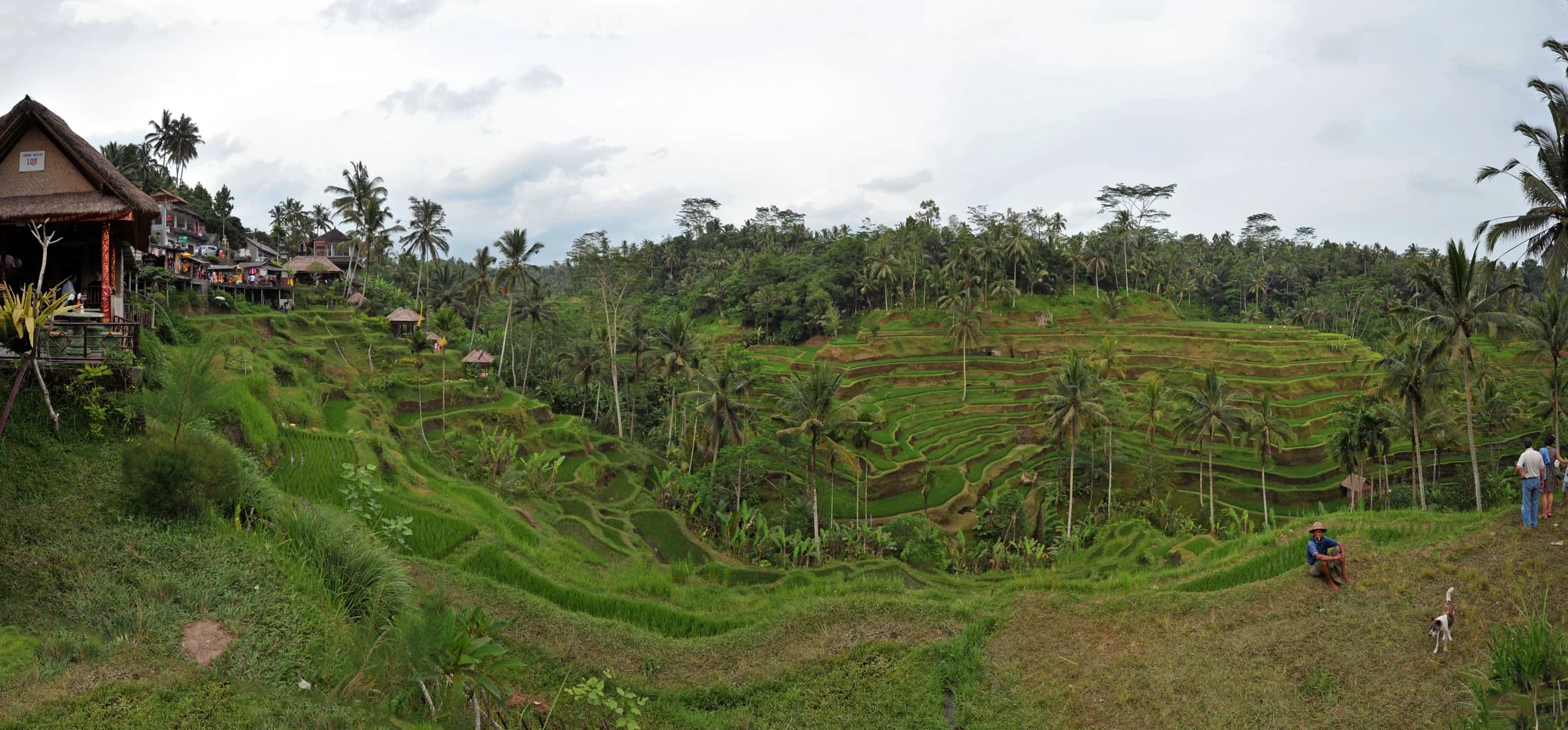 Ubud
UbudUbud
Indonesia
Bali is a Hindu-majority island sitting inside the world's largest Muslim-majority country, and Ubud, its cultural heart, is estimated to hold somewhere around 20,000 temples across the wider island — a genuinely distinct religious and artistic identity that no amount of post-Eat Pray Love tourism growth has managed to flatten.
See full guide →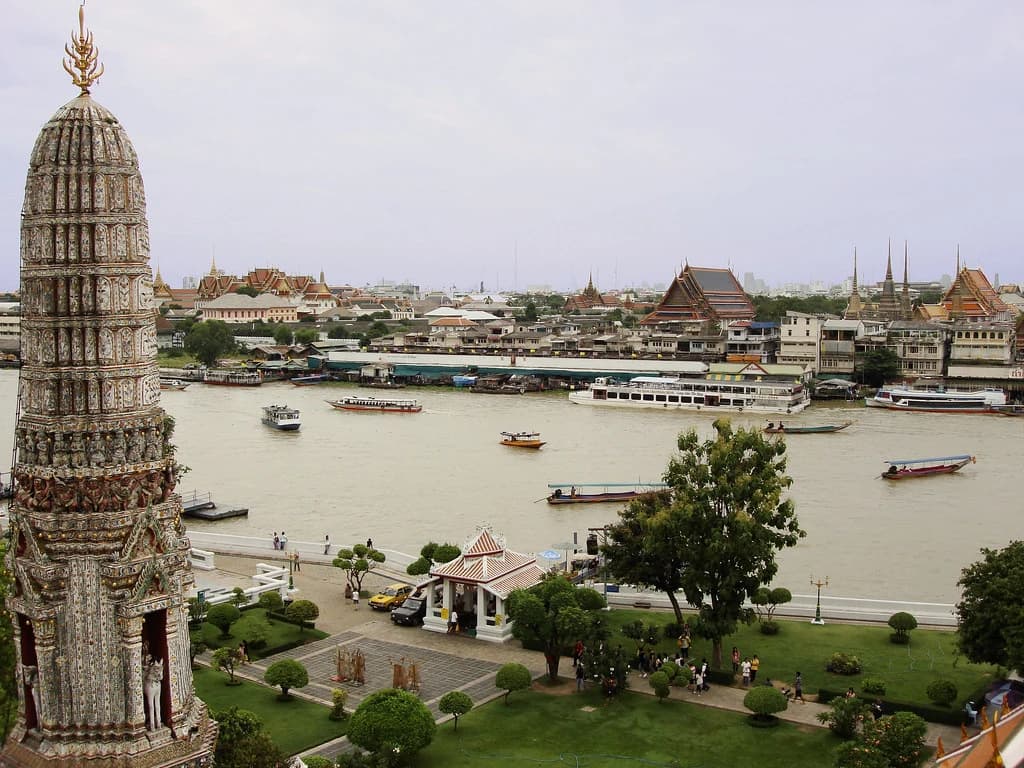 Bangkok
Bangkok
Thailand
Bangkok's full ceremonial name runs 168 characters and holds the Guinness World Record for longest place name on Earth — a fitting bit of excess for a city that packs gold-spired royal temples, a river cut through by canal boats, and Michelin-recognized street food carts into the same few blocks.
See full guide →Comparing more than one route? See the full transport comparison guide.