Pakistan · Asia
Lahore
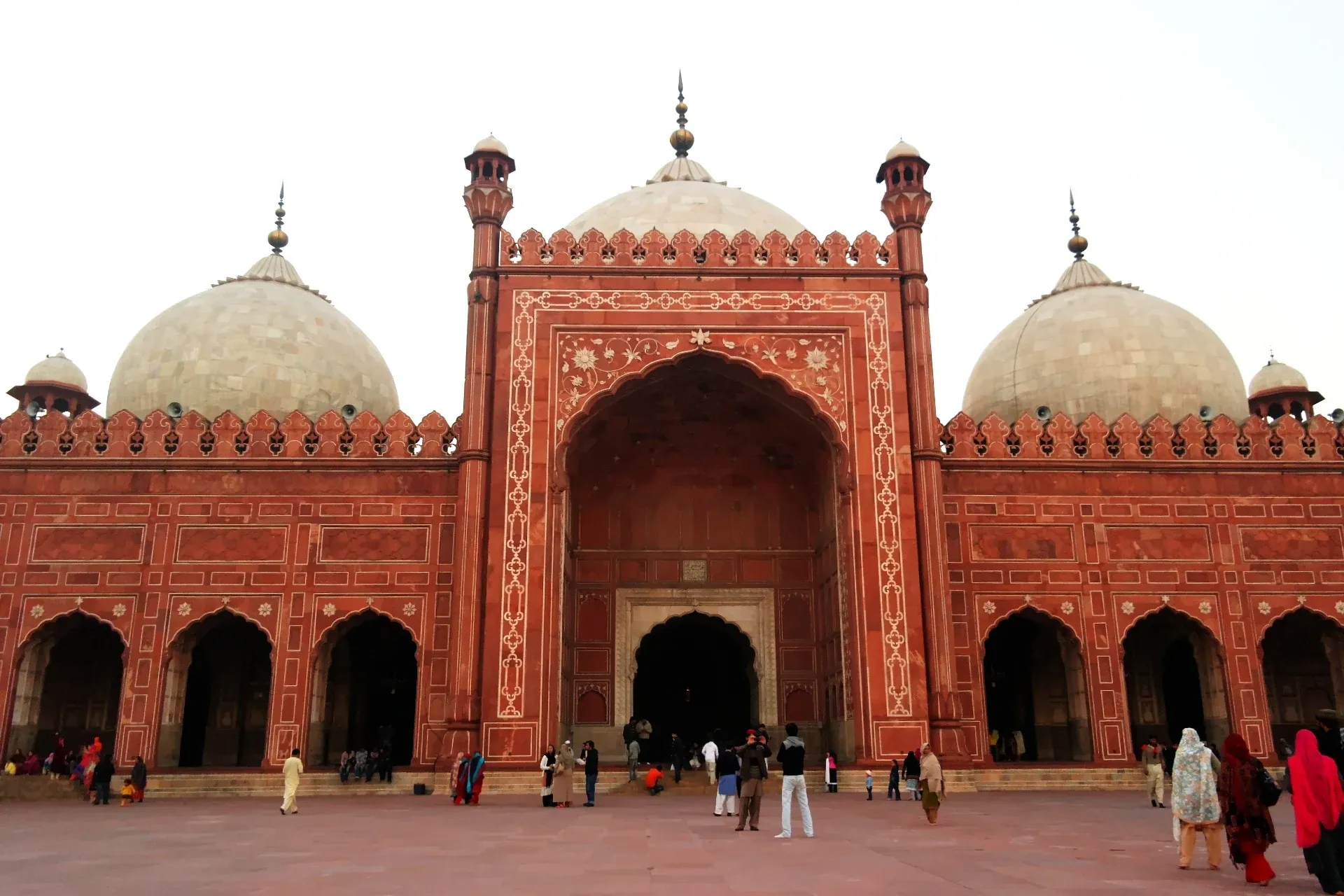
Lahore was a Mughal imperial capital before it was a Pakistani city, and its Badshahi Mosque ranked among the largest mosques in the world when it was completed in 1673 — still standing today alongside a nightly border ceremony at Wagah where soldiers on both sides of the India-Pakistan line perform an oddly theatrical, competitive flag lowering.
Lahore served as a major Mughal imperial capital before it was ever a Pakistani city, and that legacy shows most directly in Badshahi Mosque, completed in 1673 under Emperor Aurangzeb and, at the time, one of the largest mosques in the world. Its red sandstone courtyard can hold tens of thousands of worshippers, and the building remains one of the most significant examples of Mughal religious architecture still standing anywhere.
Lahore Fort, adjacent to the mosque and also holding UNESCO World Heritage status, layers architecture from multiple Mughal emperors across several centuries, including the Sheesh Mahal, a mirrored palace hall built for Emperor Shah Jahan, the same ruler behind the Taj Mahal. Walking between the fort and the mosque gives a concentrated sense of Mughal imperial ambition within a single walkable stretch of the old city.
The Wagah border ceremony, held daily at the Pakistan-India border a short drive from Lahore, has become one of the region's more unusual tourist draws, an elaborately choreographed flag-lowering performed by high-stepping soldiers from both countries in front of large, enthusiastic crowds on each side of the gate. It's simultaneously a display of national rivalry and something close to theater, and reactions from first-time visitors tend to range from amused to genuinely moved.
Old Lahore's food culture, particularly around neighborhoods like Gawalmandi and the streets near the fort, is considered among the most significant in South Asia, built on Mughal culinary traditions layered with Punjabi cooking and centuries of trade influence. Street food stalls here operate with the same seriousness found in food cultures across the region, and exploring them after dark, when much of the old city's food scene comes alive, is a genuine highlight for most visitors.
Pakistan's safety situation varies meaningfully by region, and while Lahore is generally regarded as more stable than some other parts of the country, checking current government travel advisories before booking is a genuinely important step rather than a formality. Conditions can shift, and staying informed on the latest guidance for the specific areas planned matters more here than in most other stops on a wider Asia itinerary.
What a trip here actually costs
$25 / day avg.
- Guesthouse or budget hotel
- Rickshaw and local transport
- Street food and local restaurant meals
- Badshahi Mosque and Lahore Fort, low entry fee
What to do at this tier
- • Badshahi Mosque, low entry fee
- • Lahore Fort, low entry fee
- • Old Lahore street food crawl, especially around Gawalmandi
$65 / day avg.
- 3-star hotel
- Guided Old Lahore and fort tour
- Wagah border ceremony transport and viewing
- Sit-down Pakistani restaurant dinners
What to do at this tier
- • Guided tour combining Lahore Fort and Badshahi Mosque
- • Wagah border flag-lowering ceremony
- • Shalimar Gardens, a Mughal-era garden complex
These are average estimates for planning purposes, not real-time prices — actual costs vary by season, availability, and how far ahead you book.
How to get there
Click anywhere on the world map — any airport works, not just our main hubs.
Click anywhere on the map above — any airport in the world works — to see estimated travel time and cost from there.
Times and prices are planning estimates, not live fares — always check a booking site before you commit. See the full Transport Comparison guide for the general tradeoffs of each mode.
Best time to visit
October-March brings the coolest, most comfortable temperatures; summer runs extremely hot, often exceeding 40°C (104°F).
Safety notes
Check current government travel advisories before booking, since conditions vary by region within Pakistan; Lahore is generally considered among the more stable major cities, but staying informed on current guidance matters.
Visa & currency
Pakistani rupee (PKR). Most nationalities need an e-visa arranged in advance.
Questions people ask before visiting
Is Lahore worth visiting?
For travelers who've checked current advisories, yes — Lahore holds Badshahi Mosque and the adjacent Lahore Fort, both UNESCO World Heritage Sites, a genuinely renowned street food culture, and the nightly Wagah border ceremony, a distinctive, high-energy display unlike anything else in the region.
Is Pakistan safe to visit right now?
Safety varies significantly by region within Pakistan, and Lahore itself is generally considered more stable than some other parts of the country. Check current government travel advisories for your home country before booking, since conditions can shift and vary regionally.
What is the Wagah border ceremony?
A daily flag-lowering ceremony held at the Pakistan-India border near Lahore, performed by soldiers from both countries in an elaborately choreographed, high-stepping display that draws large, enthusiastic crowds on both sides of the gate.
What is Lahore known for?
Lahore is considered Pakistan's cultural capital, known for Mughal-era architecture including Badshahi Mosque and Lahore Fort, an extensive street food scene particularly around Old Lahore, and its role as the country's historic center for arts, literature, and cuisine.
Nearby destinations
 Jaipur
Jaipur
India
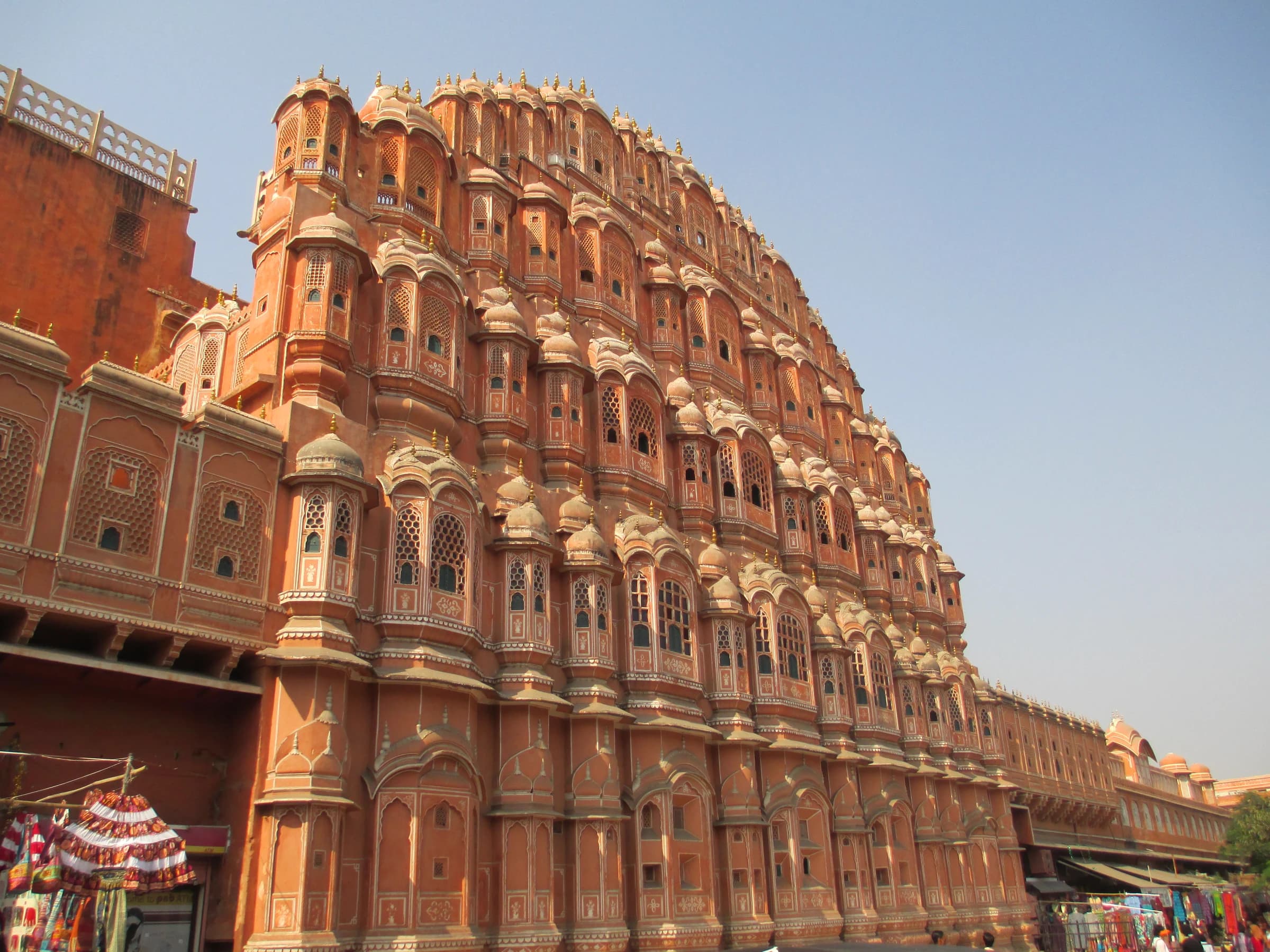
Jaipur's old city was painted terracotta pink in 1876 for a single royal visit from the Prince of Wales, and the tradition stuck so firmly that it's now protected by law — giving India's "Pink City" a genuinely unified look across the Hawa Mahal's 953 honeycomb windows, the hilltop Amber Fort, and the rest of its historic center.
See full guide →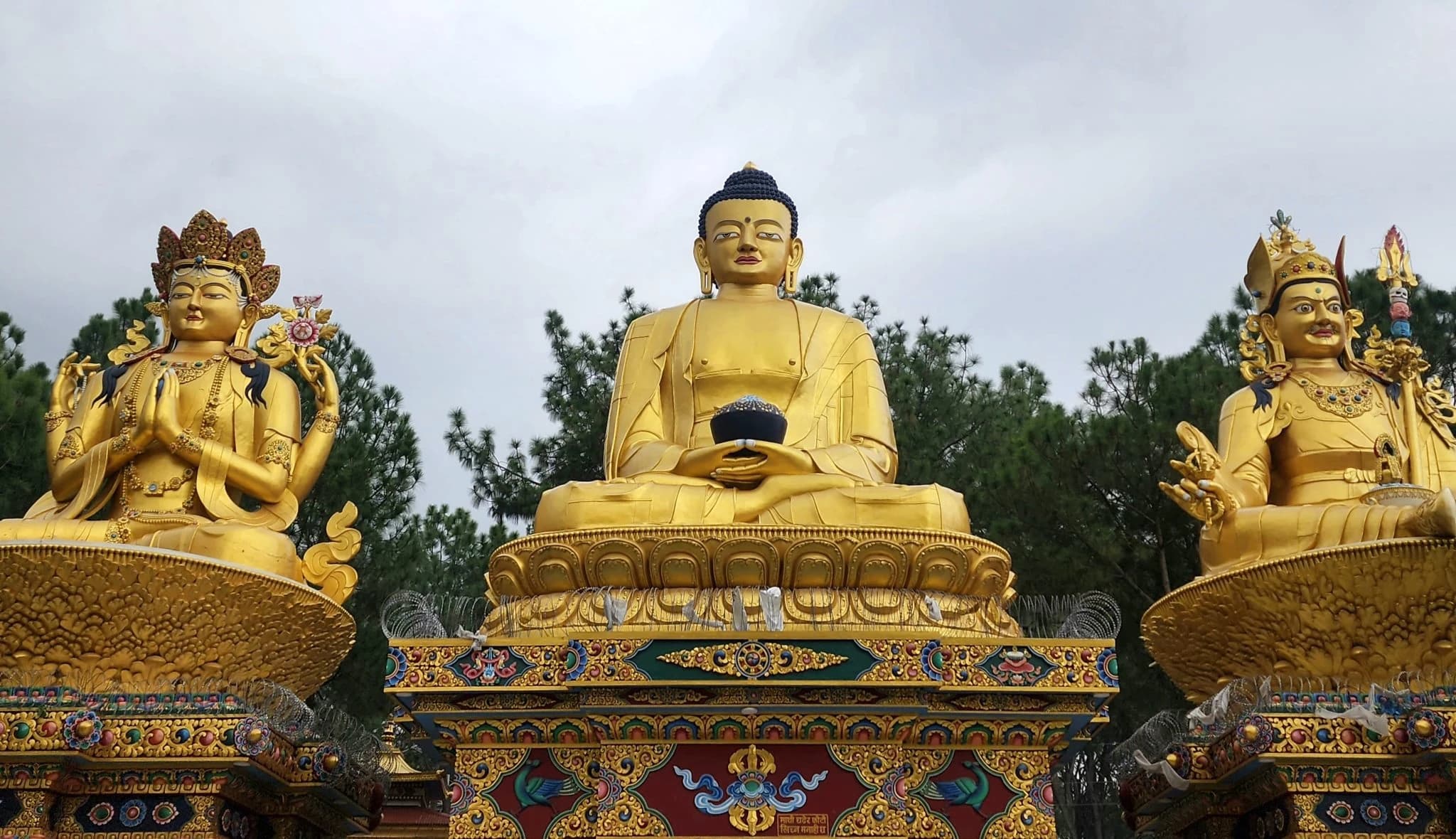 Kathmandu
Kathmandu
Nepal
Kathmandu Valley packs seven separate UNESCO-listed monument zones into a single basin — Durbar Squares, the all-seeing eyes of Swayambhunath, one of the largest stupas in the world at Boudhanath — and still serves as the starting point for nearly everyone attempting to reach the world's highest mountains.
See full guide →Comparing more than one route? See the full transport comparison guide.