Oman · Asia
Muscat
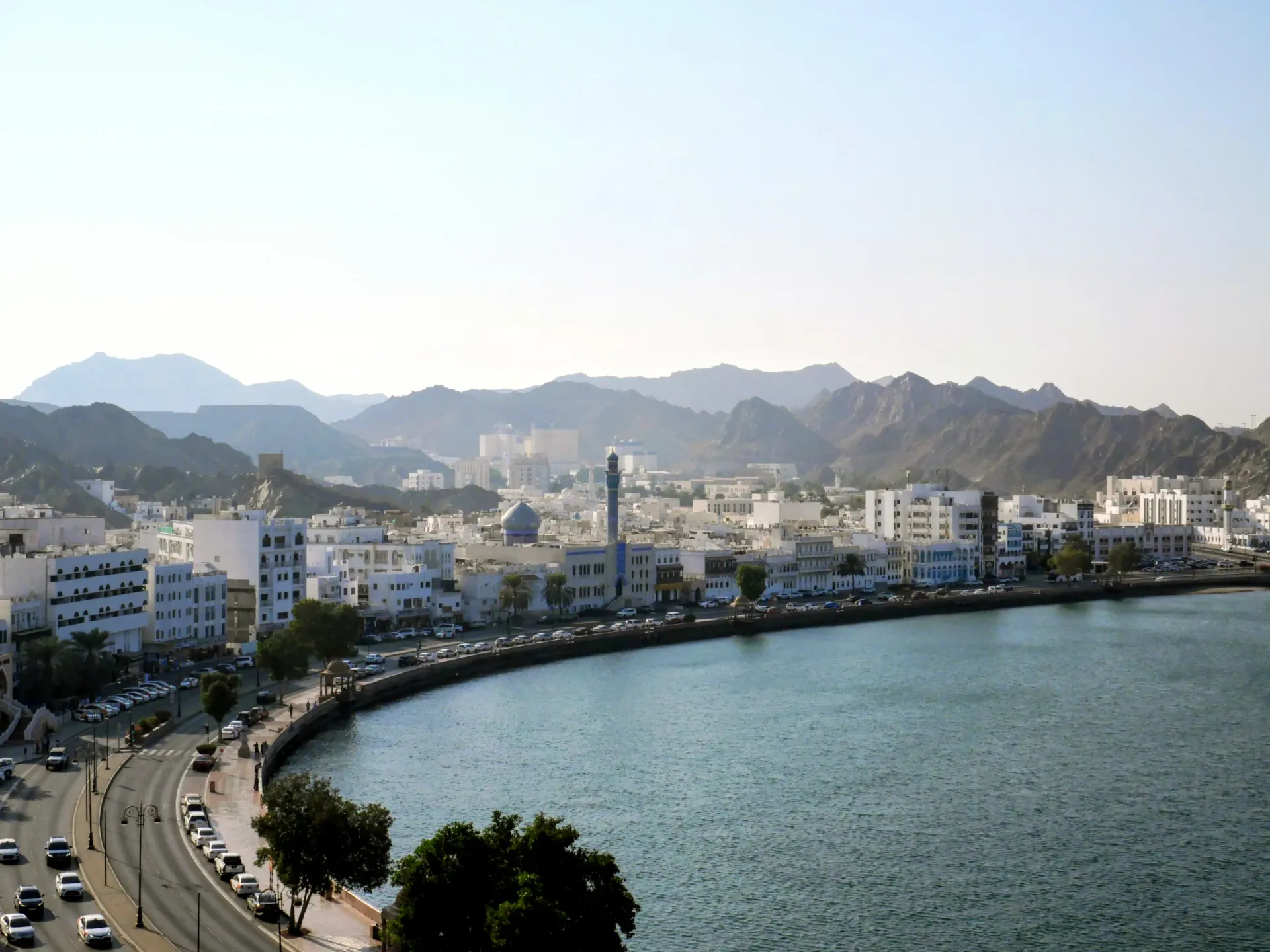
Omani building law keeps every structure in Muscat low-rise and finished in white or sand tones, so unlike nearly every other Gulf capital, there's no competing skyline of glass towers here — just a coastal city that stayed largely closed to outsiders until 1970, when a new sultan began deliberately opening it up.
Omani building regulations require most structures in Muscat to stay low-rise and finished in white or sand-toned colors, a deliberate policy that's kept the capital visually distinct from nearly every other city on the Gulf. Where neighboring capitals have built dense skylines of glass towers, Muscat has stayed spread out and coastal, its architecture blending into the surrounding mountains and desert rather than competing with them.
That restraint reflects a broader national approach that traces back to 1970, when Sultan Qaboos bin Said took power from his father in a bloodless palace coup and began a deliberate, gradual program of modernization. Before that year, Oman remained largely closed to outside visitors and modern infrastructure, and the country's more measured, controlled opening to tourism in the decades since still shapes how Muscat presents itself today.
The Sultan Qaboos Grand Mosque, completed in 2001, can hold up to 20,000 worshippers and houses one of the largest hand-loomed carpets in the world, covering the main prayer hall floor and taking four years for a team of weavers to complete. Its combination of scale and craftsmanship makes it one of the most significant pieces of modern religious architecture in the Gulf region, and it remains open to non-Muslim visitors during specific morning hours.
Mutrah Corniche, a curved waterfront promenade backed by mountains, runs alongside Mutrah Souq, one of the oldest markets in the Arab world, where narrow covered lanes still sell frankincense, textiles, and silver alongside modern souvenirs. The combination of harbor, mountains, and market gives this stretch of the city a genuinely different feel from the newer developments elsewhere in Muscat.
Beyond the city, the Hajar Mountains and their wadis, seasonal valleys that often hold pools of clear water even in dry months, sit within a manageable day trip and offer a striking contrast to the coastal capital. That mix, an old trading port, a mosque built at genuine scale, and mountains close enough for a single day's excursion, gives Muscat a range that many visitors don't expect walking in.
What a trip here actually costs
$130 / day avg.
- 3-star hotel
- Taxi or rental car for getting around
- Local Omani restaurant meals
- Grand Mosque and Mutrah Souq, free or low cost
What to do at this tier
- • Sultan Qaboos Grand Mosque, free, modest dress required
- • Mutrah Souq and Corniche walk, free to browse
- • Royal Opera House Muscat, guided tour or performance ticket
$350 / day avg.
- 5-star hotel along the coast
- Private guided city and wadi day trip
- Dhow boat dinner cruise along the coastline
- Fine dining Omani tasting menu
What to do at this tier
- • Private guided day trip into the Hajar Mountains and a nearby wadi
- • Dhow boat dinner cruise along the Muscat coastline
- • Fine dining Omani tasting menu at a top hotel restaurant
These are average estimates for planning purposes, not real-time prices — actual costs vary by season, availability, and how far ahead you book.
How to get there
Click anywhere on the world map — any airport works, not just our main hubs.
Click anywhere on the map above — any airport in the world works — to see estimated travel time and cost from there.
Times and prices are planning estimates, not live fares — always check a booking site before you commit. See the full Transport Comparison guide for the general tradeoffs of each mode.
Best time to visit
October-April brings mild, comfortable temperatures; summer routinely exceeds 40°C (104°F) and limits outdoor activity.
Safety notes
Very safe with low crime; modest dress is expected in public spaces and required at the Grand Mosque.
Visa & currency
Omani rial (OMR). Most nationalities need an e-visa arranged in advance, a straightforward online process.
Questions people ask before visiting
Is Muscat worth visiting?
Yes — Muscat combines the Sultan Qaboos Grand Mosque, which can hold 20,000 worshippers and features one of the world's largest hand-loomed carpets, the historic Mutrah Corniche and its traditional souq, and a uniformly low-rise, sand-colored cityscape that sets it apart from other Gulf capitals.
Why doesn't Muscat have skyscrapers?
Omani building regulations require most structures to stay low-rise and finished in white or sand-toned colors, a deliberate policy that's kept the city's coastal, traditional character intact even as it's modernized, in contrast to the dense glass skylines of neighboring Gulf cities.
When did Oman open up to tourism?
Oman remained largely closed to outside visitors and modern development until 1970, when Sultan Qaboos bin Said took power from his father and began a deliberate, gradual modernization and openness policy that continues to shape the country's tourism approach today.
How many days do you need in Muscat?
Three days covers the Grand Mosque, Mutrah Souq and Corniche, and the Royal Opera House at a relaxed pace, with time for a day trip into the nearby Hajar Mountains or a wadi (valley) for swimming.
Nearby destinations
 Dubai
DubaiDubai
United Arab Emirates
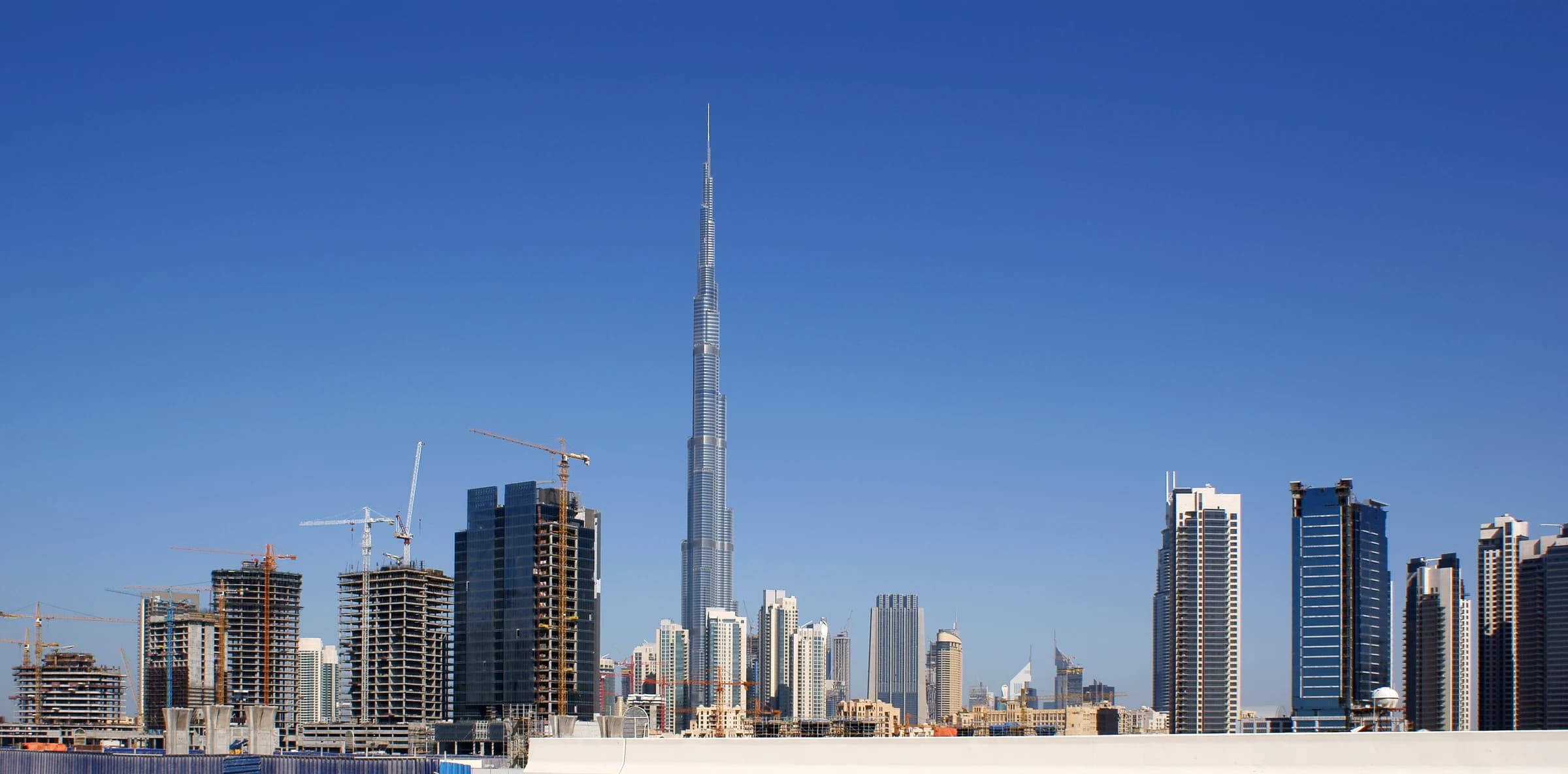
Less than sixty years ago Dubai was a small fishing and pearling village on the Persian Gulf; today it holds the Burj Khalifa, the tallest building on Earth, and an artificial palm-shaped archipelago visible from space — a transformation compressed into roughly a single working lifetime rather than the centuries most major cities took to build themselves.
See full guide →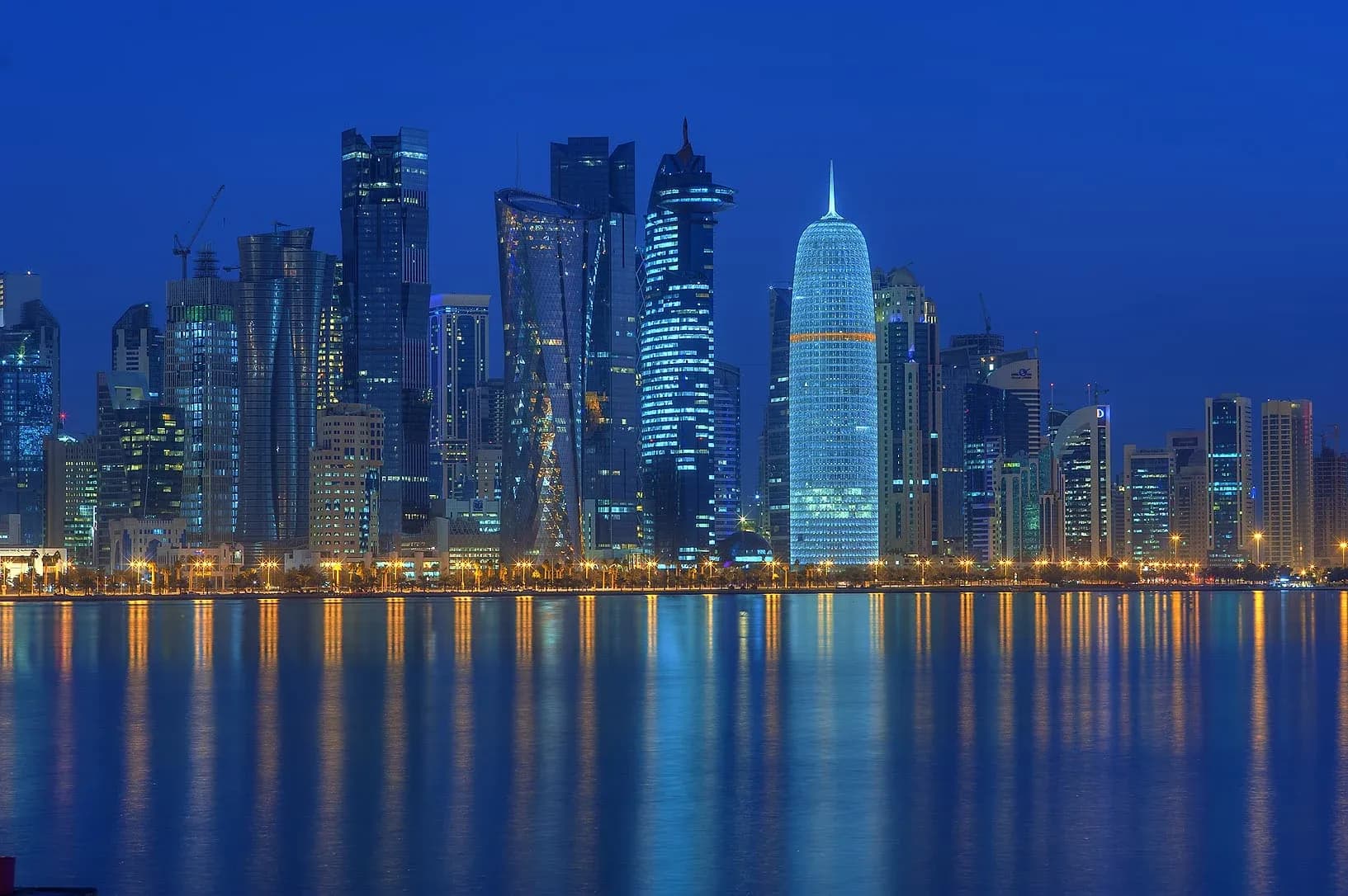 Doha
DohaDoha
Qatar
Doha went from a small pearl-diving and fishing port to hosting the 2022 FIFA World Cup, the first Middle Eastern country ever to do so, within a single lifetime — a transformation funded by natural gas reserves that turned a stretch of Gulf coastline into one of the highest GDP-per-capita economies on Earth.
See full guide →Comparing more than one route? See the full transport comparison guide.