Qatar · Asia
Doha
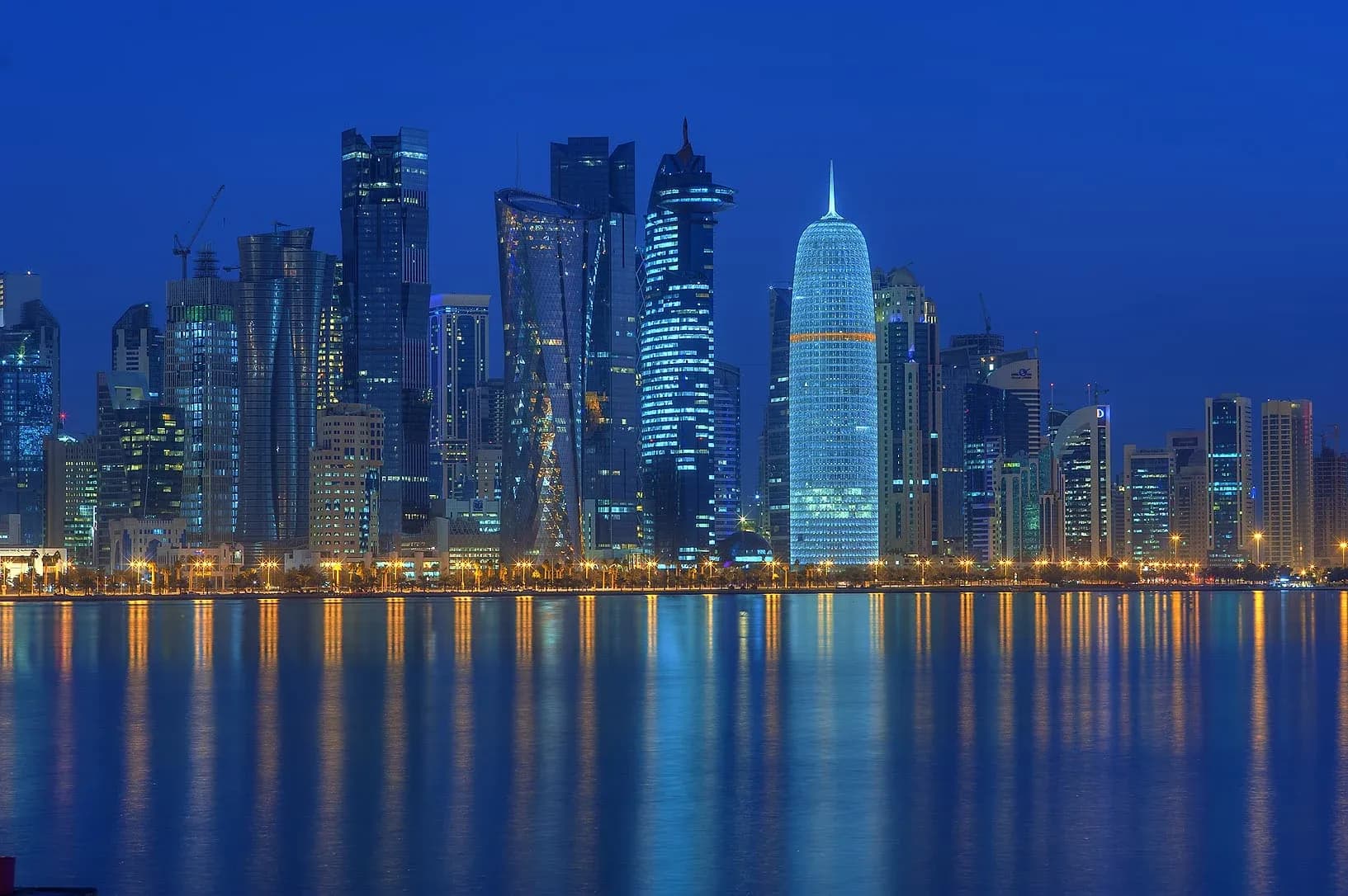
Doha went from a small pearl-diving and fishing port to hosting the 2022 FIFA World Cup, the first Middle Eastern country ever to do so, within a single lifetime — a transformation funded by natural gas reserves that turned a stretch of Gulf coastline into one of the highest GDP-per-capita economies on Earth.
Doha's transformation from a small pearl-diving and fishing settlement to a city hosting the 2022 FIFA World Cup, the first Middle Eastern nation to do so, happened within a single lifetime, funded largely by Qatar's natural gas reserves, among the largest in the world. That growth accelerated sharply once Qatar won World Cup hosting rights in 2010, driving over a decade of stadium construction, metro expansion, and new hotel development ahead of the tournament.
The Museum of Islamic Art, designed by architect I.M. Pei and completed in 2008, houses one of the most significant collections of Islamic art anywhere, spanning more than a thousand years and three continents. The building itself, a geometric limestone structure set on its own man-made island along the Corniche, is considered one of Pei's final major works and remains one of Doha's most photographed landmarks.
Souq Waqif, rebuilt using traditional construction methods and materials after a series of fires threatened to erase it, preserves the atmosphere of Doha's older trading past far more directly than the glass towers rising elsewhere in the city. Its narrow lanes sell spices, textiles, and falconry equipment, a nod to falconry's continued cultural significance in Qatar, alongside restaurants serving both Qatari and wider Middle Eastern cuisine.
The Corniche, a curved waterfront promenade stretching along Doha Bay, offers the clearest view of the contrast driving the city's modern identity: on one side, the older, low-rise streets near Souq Waqif, and on the other, the dense modern skyline of West Bay, built almost entirely within the past few decades.
Doha's rapid wealth, built on gas exports rather than oil in the way many neighboring Gulf states developed, has made it one of the highest GDP-per-capita economies in the world, a statistic that shows up directly in the scale and speed of the city's construction. For visitors, that translates into a genuinely modern, efficient city, though one that leans firmly toward the more expensive end of any Middle East itinerary.
What a trip here actually costs
$150 / day avg.
- 4-star hotel
- Doha Metro day pass
- Museum of Islamic Art entry
- Souq Waqif restaurant meals
What to do at this tier
- • Museum of Islamic Art, entry fee
- • Souq Waqif market walk and dinner
- • Corniche waterfront promenade, free
$400 / day avg.
- 5-star hotel on the Corniche or Pearl-Qatar
- Private desert safari with dune bashing
- Fine dining at a top Doha restaurant
- Private guided city and museum tour
What to do at this tier
- • Private desert safari with dune bashing and a Bedouin-style camp dinner
- • Fine dining at a top Doha restaurant
- • Private guided tour covering the Museum of Islamic Art and The Pearl-Qatar
These are average estimates for planning purposes, not real-time prices — actual costs vary by season, availability, and how far ahead you book.
How to get there
Click anywhere on the world map — any airport works, not just our main hubs.
Click anywhere on the map above — any airport in the world works — to see estimated travel time and cost from there.
Times and prices are planning estimates, not live fares — always check a booking site before you commit. See the full Transport Comparison guide for the general tradeoffs of each mode.
Best time to visit
November-March brings the mildest, most comfortable temperatures; summer regularly exceeds 40°C (104°F), pushing most activity indoors.
Safety notes
Very safe with low crime; Qatar enforces conservative public conduct and dress norms, including alcohol restricted mainly to licensed hotel venues.
Visa & currency
Qatari riyal (QAR). Many nationalities can enter visa-free for tourism, worth confirming based on passport before booking.
Questions people ask before visiting
Is Doha worth visiting?
Yes — Doha holds the I.M. Pei-designed Museum of Islamic Art, the restored traditional market Souq Waqif, and a rapidly built skyline along the Corniche waterfront, and the 2022 World Cup left behind stadiums and infrastructure that make the city genuinely easy to explore.
How did Doha grow so quickly?
Qatar's economy shifted from pearl diving and fishing to one of the world's largest natural gas exporters over the second half of the 20th century, funding rapid infrastructure and skyline development that accelerated further once Qatar won the right to host the 2022 FIFA World Cup.
What is Souq Waqif?
A traditional market rebuilt in a historic style using original construction methods and materials, selling spices, textiles, falconry equipment, and food. It sits along a restored section of Doha's old town and remains one of the city's most walkable, atmospheric areas.
Is Doha expensive to visit?
It leans firmly mid-range to luxury, with high hotel and dining costs reflecting Qatar's overall cost of living, though public transit and Souq Waqif's food stalls offer some of the more affordable ways to experience the city.
Nearby destinations
 Dubai
DubaiDubai
United Arab Emirates
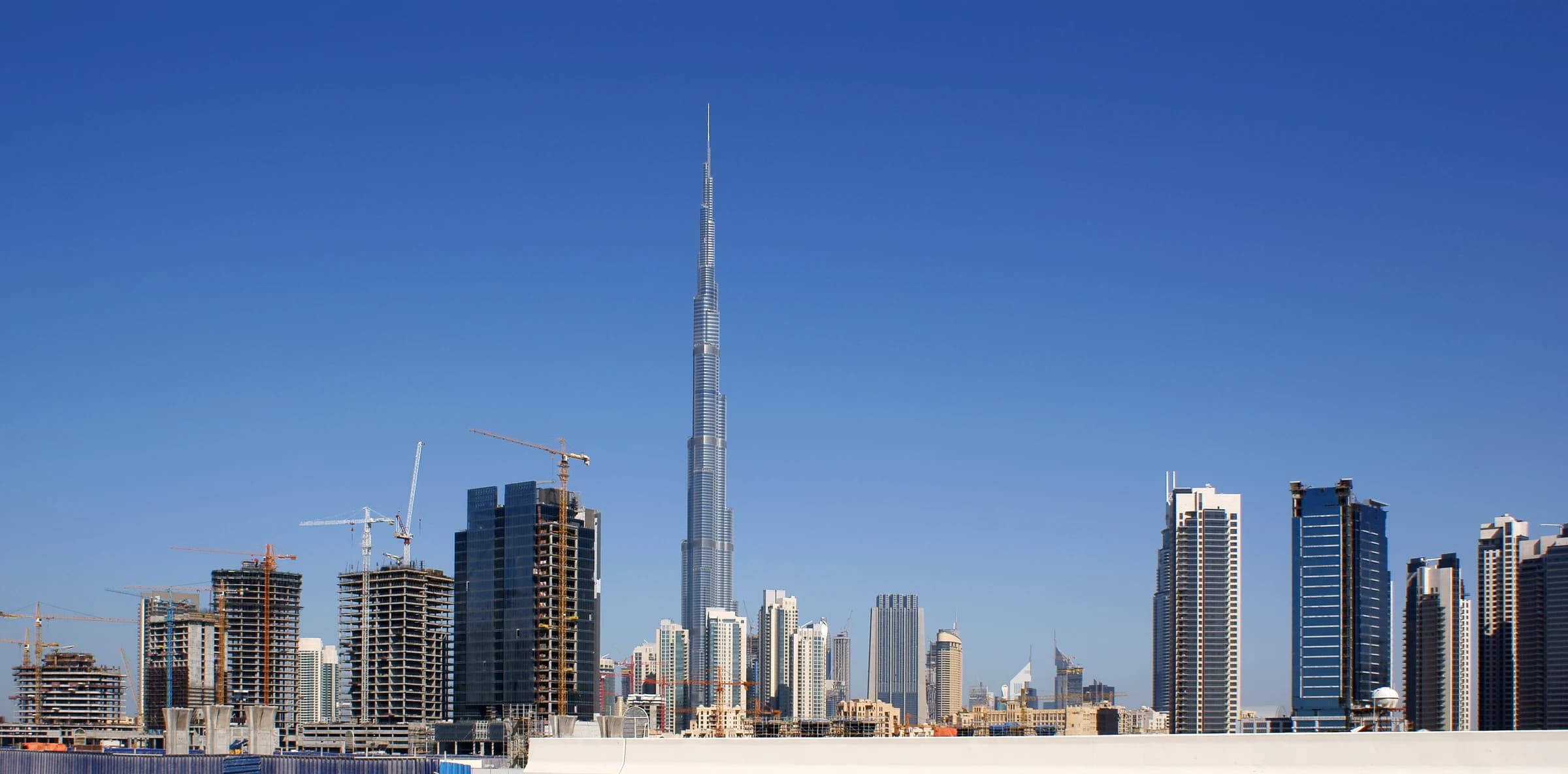
Less than sixty years ago Dubai was a small fishing and pearling village on the Persian Gulf; today it holds the Burj Khalifa, the tallest building on Earth, and an artificial palm-shaped archipelago visible from space — a transformation compressed into roughly a single working lifetime rather than the centuries most major cities took to build themselves.
See full guide →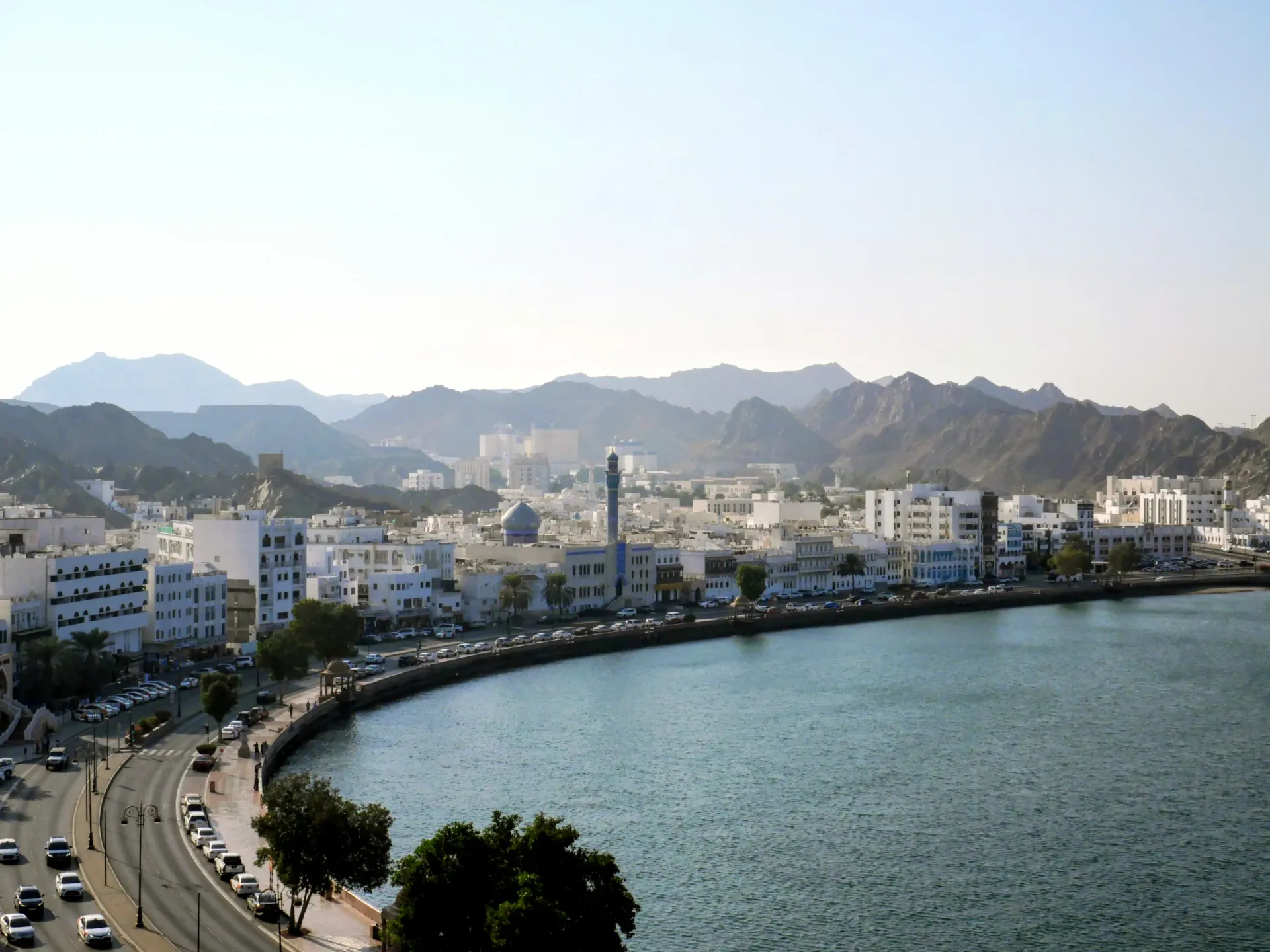 Muscat
Muscat
Oman
Omani building law keeps every structure in Muscat low-rise and finished in white or sand tones, so unlike nearly every other Gulf capital, there's no competing skyline of glass towers here — just a coastal city that stayed largely closed to outsiders until 1970, when a new sultan began deliberately opening it up.
See full guide →Comparing more than one route? See the full transport comparison guide.