Philippines · Asia
Cebu
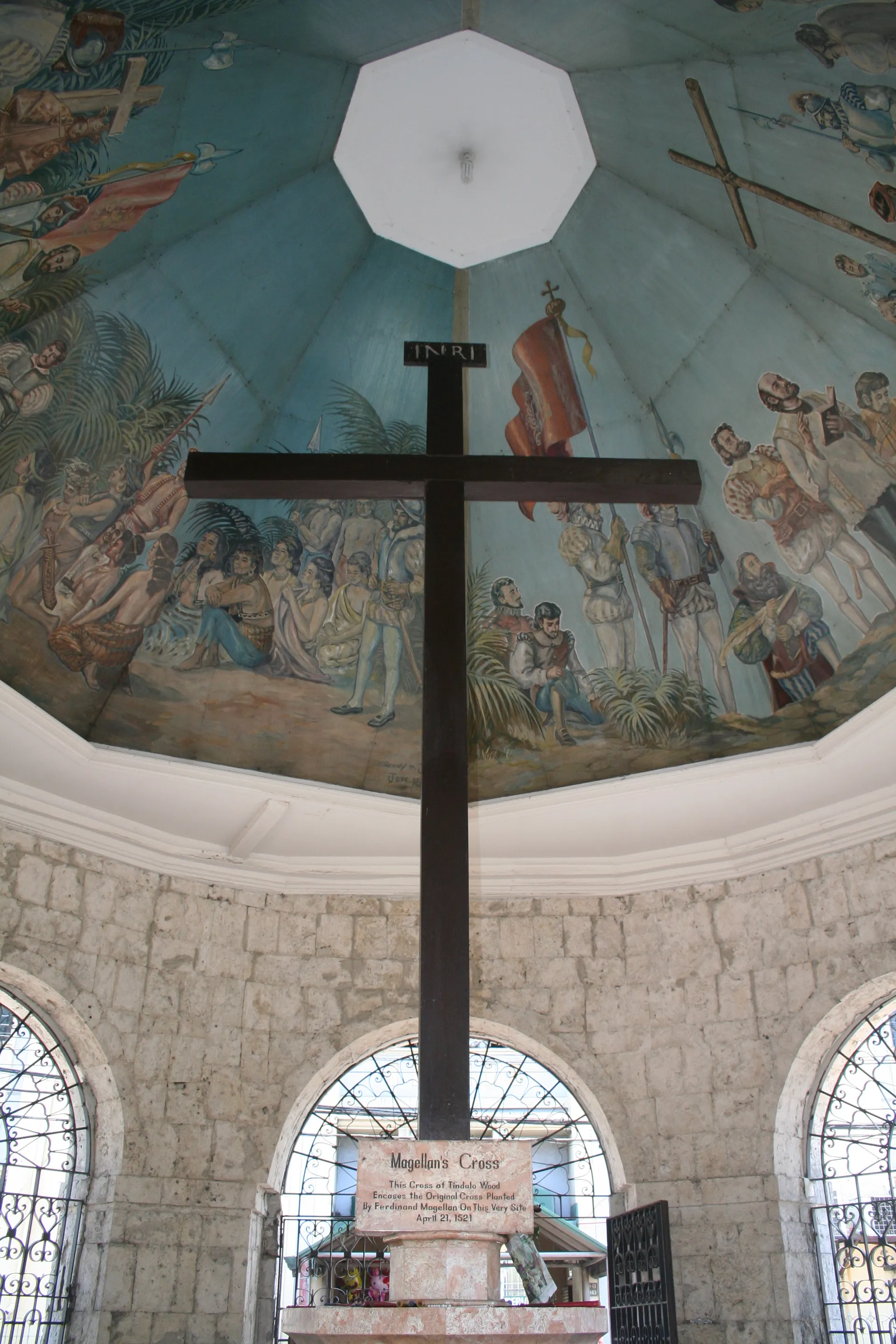
Magellan planted a cross on Cebu in 1521 to mark Christianity's arrival in the Philippines, and just weeks later a local chief named Lapu-Lapu killed him on the neighboring island of Mactan, making Cebu the site of both the beginning of Spanish colonization and one of the first recorded instances of successful resistance against it.
Magellan's Cross, planted in Cebu in April 1521 to mark the arrival of Christianity in what would become the Philippines, stands today in a small chapel near the Basilica del Santo Niño, a genuinely significant marker of the beginning of Spanish colonization in the archipelago. Just weeks after that ceremony, Magellan himself was killed on neighboring Mactan Island by local chief Lapu-Lapu, who refused Spanish demands for submission and led a successful defense against Magellan's forces, an event now commemorated as one of the first recorded instances of organized resistance against European colonization anywhere in the region.
The Basilica del Santo Niño, built shortly after that initial Spanish contact, holds the oldest religious relic in the Philippines, a statue of the Santo Niño (Holy Child) reportedly given as a baptismal gift, and it remains one of the most significant Catholic pilgrimage sites in the country, drawing devotees well beyond Cebu itself.
Kawasan Falls, a multi-tiered waterfall system in southern Cebu, has become one of the most popular canyoneering destinations in the Philippines, with guided routes involving cliff jumps, rope swings, and swims through turquoise pools carved into the limestone canyon, a genuinely adventurous counterpart to the island's historic sites.
Oslob, further south, offers close encounters with whale sharks, though the practice draws genuine debate among marine conservationists, since operators feed the sharks to keep them reliably near shore, a method critics argue alters natural whale shark behavior in ways that differ meaningfully from more naturalistic encounters found at sites like Donsol elsewhere in the country.
Cebu's central position within the Visayas island group has made it one of the Philippines' major transport hubs, and many visitors use the city as a base for reaching smaller nearby islands, giving it a genuinely practical role in a Philippines itinerary beyond its own historic and natural attractions.
What a trip here actually costs
$30 / day avg.
- Guesthouse in Cebu City
- Local jeepney transport
- Local Filipino restaurant meals
- Magellan's Cross and Basilica, free
What to do at this tier
- • Magellan's Cross and Basilica del Santo Niño, free
- • Fort San Pedro, low entry fee
- • Carbon Market, free to browse
$90 / day avg.
- 3-star hotel
- Kawasan Falls canyoneering tour
- Oslob whale shark excursion
- Sit-down restaurant dinners
What to do at this tier
- • Kawasan Falls canyoneering tour
- • Oslob whale shark swimming excursion
- • Mactan Island beach and Lapu-Lapu Shrine visit
$250 / day avg.
- 4-5 star beach resort
- Private guided historic and nature day trips
- Fine dining Filipino tasting menu
- Private diving or snorkeling charter
What to do at this tier
- • Private guided day trip combining Kawasan Falls and Oslob
- • Fine dining tasting menu at a top Cebu restaurant
- • Private diving or snorkeling charter
These are average estimates for planning purposes, not real-time prices — actual costs vary by season, availability, and how far ahead you book.
How to get there
Click anywhere on the world map — any airport works, not just our main hubs.
Click anywhere on the map above — any airport in the world works — to see estimated travel time and cost from there.
Times and prices are planning estimates, not live fares — always check a booking site before you commit. See the full Transport Comparison guide for the general tradeoffs of each mode.
Best time to visit
December-May is the drier season and most comfortable for canyoneering and beach activities; the wet season runs roughly June-November with typhoon risk.
Safety notes
Generally safe with standard precautions; Kawasan Falls canyoneering should go through a licensed guide given the physical demands and water conditions.
Visa & currency
Philippine peso (PHP). Many nationalities can enter visa-free for tourism up to 30 days, worth confirming based on passport before booking.
Questions people ask before visiting
Is Cebu worth visiting?
Yes — Cebu combines Magellan's Cross and the historic Basilica del Santo Niño, whale shark encounters at nearby Oslob, and Kawasan Falls' turquoise canyoneering pools, alongside a genuinely central location for exploring the wider Visayas island region.
What happened to Magellan on Cebu?
After planting a cross to mark Christianity's arrival in the Philippines in April 1521, Ferdinand Magellan was killed just weeks later on nearby Mactan Island by local chief Lapu-Lapu, who resisted Spanish demands for submission, an event now commemorated as one of the first successful acts of resistance against European colonization in the region.
Is swimming with whale sharks at Oslob ethical?
It's genuinely debated — Oslob's whale shark encounters involve feeding the sharks to keep them near shore, a practice that draws criticism from marine conservationists concerned about altering natural behavior, unlike Donsol's more naturalistic, unfed whale shark encounters elsewhere in the Philippines.
How many days do you need in Cebu?
Four to five days covers Cebu City's historic sites, a day trip to Kawasan Falls or Oslob, and beach time, a reasonable pace given the island's role as a hub for the wider Visayas region.
Nearby destinations
 Boracay
Boracay
Philippines
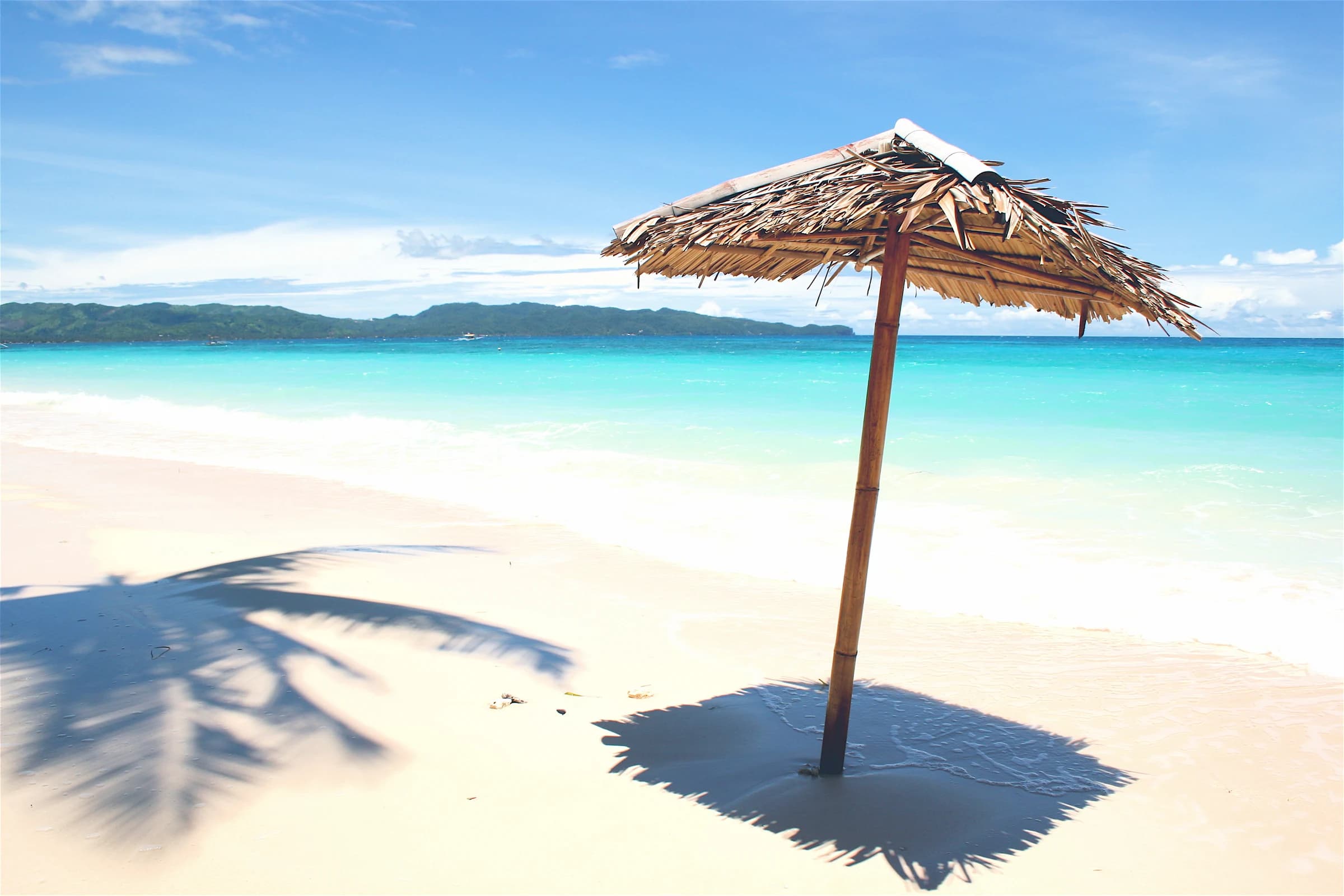
In 2018 the Philippine government shut Boracay down entirely for six months, banning all tourists from an island barely 10 square kilometers in size, to fix a sewage and overcrowding problem that had been quietly ruining the exact beach everyone came for.
See full guide →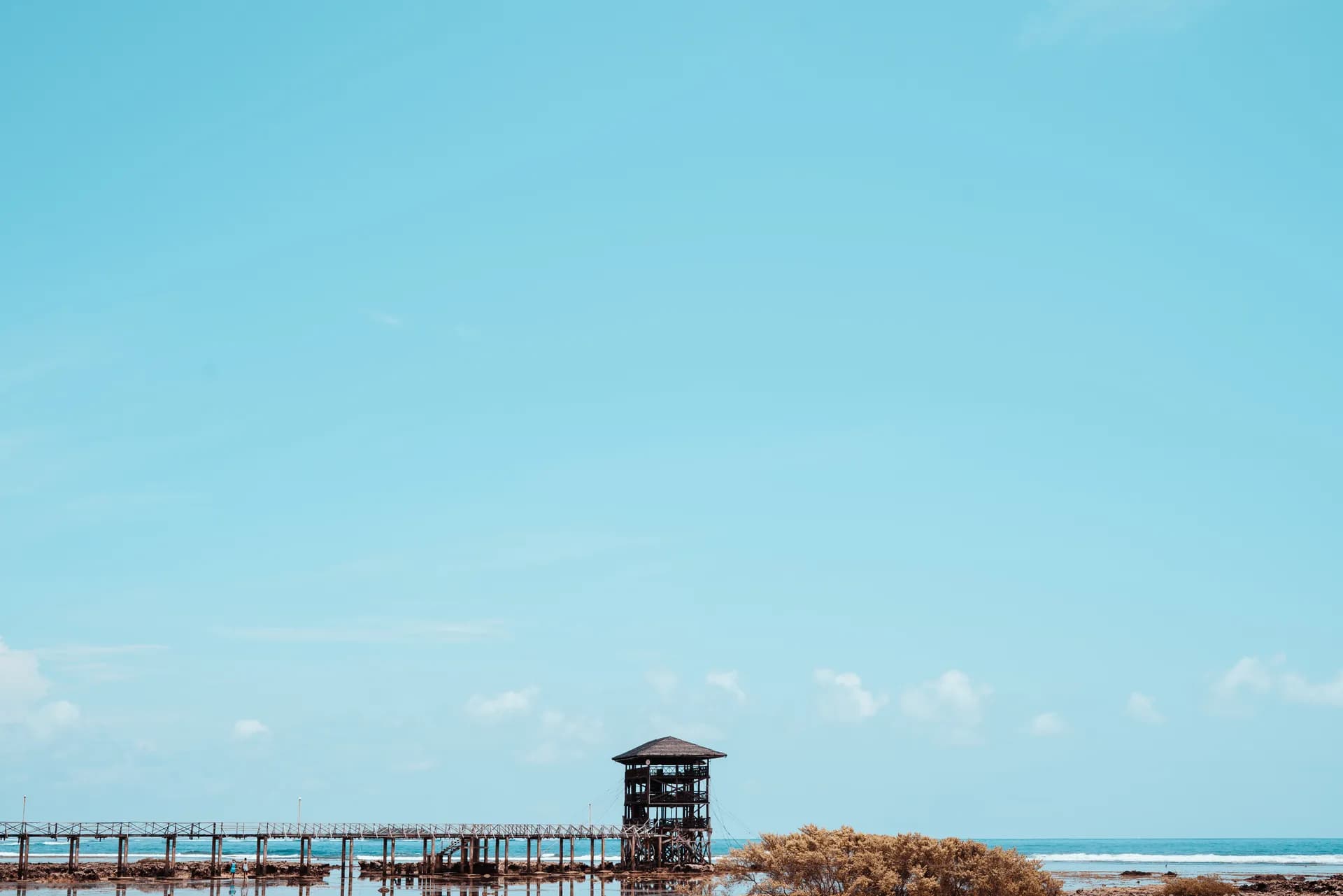 Siargao
Siargao
Philippines
Siargao's Cloud 9 wave took a direct hit from Typhoon Odette in December 2021, one of the strongest storms to ever strike the island, and the surf town's wooden boardwalk and reef break have been rebuilt largely by the same community that's made this teardrop-shaped island the surfing capital of the Philippines.
See full guide →Comparing more than one route? See the full transport comparison guide.