China · Asia
Shanghai
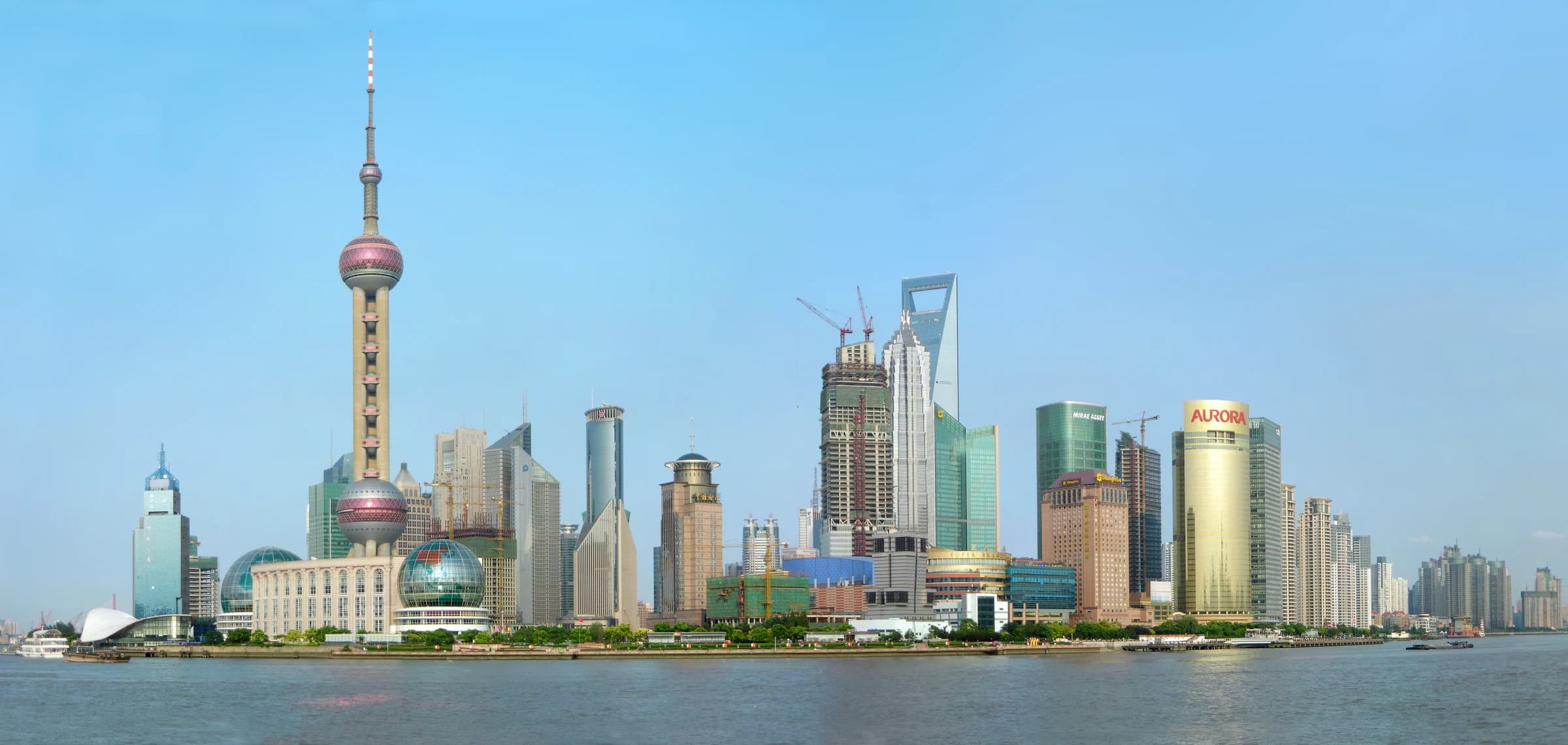
A maglev train covers the ride from Shanghai's airport at up to 431 km/h, the fastest commercial train in the world, and it's a fitting welcome to a city where colonial-era buildings along the Bund face a futuristic Pudong skyline across the same stretch of river.
Shanghai's maglev train covers the roughly 30-kilometer route from Pudong International Airport to the edge of the city in about 8 minutes, reaching speeds up to 431 km/h and holding the title of fastest commercial train service in the world. For many visitors, that ride is the first sign of the city's particular character: genuinely futuristic infrastructure treated as an everyday commuter option rather than a novelty.
The Bund, a waterfront promenade lined with early-20th-century buildings built during Shanghai's era as an international trading port, faces the Pudong skyline directly across the Huangpu River, a deliberate contrast between colonial-era architecture and some of the tallest buildings in China. Shanghai Tower, at 632 meters, ranks among the tallest buildings in the world, and its observation deck, along with the neighboring Oriental Pearl Tower, gives the clearest view back across to the Bund's older skyline.
Yu Garden, a classical Chinese garden built during the Ming dynasty, sits tucked behind the old city's bazaar streets, its rockeries, ponds, and pavilions offering a quiet contrast to the commercial energy of the surrounding market. The garden took nearly two decades to complete in the 16th century and remains one of the best-preserved examples of southern Chinese garden design.
The former French Concession, a district shaped by French colonial administration in the early 20th century, still carries that influence in its tree-lined streets and low-rise architecture, now filled with independent cafes, boutiques, and some of the city's most walkable residential blocks. It offers a genuinely different pace from the density of central Shanghai just a short metro ride away.
Shanghai holds the busiest container port in the world, a fact that rarely appears on a typical sightseeing list but says a great deal about the city's role as modern China's commercial center. That role, visible in the Pudong skyline and less visible in the shipping data behind it, sits alongside a food and neighborhood culture, from soup dumplings to French Concession cafes, that keeps Shanghai from feeling like commerce alone.
What a trip here actually costs
$40 / day avg.
- Hostel dorm or budget hotel
- Shanghai Metro day pass
- Local dumpling and noodle shop meals
- Bund waterfront walk and Yu Garden exterior, free or low cost
What to do at this tier
- • The Bund waterfront promenade, free
- • Yu Garden's surrounding bazaar streets, free to browse
- • French Concession neighborhood walk, free
$100 / day avg.
- 3-star hotel near the city center
- Oriental Pearl Tower or Shanghai Tower observation deck
- Yu Garden entry and French Concession walking tour
- Sit-down Shanghainese restaurant dinners
What to do at this tier
- • Oriental Pearl Tower or Shanghai Tower observation deck
- • Yu Garden, a classical Ming dynasty garden
- • Shanghai maglev train ride from the airport
$280 / day avg.
- 4-5 star hotel with skyline views
- Private guided city tour covering the Bund and French Concession
- Fine dining tasting menu
- Private day trip to a nearby water town
What to do at this tier
- • Private guided tour covering the Bund, Pudong, and French Concession
- • Fine dining tasting menu at a top Shanghai restaurant
- • Private day trip to a nearby canal water town like Zhujiajiao
These are average estimates for planning purposes, not real-time prices — actual costs vary by season, availability, and how far ahead you book.
How to get there
Click anywhere on the world map — any airport works, not just our main hubs.
Click anywhere on the map above — any airport in the world works — to see estimated travel time and cost from there.
Times and prices are planning estimates, not live fares — always check a booking site before you commit. See the full Transport Comparison guide for the general tradeoffs of each mode.
Best time to visit
September-November and March-May bring the mildest weather; summers run hot and humid, and winters are cold and often gray.
Safety notes
Very safe with low crime and an efficient, easy-to-navigate metro system covering most major sights.
Visa & currency
Chinese yuan (CNY/RMB). Most nationalities need a visa arranged in advance, though visa-free transit policies apply in some cases, worth confirming based on passport and itinerary.
Questions people ask before visiting
Is Shanghai worth visiting?
Yes — Shanghai pairs the colonial-era architecture of the Bund with the futuristic Pudong skyline directly across the river, the classical Ming dynasty Yu Garden, and the tree-lined streets of the former French Concession, all connected by one of the most efficient metro systems in the world.
What is the Shanghai maglev train?
A magnetic levitation train connecting Pudong International Airport to the edge of the city, reaching speeds up to 431 km/h and covering the roughly 30-kilometer route in about 8 minutes, making it the fastest commercial train service in the world.
What is the Bund?
A waterfront promenade lined with early-20th-century colonial-era buildings, facing the futuristic skyscrapers of Pudong across the Huangpu River. Walking it at night, with both skylines lit up, is one of Shanghai's most reliably impressive views.
How many days do you need in Shanghai?
Three to four days covers the Bund, Pudong's skyline viewpoints, Yu Garden, and the French Concession at a comfortable pace, with time for a day trip to a nearby water town like Zhujiajiao.
Nearby destinations
 Beijing
Beijing
China
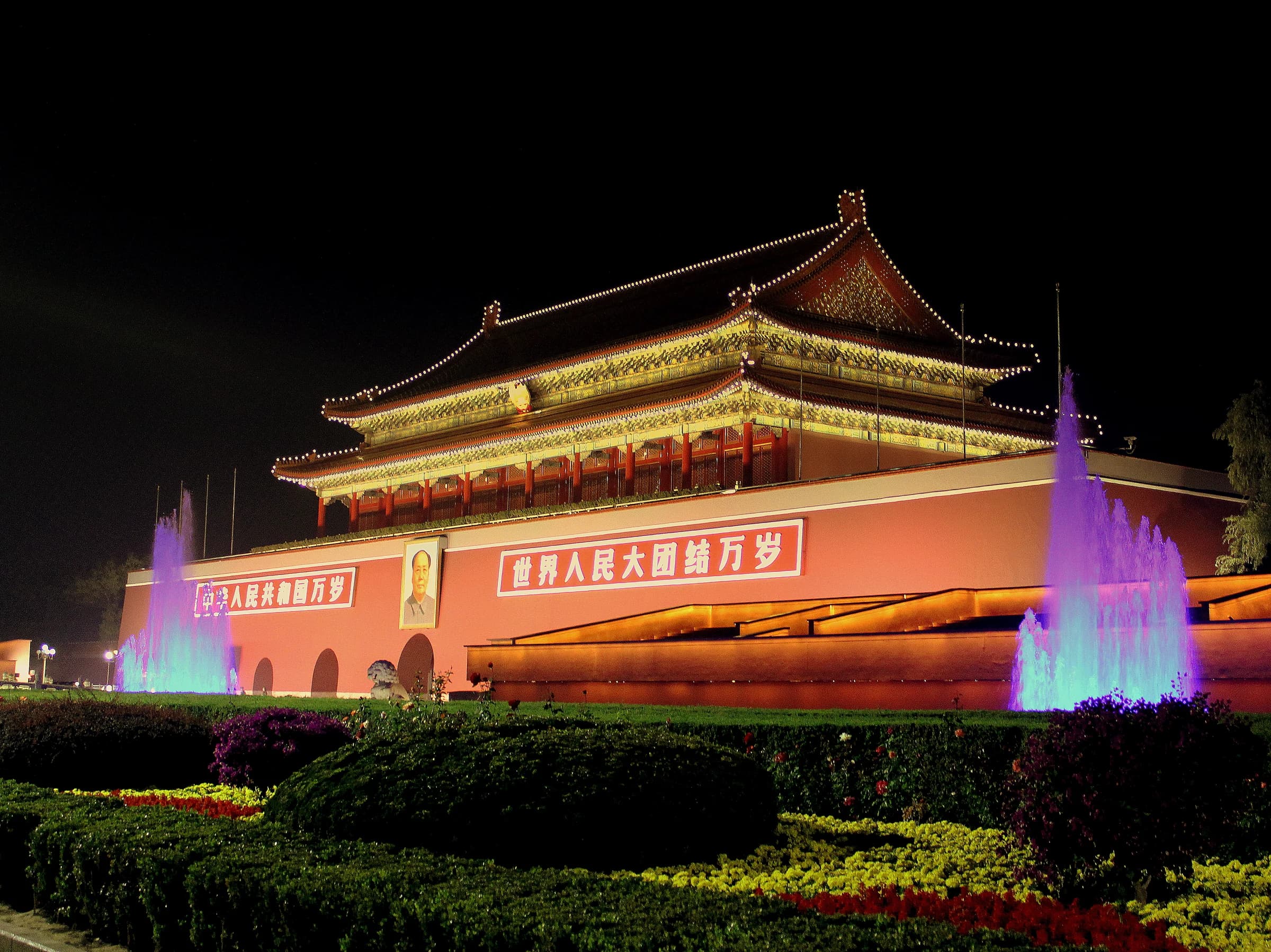
The Forbidden City housed 24 emperors across nearly 500 years inside a walled complex of 980 buildings, and it's just one stop in a capital that also holds the most-visited sections of the Great Wall and one of the largest public squares on Earth.
See full guide →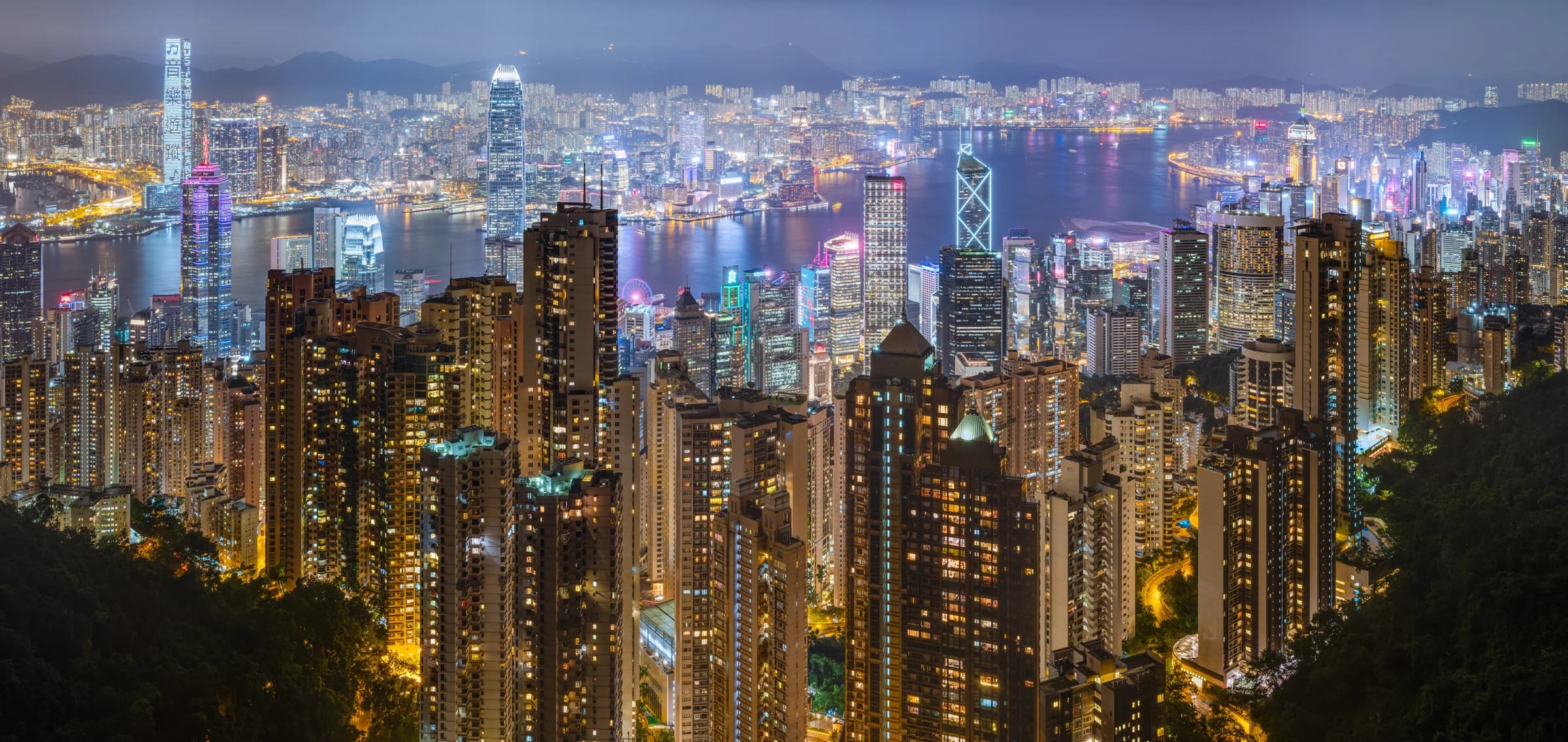 Hong Kong
Hong Kong
Hong Kong
A Star Ferry has crossed Victoria Harbour since 1888 and still costs barely more than pocket change, a small, enduring detail in a city that holds more skyscrapers than anywhere else on Earth and runs Michelin-starred kitchens a few streets from some of Asia's best street food.
See full guide →Comparing more than one route? See the full transport comparison guide.