China · Asia
Chengdu
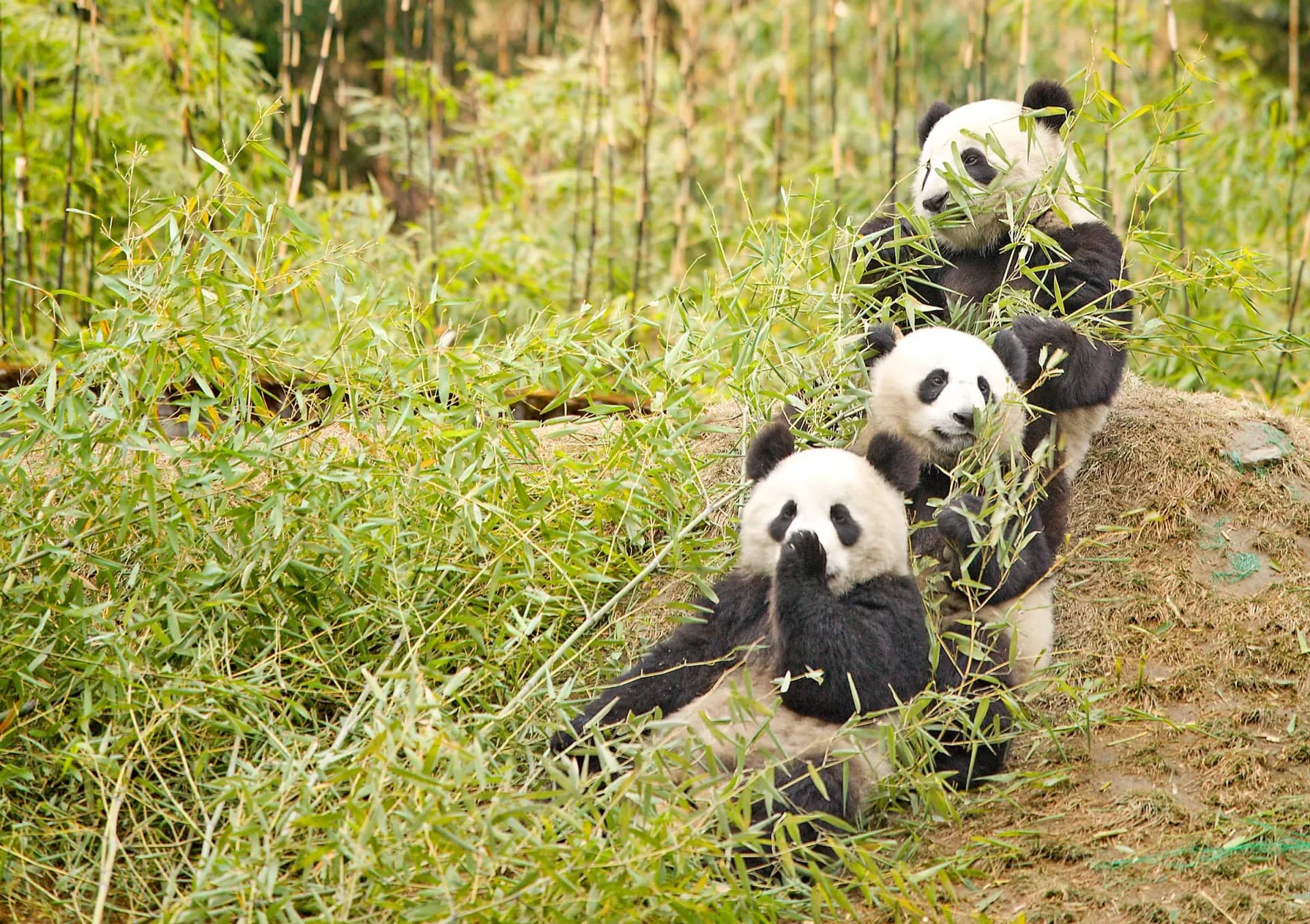
Chengdu Research Base has bred giant pandas successfully enough that the species' wild population has climbed from endangered toward vulnerable, and visitors who show up before 9am get to watch the pandas at their most active, before the midday heat sends them into the naps they spend most of the day taking anyway.
The Chengdu Research Base of Giant Panda Breeding has become one of the most successful conservation programs in the world, contributing significantly to the giant panda's status shift from endangered toward vulnerable on international conservation lists, a genuinely rare conservation success story for a species once considered on the brink. Visitors who arrive before 9am get the best chance of seeing pandas active and feeding, since the animals spend much of the rest of the day sleeping, particularly as temperatures climb later in the morning.
Sichuan cuisine, native to the region surrounding Chengdu, built its international reputation on heat and a distinctive numbing sensation called ma la, produced by combining chili peppers with Sichuan peppercorns. Hotpot, a communal meal of raw ingredients cooked at the table in a shared pot of intensely spiced broth, functions as something close to a civic institution in Chengdu, and finding a genuinely excellent hotpot restaurant is treated with the same seriousness locals bring to any major life decision.
Chengdu's pace runs noticeably slower and more relaxed than China's larger eastern business hubs, a reputation locals actively cultivate through the city's enduring teahouse culture. People's Park, and the traditional teahouses within it, remain genuinely popular gathering spots where residents spend hours over a single pot of tea, playing cards or mahjong, a tradition that's persisted through decades of rapid modernization elsewhere in the country.
Kuanzhai Alley, a set of three parallel historic lanes lined with traditional Qing Dynasty-style architecture, has been restored into a walkable district of shops, teahouses, and restaurants, offering a concentrated look at the kind of traditional Sichuan urban architecture that's grown rarer as Chengdu has expanded outward with modern development.
Chengdu sits in a geographic basin that traps humidity and cloud cover, giving the city notoriously overcast skies for much of the year, a climate quirk locals sometimes joke has shaped a culture that leans toward comfort, slow food, and unhurried socializing rather than the more visibly fast-paced energy found in sunnier Chinese cities.
What a trip here actually costs
$30 / day avg.
- Hostel dorm or budget hotel
- Local metro transport
- Sichuan street food and casual restaurant meals
- Panda base entry, low cost
What to do at this tier
- • Chengdu Research Base of Giant Panda Breeding, low entry fee
- • Kuanzhai Alley traditional streets, free to walk
- • Wenshu Monastery, low or no entry fee
$75 / day avg.
- 3-star hotel
- Panda base guided tour
- Sichuan hotpot dinner
- Teahouse and Kuanzhai Alley walking tour
What to do at this tier
- • Sichuan hotpot dinner at a well-known local restaurant
- • Traditional teahouse visit in People's Park
- • Jinli Ancient Street evening walk
$220 / day avg.
- 4-5 star hotel
- Private early-morning panda base tour
- Fine dining Sichuan tasting menu
- Sichuan opera face-changing performance
What to do at this tier
- • Private early-morning guided panda base tour
- • Sichuan opera performance, including face-changing
- • Fine dining Sichuan tasting menu at a top Chengdu restaurant
These are average estimates for planning purposes, not real-time prices — actual costs vary by season, availability, and how far ahead you book.
How to get there
Click anywhere on the world map — any airport works, not just our main hubs.
Click anywhere on the map above — any airport in the world works — to see estimated travel time and cost from there.
Times and prices are planning estimates, not live fares — always check a booking site before you commit. See the full Transport Comparison guide for the general tradeoffs of each mode.
Best time to visit
March-May and September-November bring the mildest weather; summer runs hot and humid, and Chengdu sees frequent overcast skies year-round given its basin geography.
Safety notes
Very safe with low crime; standard sun and heat precautions apply for the panda base, which involves considerable outdoor walking.
Visa & currency
Chinese yuan (CNY/RMB). Most nationalities need a visa arranged in advance, though visa-free transit policies apply in some cases.
Questions people ask before visiting
Is Chengdu worth visiting?
Yes — Chengdu holds the Chengdu Research Base of Giant Panda Breeding, one of the most successful conservation programs in the world, alongside a Sichuan food culture built around genuinely intense heat and numbing spice, and a noticeably slower, more laid-back pace than China's larger eastern cities.
What is the best time to see pandas at the Chengdu base?
Arriving before 9am gives the best chance of seeing pandas active and feeding, since they spend much of the rest of the day sleeping, particularly once temperatures rise later in the morning.
What makes Sichuan food different from other Chinese cuisine?
Sichuan cuisine is known for its heavy use of Sichuan peppercorns, which produce a distinctive numbing sensation called ma la when combined with chili heat, a flavor profile genuinely different from the milder cooking found in much of eastern and southern China.
How many days do you need in Chengdu?
Two to three days covers the panda base, a hotpot dinner, and a walk through one of the city's traditional teahouse districts at a relaxed pace.
Nearby destinations
 Xi'an
Xi'anXi'an
China
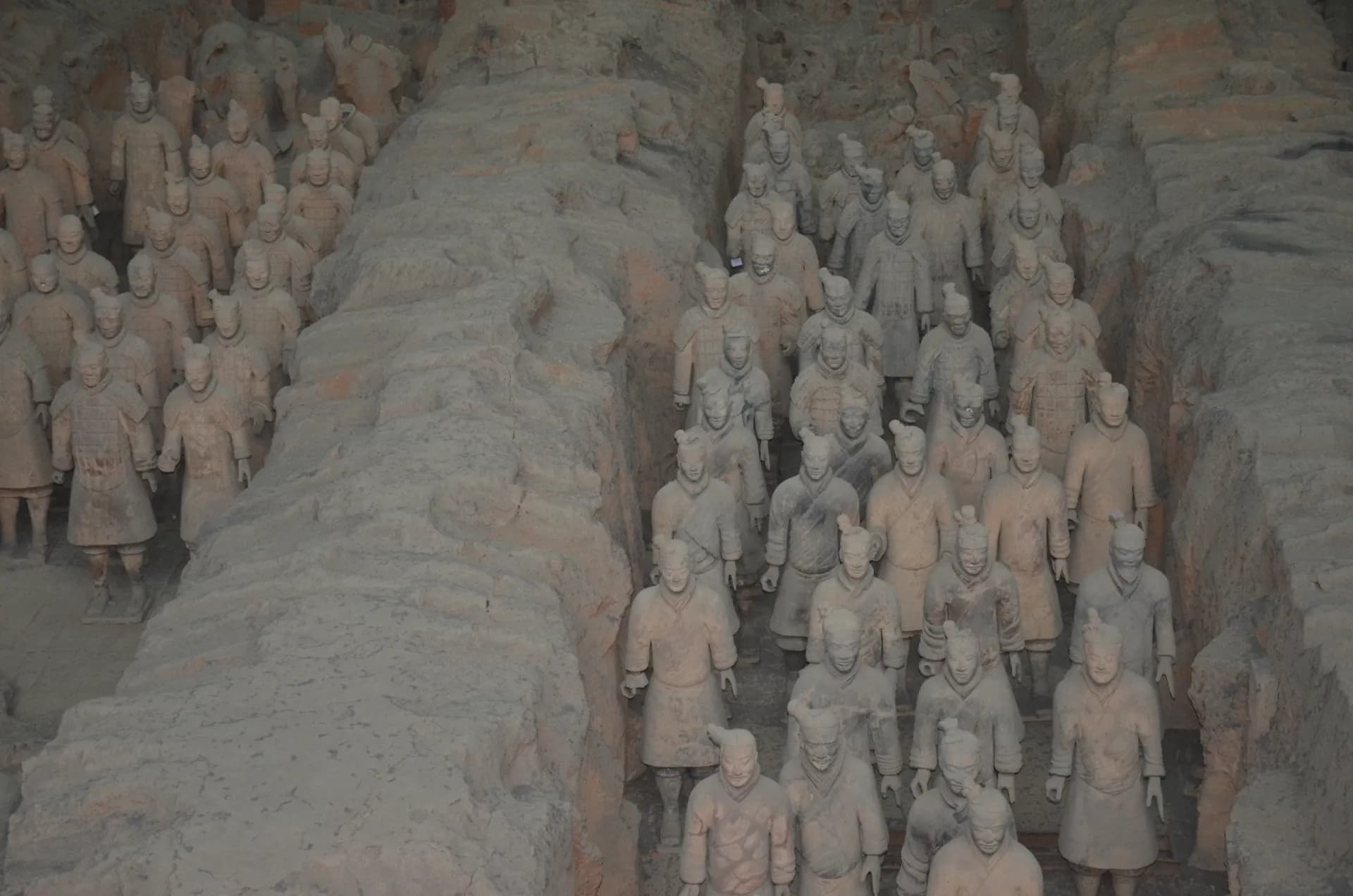
Farmers digging a well in 1974 outside Xi'an accidentally uncovered an army of roughly 8,000 life-sized terracotta soldiers, each with individually sculpted facial features, buried for over 2,000 years to guard the tomb of China's first emperor — one of the largest archaeological discoveries of the 20th century, and still only partially excavated.
See full guide →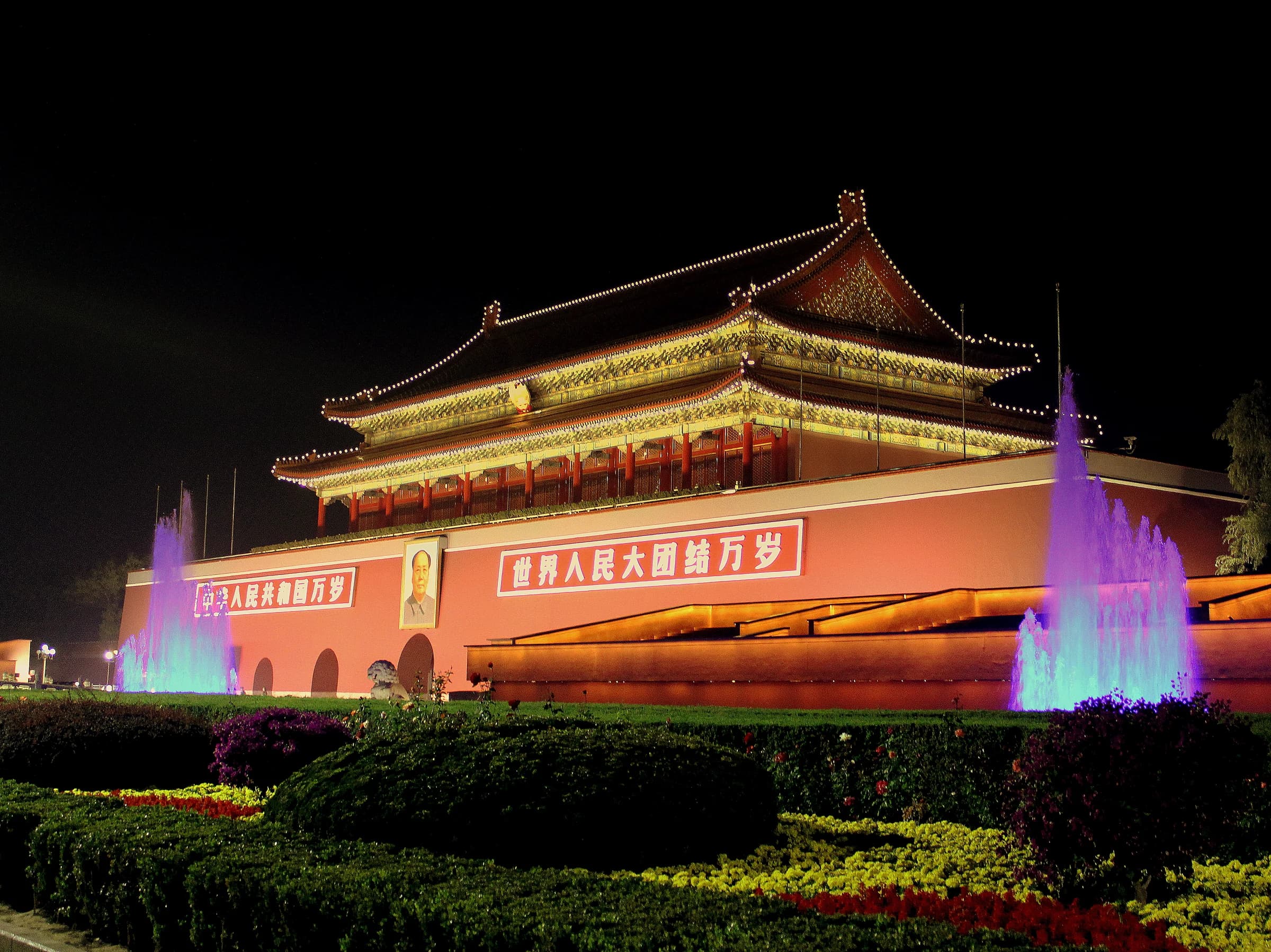 Beijing
Beijing
China
The Forbidden City housed 24 emperors across nearly 500 years inside a walled complex of 980 buildings, and it's just one stop in a capital that also holds the most-visited sections of the Great Wall and one of the largest public squares on Earth.
See full guide →Comparing more than one route? See the full transport comparison guide.