Thailand · Asia
Chiang Mai
Chiang Mai was founded in 1296 as the capital of the Lanna Kingdom, and its Old City still sits inside a nearly-complete square moat and the remnants of its original brick walls — a slower, mountain-ringed counterpoint to Bangkok that's become one of the world's most popular bases for long-term digital nomads.
Chiang Mai was founded in 1296 as the capital of the Lanna Kingdom, a northern Thai kingdom that remained independent for centuries before eventually coming under Siamese control. The Old City still sits inside a nearly complete square moat, with fragments of the original brick walls and gates still standing at each corner, a genuinely rare thing to find intact in a modern Southeast Asian city of this size.
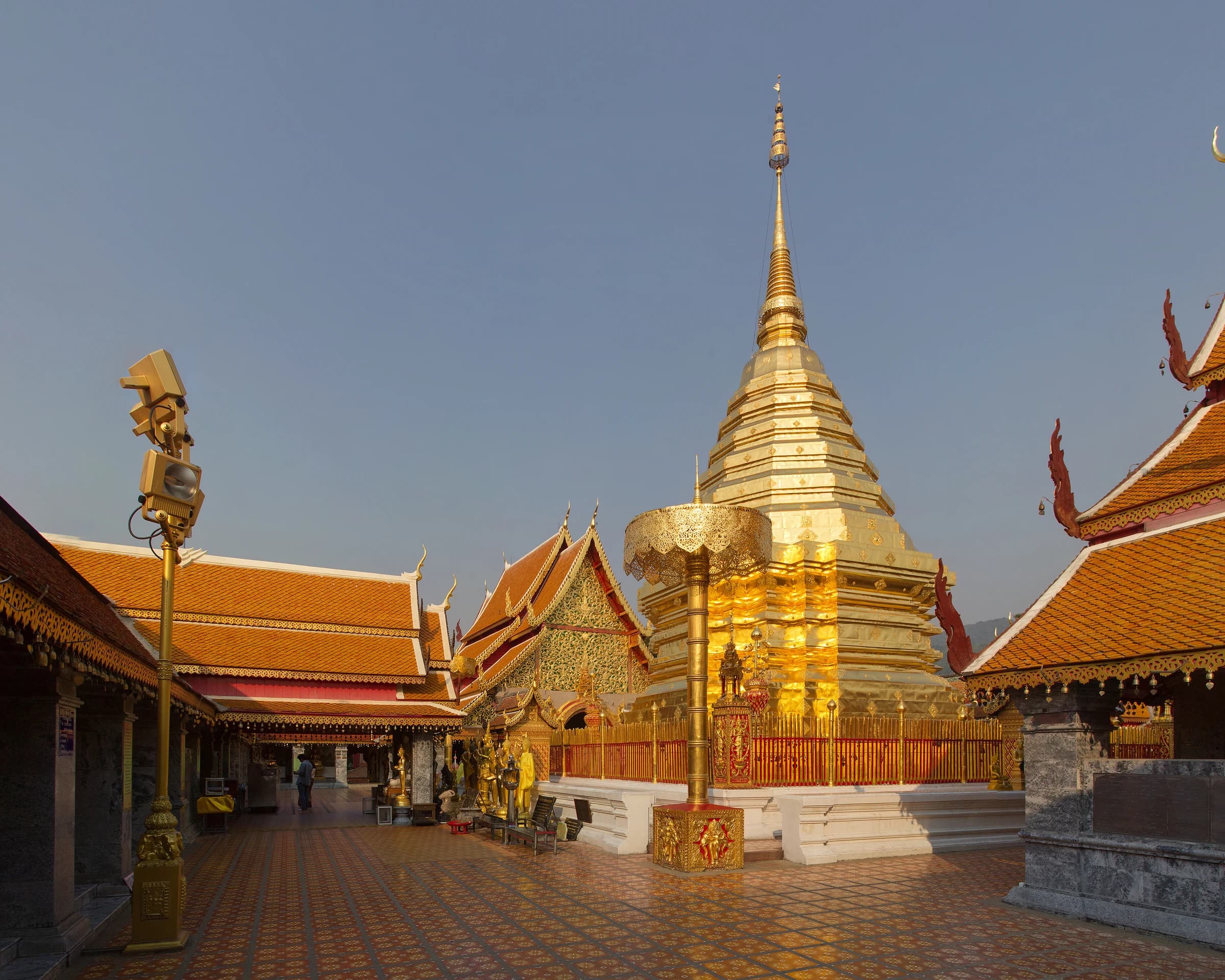
Wat Phra That Doi Suthep sits on a mountain overlooking Chiang Mai, reached by a steep staircase of 306 steps flanked by naga serpent balustrades, or by a funicular for anyone skipping the climb. The temple's golden chedi is visible from parts of the city below on a clear day, and the view back down over Chiang Mai from the temple grounds is one of the more reliably good sunset spots in northern Thailand.
The city has become one of the most established digital nomad hubs in the world, drawing a large long-term foreign community that supports a genuine ecosystem of co-working spaces, fast internet cafes, and month-to-month apartment rentals, at a cost of living meaningfully lower than Bangkok. That community has shaped parts of the city noticeably, though the Old City's temple density and older neighborhoods still operate largely as they always have.
Yi Peng, a Lanna sky lantern festival that coincides with the national Loy Krathong holiday, typically falls in November and fills the night sky above Chiang Mai with thousands of paper lanterns released in waves. It's become one of Thailand's most photographed annual events, and the coordinated mass-release events require advance ticket booking, since the informal citywide version is freer but less visually dramatic than the organized ceremonies.
Elephant sanctuaries near Chiang Mai draw large numbers of visitors, though standards vary considerably between operations. Genuine sanctuaries focus on observing and bathing elephants rather than riding them, since riding and performance venues typically involve harsh training methods behind the scenes, and it's worth researching a specific sanctuary's actual practices, not just its marketing, before booking.
What a trip here actually costs
$30 / day avg.
- Guesthouse or hostel in the Old City
- Songthaew shared taxi rides
- Local market and street food meals
- Old City temples, low or no entry fee
What to do at this tier
- • Old City temple walk, including Wat Chedi Luang, low entry fees
- • Sunday Walking Street night market, free to browse
- • Songthaew ride up to Wat Phra That Doi Suthep
$75 / day avg.
- 3-star hotel or boutique guesthouse
- Doi Suthep temple half-day tour
- Ethical elephant sanctuary visit
- Thai cooking class
What to do at this tier
- • Ethical elephant sanctuary, observation and bathing rather than riding
- • Thai cooking class with a local market visit
- • Doi Inthanon National Park day trip, Thailand's highest peak
$200 / day avg.
- Resort-style hotel with mountain views
- Private guided temple and market tour
- Multi-course fine dining Lanna cuisine
- Private ethical elephant sanctuary day trip
What to do at this tier
- • Private guided day covering Old City temples and rural villages
- • Multi-course Lanna-style tasting dinner
- • Private elephant sanctuary day trip with a dedicated guide
These are average estimates for planning purposes, not real-time prices — actual costs vary by season, availability, and how far ahead you book.
How to get there
Click anywhere on the world map — any airport works, not just our main hubs.
Click anywhere on the map above — any airport in the world works — to see estimated travel time and cost from there.
Times and prices are planning estimates, not live fares — always check a booking site before you commit. See the full Transport Comparison guide for the general tradeoffs of each mode.
Best time to visit
November-February is cool and dry, the most comfortable season; the Yi Peng lantern festival typically falls in November, worth timing a trip around.
Safety notes
Generally very safe and relaxed; the main annual concern is seasonal air quality from agricultural burning, typically worst in March-April.
Visa & currency
Thai baht (THB). Many nationalities can enter visa-free for tourism up to 30-60 days, worth confirming based on passport before booking.
Questions people ask before visiting
Is Chiang Mai worth visiting?
Yes — Chiang Mai's walled Old City dates to 1296, it holds hundreds of temples including Wat Phra That Doi Suthep overlooking the city from a mountain, and it's become one of the world's most established digital nomad hubs, giving it a genuinely different pace and price point from Bangkok.
Is Chiang Mai good for digital nomads?
Yes, Chiang Mai is consistently ranked among the world's top digital nomad destinations, with a large established community, reliable fast internet in co-working spaces and cafes, and a cost of living well below most Western cities or even Bangkok.
What is the Yi Peng lantern festival?
Yi Peng is a Lanna festival, held in November and coinciding with the national Loy Krathong festival, when thousands of paper sky lanterns are released at once, lighting up the night sky above Chiang Mai. It's one of Thailand's most photographed annual events.
Are elephant sanctuaries in Chiang Mai ethical?
It varies significantly — genuine sanctuaries focus on observation and bathing rather than riding, since riding and performance camps involve harmful training methods. Researching a specific sanctuary's practices before booking is worth the extra time.
Nearby destinations
 Bangkok
Bangkok
Thailand
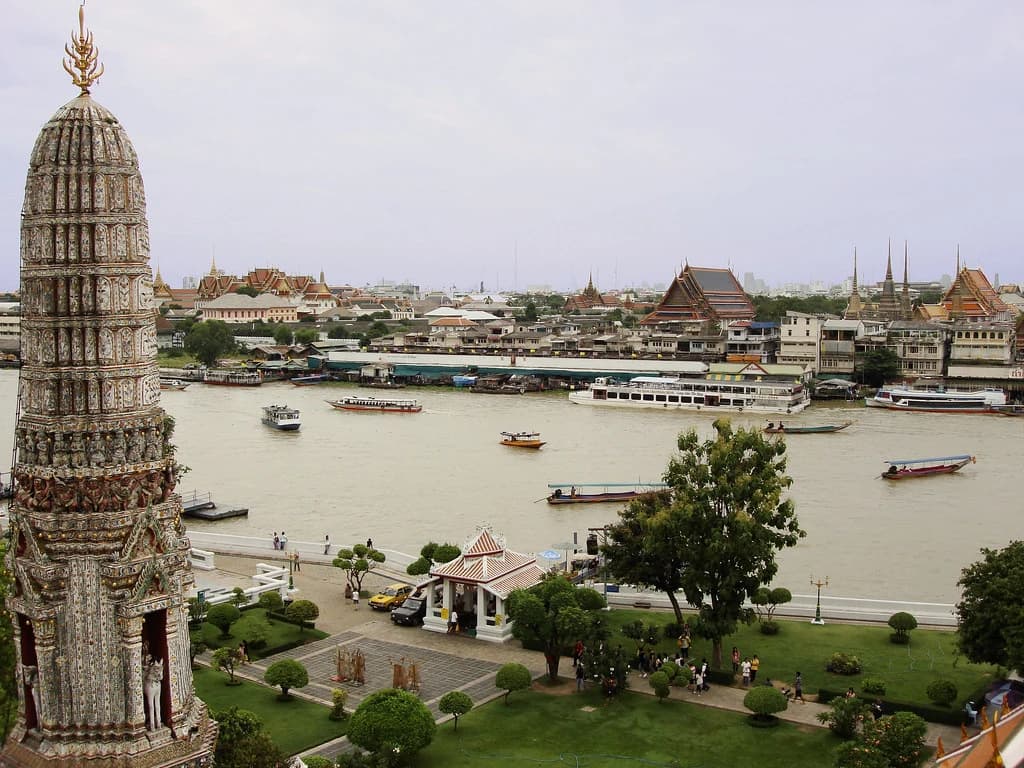
Bangkok's full ceremonial name runs 168 characters and holds the Guinness World Record for longest place name on Earth — a fitting bit of excess for a city that packs gold-spired royal temples, a river cut through by canal boats, and Michelin-recognized street food carts into the same few blocks.
See full guide →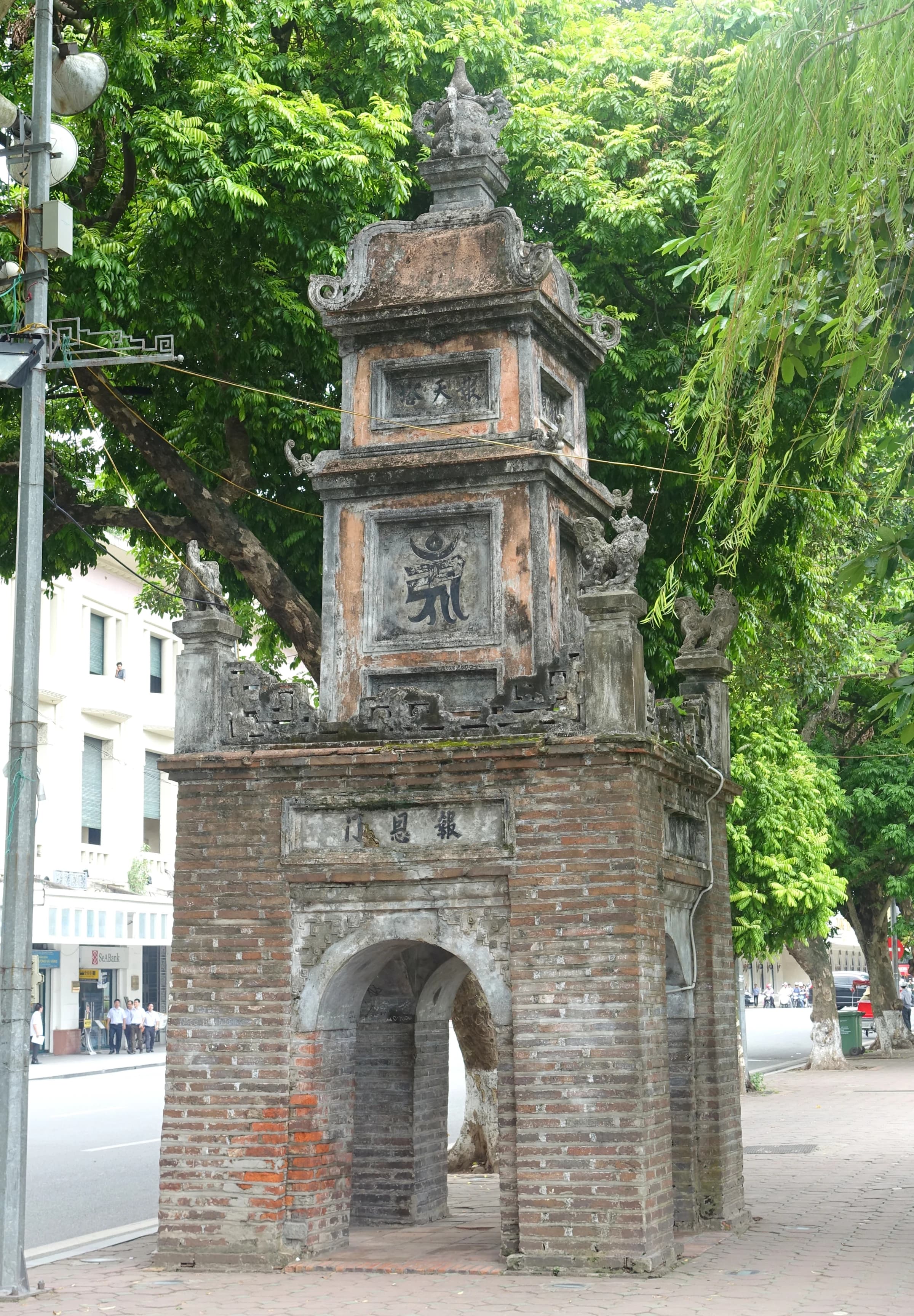 Hanoi
HanoiHanoi
Vietnam
Vietnam's capital has been continuously inhabited since 1010, and a stretch of its Old Quarter still runs literal train tracks through a residential street lined with cafes close enough to touch the passing carriages — one of the more unusual ways a thousand-year-old city and modern viral tourism have collided.
See full guide →Comparing more than one route? See the full transport comparison guide.