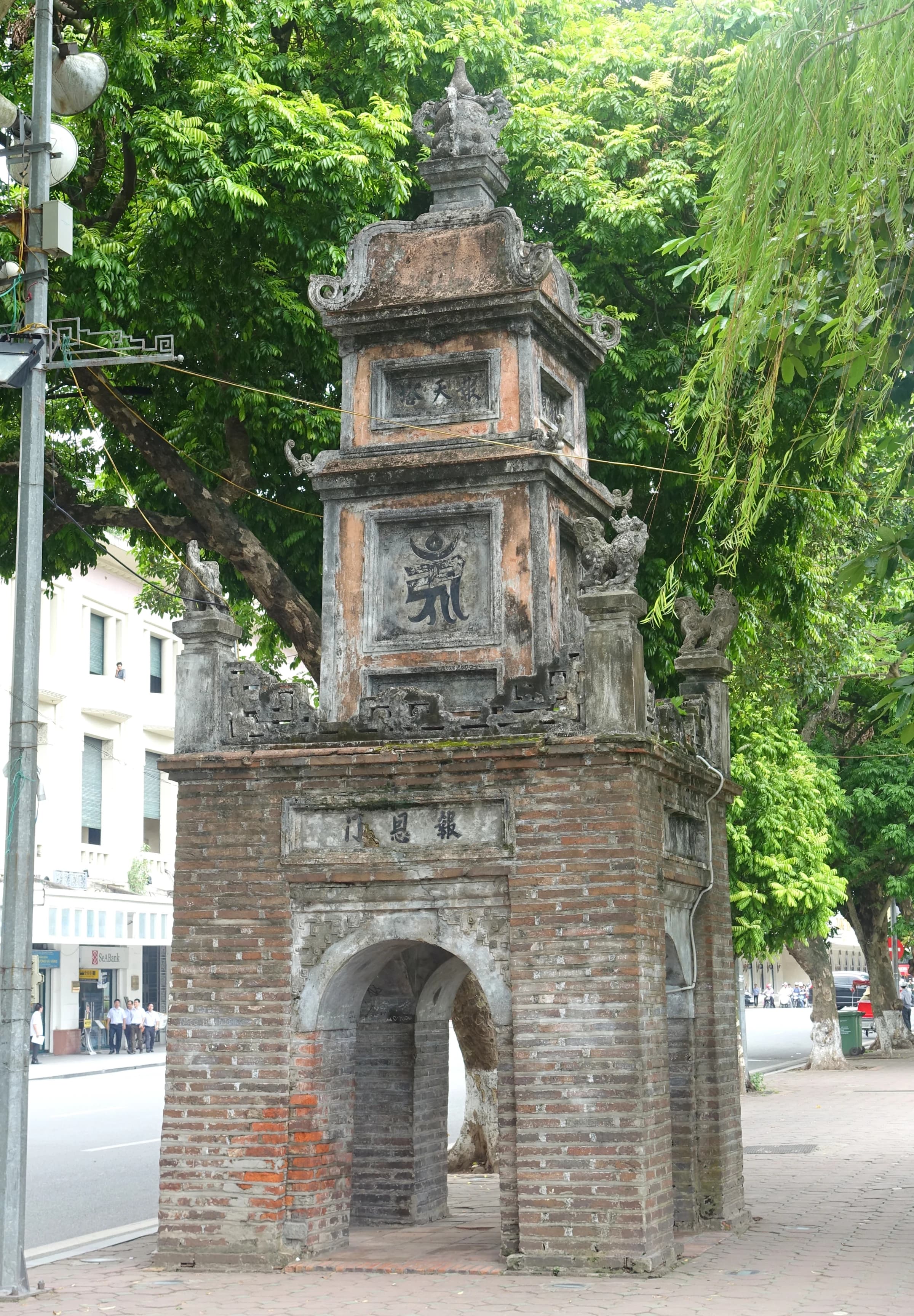
Vietnam · Asia
Hanoi
Vietnam's capital has been continuously inhabited since 1010, and a stretch of its Old Quarter still runs literal train tracks through a residential street lined with cafes close enough to touch the passing carriages — one of the more unusual ways a thousand-year-old city and modern viral tourism have collided.
Hanoi traces its founding back to 1010, when it was established as Thang Long, making it over a thousand years old and one of the longest continuously inhabited capitals in Southeast Asia. The Old Quarter still carries pieces of that history directly in its street layout, organized around 36 guild streets, each historically dedicated to a single trade, silk, silver, or paper, a structure that shaped commerce here for centuries and still echoes faintly in some street names today.
Hoan Kiem Lake sits at the center of the city, its name translating to "Lake of the Returned Sword," tied to a 15th-century legend in which a golden turtle god lent a magic sword to King Le Loi to defeat foreign invaders, then reclaimed it from the lake once victory was secured. The small Ngoc Son Temple on an island within the lake, reached by a red wooden bridge, draws a steady stream of visitors alongside locals doing morning exercise around the water.
Train Street, a narrow residential stretch in the Old Quarter, runs active railway tracks close enough to the surrounding cafes and homes that patrons can nearly touch passing carriages, a scene that became a viral tourist draw over the past decade. Vietnamese authorities have periodically closed or restricted access over safety concerns, reopening it under stricter rules at various points, so it's worth checking current status before planning a visit around it.
The Ho Chi Minh Mausoleum holds the embalmed body of Vietnam's revolutionary leader, displayed to the public despite his stated wish to be cremated, a decision made by the government after his 1969 death. The surrounding complex includes the Presidential Palace, his modest stilt house, and the One Pillar Pagoda, together forming one of the most visited historical sites in the city.
Hanoi's climate sets it apart from Vietnam's more consistently tropical south, with genuinely cool, gray winters between December and February that surprise visitors expecting year-round heat. September through November and March through April offer the mildest stretch, and Ha Long Bay, with its thousands of limestone karst islands, sits close enough for a popular day or overnight trip from the city.
What a trip here actually costs
$28 / day avg.
- Hostel dorm or Old Quarter guesthouse
- Local bus or Grab motorbike rides
- Street food, including pho and bun cha
- Hoan Kiem Lake and Old Quarter walking, free
What to do at this tier
- • Hoan Kiem Lake and Old Quarter walking route, free
- • Street food crawl through the 36 guild streets
- • Train Street, viewing platforms free, check current access status
$70 / day avg.
- 3-star hotel in the Old Quarter
- Ho Chi Minh Mausoleum and museum complex tour
- Sit-down Vietnamese restaurant dinners
- Day trip to Ha Long Bay
What to do at this tier
- • Ho Chi Minh Mausoleum and Presidential Palace complex
- • Temple of Literature, Vietnam's first national university
- • Day trip to Ha Long Bay
$190 / day avg.
- 4-5 star hotel near Hoan Kiem Lake
- Private guided Old Quarter and history tour
- Overnight Ha Long Bay cruise
- Fine dining Vietnamese tasting menu
What to do at this tier
- • Overnight Ha Long Bay cruise with private cabin
- • Private guided Old Quarter history and food tour
- • Fine dining tasting menu at a top Hanoi restaurant
These are average estimates for planning purposes, not real-time prices — actual costs vary by season, availability, and how far ahead you book.
How to get there
Click anywhere on the world map — any airport works, not just our main hubs.
Click anywhere on the map above — any airport in the world works — to see estimated travel time and cost from there.
Times and prices are planning estimates, not live fares — always check a booking site before you commit. See the full Transport Comparison guide for the general tradeoffs of each mode.
Best time to visit
September-November and March-April bring the mildest, most comfortable weather; winter months (December-February) run cool and often gray, unlike Vietnam's more consistently tropical south.
Safety notes
Generally safe; watch for the same motorbike-heavy traffic crossing technique needed throughout Vietnam's cities.
Visa & currency
Vietnamese dong (VND). Most nationalities need an e-visa arranged in advance, typically valid for stays up to 90 days.
Questions people ask before visiting
Is Hanoi worth visiting?
Yes — Hanoi's Old Quarter dates back roughly a thousand years and still organizes itself around 36 historic guild streets, Hoan Kiem Lake anchors the city center with its own folklore, and the city has a genuinely different, older-feeling character than the faster pace of Ho Chi Minh City.
What is Hanoi's Train Street?
A narrow residential street in the Old Quarter where active railway tracks run just meters from cafes and homes, drawing crowds who watch trains pass extremely close by. Vietnamese authorities have periodically restricted tourist access over safety concerns, so it's worth checking current status before visiting.
How old is Hanoi?
Hanoi was founded as Thang Long in 1010, making it over a thousand years old and one of Southeast Asia's oldest continuously inhabited capitals. Its Old Quarter still reflects centuries of layered history despite modern development around it.
What is the legend of Hoan Kiem Lake?
According to legend, a 15th-century Vietnamese king was given a magic sword by a golden turtle god to defeat foreign invaders, and after his victory the turtle reclaimed the sword in the lake's waters. The lake's name translates to "Lake of the Returned Sword."
Nearby destinations
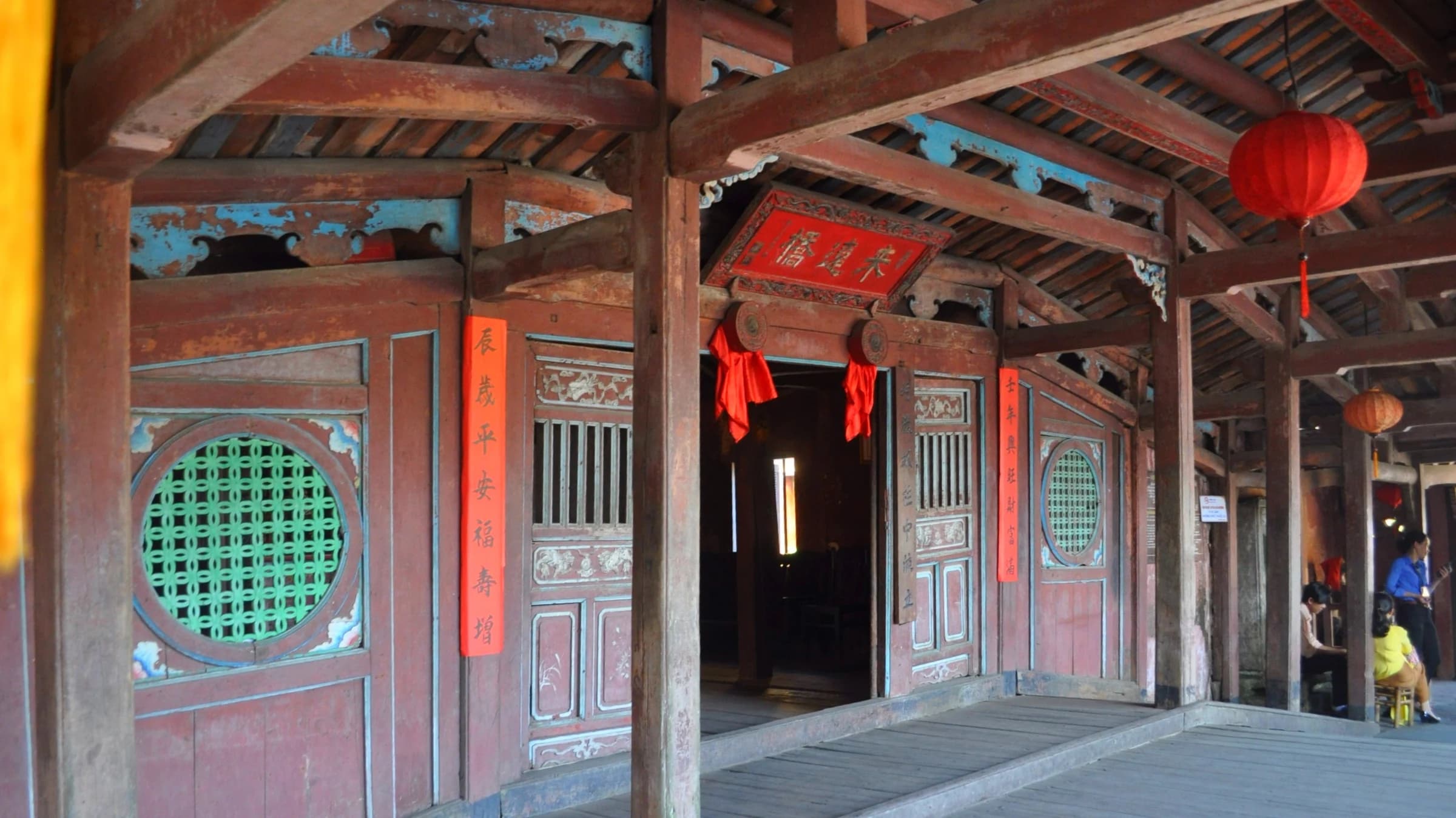 Hoi An
Hoi An
Vietnam
Hoi An spent centuries as a major Southeast Asian trading port where Vietnamese, Chinese, Japanese, and European merchants mixed under one roof, and once a month it still turns off its electric lights entirely, letting the whole UNESCO-listed old town glow purely on silk lanterns instead.
See full guide →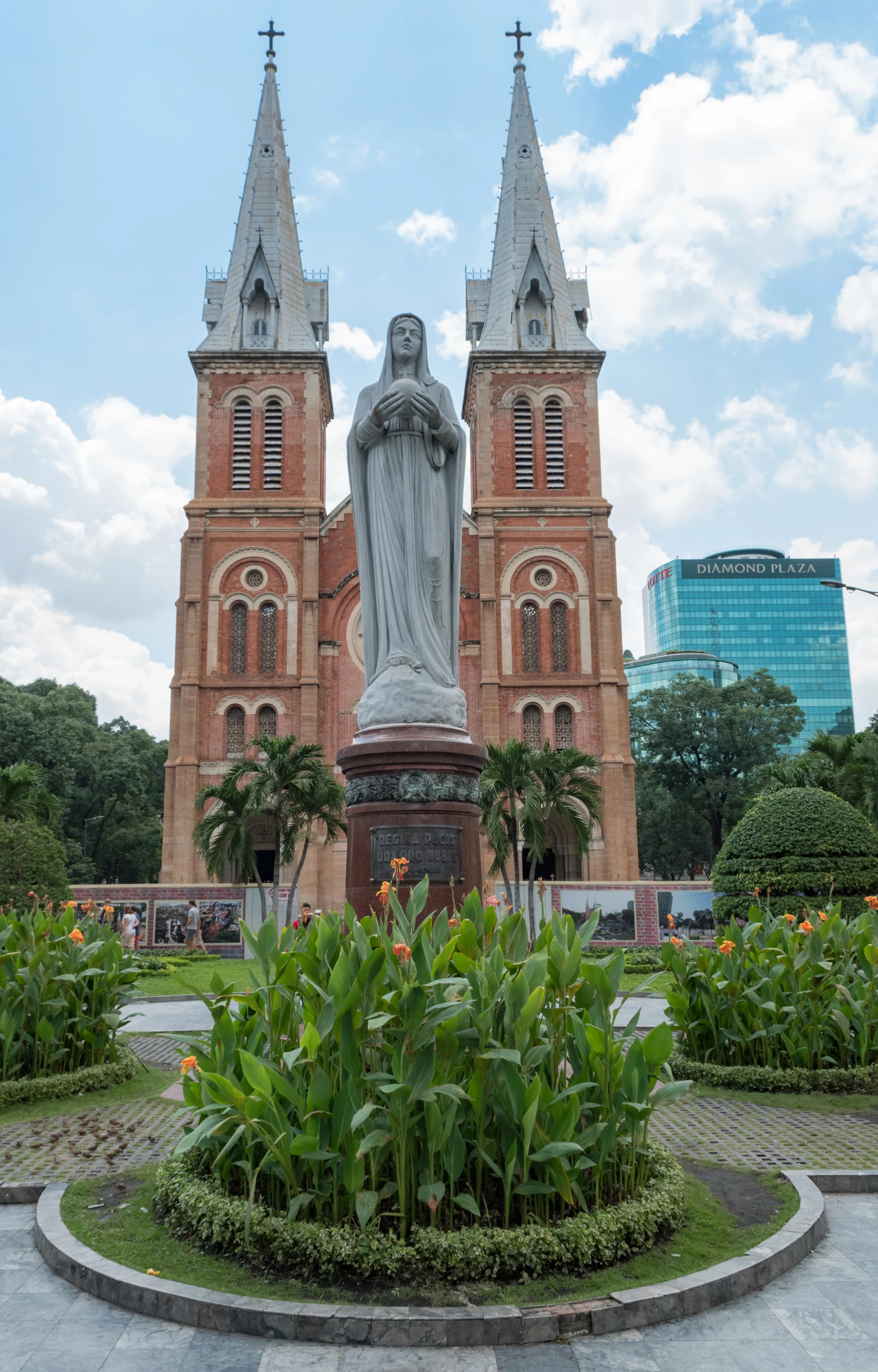 Ho Chi Minh City
Ho Chi Minh City
Vietnam
Renamed after national reunification in 1975, Ho Chi Minh City is still called Saigon by most of the people who actually live there — a city of millions of motorbikes, French colonial buildings repurposed rather than removed, and a war history told bluntly from the Vietnamese side at the War Remnants Museum.
See full guide →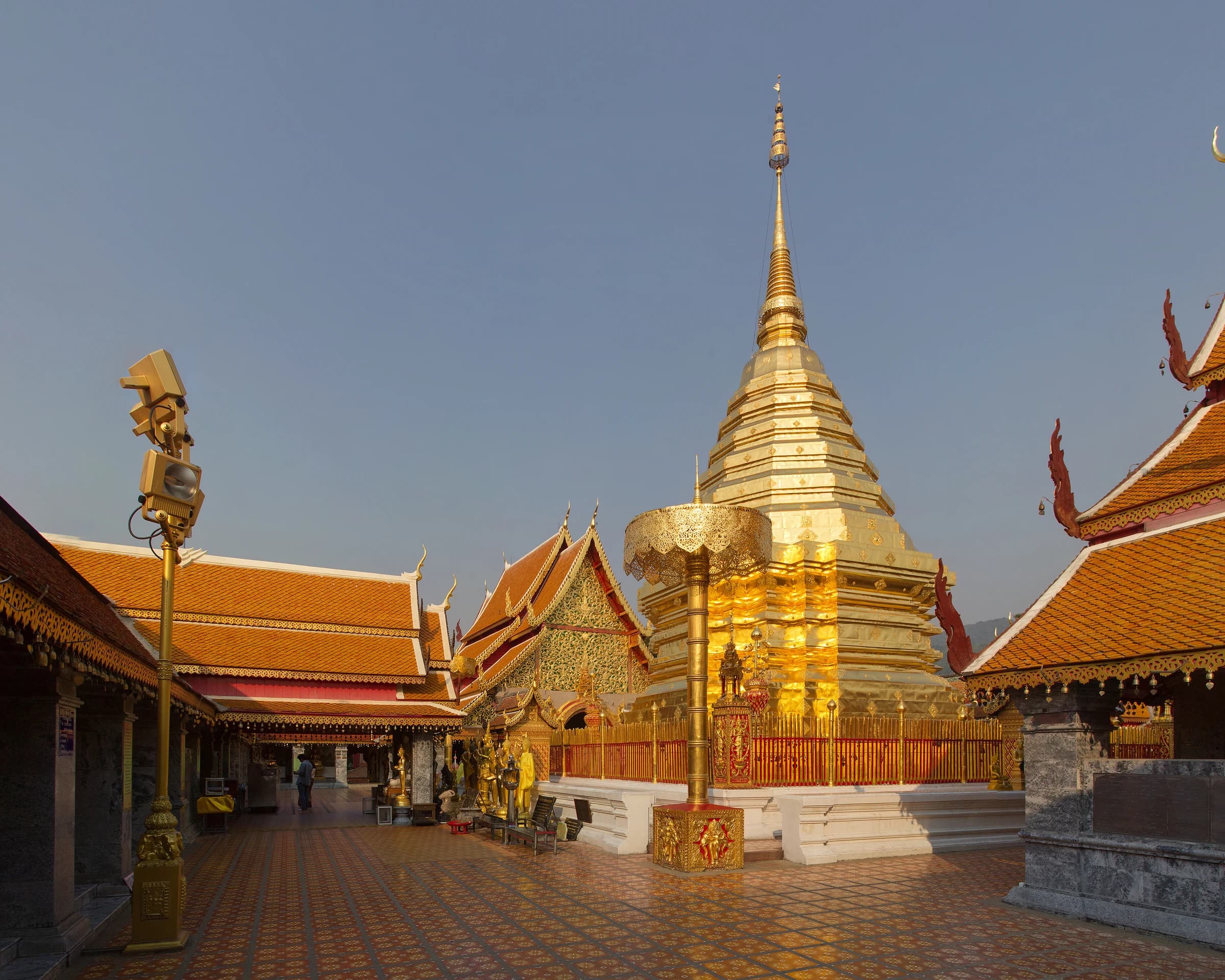 Chiang Mai
Chiang Mai
Thailand
Chiang Mai was founded in 1296 as the capital of the Lanna Kingdom, and its Old City still sits inside a nearly-complete square moat and the remnants of its original brick walls — a slower, mountain-ringed counterpoint to Bangkok that's become one of the world's most popular bases for long-term digital nomads.
See full guide →Comparing more than one route? See the full transport comparison guide.