Vietnam · Asia
Hoi An
Hoi An spent centuries as a major Southeast Asian trading port where Vietnamese, Chinese, Japanese, and European merchants mixed under one roof, and once a month it still turns off its electric lights entirely, letting the whole UNESCO-listed old town glow purely on silk lanterns instead.
Hoi An operated as one of Southeast Asia's major trading ports from the 15th through 19th centuries, drawing Vietnamese, Chinese, Japanese, and later European merchants who each left a visible mark on the town's architecture and layout. That layered, multicultural trading history is largely why UNESCO listed the old town as a World Heritage Site in 1999, recognizing a level of preservation, wooden shopfronts, family chapels, and merchant houses still standing largely unchanged, that's rare for a working Southeast Asian port town.
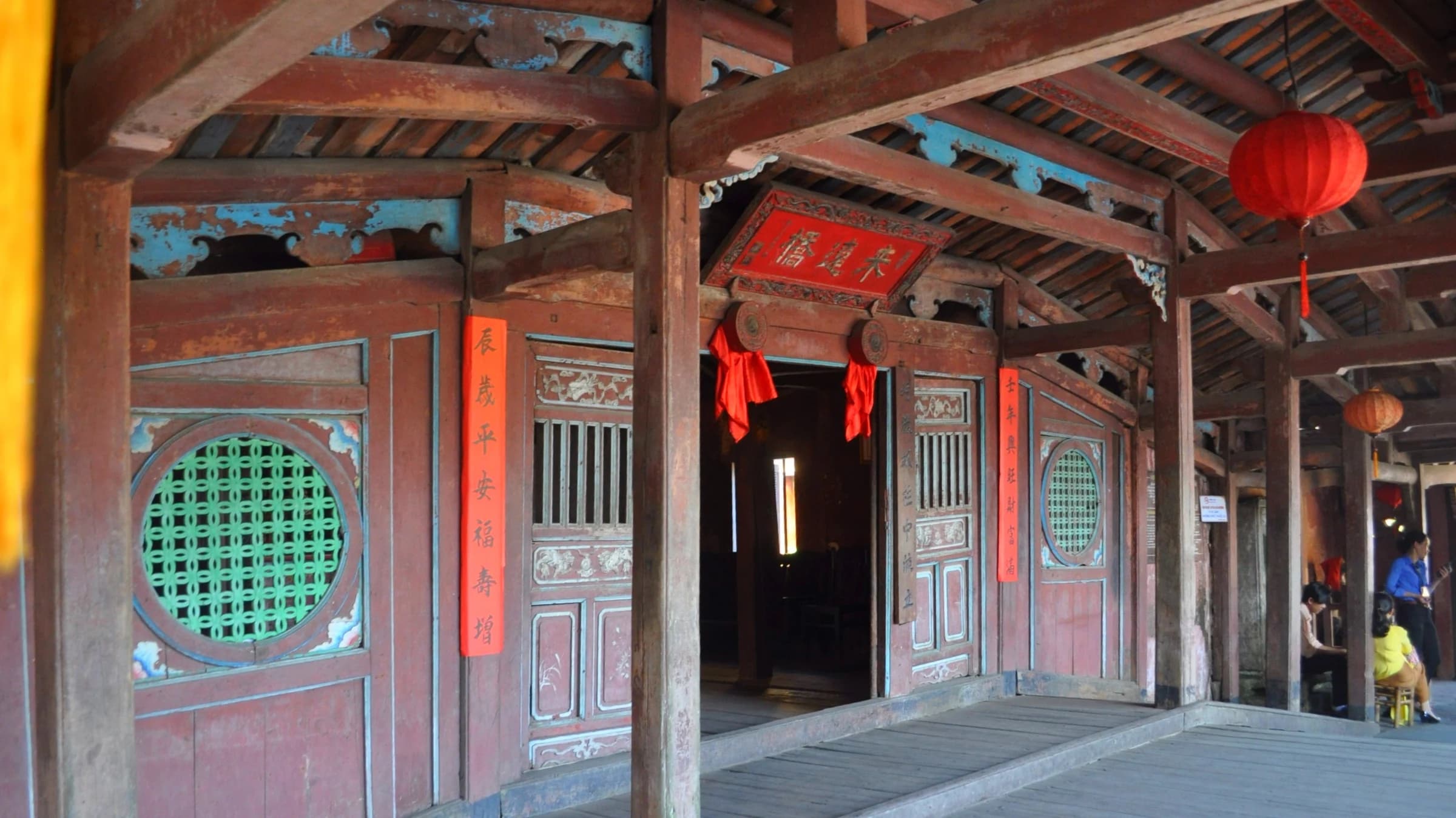
The Japanese Covered Bridge, built by Hoi An's Japanese trading community in the 17th century, once connected separate Japanese and Chinese quarters of the town and remains one of its most recognizable structures, appearing today on Vietnam's 20,000-dong banknote. Walking across it costs nothing, though a small temple built into its middle section is worth stopping for.
Once a month, on the night of the full moon, Hoi An turns off its electric street lighting entirely and lets the old town glow instead on colorful silk lanterns hung along every building facade, while the Thu Bon River fills with small candlelit paper lanterns that visitors and locals release to float downstream. It's become one of the most photographed recurring events in Vietnam, and unlike many festival scenes, it happens reliably every month rather than once a year.
Hoi An's tailoring industry, built on centuries of textile trading history, has evolved into a globally known service where hundreds of shops measure visitors and produce custom clothing, suits, dresses, coats, often within 24 to 48 hours. Quality varies considerably shop to shop, and most experienced visitors research specific tailors rather than walking into the first storefront they see.
The old town's core stays closed to cars and motorbikes, leaving its narrow streets to pedestrians and bicycles, a genuinely calmer pace than most Vietnamese cities offer. An Bang Beach sits a short bike ride away for anyone wanting sand and swimming alongside the old town's history, and the Cam Thanh coconut forest nearby offers round basket-boat rides through the palms, a distinctly local activity that's become popular with visitors as well.
What a trip here actually costs
$30 / day avg.
- Guesthouse near the old town
- Bicycle rental
- Local Vietnamese restaurant meals
- Old town walking, low entry fee for heritage sites
What to do at this tier
- • Old town heritage walk, including the Japanese Covered Bridge, low entry fee
- • An Bang Beach, free
- • Central Market for street food and produce, free to browse
$75 / day avg.
- 3-star boutique hotel
- Custom-tailored clothing, one or two pieces
- Cooking class with a market visit
- An Bang Beach day
What to do at this tier
- • Custom tailoring at a reputable Hoi An tailor shop
- • Vietnamese cooking class with a local market visit
- • Basket boat ride through the Cam Thanh coconut forest
$200 / day avg.
- Riverside resort with pool
- Multiple custom-tailored garments from a top tailor
- Private lantern-making workshop
- Fine dining Vietnamese tasting menu
What to do at this tier
- • Multi-piece custom wardrobe from a top-tier tailor
- • Private lantern-making workshop with a local artisan
- • Private riverside dinner during the monthly Lantern Festival
These are average estimates for planning purposes, not real-time prices — actual costs vary by season, availability, and how far ahead you book.
How to get there
Click anywhere on the world map — any airport works, not just our main hubs.
Click anywhere on the map above — any airport in the world works — to see estimated travel time and cost from there.
Times and prices are planning estimates, not live fares — always check a booking site before you commit. See the full Transport Comparison guide for the general tradeoffs of each mode.
Best time to visit
February-April offers the driest, most comfortable weather; October-November brings the highest flood risk, since the old town sits low along the Thu Bon River.
Safety notes
Very safe and relaxed; the old town's core is pedestrian and bicycle-only, which keeps traffic risk lower than in Vietnam's larger cities.
Visa & currency
Vietnamese dong (VND). Most nationalities need an e-visa arranged in advance, typically valid for stays up to 90 days.
Questions people ask before visiting
Is Hoi An worth visiting?
Yes — Hoi An's UNESCO-listed old town preserves centuries of wooden trading-port architecture almost untouched, its monthly Lantern Festival turns off electric lighting entirely in favor of silk lanterns, and its tailoring industry can produce custom clothing within 24 to 48 hours, a genuinely unique combination.
How does Hoi An's custom tailoring work?
Hundreds of tailor shops in Hoi An measure visitors and produce custom-made clothing, suits, dresses, coats, often within 24 to 48 hours, a tradition built on the town's centuries of trading-port textile commerce. Quality and price vary significantly between shops, so checking reviews for a specific tailor is worth the time.
What is the Hoi An Lantern Festival?
Held monthly on the night of the full moon, the old town switches off electric street lighting and lights up instead with colorful silk lanterns, while the Thu Bon River fills with small floating candlelit lanterns released by visitors and locals.
What is the Japanese Covered Bridge?
A bridge built by Hoi An's Japanese trading community in the 17th century, connecting what were once separate Japanese and Chinese quarters of the town. It remains one of the old town's most recognizable structures and appears on Vietnam's 20,000-dong banknote.
Nearby destinations
 Hanoi
HanoiHanoi
Vietnam
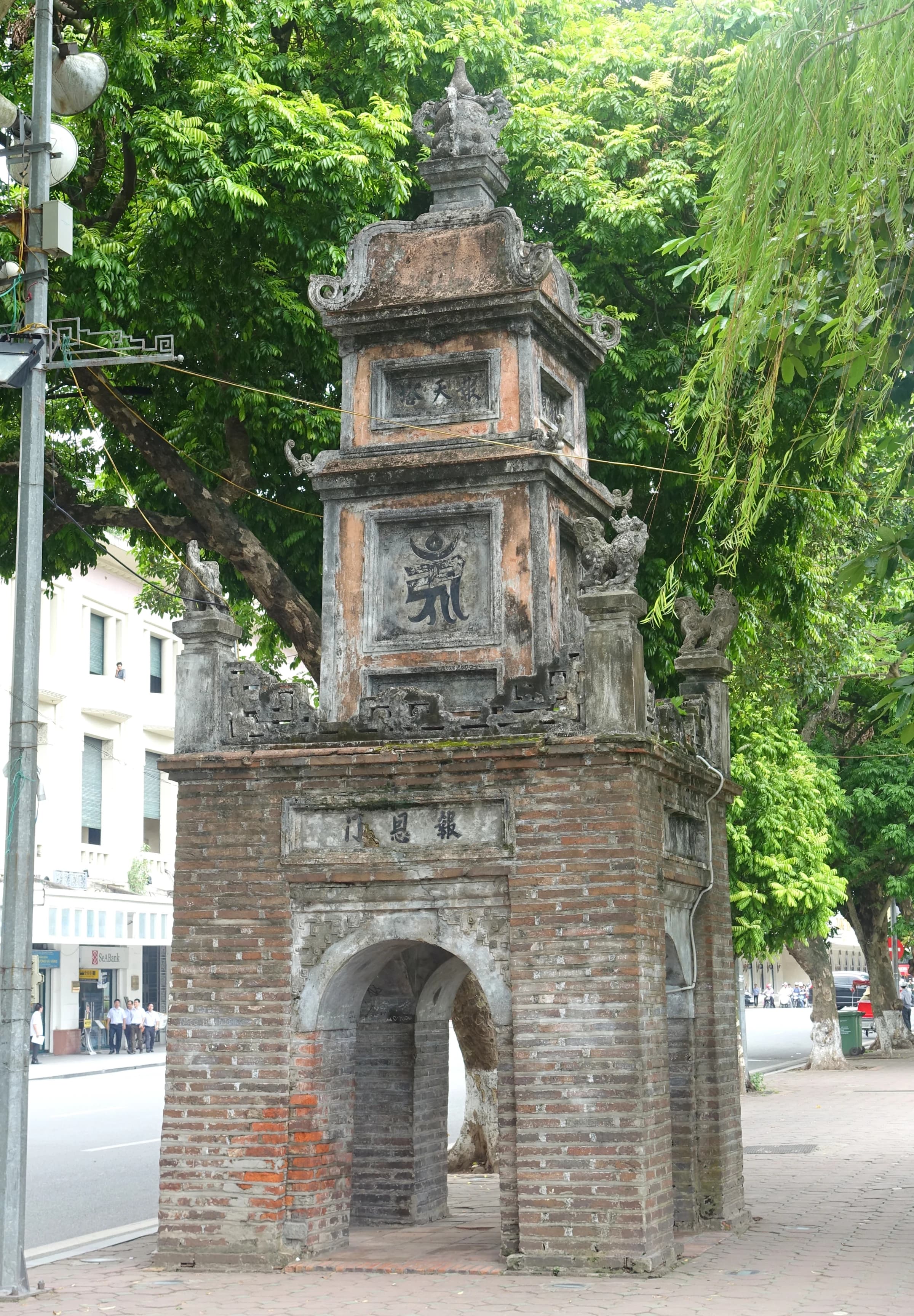
Vietnam's capital has been continuously inhabited since 1010, and a stretch of its Old Quarter still runs literal train tracks through a residential street lined with cafes close enough to touch the passing carriages — one of the more unusual ways a thousand-year-old city and modern viral tourism have collided.
See full guide →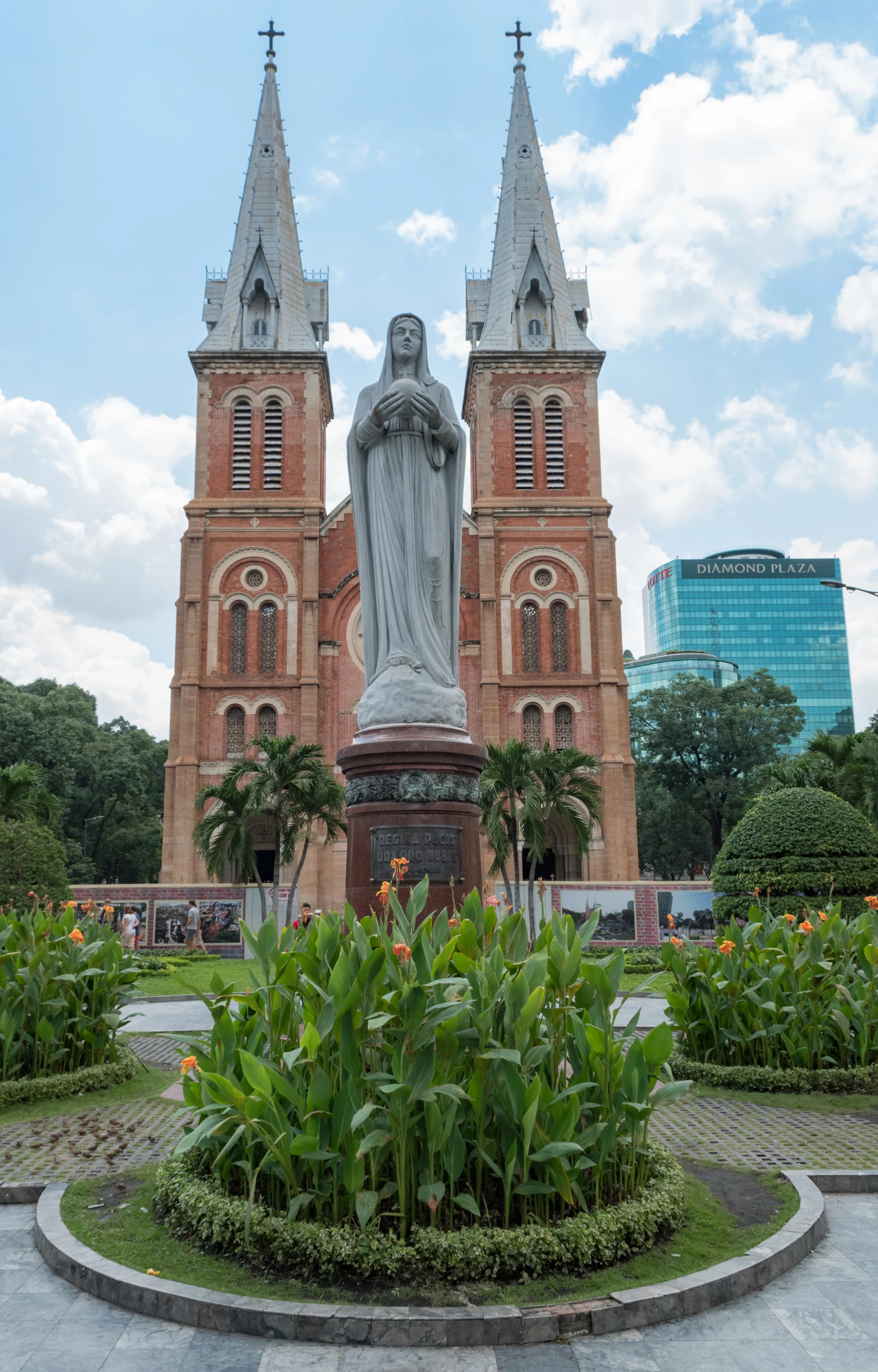 Ho Chi Minh City
Ho Chi Minh City
Vietnam
Renamed after national reunification in 1975, Ho Chi Minh City is still called Saigon by most of the people who actually live there — a city of millions of motorbikes, French colonial buildings repurposed rather than removed, and a war history told bluntly from the Vietnamese side at the War Remnants Museum.
See full guide →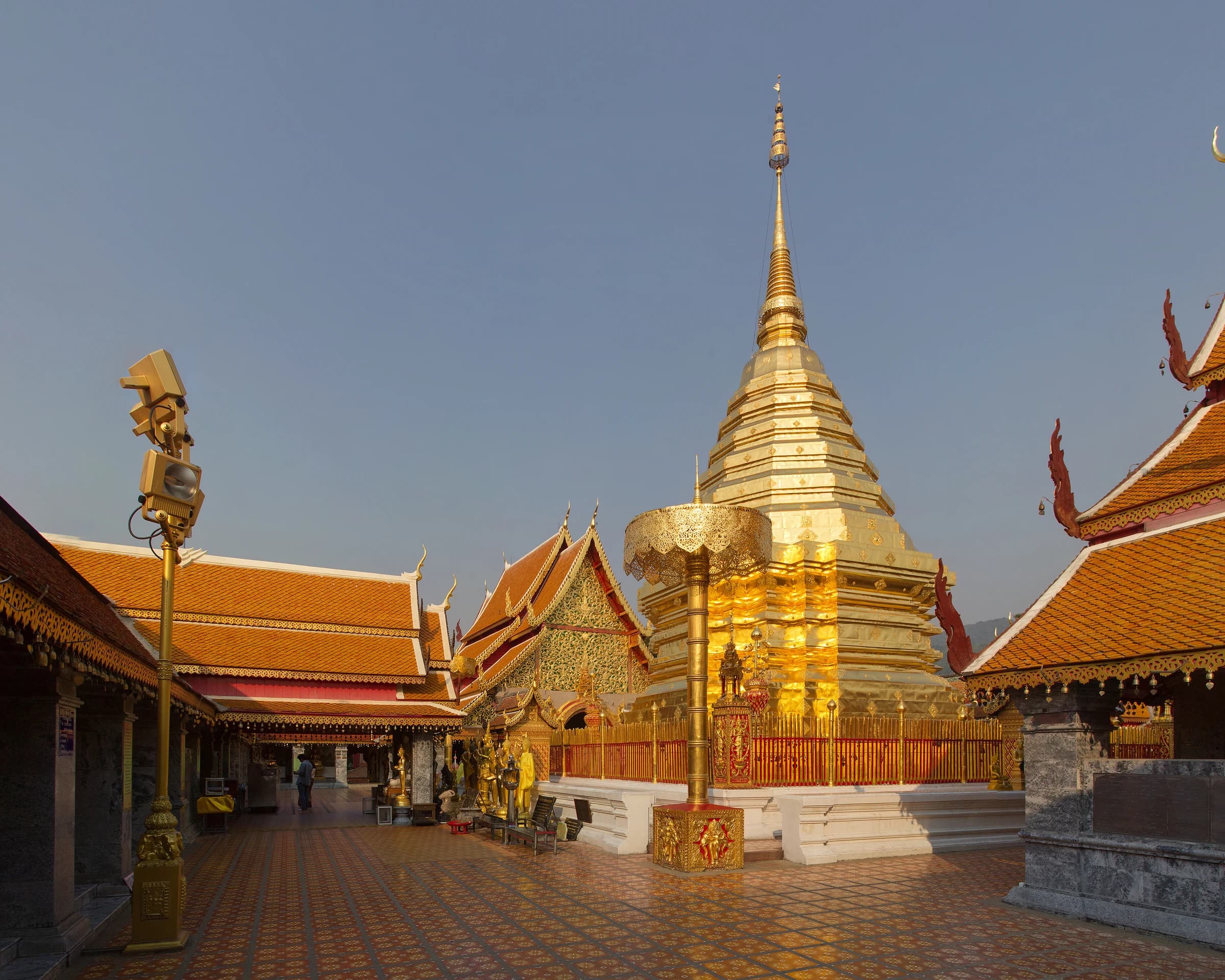 Chiang Mai
Chiang Mai
Thailand
Chiang Mai was founded in 1296 as the capital of the Lanna Kingdom, and its Old City still sits inside a nearly-complete square moat and the remnants of its original brick walls — a slower, mountain-ringed counterpoint to Bangkok that's become one of the world's most popular bases for long-term digital nomads.
See full guide →Comparing more than one route? See the full transport comparison guide.