India · Asia
Varanasi
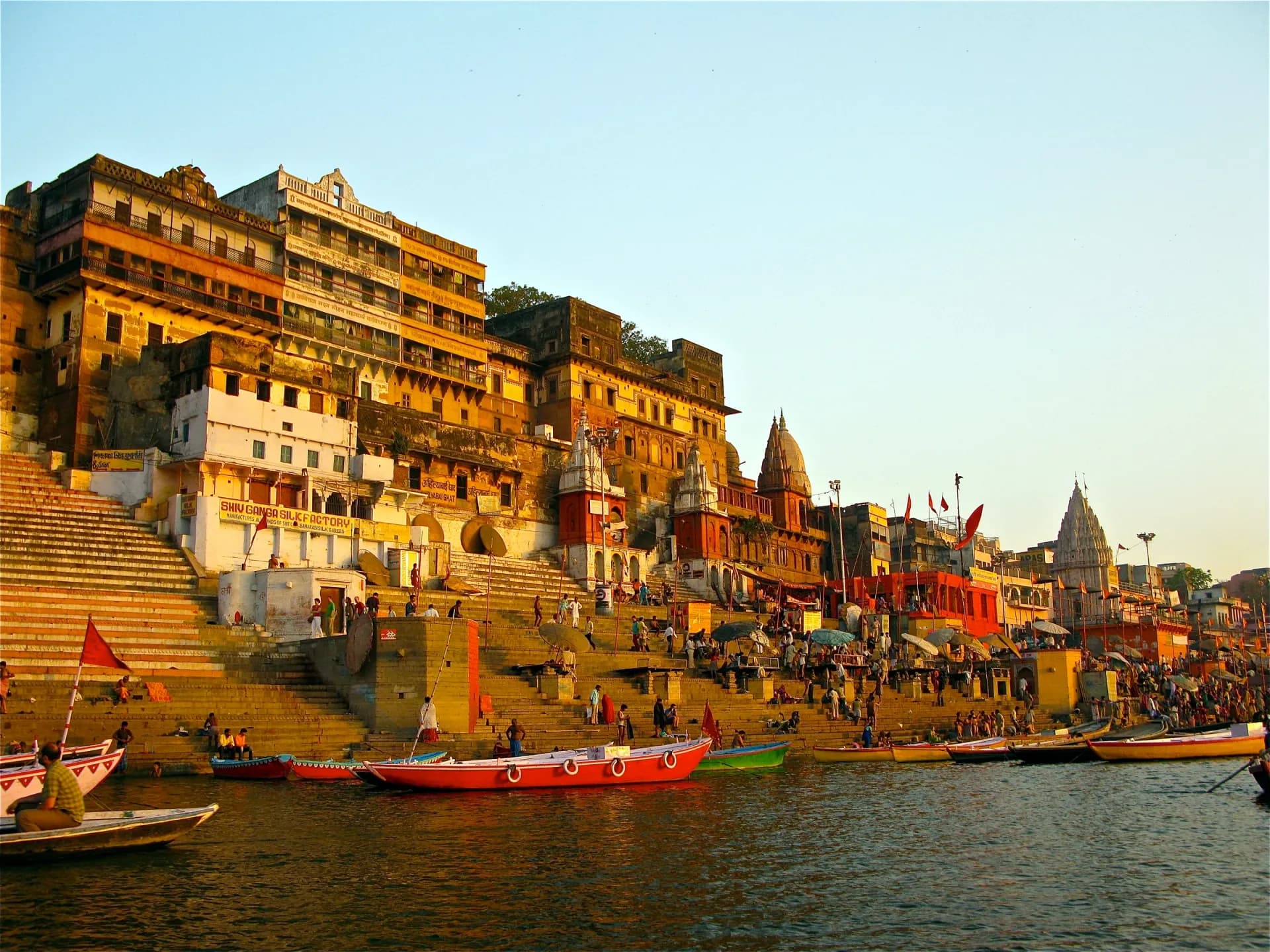
Varanasi is one of the oldest continuously inhabited cities in the world, and its ghats along the Ganges River host both cremation ceremonies and sunrise prayers within sight of each other, a directness about mortality that Hindu pilgrims travel here specifically to witness, since dying or being cremated in Varanasi is believed to offer liberation from the cycle of rebirth.
Varanasi ranks among the oldest continuously inhabited cities in the world, with settlement history stretching back roughly 3,000 years along the banks of the Ganges River, a river considered sacred in Hinduism and central to the city's entire identity. Hindu pilgrims travel here specifically because dying or being cremated in Varanasi is believed to offer moksha, liberation from the cycle of rebirth, a belief that shapes the city's daily rhythm in ways few other places on Earth experience so directly.
The ghats, a series of stone steps leading down to the river, host both funeral cremations and everyday religious life within sight of each other, an intermingling of mortality and ritual that visitors often describe as genuinely disorienting on first encounter. Manikarnika Ghat, one of the primary cremation sites, remains in near-constant use, and observing from a respectful distance is generally accepted, though photography is typically prohibited and quiet, non-intrusive behavior is expected around grieving families.
Each evening at Dashashwamedh Ghat, priests perform the Ganga Aarti ceremony, a synchronized fire offering to the river accompanied by chanting, bells, and music, drawing large crowds who watch from the ghat steps or from boats gathered on the water. It's become one of the most consistently recommended experiences in Varanasi, a genuinely coordinated piece of religious theater performed with real devotion rather than staged purely for visitors.
A sunrise boat ride along the ghats remains the classic way to take in the city's scale and rhythm, watching the sun rise over the river while pilgrims bathe, pray, and go about morning rituals along the steps, temples, and buildings stacked densely along the shoreline. The light at that hour, soft and golden across the water, has made the sunrise boat ride one of the most photographed experiences in India.
Beyond the ghats, Varanasi's old city holds a dense maze of narrow lanes, temples, and workshops, including a centuries-old silk weaving tradition that still produces some of India's finest Banarasi sarees. Kashi Vishwanath Temple, one of the most significant Hindu temples dedicated to Shiva, sits near the ghats and remains a major pilgrimage site in its own right, adding a layer of formal religious architecture to a city otherwise defined by the river itself.
What a trip here actually costs
$25 / day avg.
- Guesthouse near the ghats
- Shared sunrise boat ride
- Local restaurant meals
- Ganga Aarti ceremony viewing, free
What to do at this tier
- • Sunrise shared boat ride along the ghats
- • Ganga Aarti evening ceremony at Dashashwamedh Ghat, free
- • Old city lanes and temple walk, free
$65 / day avg.
- 3-star hotel with river views
- Private sunrise and sunset boat rides
- Guided old city walking tour
- Sit-down restaurant dinners
What to do at this tier
- • Private sunrise and sunset boat rides
- • Guided old city walking tour, including Kashi Vishwanath Temple
- • Silk weaving workshop visit, a Varanasi textile tradition
These are average estimates for planning purposes, not real-time prices — actual costs vary by season, availability, and how far ahead you book.
How to get there
Click anywhere on the world map — any airport works, not just our main hubs.
Click anywhere on the map above — any airport in the world works — to see estimated travel time and cost from there.
Times and prices are planning estimates, not live fares — always check a booking site before you commit. See the full Transport Comparison guide for the general tradeoffs of each mode.
Best time to visit
October-March brings the coolest, most comfortable temperatures; summer runs extremely hot, often exceeding 40°C (104°F).
Safety notes
Generally safe with standard precautions; the ghats and old city lanes are crowded and narrow, so keep valuables secure.
Visa & currency
Indian rupee (INR). Most nationalities need an e-visa arranged in advance rather than visa-free entry, so apply before booking flights.
Questions people ask before visiting
Is Varanasi worth visiting?
Yes — Varanasi is one of the oldest continuously inhabited cities in the world, and its ghats along the Ganges River offer a direct, unfiltered look at Hindu spiritual practice, from sunrise prayers to the nightly Ganga Aarti ceremony, unlike almost anywhere else in India.
What is the Ganga Aarti ceremony?
A nightly Hindu ritual held at Dashashwamedh Ghat, where priests perform synchronized fire offerings to the Ganges River accompanied by chanting, bells, and music, drawing large crowds of both pilgrims and visitors to watch from the ghat steps or from boats on the river.
Is it respectful to watch cremations in Varanasi?
Observing from a respectful distance is generally accepted, since cremation ghats like Manikarnika are active, public parts of daily religious life, but photography is typically prohibited and visitors are expected to remain quiet and avoid intruding on grieving families.
How many days do you need in Varanasi?
Two to three days covers a sunrise boat ride along the ghats, the Ganga Aarti ceremony, and the old city's temples and lanes at a comfortable pace.
Nearby destinations
 Delhi
DelhiDelhi
India
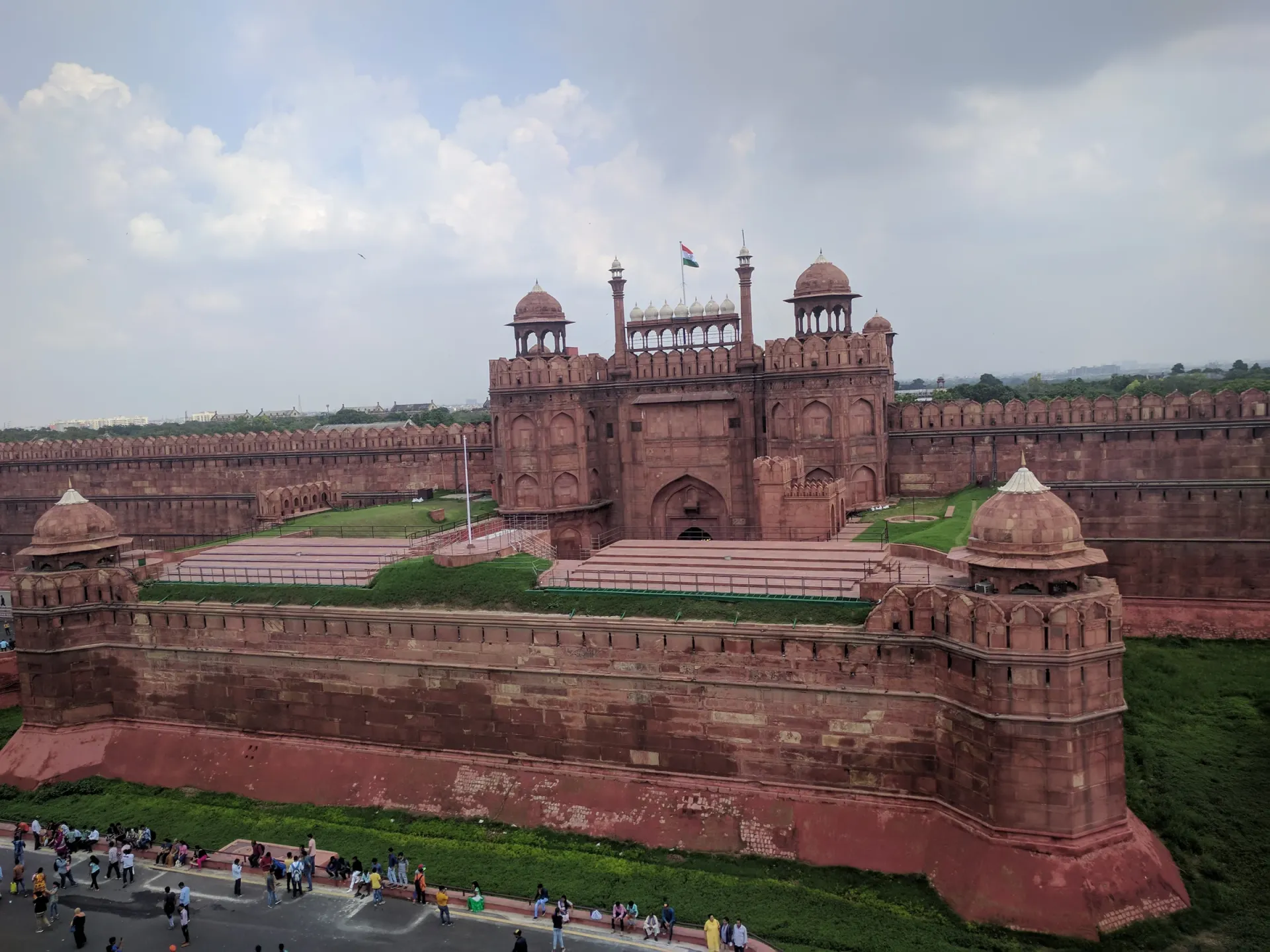
Delhi has served as a seat of power for roughly a thousand years across multiple empires, and the result is a capital where the Mughal-era Red Fort and the medieval Qutub Minar, at 73 meters the tallest brick minaret in the world, sit within the same metro system as the colonial-built government quarter New Delhi and a population pushing past 30 million.
See full guide →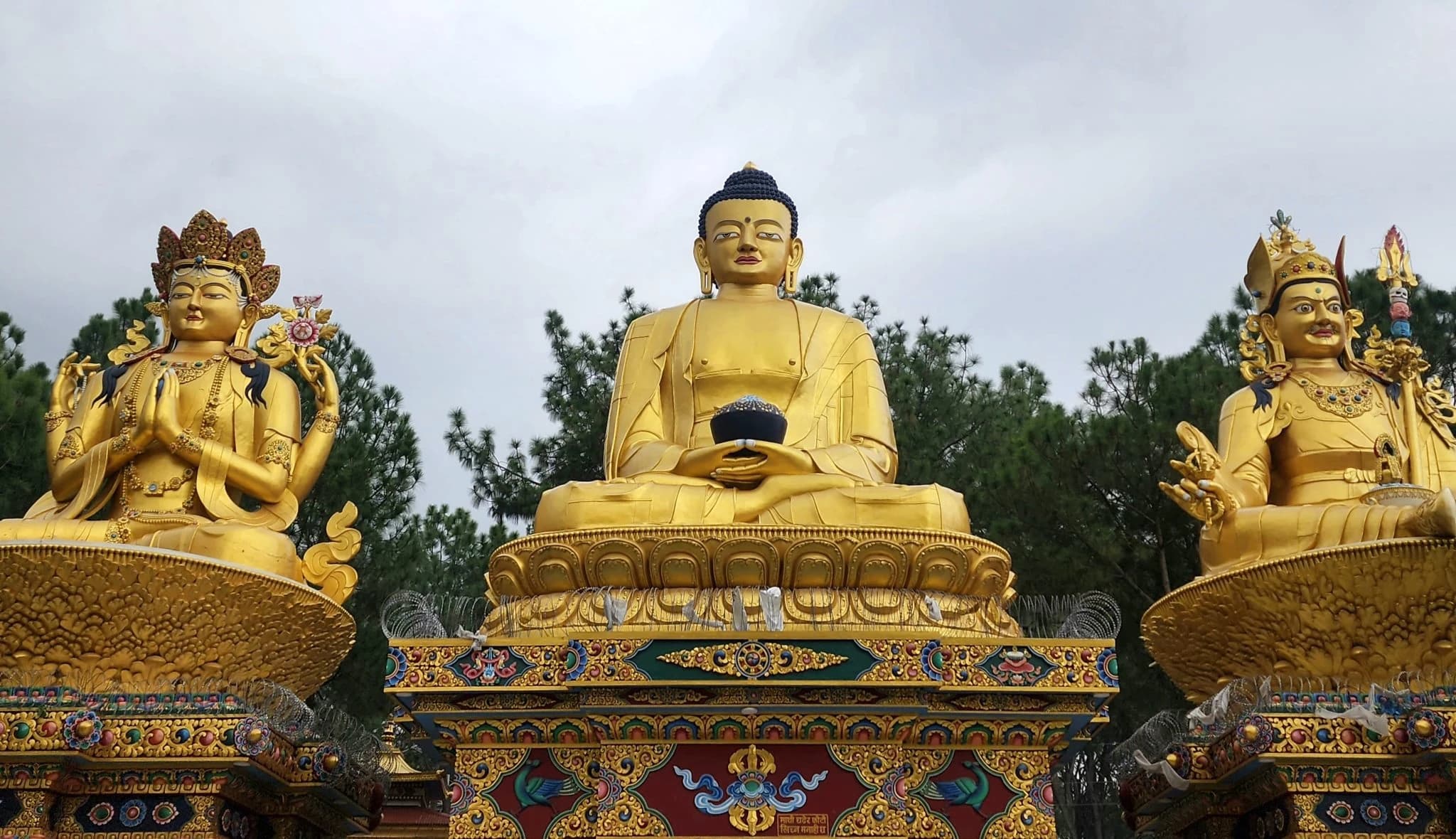 Kathmandu
Kathmandu
Nepal
Kathmandu Valley packs seven separate UNESCO-listed monument zones into a single basin — Durbar Squares, the all-seeing eyes of Swayambhunath, one of the largest stupas in the world at Boudhanath — and still serves as the starting point for nearly everyone attempting to reach the world's highest mountains.
See full guide →Comparing more than one route? See the full transport comparison guide.