Turkey · Asia
Istanbul
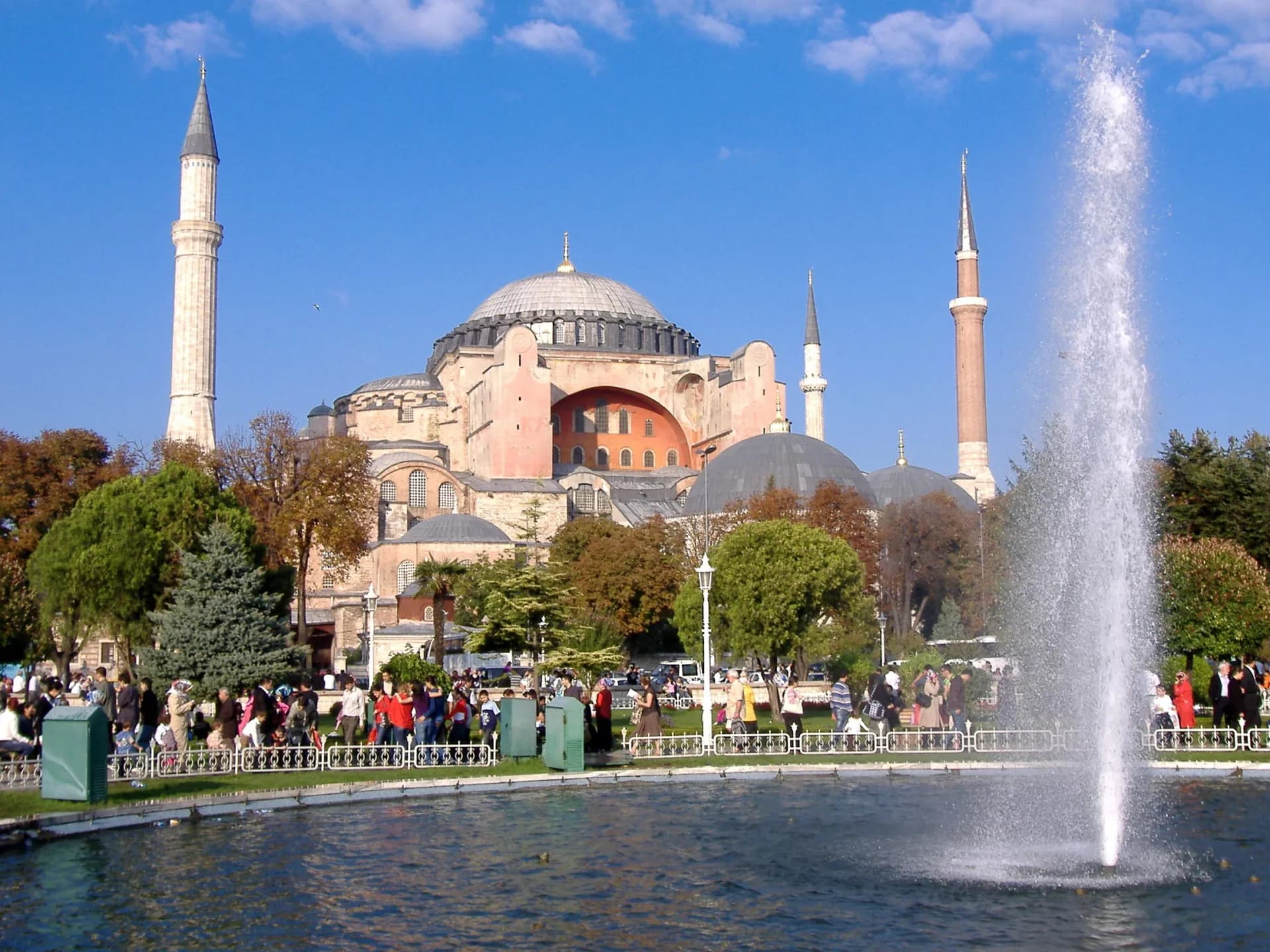
Istanbul is the only city in the world built across two continents, split down the middle by the Bosphorus Strait between Europe and Asia, and it's been the capital of two empires under two different names, Constantinople under the Byzantines and later the Ottomans, leaving behind a skyline where a 6th-century cathedral-turned-mosque still dominates the view.
Istanbul is the only city in the world built directly across two continents, split by the Bosphorus Strait between a European side and an Asian side, a geography that's shaped its role as a trading and cultural crossroads for over 2,500 years. Regular ferries cross the strait alongside bridges and an underwater metro tunnel, and the short boat ride between continents remains one of the most popular ways to make the trip, skyline views included for a low fare.
Hagia Sophia has occupied its site since 537 AD, built originally as a Christian cathedral under Byzantine Emperor Justinian I and standing at the time as the largest cathedral in the world for nearly a thousand years. After the Ottoman conquest of Constantinople in 1453, it was converted into a mosque, secularized into a museum in 1935, and converted back into a functioning mosque in 2020, a sequence that makes the building itself a condensed record of the city's shifting religious and political history.
The Grand Bazaar, dating to the 15th century, ranks among the oldest and largest covered markets in the world, its roughly 4,000 shops spread across a maze of vaulted, domed passageways selling everything from carpets and ceramics to jewelry and spices. Navigating it takes some patience, but getting at least briefly lost in its lanes is arguably part of the experience rather than a problem to avoid.
Topkapi Palace served as the primary residence of Ottoman sultans for roughly 400 years, its courtyards, treasury, and harem quarters offering a direct look at how the empire's rulers actually lived and governed. The palace grounds also hold some of the best Bosphorus views in the old city, a reminder of how deliberately its location was chosen for both defense and display.
Istanbul's dual identity as former capital of both the Byzantine and Ottoman Empires, first as Constantinople and later under its current name, gives the city a layered architectural record that few others can match, Byzantine churches, Ottoman mosques, and 19th-century European-influenced buildings often sitting within a few blocks of each other. That density of overlapping history is part of what keeps Istanbul from ever feeling like a single, simple narrative.
What a trip here actually costs
$45 / day avg.
- Hostel dorm or budget guesthouse
- Istanbulkart public transit card
- Street food and casual restaurant meals
- Hagia Sophia and Blue Mosque, free or low entry fee
What to do at this tier
- • Hagia Sophia, free entry
- • Blue Mosque (Sultan Ahmed Mosque), free entry
- • Grand Bazaar, free to browse
$110 / day avg.
- 3-star hotel in Sultanahmet or Beyoglu
- Topkapi Palace guided tour
- Bosphorus ferry cruise
- Sit-down Turkish restaurant dinners
What to do at this tier
- • Topkapi Palace guided tour
- • Bosphorus ferry cruise between continents
- • Basilica Cistern, an underground Byzantine reservoir
$300 / day avg.
- 4-5 star hotel with Bosphorus views
- Private guided old city tour
- Private Bosphorus sunset cruise
- Fine dining Turkish tasting menu
What to do at this tier
- • Private guided old city and palace tour
- • Private sunset cruise along the Bosphorus
- • Fine dining tasting menu at a top Istanbul restaurant
These are average estimates for planning purposes, not real-time prices — actual costs vary by season, availability, and how far ahead you book.
How to get there
Click anywhere on the world map — any airport works, not just our main hubs.
Click anywhere on the map above — any airport in the world works — to see estimated travel time and cost from there.
Times and prices are planning estimates, not live fares — always check a booking site before you commit. See the full Transport Comparison guide for the general tradeoffs of each mode.
Best time to visit
April-May and September-November bring the mildest, most comfortable weather; summer runs hot and crowded, and winter is cool and wetter.
Safety notes
Generally safe with standard city precautions; watch for common tourist scams near major sights, like unofficial guides or inflated restaurant bills.
Visa & currency
Turkish lira (TRY). Many nationalities need an e-visa arranged in advance, a quick online process.
Questions people ask before visiting
Is Istanbul worth visiting?
Yes — Istanbul holds Hagia Sophia, a nearly 1,500-year-old building that's served as both a cathedral and a mosque, the Grand Bazaar, one of the oldest and largest covered markets in the world, and Topkapi Palace, all within a city genuinely split between two continents by the Bosphorus.
What is Hagia Sophia's history?
Built as a Christian cathedral in 537 AD under Byzantine Emperor Justinian I, converted to a mosque after the Ottoman conquest of Constantinople in 1453, secularized into a museum in 1935, and converted back into a functioning mosque in 2020. Visitors today can enter regardless of faith, following mosque etiquette.
How do you cross between the European and Asian sides of Istanbul?
Regular ferries cross the Bosphorus between the two sides, alongside bridges and an underwater metro tunnel. The ferry crossing remains one of the most popular ways to do it, offering skyline views from the water for a low fare.
How many days do you need in Istanbul?
Four to five days covers Hagia Sophia, the Blue Mosque, Topkapi Palace, and the Grand Bazaar on the European side, plus time to cross to Asian-side neighborhoods like Kadıköy for a genuinely different, more local pace.
Nearby destinations
 Petra
PetraPetra
Jordan
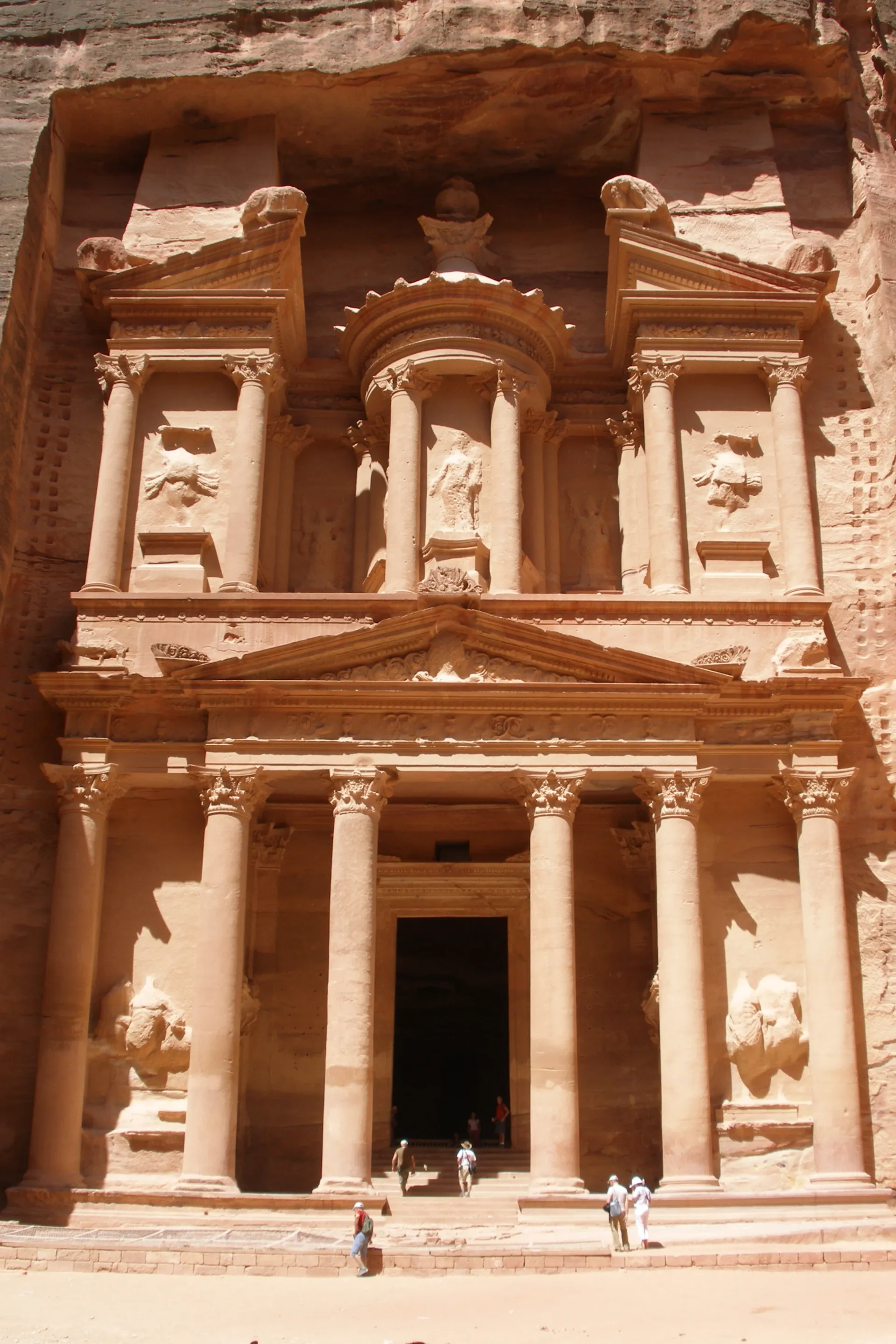
Local Bedouin communities always knew Petra was there; the wider world only rediscovered this rose-colored city carved directly into sandstone cliffs in 1812, when a Swiss explorer talked his way in disguised as a Muslim scholar, ending centuries of it being effectively lost to the West.
See full guide →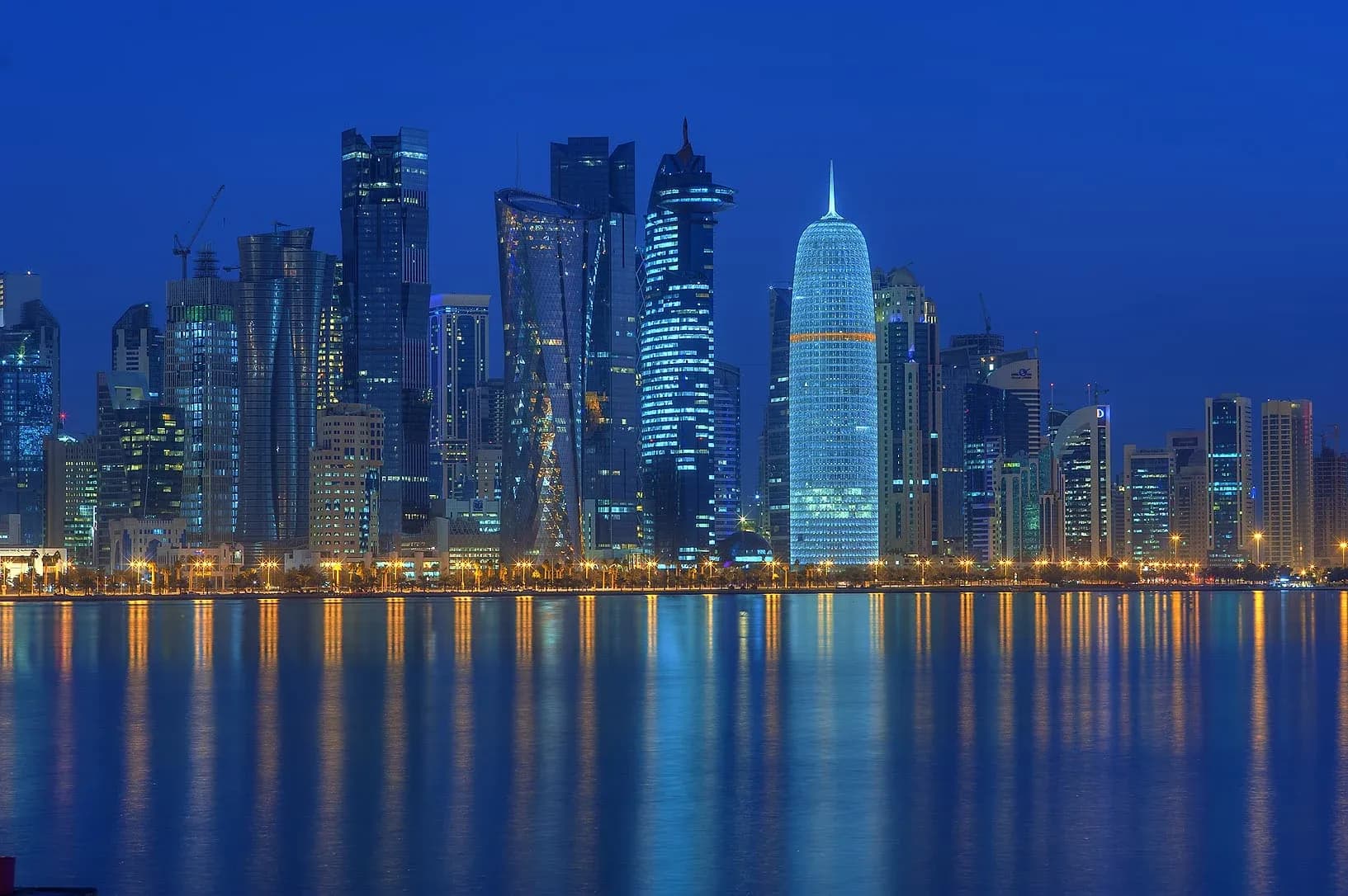 Doha
DohaDoha
Qatar
Doha went from a small pearl-diving and fishing port to hosting the 2022 FIFA World Cup, the first Middle Eastern country ever to do so, within a single lifetime — a transformation funded by natural gas reserves that turned a stretch of Gulf coastline into one of the highest GDP-per-capita economies on Earth.
See full guide →Comparing more than one route? See the full transport comparison guide.