Vietnam · Asia
Sapa
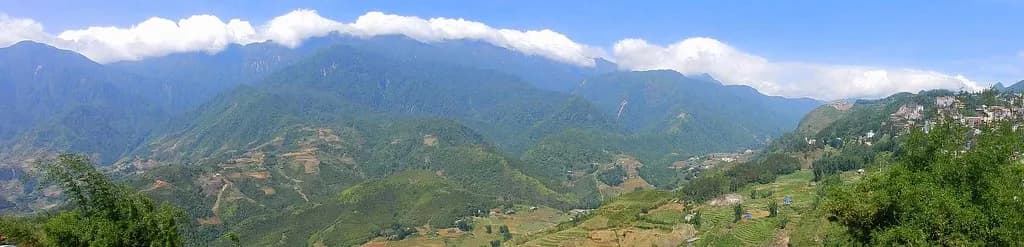
French colonial administrators built Sapa as a mountain hill station in the early 1900s to escape the lowland heat, and the town they left behind now serves as the gateway to Fansipan, the tallest peak in Indochina, reached today by what was, at completion in 2016, the world's longest three-rope cable car.
French colonial administrators established Sapa as a hill station in the early 1900s, drawn to its cool mountain climate as a refuge from the lowland heat of the rest of Vietnam, and the town's layout and some of its older architecture still carry traces of that colonial planning. What the French left behind has since grown into one of northern Vietnam's most visited mountain destinations, though its real draw extends well beyond the town itself.
Terraced rice fields, carved into the surrounding mountainsides over generations by local farming communities, define the landscape around Sapa, turning vivid green during the growing season and golden at harvest time each September. Trekking through these terraces, typically with a local guide, remains the most popular way to experience the region, passing through villages home to Hmong, Dao, Tay, and Giay communities, each maintaining distinct traditional dress, language, and customs.
Fansipan, at 3,147 meters, ranks as the tallest peak in Indochina, and until 2016 reaching its summit required a demanding multi-day trek. A cable car completed that year, the world's longest three-rope system at the time, now carries visitors from the Muong Hoa Valley to near the summit in under 20 minutes, opening the peak to a far wider range of visitors while still leaving the traditional trekking route available for those who want it.
Cat Cat Village, one of the closest and most accessible hill tribe villages to Sapa town, offers a shorter introduction to the region's ethnic minority culture and terraced landscape for visitors without time for a longer multi-day trek, including waterfalls and traditional craft demonstrations along its walking paths.
Sapa's cooler climate, genuinely cold at higher elevations during winter months, sets it apart from the tropical heat found through most of the rest of Vietnam, and that contrast, mountain trekking and terraced farmland rather than beaches and cities, gives it a distinct place on a broader Vietnam itinerary.
What a trip here actually costs
$28 / day avg.
- Guesthouse or homestay
- Local minibus transport
- Local Vietnamese and hill tribe-style meals
- Village trekking, low or no cost with a local guide
What to do at this tier
- • Sapa town and market walk, free
- • Short village trek through rice terraces, low guide cost
- • Cat Cat Village, low entry fee
$70 / day avg.
- 3-star hotel with mountain views
- Fansipan cable car round-trip ticket
- Guided multi-day trek with village homestay
- Sit-down restaurant meals
What to do at this tier
- • Fansipan cable car and summit visit
- • Multi-day guided trek with an overnight village homestay
- • Muong Hoa Valley rice terrace viewpoints
These are average estimates for planning purposes, not real-time prices — actual costs vary by season, availability, and how far ahead you book.
How to get there
Click anywhere on the world map — any airport works, not just our main hubs.
Click anywhere on the map above — any airport in the world works — to see estimated travel time and cost from there.
Times and prices are planning estimates, not live fares — always check a booking site before you commit. See the full Transport Comparison guide for the general tradeoffs of each mode.
Best time to visit
March-May and September-November bring the clearest views and most comfortable trekking conditions; the rice terraces are at their most vivid green in June and golden in September during harvest.
Safety notes
Generally safe; mountain weather changes quickly, and proper footwear matters for trekking on often muddy terraced paths.
Visa & currency
Vietnamese dong (VND). Most nationalities need an e-visa arranged in advance, typically valid for stays up to 90 days.
Questions people ask before visiting
Is Sapa worth visiting?
Yes — Sapa holds dramatic terraced rice fields carved into the surrounding mountains, direct access to trekking through villages of Hmong, Dao, and other hill tribe communities, and a cable car to Fansipan, the tallest peak in Indochina, all within a former French colonial hill station.
How do you get to the top of Fansipan?
A cable car, the world's longest three-rope system at the time of its 2016 completion, carries visitors from the Muong Hoa Valley near Sapa to near the summit of Fansipan, at 3,147 meters, in under 20 minutes, a route that previously required a multi-day trek.
What ethnic groups live around Sapa?
Several distinct hill tribe communities, including the Hmong, Dao, Tay, and Giay, live in villages across the mountains surrounding Sapa, each maintaining distinct traditional dress, language, and customs. Guided treks through the region typically pass through several of these villages.
How many days do you need in Sapa?
Three to four days covers a Fansipan cable car trip and at least one or two days of trekking through the surrounding rice terrace villages at a comfortable pace, with overnight homestays a popular option for longer treks.
Nearby destinations
 Hanoi
HanoiHanoi
Vietnam
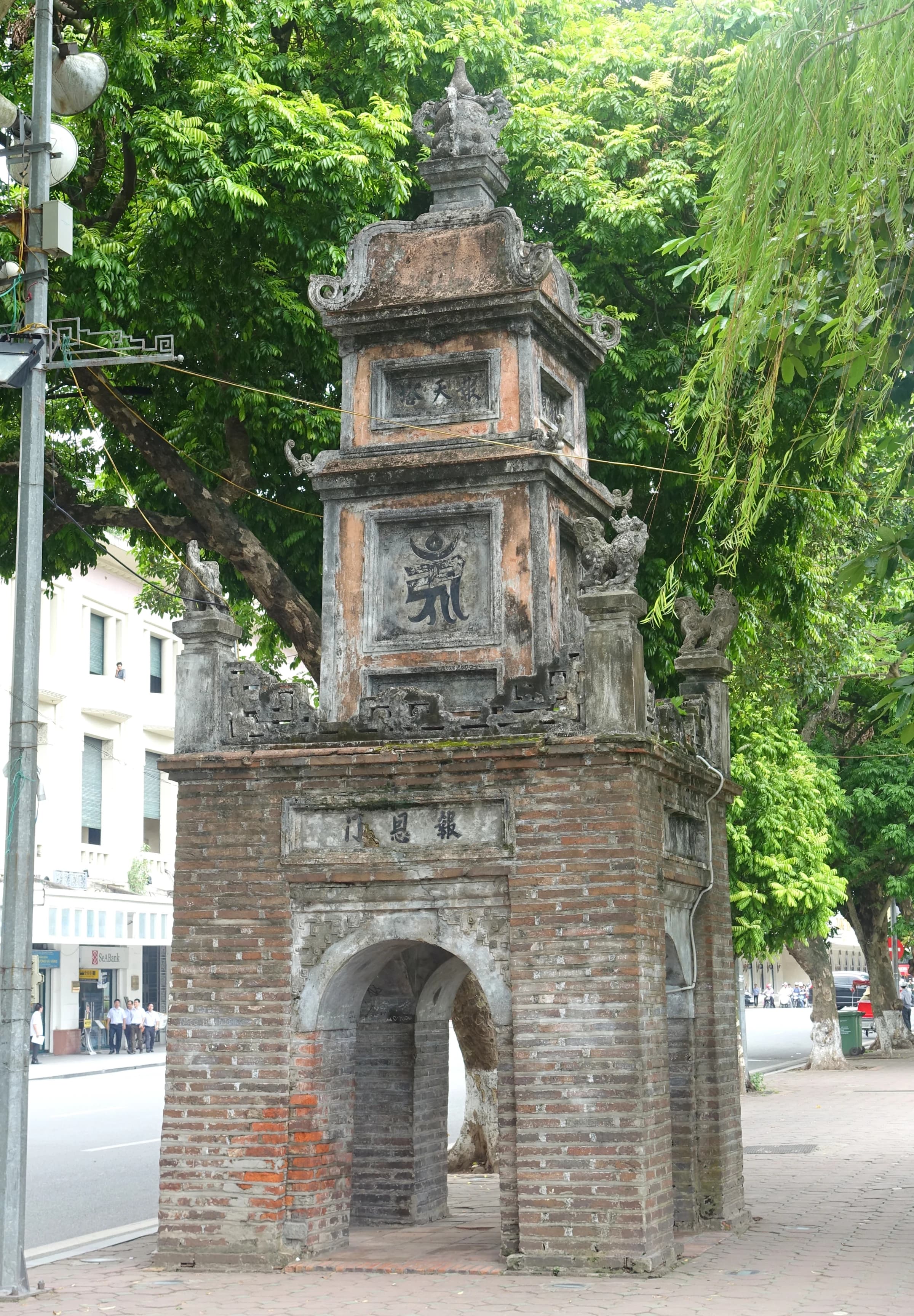
Vietnam's capital has been continuously inhabited since 1010, and a stretch of its Old Quarter still runs literal train tracks through a residential street lined with cafes close enough to touch the passing carriages — one of the more unusual ways a thousand-year-old city and modern viral tourism have collided.
See full guide →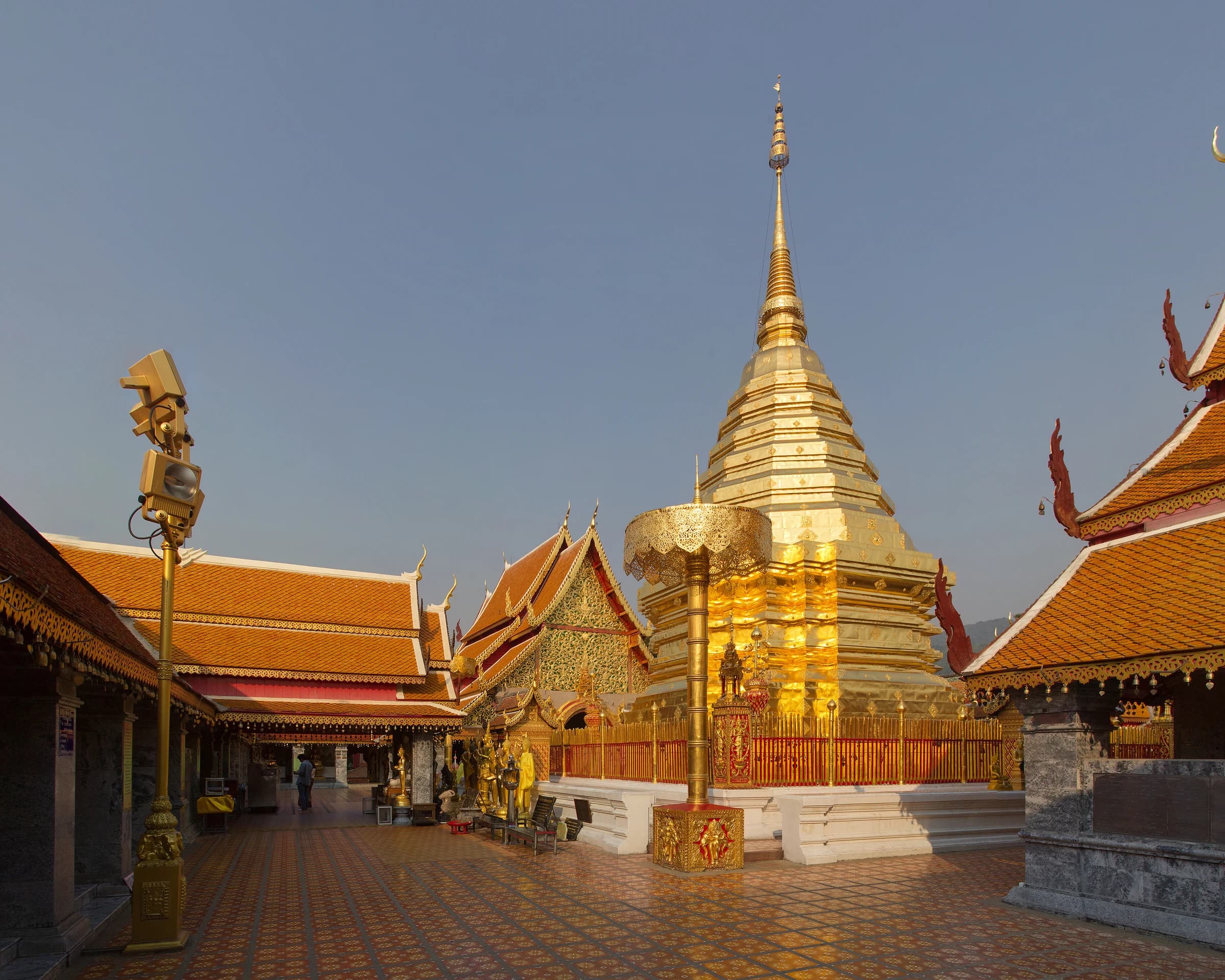 Chiang Mai
Chiang Mai
Thailand
Chiang Mai was founded in 1296 as the capital of the Lanna Kingdom, and its Old City still sits inside a nearly-complete square moat and the remnants of its original brick walls — a slower, mountain-ringed counterpoint to Bangkok that's become one of the world's most popular bases for long-term digital nomads.
See full guide →Comparing more than one route? See the full transport comparison guide.