Bahrain · Asia
Manama
Divers off Manama's coast once harvested pearls that supplied much of the world's market before Japanese cultured pearls collapsed the industry in the 1930s, and Bahrain's Formula 1 circuit, opened in 2004, now draws a genuinely different kind of global attention to an island nation that spent centuries known specifically for what came up from its seabed rather than what happens on its track.
Bahrain's surrounding waters once held some of the richest natural pearl oyster beds anywhere in the world, and pearl diving formed the economic backbone of the island for centuries, an industry involving thousands of divers working in genuinely dangerous conditions, free-diving repeatedly to harvest oysters from the seabed. That entire economy collapsed almost overnight in the 1920s and 1930s once Japan developed reliable cultured pearl production, undercutting the natural pearl market and forcing Bahrain toward alternative industries in the following decades, eventually including oil.
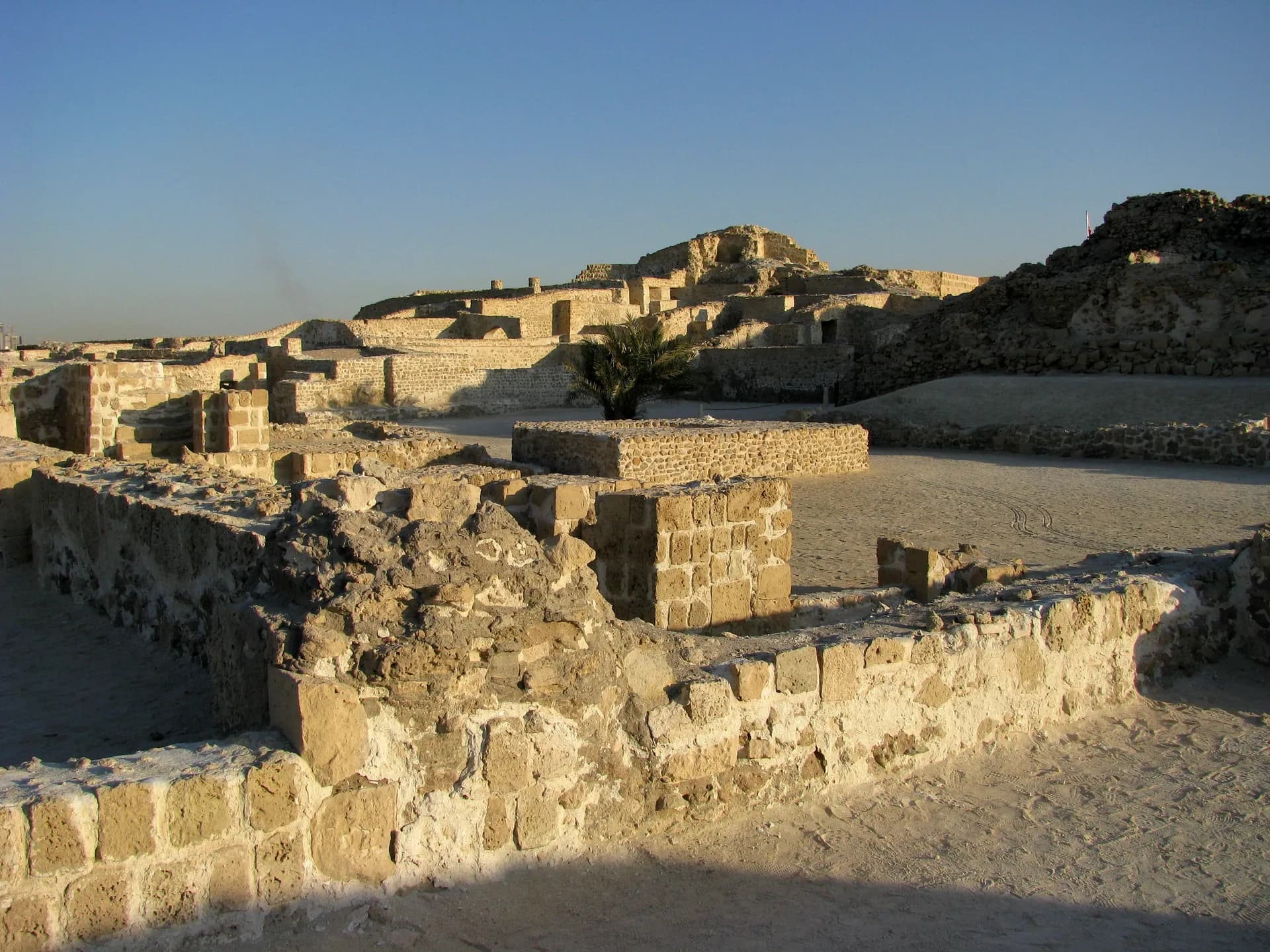
The Pearling Trail, a UNESCO World Heritage Site recognized in 2012, traces the physical remains of that pearling economy, including oyster beds, merchant houses, and Bahrain Fort, a site with archaeological layers stretching back roughly 4,000 years across multiple civilizations that occupied the location before Bahrain's more recent history took shape. The trail stands as one of the last substantial physical records anywhere of what was once a major global industry, now almost entirely vanished.
Bahrain International Circuit, opened in 2004, brought a genuinely different kind of international attention to the island, hosting the Bahrain Grand Prix as part of the Formula 1 calendar and positioning the country within a completely different global industry than the one that defined it for centuries. The circuit remains open for tours and events outside the racing calendar, drawing motorsport enthusiasts even when no Grand Prix is scheduled.
Manama itself functions as a genuinely accessible Gulf capital, smaller and less overwhelming in scale than nearby Dubai or Doha, with a walkable historic core around the Manama Souq offering a more traditional counterpart to the modern towers rising elsewhere in the city's financial district.
Bahrain's position as a small island nation connected to Saudi Arabia by a causeway has made it a genuinely convenient stop for visitors already exploring the wider Gulf region, offering pearling history, Formula 1 culture, and Gulf capital energy within a compact, easily covered destination.
What a trip here actually costs
$150 / day avg.
- 3-star hotel
- Local taxi transport
- Local and international restaurant meals
- Bahrain Fort and National Museum entry
What to do at this tier
- • Bahrain Fort (Qal'at al-Bahrain), UNESCO World Heritage Site, low entry fee
- • Bahrain National Museum
- • Manama Souq, free to browse
$380 / day avg.
- 4-5 star hotel
- Private guided Pearling Trail and fort tour
- Fine dining at a top Manama restaurant
- Bahrain International Circuit tour or race tickets, seasonal
What to do at this tier
- • Private guided Pearling Trail tour
- • Bahrain International Circuit tour or Grand Prix tickets, seasonal
- • Fine dining at a top Manama restaurant
These are average estimates for planning purposes, not real-time prices — actual costs vary by season, availability, and how far ahead you book.
How to get there
Click anywhere on the world map — any airport works, not just our main hubs.
Click anywhere on the map above — any airport in the world works — to see estimated travel time and cost from there.
Times and prices are planning estimates, not live fares — always check a booking site before you commit. See the full Transport Comparison guide for the general tradeoffs of each mode.
Best time to visit
November-March brings the mildest, most comfortable temperatures; summer regularly exceeds 40°C (104°F).
Safety notes
Very safe with low crime; standard conservative Gulf dress and behavior norms apply in public spaces.
Visa & currency
Bahraini dinar (BHD). Many nationalities can get a visa on arrival or e-visa, worth confirming based on passport before booking.
Questions people ask before visiting
Is Manama worth visiting?
Yes — Manama combines the UNESCO-listed Bahrain Fort and Pearling Trail, tracing centuries of the island's natural pearl diving industry, with the modern Bahrain International Circuit hosting Formula 1's Bahrain Grand Prix, and a genuinely accessible Gulf capital experience.
Why was Bahrain historically important for pearls?
Bahrain's surrounding waters held some of the richest natural pearl oyster beds in the world, and pearl diving formed the backbone of the island's economy for centuries before Japan's development of cultured pearls in the 1920s and 1930s collapsed the global natural pearl market almost overnight.
What is the Pearling Trail?
A UNESCO World Heritage Site tracing the historic infrastructure of Bahrain's pearl diving industry, including oyster beds, merchant houses, and Bahrain Fort, recognizing the island's role as one of the last remaining examples of this once-major global industry's physical legacy.
How many days do you need in Manama?
Two to three days covers Bahrain Fort, the Pearling Trail sites, and the Bahrain National Museum at a comfortable pace, with an additional day for the Formula 1 circuit if visiting during race season or for a general tour.
Nearby destinations
 Doha
DohaDoha
Qatar
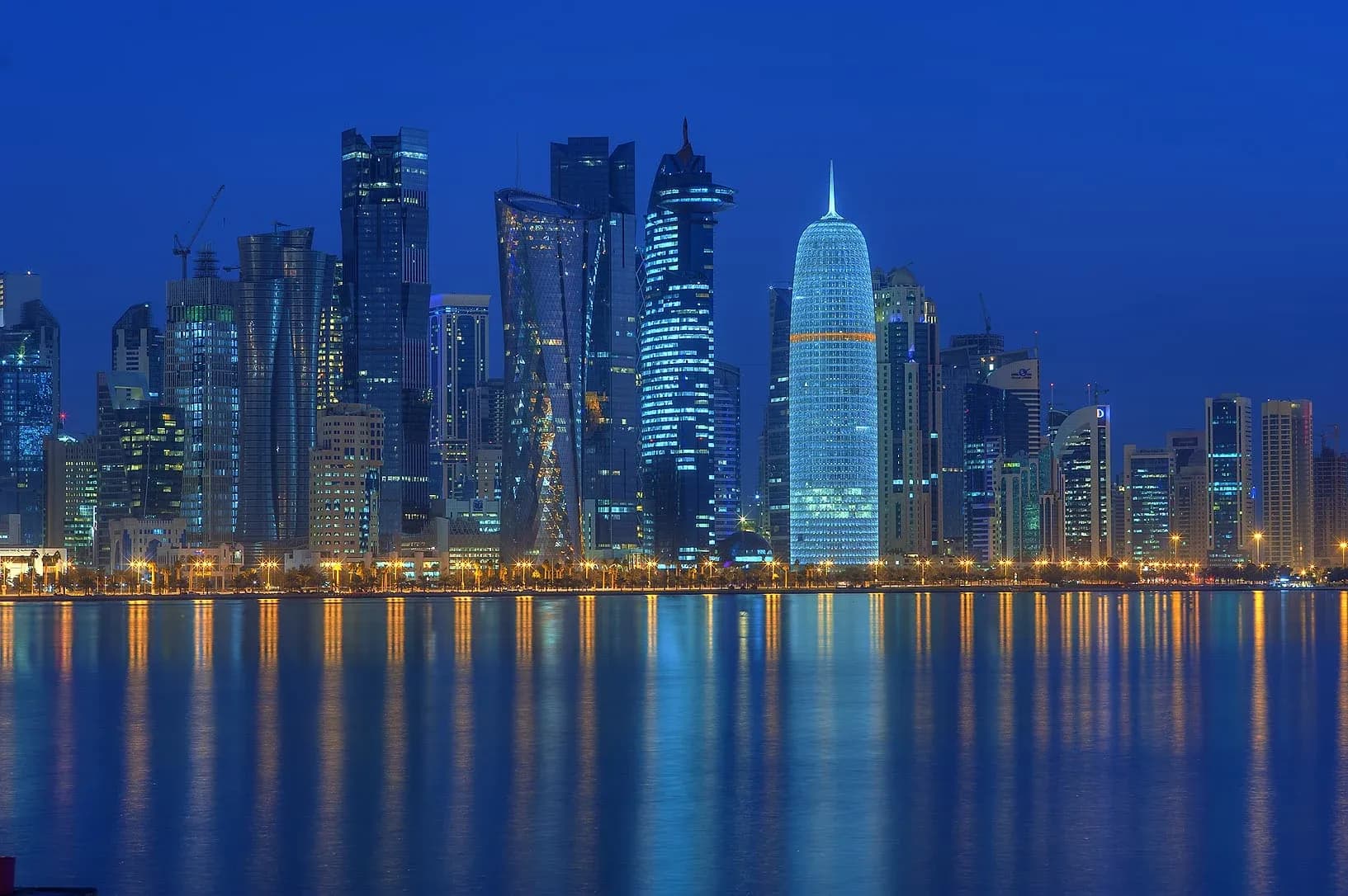
Doha went from a small pearl-diving and fishing port to hosting the 2022 FIFA World Cup, the first Middle Eastern country ever to do so, within a single lifetime — a transformation funded by natural gas reserves that turned a stretch of Gulf coastline into one of the highest GDP-per-capita economies on Earth.
See full guide →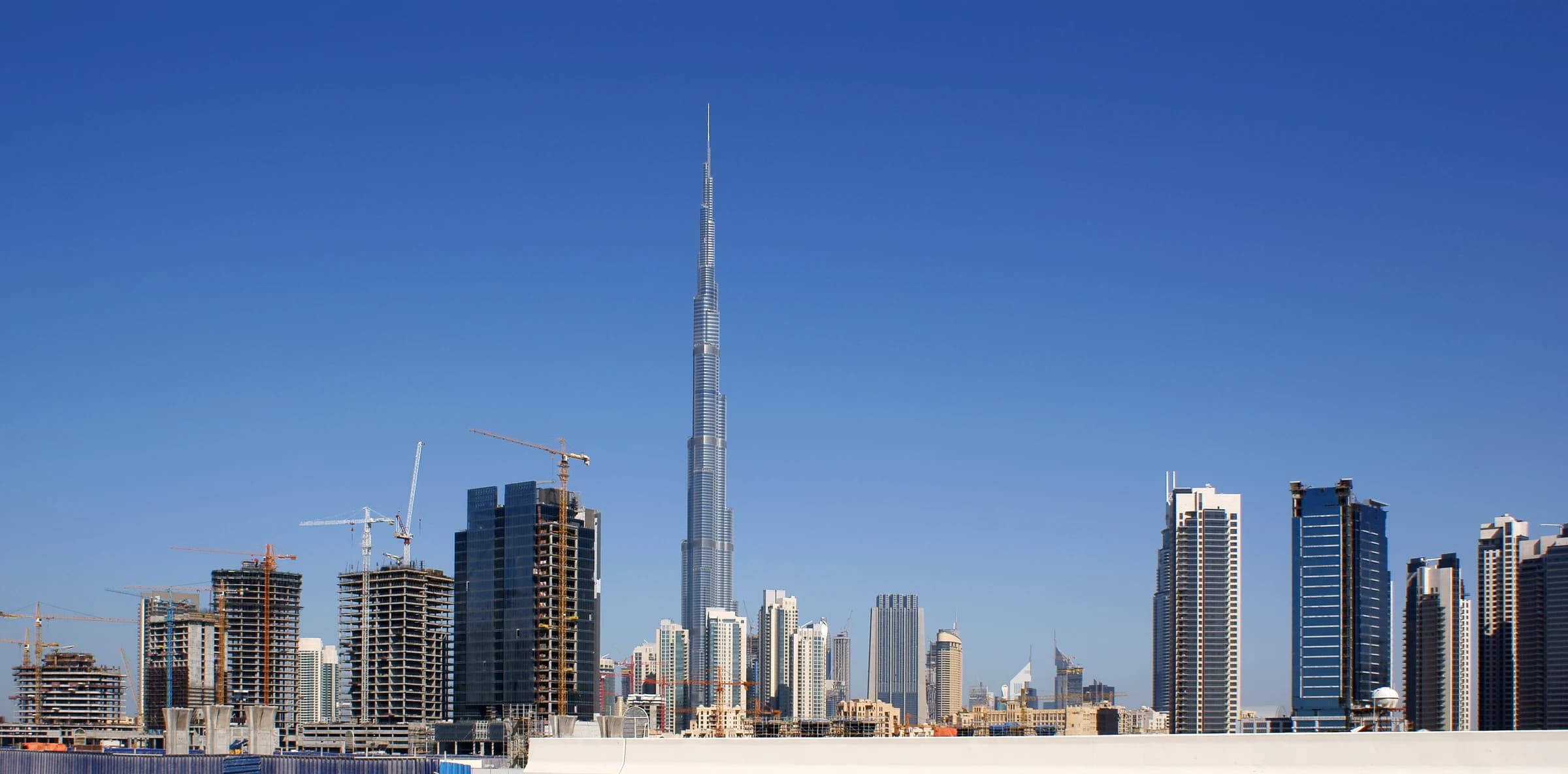 Dubai
DubaiDubai
United Arab Emirates
Less than sixty years ago Dubai was a small fishing and pearling village on the Persian Gulf; today it holds the Burj Khalifa, the tallest building on Earth, and an artificial palm-shaped archipelago visible from space — a transformation compressed into roughly a single working lifetime rather than the centuries most major cities took to build themselves.
See full guide →Comparing more than one route? See the full transport comparison guide.