South Korea · Asia
Busan
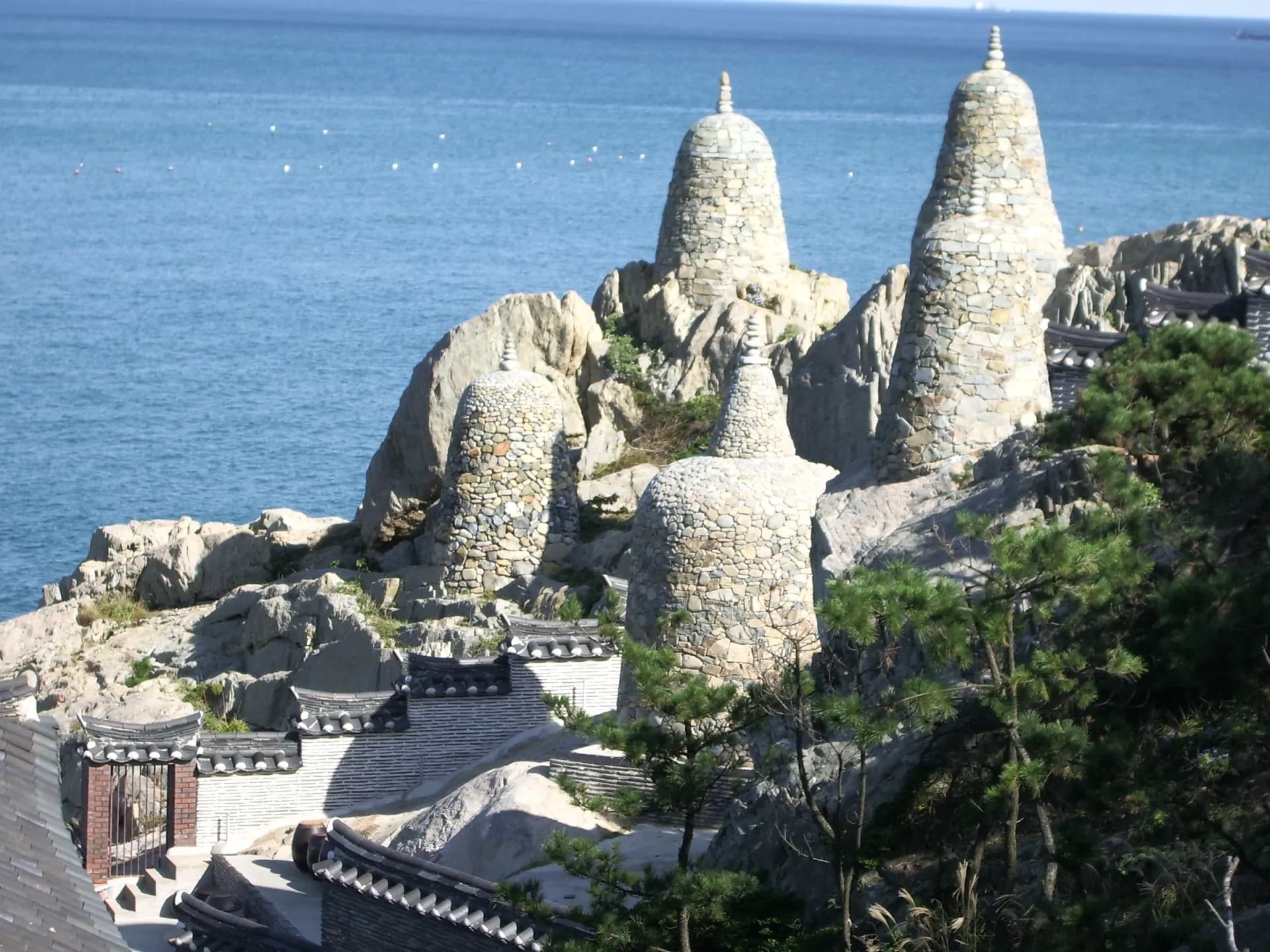
South Korea's second city built a temple directly into the coastal cliffs at Haedong Yonggungsa, unlike the mountain-set temples found almost everywhere else in the country, and that willingness to break from tradition runs through Busan generally, a port city of beaches, a mountainside village painted like a rainbow, and the country's largest fish market.
Haedong Yonggungsa temple breaks from the mountain-set tradition found almost everywhere else in Korean Buddhist architecture, built instead directly into rocky cliffs along Busan's coastline, with waves visible and audible from its courtyards. That willingness to place a temple somewhere unconventional captures something of Busan's broader character, a port city that's built its identity around the sea rather than following patterns set elsewhere in the country.
Haeundae Beach, one of Korea's most popular urban beaches, draws enormous summer crowds to a stretch of sand backed directly by high-rise hotels and apartment towers, a distinctly Korean version of the beach-city combination found in places like Miami or the Gold Coast. Outside peak summer months, the same beach offers a considerably quieter, more walkable stretch of coastline.
Gamcheon Culture Village began as a refugee settlement built during the Korean War, its small houses stacked along steep terraced hillsides in a maze of narrow alleys. Local art initiatives starting in the 2000s transformed the neighborhood with murals, sculptures, and small galleries, turning what was once one of Busan's poorest districts into one of its most visited, while residents continue to live in the same houses that inspired the transformation.
Jagalchi Market, South Korea's largest seafood market, has operated along Busan's waterfront for decades, its vendors selling live and fresh catch pulled directly from boats docked nearby. Visitors can buy seafood at the stalls and have it prepared immediately at small restaurants within the market, a direct, hands-on way to experience Busan's fishing economy rather than observing it from a distance.
Busan sits under 3 hours from Seoul by KTX high-speed train, making it one of the most straightforward add-ons to a Korea itinerary, and its noticeably slower, more coastal pace gives visitors a genuinely different side of the country than the capital's density and speed. Taejongdae, a cliffside park at the island's southern tip, adds a final coastal viewpoint, sheer drops down to the sea and, on clear days, views out toward Japan.
What a trip here actually costs
$50 / day avg.
- Guesthouse or hostel dorm
- Busan Metro day pass
- Street food and local restaurant meals
- Haeundae Beach and Gamcheon Culture Village, free
What to do at this tier
- • Haeundae Beach, free
- • Gamcheon Culture Village walking tour, free
- • Jagalchi Fish Market, free to browse
$120 / day avg.
- 3-star hotel near Haeundae
- Haedong Yonggungsa and Taejongdae guided tour
- Jagalchi Market seafood dinner
- Korean spa (jjimjilbang) visit
What to do at this tier
- • Haedong Yonggungsa coastal temple
- • Taejongdae cliffside park and lighthouse
- • Traditional Korean spa (jjimjilbang) experience
$300 / day avg.
- 4-5 star beachfront hotel
- Private guided city tour
- Fine dining Korean tasting menu
- Private boat tour along the coastline
What to do at this tier
- • Private guided city tour covering Haeundae, Gamcheon, and Jagalchi Market
- • Fine dining tasting menu at a top Busan restaurant
- • Private boat tour along Busan's coastline
These are average estimates for planning purposes, not real-time prices — actual costs vary by season, availability, and how far ahead you book.
How to get there
Click anywhere on the world map — any airport works, not just our main hubs.
Click anywhere on the map above — any airport in the world works — to see estimated travel time and cost from there.
Times and prices are planning estimates, not live fares — always check a booking site before you commit. See the full Transport Comparison guide for the general tradeoffs of each mode.
Best time to visit
April-June and September-November bring the mildest weather; summer brings beach season but also heat and humidity, and winters run cool but generally mild for Korea.
Safety notes
Very safe with low crime; standard water safety applies at Haeundae Beach during peak summer crowds.
Visa & currency
South Korean won (KRW). Many nationalities need a K-ETA (Korea Electronic Travel Authorization) arranged in advance for visa-free entry.
Questions people ask before visiting
Is Busan worth visiting?
Yes — Busan combines Haeundae Beach, one of Korea's most popular urban beaches, the coastal Haedong Yonggungsa temple, Gamcheon Culture Village's brightly painted hillside houses, and Jagalchi Market, the country's largest seafood market, all in a genuinely different pace from Seoul.
What is Gamcheon Culture Village?
A hillside neighborhood of small, colorfully painted houses stacked along steep terraces, originally a refugee settlement built during the Korean War. Local art initiatives in the 2000s transformed it into a vibrant, mural-covered destination while residents still live there.
How is Busan different from Seoul?
Busan is a coastal port city built around beaches, mountains, and fishing culture, with a noticeably slower, more relaxed pace than Seoul's dense urban energy. It's reachable from Seoul in under 3 hours by KTX high-speed train, making it a popular add-on to a Korea itinerary.
How many days do you need in Busan?
Three to four days covers Haeundae Beach, Gamcheon Culture Village, Jagalchi Market, and Haedong Yonggungsa at a comfortable pace, with time for the Busan Museum of Art or one of the city's traditional bathhouses.
Nearby destinations
 Seoul
SeoulSeoul
South Korea
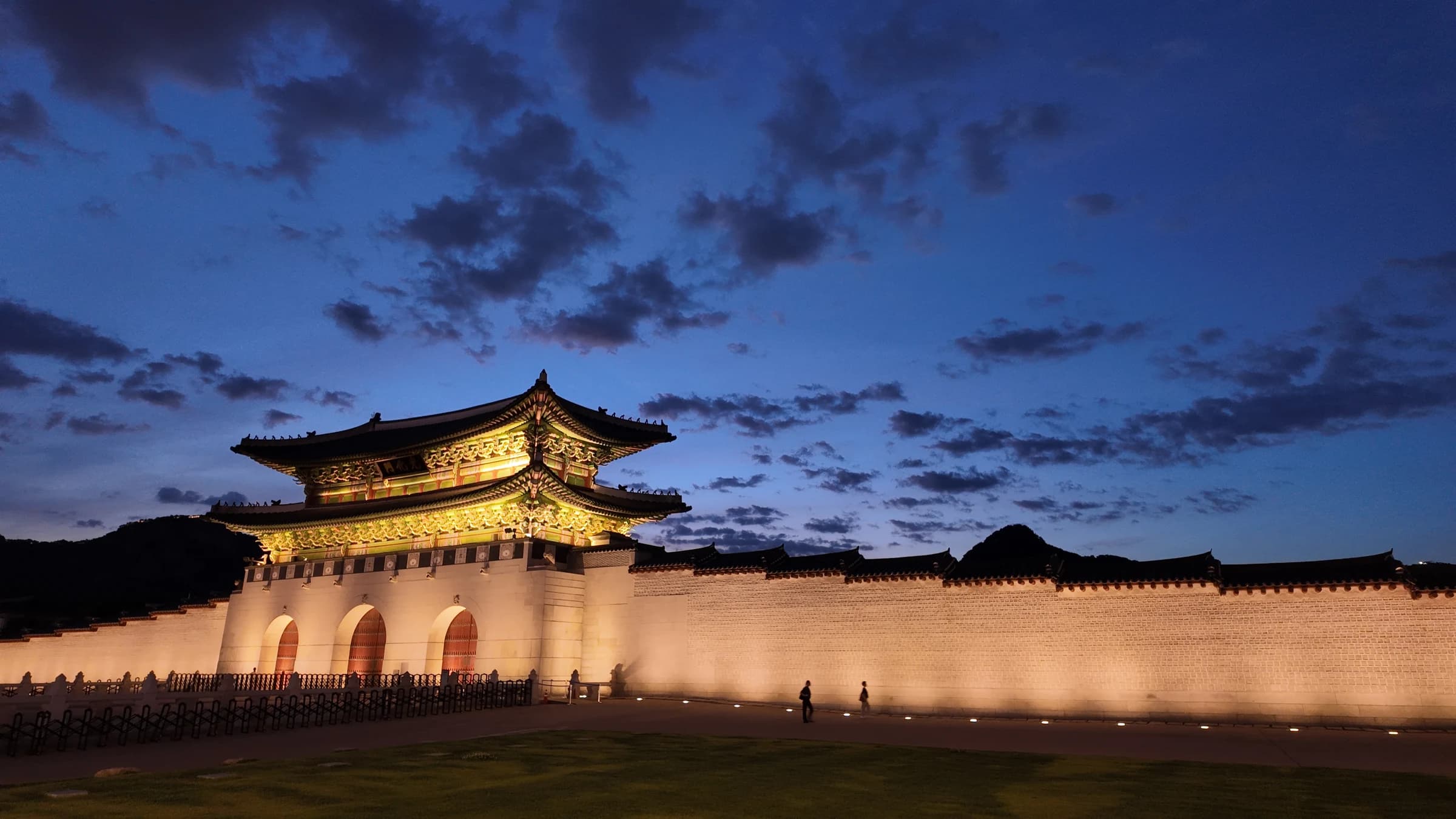
Seoul runs a daily royal guard changing ceremony outside a 600-year-old palace a short walk from the neighborhoods that produce most of the world's K-pop and K-drama exports — a capital where the Joseon Dynasty and one of the planet's most influential modern cultural exports sit within the same few city blocks.
See full guide →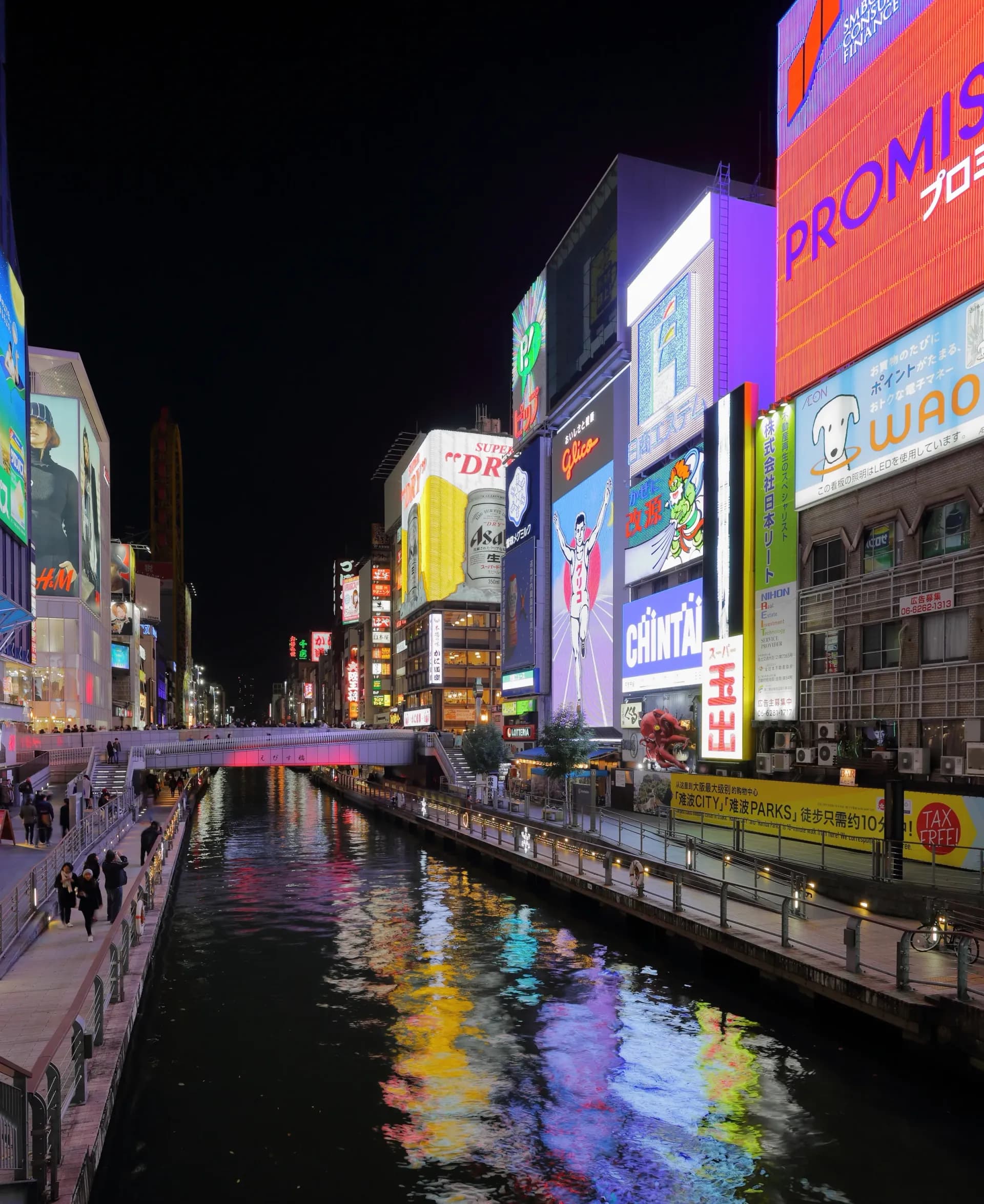 Osaka
OsakaOsaka
Japan
Osakans have a saying, kuidaore, roughly "eat until you drop," and the city built its entire identity around living up to it — a place where Tokyo's reserve gives way to loud neon signage shaped like crabs and blowfish, and a 16th-century castle sits a short walk from some of the densest, most competitive street food alleys in Japan.
See full guide →Comparing more than one route? See the full transport comparison guide.