China · Asia
Lhasa
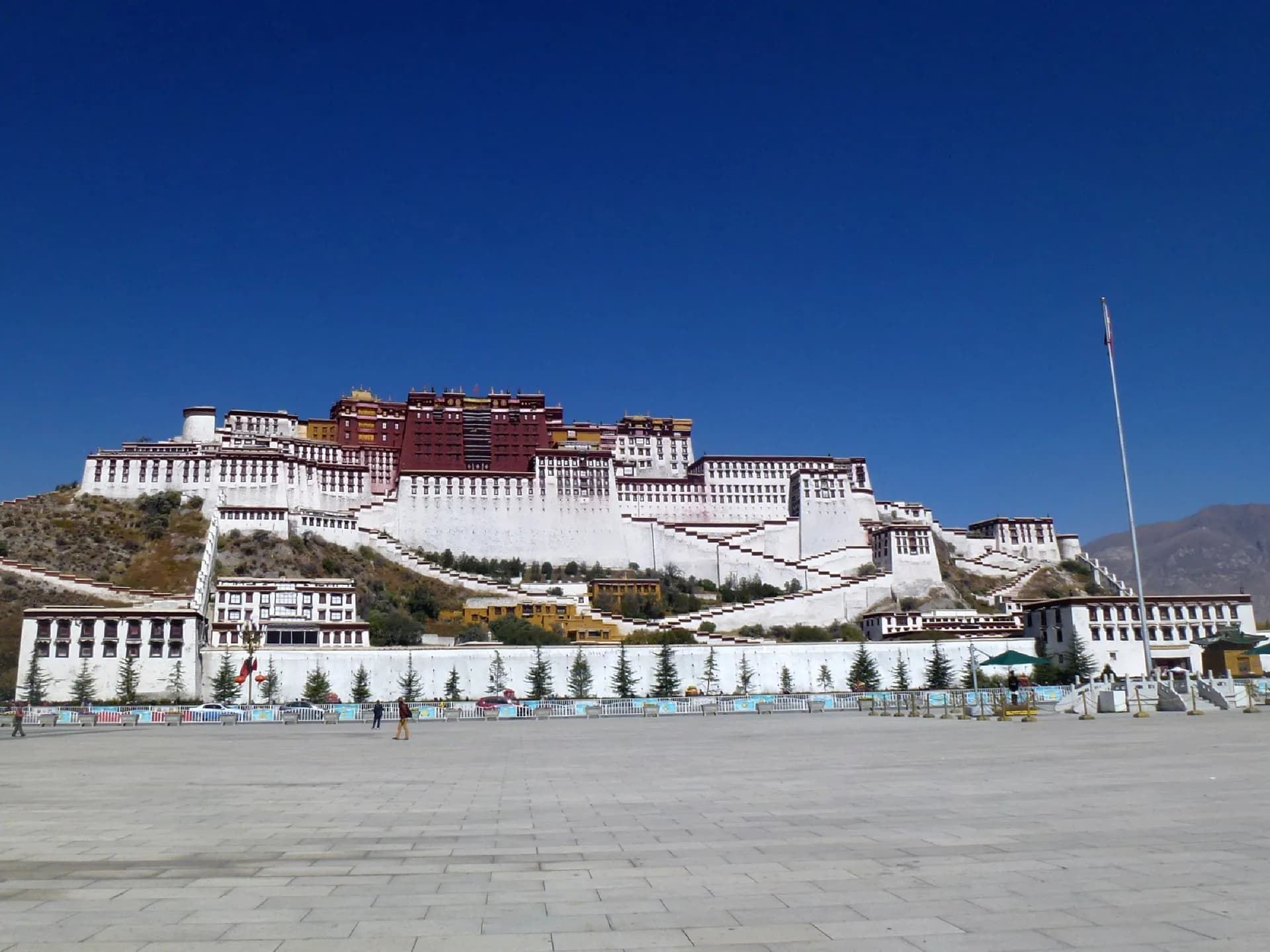
The Potala Palace rises across 13 stories and holds well over a thousand rooms on a hillside above Lhasa, built as the winter residence of the Dalai Lamas before the 14th Dalai Lama fled into exile in 1959 — a monument to a political and religious history so sensitive that visiting it today requires a special permit no other Chinese region asks for.
The Potala Palace rises 13 stories across a hillside above Lhasa, holding well over a thousand rooms built as the winter residence of successive Dalai Lamas, the spiritual and political leaders of Tibetan Buddhism. Its current form dates largely to the 17th century, though the site's religious significance predates that construction by centuries, and the building remains one of the most architecturally significant pieces of religious construction anywhere in the world, a UNESCO World Heritage Site since 1994.
That palace stands today as a museum rather than a functioning residence, following the 14th Dalai Lama's flight into exile in India in 1959 after a failed uprising against Chinese rule over Tibet. He has lived in exile ever since, and the political and religious history behind that departure remains a genuinely sensitive subject, one that shapes the entire framework for visiting the region today.
Foreign visitors to Tibet need a Tibet Travel Permit in addition to a standard Chinese visa, arranged exclusively through a licensed Tibetan tour operator, and independent travel without an assigned guide isn't permitted for foreign nationals, a meaningfully different process than visiting anywhere else in China. That structure means a Lhasa trip requires more advance planning and arrangement than most other stops on an Asia itinerary.
Jokhang Temple, considered the most sacred temple in Tibetan Buddhism, sits at the spiritual center of the old city, and Barkhor Street, the pilgrimage circuit circling it, remains in constant use by pilgrims performing kora, a devotional circumambulation, many prostrating themselves along the route as an act of religious devotion, a direct and moving display of living faith rather than a historical reenactment.
Lhasa sits at roughly 3,656 meters elevation, genuinely high enough that altitude sickness poses a real risk for visitors arriving without acclimatization, and most tour itineraries deliberately build in a slower first day or two to let visitors adjust before more demanding sightseeing, a practical necessity layered on top of the permit requirements that already shape how a visit here has to be planned.
What a trip here actually costs
$150 / day avg.
- 3-star hotel, arranged through a licensed tour operator
- Required licensed guide and permit fees
- Local Tibetan and Chinese restaurant meals
- Potala Palace and Jokhang Temple entry
What to do at this tier
- • Potala Palace guided tour, entry included in tour packages
- • Jokhang Temple, the most sacred temple in Tibetan Buddhism
- • Barkhor Street pilgrimage circuit walk
These are average estimates for planning purposes, not real-time prices — actual costs vary by season, availability, and how far ahead you book.
How to get there
Click anywhere on the world map — any airport works, not just our main hubs.
Click anywhere on the map above — any airport in the world works — to see estimated travel time and cost from there.
Times and prices are planning estimates, not live fares — always check a booking site before you commit. See the full Transport Comparison guide for the general tradeoffs of each mode.
Best time to visit
April-June and September-October bring the mildest weather and clearest mountain views; winters are severely cold at this elevation.
Safety notes
Altitude sickness is a genuine risk at 3,656 meters; take the first days easy and stay hydrated. Foreign visitors must arrange travel through a licensed tour operator with a Tibet Travel Permit, and independent travel isn't permitted.
Visa & currency
Chinese yuan (CNY/RMB). Requires a standard Chinese visa plus a separate Tibet Travel Permit, both arranged in advance through a licensed tour operator.
Questions people ask before visiting
Is Lhasa worth visiting?
Yes for travelers prepared for the logistics — Lhasa holds the Potala Palace, one of the most significant pieces of religious architecture in the world, and the sacred Jokhang Temple, but visiting requires a Tibet Travel Permit and a licensed tour arrangement in addition to a standard Chinese visa.
What is the Tibet Travel Permit?
A special permit required for all foreign visitors to Tibet in addition to a standard Chinese visa. It must be arranged through a licensed Tibetan tour operator, and independent travel without a guide isn't permitted for foreign nationals, a genuinely different process than visiting the rest of China.
What happened to the Dalai Lama?
The 14th Dalai Lama fled Tibet for India in 1959 following a failed uprising against Chinese rule, and he has lived in exile ever since. The Potala Palace, his former winter residence, remains standing in Lhasa as a museum and UNESCO World Heritage Site.
Is altitude sickness a concern in Lhasa?
Yes, genuinely — Lhasa sits at roughly 3,656 meters elevation, and altitude sickness is a real risk for visitors arriving without acclimatization. Taking the first day or two easy, staying hydrated, and avoiding overexertion immediately after arrival are standard precautions.
Nearby destinations
 Kathmandu
Kathmandu
Nepal
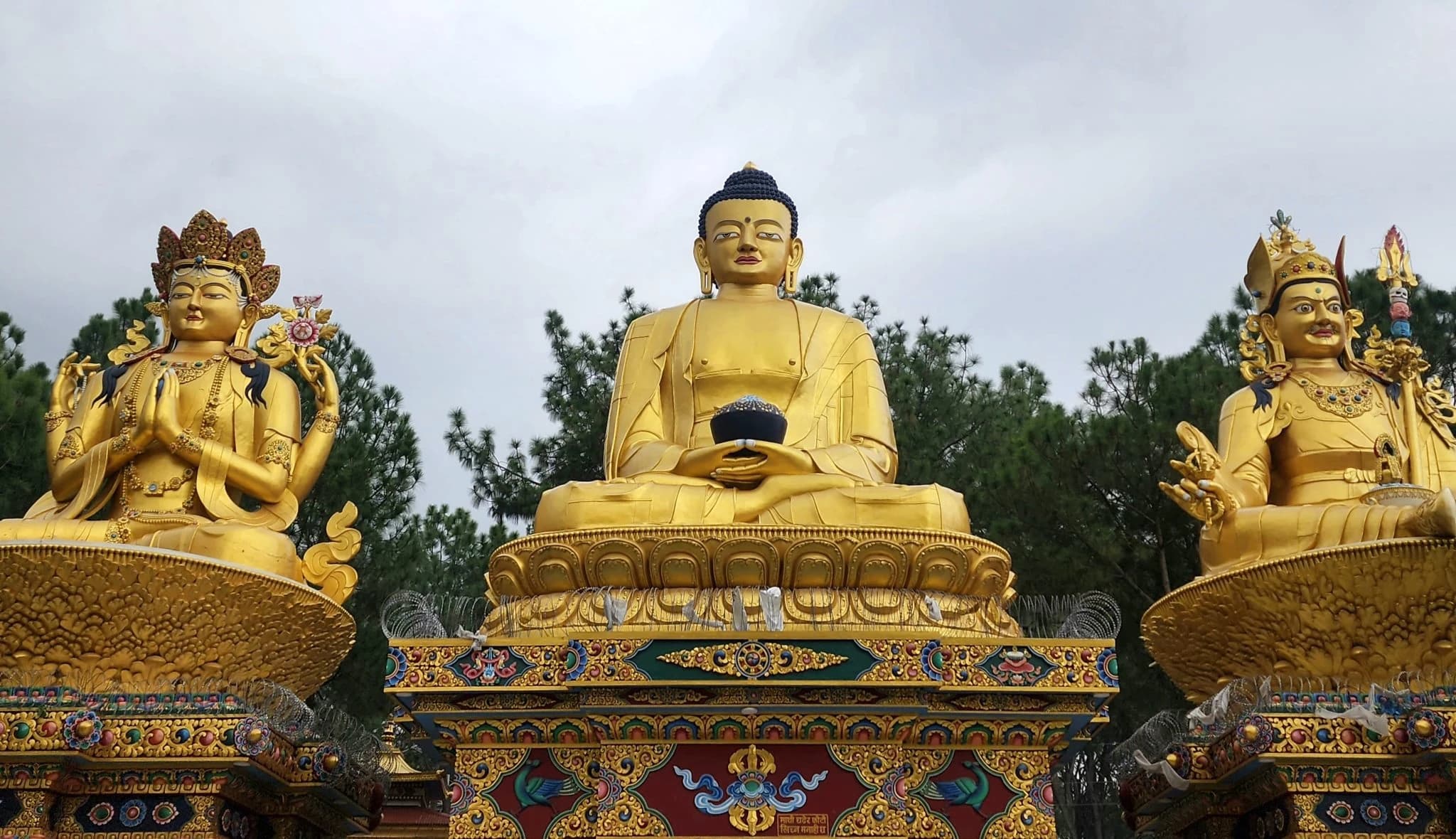
Kathmandu Valley packs seven separate UNESCO-listed monument zones into a single basin — Durbar Squares, the all-seeing eyes of Swayambhunath, one of the largest stupas in the world at Boudhanath — and still serves as the starting point for nearly everyone attempting to reach the world's highest mountains.
See full guide →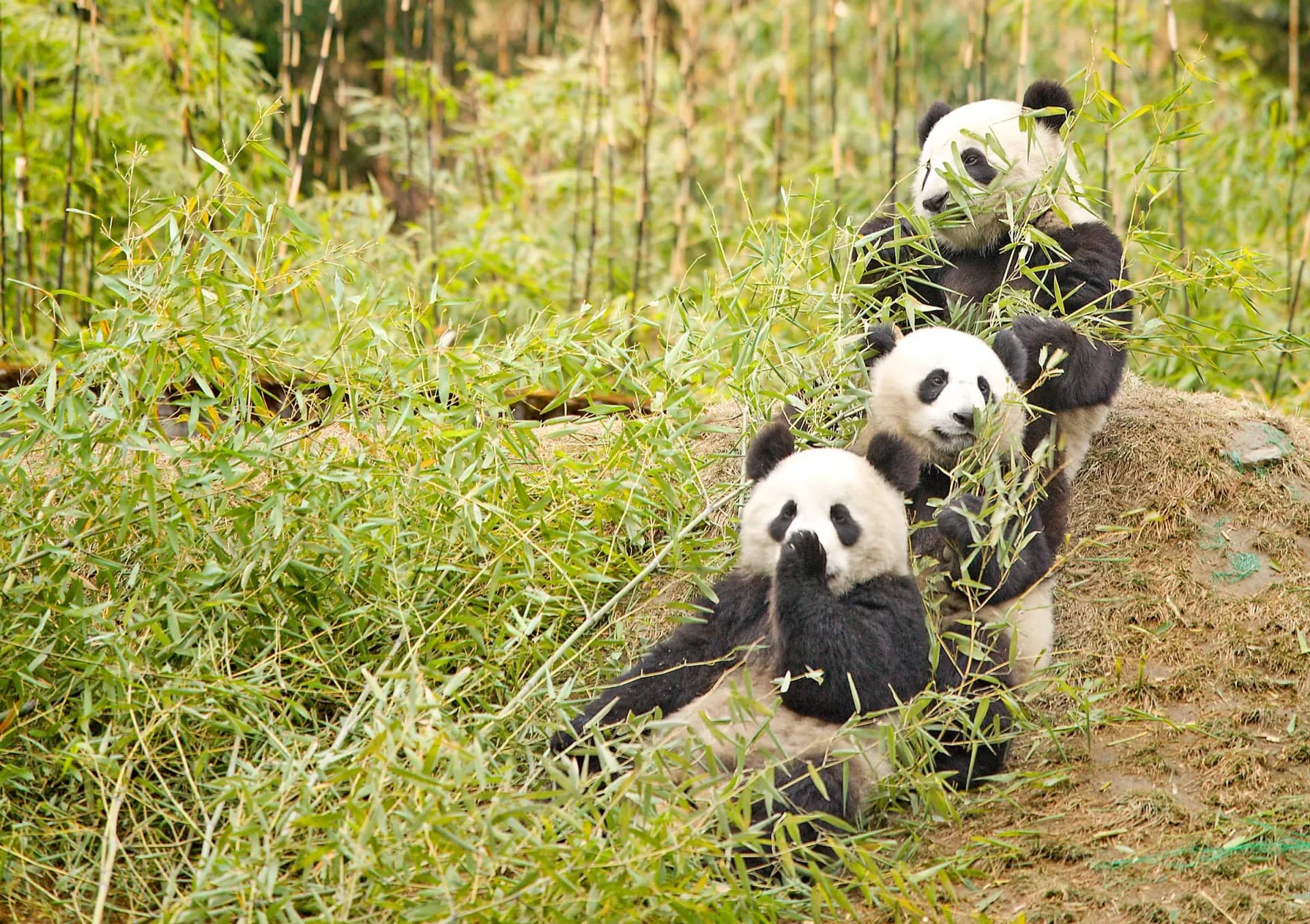 Chengdu
Chengdu
China
Chengdu Research Base has bred giant pandas successfully enough that the species' wild population has climbed from endangered toward vulnerable, and visitors who show up before 9am get to watch the pandas at their most active, before the midday heat sends them into the naps they spend most of the day taking anyway.
See full guide →Comparing more than one route? See the full transport comparison guide.