Philippines · Asia
Manila
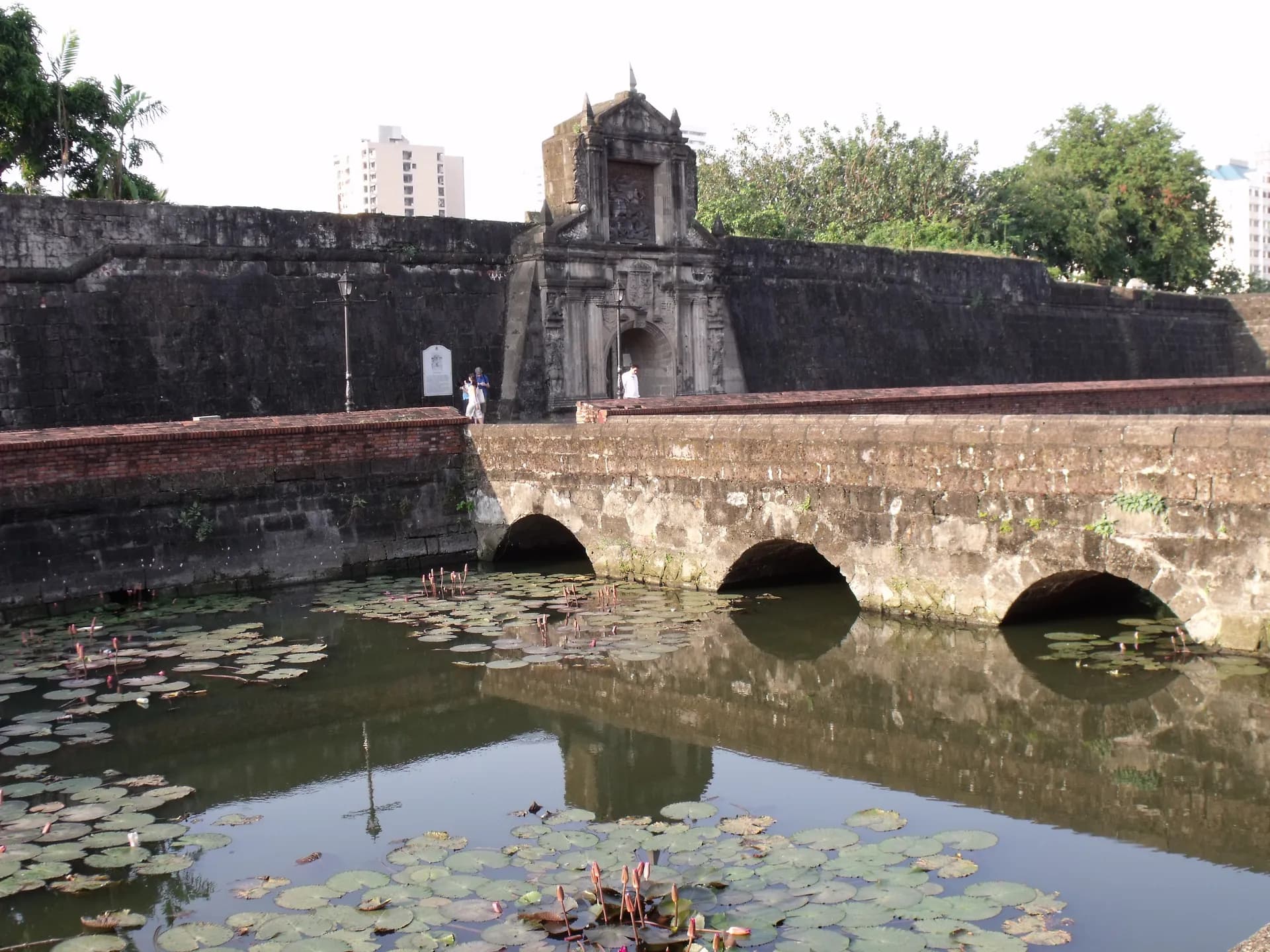
Intramuros, Manila's walled old city, was built by Spanish colonizers in the 16th century and survived roughly 350 years of colonial rule, only to be almost entirely destroyed during a single month of WWII urban combat in 1945, one of the most devastated Allied-liberated cities of the entire war, leaving a historic core that's spent the eight decades since piecing itself back together.
Intramuros, Manila's walled old city, was built by Spanish colonizers starting in the 16th century and survived roughly 350 years of colonial administration, standing through Spanish, then American rule as the historic and administrative heart of the city. That survival ended abruptly in February 1945, when the Battle of Manila, a month of brutal urban combat between American and Japanese forces, destroyed most of the district and killed an estimated 100,000 civilians, making it one of the most devastated Allied-liberated cities anywhere in WWII.
Fort Santiago, a citadel within Intramuros, holds particular significance as the site where Filipino national hero José Rizal was imprisoned before his 1896 execution by Spanish authorities, an event that helped galvanize the Philippine independence movement. The fort's dungeons and grounds remain open to visitors today, presenting that history directly alongside the broader WWII destruction the district experienced decades later.
Rizal Park, named for that same national hero, anchors much of central Manila's public space, and Binondo, established by Spanish colonizers in 1594 specifically to house Chinese traders, holds a strong claim to being the oldest Chinatown in the world, its centuries-old presence predating similar Chinese immigrant districts in most other major world cities.
Manila's food scene reflects the country's genuinely layered colonial and trading history, Spanish, Chinese, American, and Malay influences all visible in dishes ranging from adobo to lumpia, and the city's density of both street food stalls and increasingly ambitious fine dining has made it a genuine culinary destination in its own right, separate from the beach and diving reputation that defines most of the rest of the Philippines internationally.
As the country's political and commercial capital, Manila runs at a noticeably different pace than the Philippines' island destinations, dense traffic, a sprawling metropolitan population, and genuine urban energy that most visitors experience as a brief stop before continuing on to Boracay, El Nido, or Cebu's beaches and reefs.
What a trip here actually costs
$30 / day avg.
- Budget hotel or hostel
- Jeepney or local transport
- Street food and casual restaurant meals
- Intramuros walking tour, low entry fee
What to do at this tier
- • Intramuros walking tour, low entry fee for specific sites
- • Rizal Park, free
- • Binondo, one of the world's oldest Chinatowns, free to walk
$80 / day avg.
- 3-star hotel
- Guided Intramuros and WWII history tour
- Sit-down Filipino restaurant dinners
- Rizal Park and National Museum entry
What to do at this tier
- • Guided Intramuros and Fort Santiago WWII history tour
- • National Museum of the Philippines
- • Filipino food tour across multiple neighborhoods
$220 / day avg.
- 4-5 star hotel
- Private guided city history tour
- Fine dining Filipino tasting menu
- Private car and driver for the day
What to do at this tier
- • Private guided city and history tour
- • Fine dining tasting menu at a top Manila restaurant
- • Private car and driver for a custom day itinerary
These are average estimates for planning purposes, not real-time prices — actual costs vary by season, availability, and how far ahead you book.
How to get there
Click anywhere on the world map — any airport works, not just our main hubs.
Click anywhere on the map above — any airport in the world works — to see estimated travel time and cost from there.
Times and prices are planning estimates, not live fares — always check a booking site before you commit. See the full Transport Comparison guide for the general tradeoffs of each mode.
Best time to visit
December-February brings the coolest, driest weather; the wet season runs roughly June-November with typhoon risk.
Safety notes
Generally safe in main tourist and business districts with standard city precautions; Manila's traffic is notoriously heavy, so build extra time into any itinerary.
Visa & currency
Philippine peso (PHP). Many nationalities can enter visa-free for tourism up to 30 days, worth confirming based on passport before booking.
Questions people ask before visiting
Is Manila worth visiting?
Yes — Manila holds Intramuros, the reconstructed Spanish-colonial walled old city, alongside significant WWII history, a genuinely energetic food and nightlife scene, and its role as the Philippines' political and commercial capital, distinct from the beach-focused islands most visitors associate with the country.
What happened to Manila during WWII?
The Battle of Manila in February 1945 destroyed much of the city during a month of intense urban combat between American and Japanese forces, killing an estimated 100,000 civilians and leveling most of Intramuros and the historic core, making it one of the most devastated Allied-liberated cities of the entire war.
How is Manila different from the Philippines' beach destinations?
Manila functions as the country's dense, chaotic political and commercial capital, offering history, food, and urban energy rather than the beaches and diving that draw most visitors to destinations like Boracay, El Nido, or Cebu's islands.
How many days do you need in Manila?
Two to three days covers Intramuros, Rizal Park, and the city's food scene at a comfortable pace, and most visitors treat it as a transit point or short stop before continuing to the Philippines' island destinations.
Nearby destinations
 Boracay
Boracay
Philippines
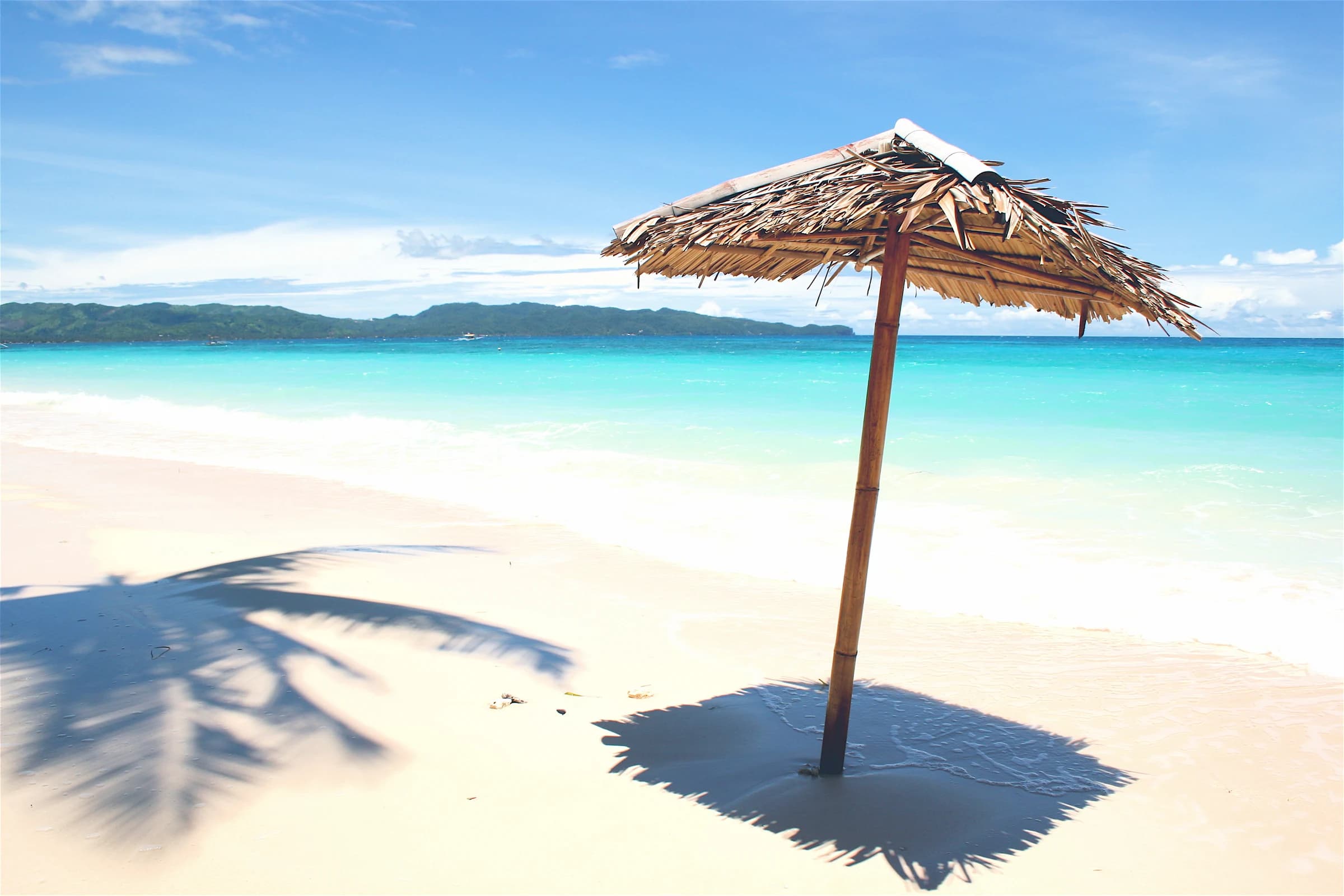
In 2018 the Philippine government shut Boracay down entirely for six months, banning all tourists from an island barely 10 square kilometers in size, to fix a sewage and overcrowding problem that had been quietly ruining the exact beach everyone came for.
See full guide →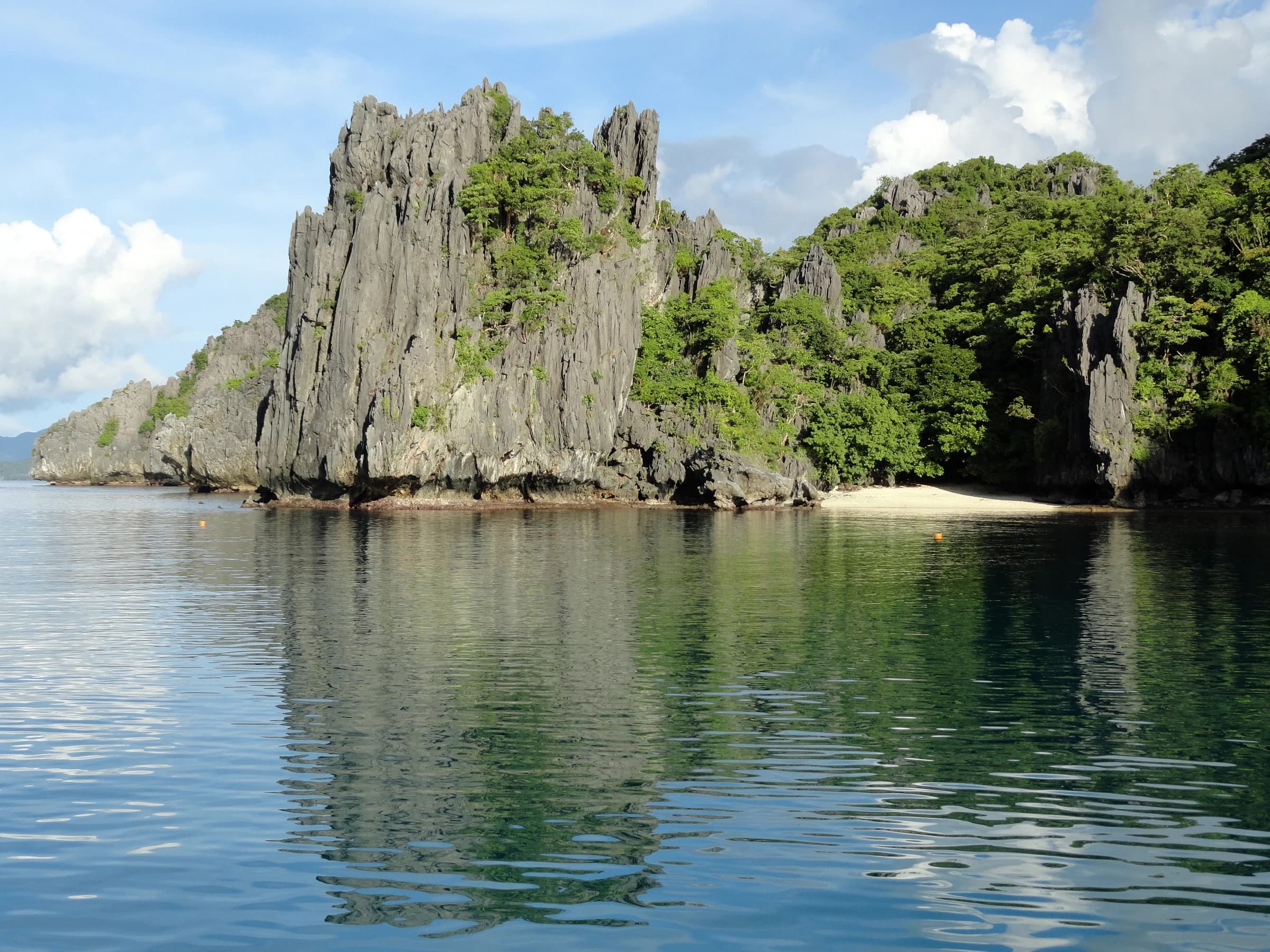 El Nido
El Nido
Philippines
Palawan keeps topping "best island in the world" reader polls year after year, and El Nido, its limestone-cliffed gateway to the Bacuit Archipelago's hidden lagoons, is the reason a chain of islands most people couldn't place on a map has become genuinely hard to book last-minute.
See full guide →Comparing more than one route? See the full transport comparison guide.