Guide
Best Budget European Cities to Visit
Not every European trip has to run through the expensive capitals — these cities consistently deliver more for less, without feeling like a compromise.
Budget travel in Europe doesn't have to mean cutting corners on what you actually see — it mostly means picking cities where the baseline cost of everything, not just tourist attractions, runs lower. These consistently come out as some of the better value options among the destinations we've covered so far.
Krakow and Budapest: Central Europe's clearest value
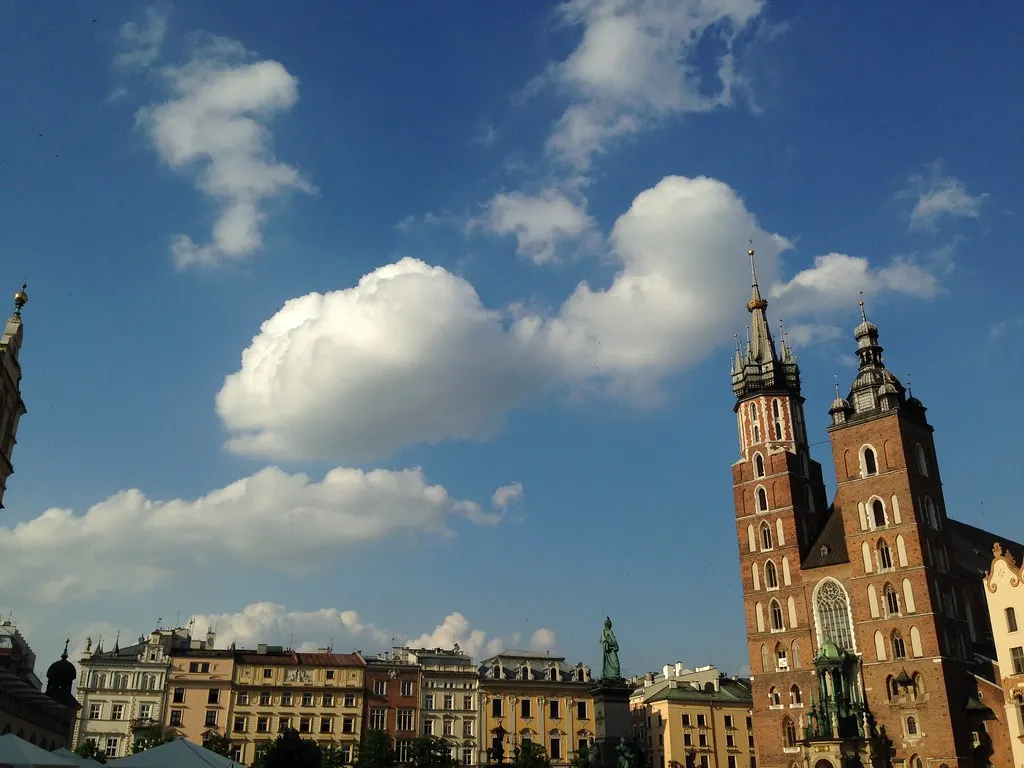
Krakow runs around $35 a day on a genuinely comfortable budget — a hostel, tram pass, and meals at milk bars (subsidized cafeteria-style spots that are a real local institution, not a tourist gimmick) rather than sit-down restaurants. The historic center survived the 20th century largely intact, so the value isn't a tradeoff against seeing less — the Main Market Square, Wawel Castle, and Kazimierz are all still there.
Budapest sits close behind at roughly $38 a day, and the thermal baths — a genuine, centuries-old local institution rather than a tourist add-on — cost a fraction of what a comparable spa experience runs in Western Europe.
Prague, still cheap despite the crowds
Prague gets more tourist traffic than Krakow or Budapest, which usually pushes prices up, but at around $40 a day it remains noticeably cheaper than Western European capitals. Beer specifically is a standout — Czechia has the highest per-capita beer consumption in the world, and a half-liter at a proper pub often costs less than the bottled water at the same place.
Portugal: Western Europe's exception to the rule
Most of Western Europe runs more expensive than Central Europe, but Lisbon and Porto are real exceptions. Lisbon comes in around $55 a day on a budget basis, Porto slightly less — both noticeably cheaper than Spain, France, or Italy, while still delivering a genuinely major European capital and its smaller, equally rewarding northern counterpart.
Seville: Southern Spain's value pick
Seville runs about $50 a day on a budget basis, cheaper than Barcelona or Madrid despite offering some of Spain's most significant Moorish and Gothic architecture — the cathedral and the Real Alcázar alone justify the trip, and neither costs more here than the equivalent sights would in a pricier Spanish city.
Why these cities stay cheap
The pattern across all of these is less about tourist-specific pricing and more about the underlying cost of living — food, transit, and accommodation all sit lower than the Western European average independent of tourism. That's a more durable kind of affordability than a temporary exchange-rate dip or an off-season discount; it tends to hold up across different times of year and different types of spending.
For the full cost breakdown by tier — what a day actually includes at budget, mid-range, and luxury — each city's own guide has the details: Krakow, Budapest, Prague, Lisbon, Porto, and Seville.
Destinations mentioned in this guide
KrakowKrakow
Poland
A trumpet call cuts off mid-note every hour from the tallest tower of St. Mary's Basilica, a tradition dating back to a watchman supposedly shot mid-warning during a 13th-century invasion.
See full guide → Budapest
Budapest
Hungary
Two cities merged into one in 1873 — Buda's hills on one bank, Pest's flat grid on the other — and you can still feel the seam every time you cross the Chain Bridge between them.
See full guide →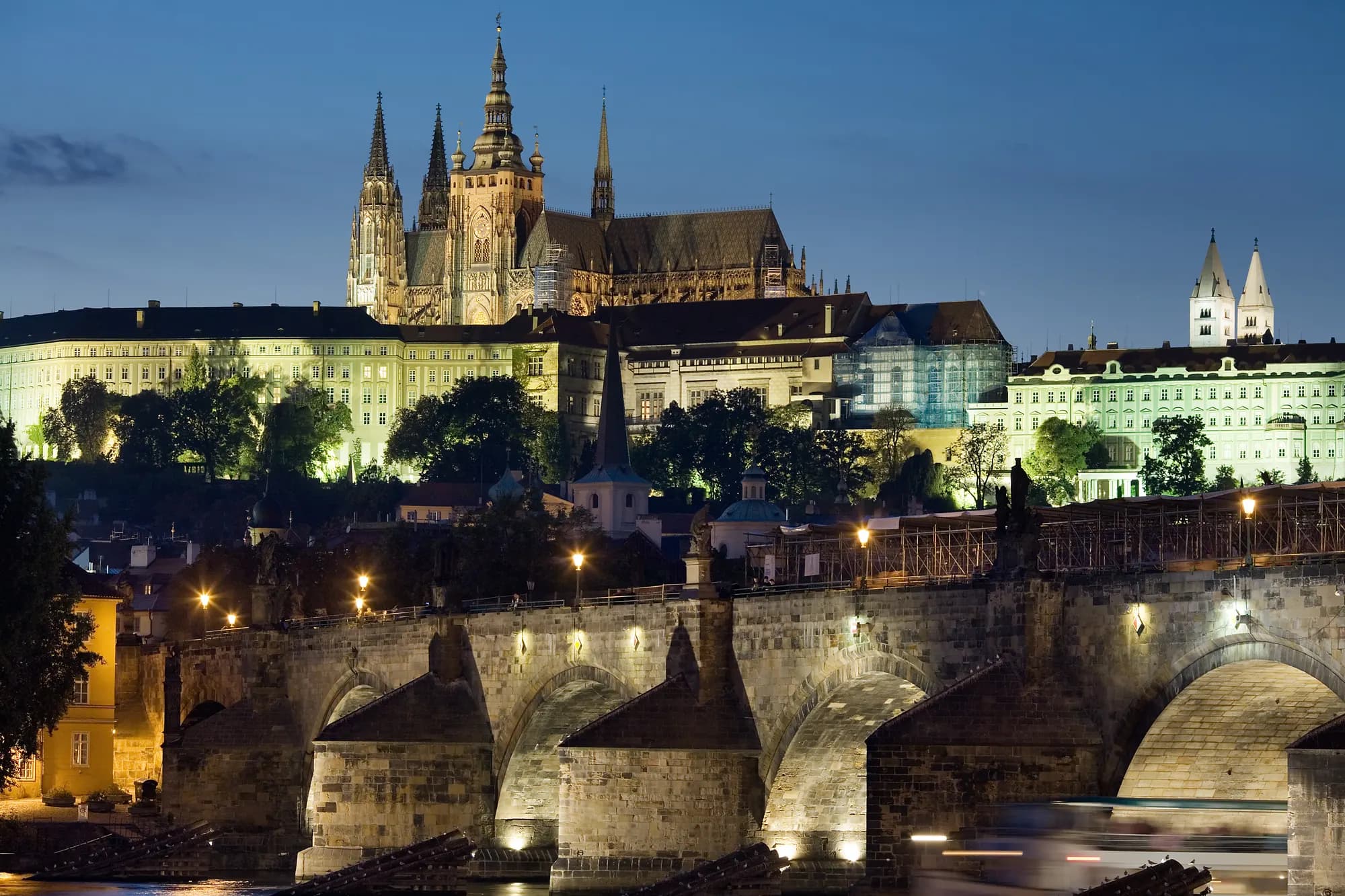 Prague
Prague
Czechia
The beer costs less than the bottled water in most restaurants, which tells you almost everything about the local priorities before you've even seen the castle.
See full guide →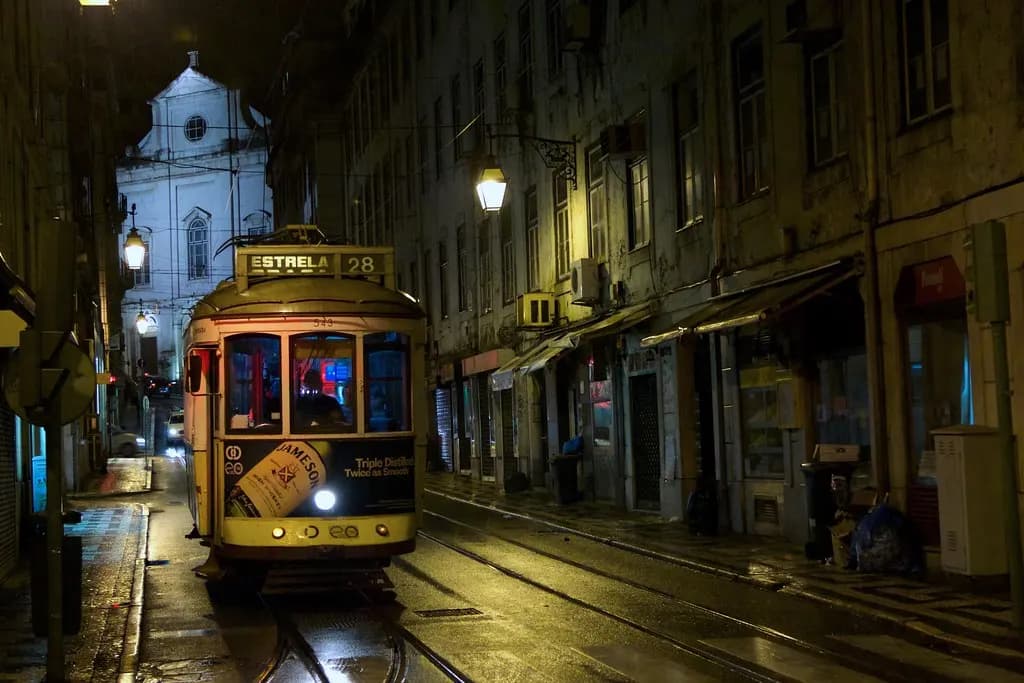 Lisbon
Lisbon
Portugal
A city built on seven hills, where a rattling yellow tram doubles as the cheapest sightseeing tour you'll find in Western Europe.
See full guide →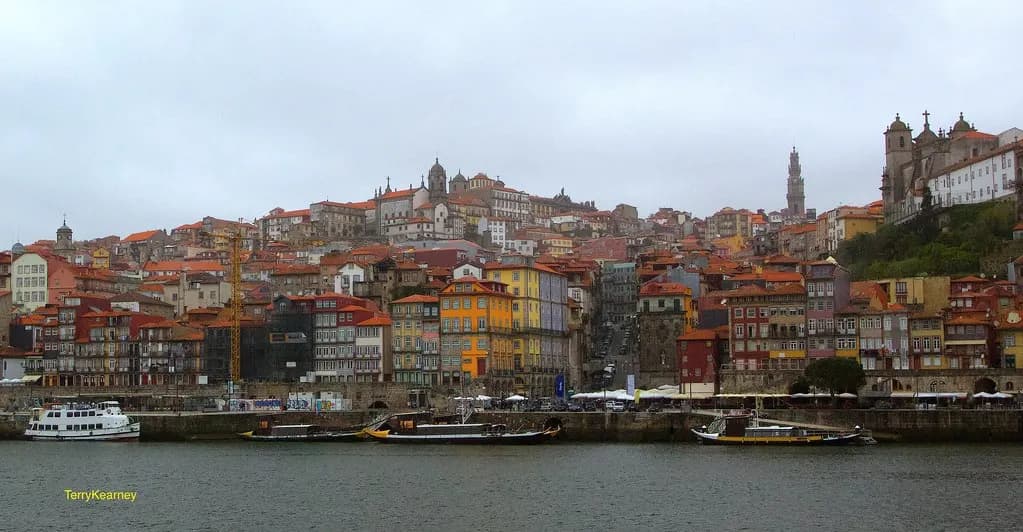 Porto
PortoPorto
Portugal
Port wine ages in cellars across the river while the old town stacks tiled houses straight down to the water like it ran out of flat ground centuries ago.
See full guide →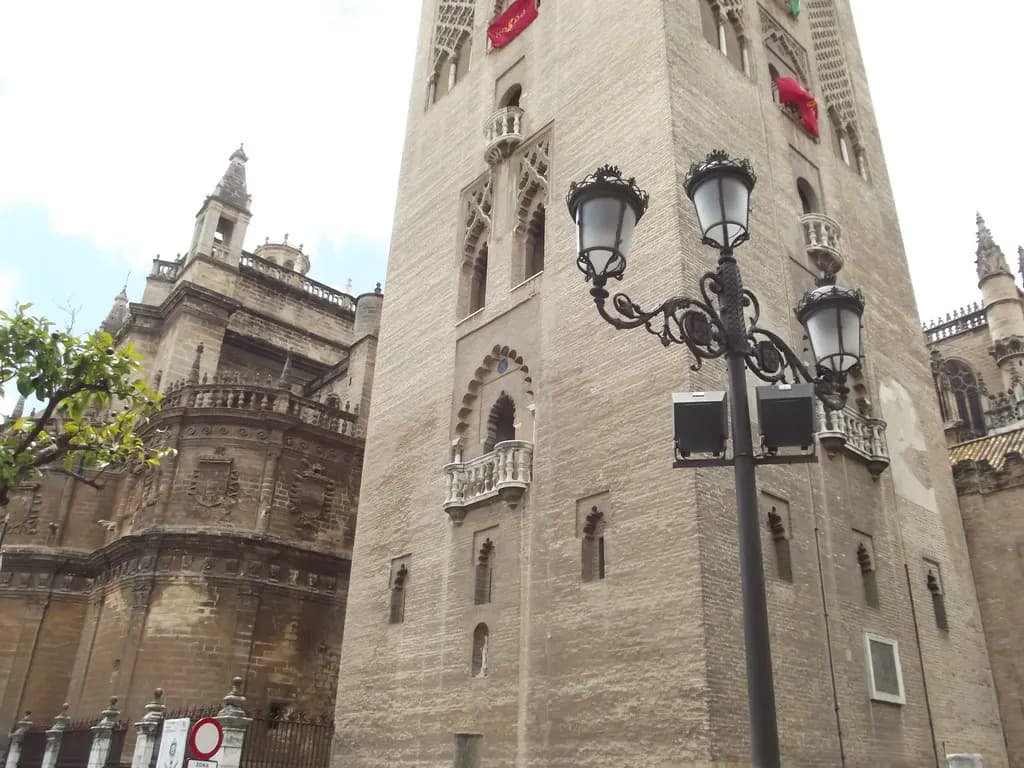 Seville
Seville
Spain
The cathedral here was built so big that its own founders reportedly said future generations would think they were mad — and it's still the largest Gothic cathedral on earth.
See full guide →